

Fanconi Syndrome in Dogs: What Every Pet Parent Needs to Know
Imagine your sweet dog, full of life, suddenly losing energy and always needing to drink. It's heartbreaking to see, and it could be a sign of a serious, inherited kidney issue called Fanconi syndrome in dogs. This rare condition messes with their kidneys' ability to hold onto vital nutrients and minerals. Instead of reabsorbing things like electrolytes, glucose, and amino acids, their body flushes them out in their pee. This can quickly lead to dehydration, blood acidity (metabolic acidosis), and real kidney damage. Left untreated, it can even be fatal.
While there isn't a cure for Fanconi syndrome, we can manage it. This disease progresses over time, and how long a dog lives depends a lot on how soon we catch it and start treatment.
Understanding Fanconi Syndrome in Dogs
Let's break down what Fanconi syndrome in dogs really means. Think of your dog's kidneys as tiny, super-efficient filters. Specifically, their kidney tubules are supposed to be like diligent gatekeepers, pulling important stuff—water, salts, glucose, amino acids, and other nutrients—back into their bloodstream. But with Fanconi syndrome, these gatekeepers drop the ball. Instead of doing their job, those crucial substances get dumped right into your dog's urine.
This failure to reabsorb leads to a cascade of problems:
- They get dehydrated and pee a lot more than usual.
- Their body's essential electrolytes get out of whack.
- Their blood becomes too acidic, a condition called metabolic acidosis.
- Ultimately, their kidneys suffer damage.
You might also hear this condition called Fanconi-Bickel syndrome or Fanconi renotubular syndrome, but it's all pointing to the same issue.

Symptoms of Fanconi Syndrome in Dogs
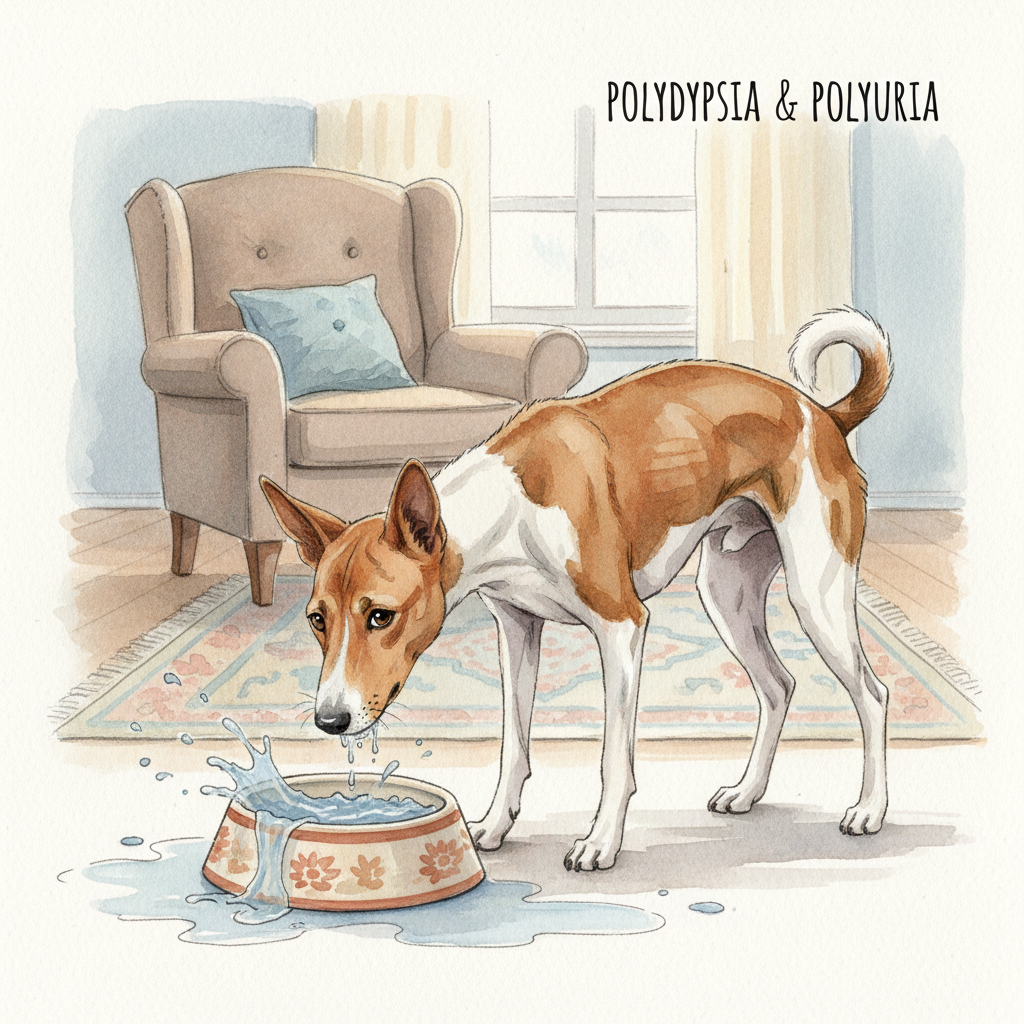
It's tough because the early signs of Fanconi syndrome in dogs can be subtle, sometimes not showing up until your dog is between 3 and 7 years old. Often, the very first clue you might notice is your pup drinking and peeing way more than usual. As the disease silently marches on, other symptoms start to show:
- Your dog seems constantly thirsty (we call this polydipsia).
- They're peeing a lot more than usual (polyuria), sometimes even having accidents in the house.
- They're losing weight, even if they're eating normally.
- They look thin, and their muscles might start wasting away.
- They seem tired and weak, not their usual playful self.
- Their coat looks dull or unhealthy.
- They stop wanting to eat.
- Bouts of vomiting and diarrhea.
- Younger pups might not grow as much as they should.
Causes of Fanconi Syndrome in Dogs
For most dogs, Fanconi syndrome is something they're born with – an inherited condition passed down through generations. Basenji dogs are particularly prone to it, but our research shows it can pop up in other beloved breeds too, like:
- Labrador Retrievers
- Norwegian Elkhounds
- Miniature Schnauzers
- Border Terriers
- Shetland Sheepdogs
- German Shorthaired Pointers
- Whippets
- Great Danes
- Alaskan Sled Dogs
While most cases are genetic, it's worth knowing that some dogs can acquire Fanconi syndrome from exposure to certain harmful toxins or medications. These can include:
- Heavy metals like lead, mercury, or cadmium.
- Some antibiotics, such as gentamicin, tetracycline, or cephalexin.
- Antifreeze (ethylene glycol) – this is highly toxic!
- Specific chemotherapy medications.
- (Rarely) certain jerky treats. Back in the early 2010s, a particular brand of jerky was linked to some acquired cases of Fanconi syndrome. Thankfully, this isn't a common cause anymore.
Diagnosing Fanconi Syndrome in Dogs
If you're noticing any of the worrying symptoms we've mentioned, don't wait. Talk to your vet right away. When you bring your pup in, your vet will perform a thorough physical exam and chat with you about your dog's history. From there, they'll likely recommend some important tests, usually a urinalysis and blood tests, to get a clearer picture.
What a Urinalysis Can Tell Us
This simple pee test is a huge clue for diagnosing Fanconi syndrome in dogs. It often reveals:
- Sugar (glucose) in your dog's urine, even if their blood sugar levels are normal. This is often the biggest giveaway for Fanconi syndrome.
- Urine that's unusually alkaline (high pH) because bicarbonate is being lost.
- Protein and amino acids also showing up in their urine.
What Blood Tests Reveal
Your vet will also run blood tests. These might show:
- Normal blood sugar, confirming that the sugar in the urine isn't from diabetes.
- Low bicarbonate levels, which points to metabolic acidosis (that blood acidity we talked about).
- Imbalances in essential electrolytes like potassium and phosphorus.
- In more advanced stages, higher kidney values (like BUN and creatinine) might appear, indicating kidney function is really struggling.

Genetic Testing for Inherited Fanconi Syndrome
For breeds like Basenjis, where inherited Fanconi syndrome is well-known, a genetic test can confirm the diagnosis. It can also help breeders identify "carriers" – dogs that don't show symptoms but could pass the gene on.
Treatment of Fanconi Syndrome in Dogs
The hard truth is, we don't have a cure for Fanconi syndrome in dogs. But that doesn't mean we can't help them! The goal of treatment is all about managing symptoms and protecting their kidneys from further harm. Every dog is unique, so your vet will create a treatment plan specifically for your furry friend, which usually includes:
- Fluid therapy: If your dog is dehydrated or their electrolytes are out of balance, they'll need extra fluids. In serious situations, this might mean IV fluids at the vet's office. For ongoing care, your vet might show you how to give fluids under the skin at home.
- Electrolyte supplements: Since they're losing vital potassium and phosphorus in their urine, your dog will likely need oral supplements to replace these.
- Sodium bicarbonate: To combat that blood acidity, sodium bicarbonate can help balance things out.
- Vitamin D: This vitamin plays a crucial role in bone health and helping the body absorb calcium and phosphorus, so supplementation might be necessary.
- Special diet: A diet that's tasty, easy to digest, and provides enough protein and calories is super important. We usually don't recommend a low-protein diet unless their kidney failure becomes much more advanced.
- Constant monitoring: Regular blood and urine tests are absolutely essential. They help your vet fine-tune the treatment plan as your dog's needs change.
Recovery and Management of Fanconi Syndrome in Dogs
Dealing with Fanconi syndrome in dogs is a lifelong commitment, requiring ongoing management and regular vet check-ups. The good news? With dedicated treatment, many dogs can still enjoy a really good quality of life for several years. Here's what long-term management involves:
- Stick strictly to all medication and supplement schedules your vet provides. It's easy to forget, but it's vital for their health.
- Always make sure your dog has plenty of fresh, clean water available. A sparkling bowl and fresh water are key!
- Feed a consistent, high-quality diet. Don't make sudden changes unless your vet advises it.
- Keep a close eye on your dog for any changes: are they drinking or peeing more? Is their appetite different? Do they seem less energetic? Report anything unusual to your vet.
- Schedule regular vet visits for those essential blood and urine tests. Initially, this might be every 1-3 months, then perhaps every 3-6 months once your dog is stable.
- Do everything you can to prevent your dog from being exposed to kidney toxins (like antifreeze or certain human medications).
Preventing Fanconi Syndrome in Dogs
Since Fanconi syndrome is usually an inherited disease, preventing it largely comes down to responsible breeding practices.
- Genetic screening: Especially for breeds like Basenjis, breeders must use available genetic tests to screen parent dogs for the Fanconi syndrome gene. Any dog carrying the mutation, or affected by the syndrome, shouldn't be part of a breeding program.
- Don't breed affected dogs: If a dog is diagnosed with Fanconi syndrome, they absolutely should not be bred.
For those rare cases where dogs acquire Fanconi syndrome, prevention means being super careful about what your dog gets into:
- Keep toxins away: Store antifreeze, human medications, and anything with heavy metals safely out of your dog's reach. Your house needs to be a safe zone for curious pups.
- Discuss medications with your vet: Always chat with your vet about any medications your dog takes. Make sure they're safe and that the dosage is correct, especially for drugs that could impact kidney health.