Your Guide: How to Choose the Best Dog Food for Your Furry Friend
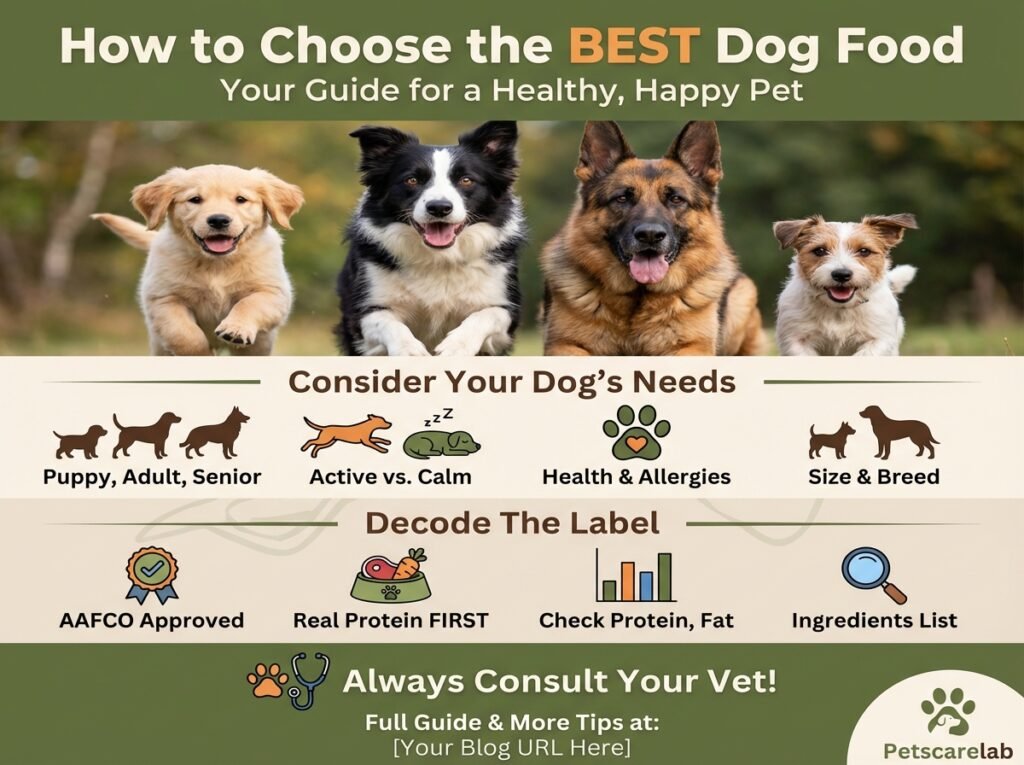
Walking down the pet food aisle can feel like stepping into a labyrinth. Bags upon bags, each promising the 'best' for your furry friend. But here's the secret: there's no single perfect food for every pup. The key to making a smart choice for your dog is understanding their unique needs. That's why we put together this guide on how to choose dog food that truly fits your companion's age, activity level, health, and even their breed. We'll help you cut through the marketing jargon and pick the right meal to keep their tail wagging and their body healthy.

Ready to Choose? Your Dog Food Checklist
Before you even look at a bag of dog food, take a moment to really assess your dog. Here are the crucial questions to ask:
Your Dog's Age and Life Stage: Puppy, Adult, or Senior?
A puppy needs vastly different nutrients than a seasoned senior dog.
- Puppies zoom through growth, so they need calorie-packed food rich in protein, fat, and minerals like calcium to build strong bones and bodies. Look for "puppy" formulas – they're made just for this.
- Adult dogs (usually between one and seven years old, depending on their breed) need food that helps keep them at a healthy weight, full of energy, and thriving. While "All Life Stages" foods can work, dedicated adult formulas are a popular choice.
- Senior dogs generally start to slow down around age seven, or even earlier for bigger breeds. They often do best with fewer calories (since they're less active) and extra help for their joints, like glucosamine and chondroitin. Easily digestible ingredients are a plus, too.
How Active Is Your Dog?
An energetic dog burns way more calories than a couch potato.
- Highly active dogs (think working dogs, athletic breeds, or super playful pups) burn a ton of calories and need high-protein, energy-rich foods to keep them going strong.
- Moderately active dogs (those who get daily walks and regular playtime) typically do well on standard adult food.
- Less active or overweight dogs could benefit from "light" or "weight management" foods. These have fewer calories and fat, plus extra fiber to help them feel full.
Any Health Issues? Tailoring Your Dog's Diet
A dog's diet can be a powerful tool to manage or even improve many health conditions.
- Food allergies or sensitivities: Look for limited ingredient diets (LIDs) that feature "novel proteins" like duck or venison. Sometimes, a veterinary specialist might suggest a prescription hypoallergenic diet.
- Digestive issues: Foods with easy-to-digest ingredients, prebiotics, and probiotics can often soothe upset tummies.
- Joint problems: Look for foods with glucosamine and chondroitin for joint support.
- Kidney disease: Low protein, low phosphorus prescription foods.
- Heart disease: Low sodium prescription foods.
- Urinary issues: pH-balancing prescription foods.
- Diabetes: Diets rich in fiber and complex carbohydrates.
Our team at Petscarelab always recommends you chat with your vet first before making big changes to your dog's diet, especially if they have a medical condition. They can guide you toward therapeutic foods specifically designed to address these issues.
Breed and Size: Small Mouths to Giant Paws
While not as critical as age or health, your dog's breed and size can influence your food choice.
- Large and giant breed puppies need a carefully balanced diet with just the right calcium and phosphorus levels. This helps prevent bone problems like hip dysplasia during their super-fast growth. Make sure you pick a "large breed puppy" formula.
- Small breed dogs often do best with tiny kibble that's easier for their small mouths to chew. They might also need a bit more energy in their food because of their zippy metabolisms.
- Large breed adults appreciate bigger kibble designed for their mouths and ingredients that support healthy joints.
Setting Your Budget
Let's be real, dog food prices are all over the map. While you shouldn't just grab the cheapest bag on the shelf, you definitely don't need to spend a fortune either. Lots of great brands offer fantastic nutrition at different price points. Your goal is to prioritize solid, wholesome ingredients and a complete, balanced formula over flashy marketing gimmicks.
Reading Dog Food Labels: What to Look For
Once you've considered your dog's individual needs, it's time to decipher the dog food label. This is where you'll find crucial information about the ingredients and nutritional content.
Decoding the AAFCO Statement
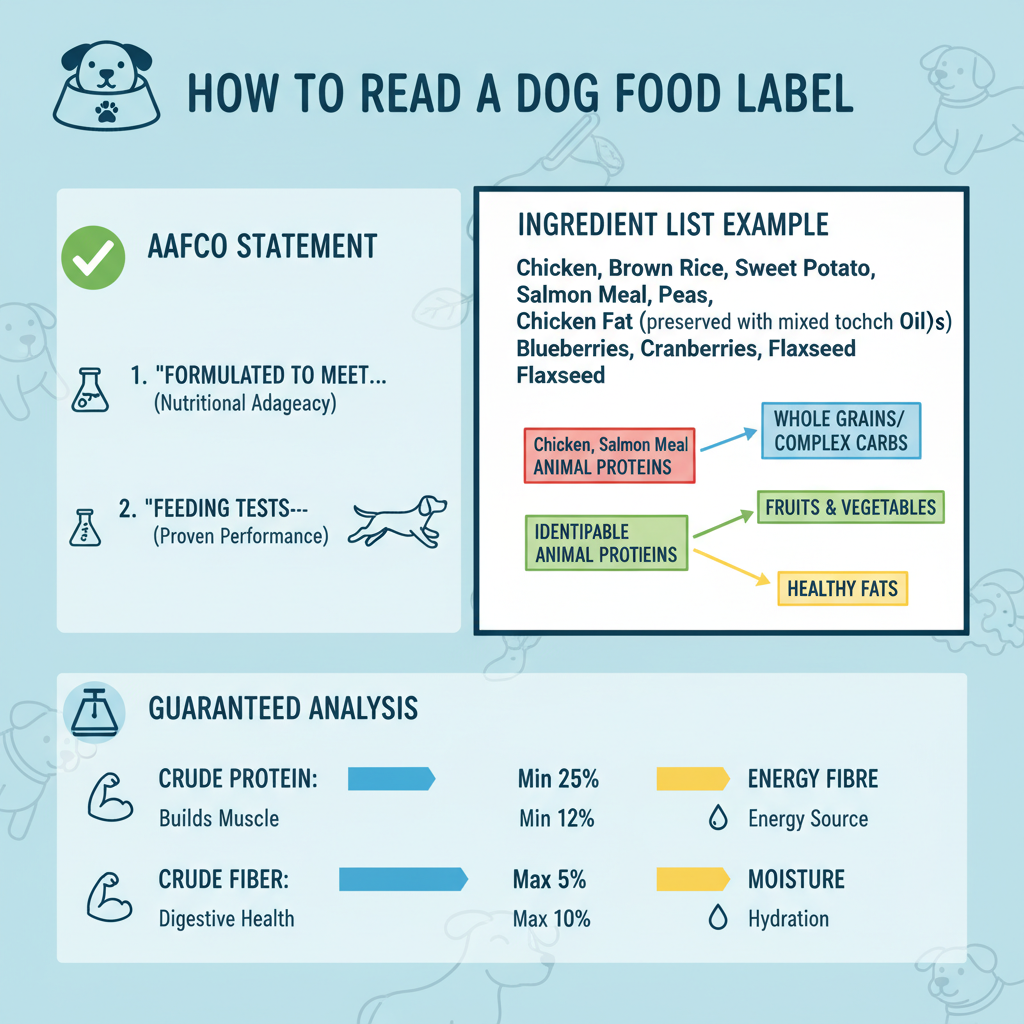
The Association of American Feed Control Officials (AAFCO) sets the gold standard for pet food nutrition here in the U.S. Always scan the label for an AAFCO statement – it's your sign that the food is "complete and balanced," meaning it has everything your dog needs.
There are two main types of AAFCO statements:
- "[Product Name] is formulated to meet the nutritional levels established by the AAFCO Dog Food Nutrient Profiles for [Life Stage]." This means the recipe was crafted and calculated to hit all the right nutrient levels.
- "Animal feeding tests using AAFCO procedures substantiate that [Product Name] provides complete and balanced nutrition for [Life Stage]." Many consider this the gold standard because it means the food has actually been fed to dogs in trials, proving it works.
Skip any food without an AAFCO statement. It probably doesn't have all the nutrients your dog needs to thrive.
The Ingredient List: What's Inside?
Ingredients show up in order from heaviest to lightest.
- First few ingredients: You want to see identifiable animal proteins right at the top. Think chicken, beef, lamb, or salmon. "Meal" (like chicken meal) is actually a good thing – it's a concentrated protein source once the water's removed.
- Whole grains/complex carbohydrates: Ingredients like brown rice, oats, barley, quinoa, and sweet potatoes give your dog energy and fiber. And here's a myth-buster: grains aren't bad for dogs unless they have a diagnosed allergy.
- Fruits and vegetables: These provide vitamins, minerals, antioxidants, and fiber. Examples include peas, carrots, apples, and cranberries.
- Healthy fats: Don't forget healthy fats from sources like chicken fat, fish oil (hello, omega-3s!), and flaxseed. They're vital for a shiny coat, healthy skin, and overall well-being.
- Try to steer clear of: Too many artificial colors, flavors, and preservatives. While a little preservation is necessary, natural options like Vitamin E (tocopherols) are a much better choice.
- "By-products": The word "by-products" often gets a bad rap, but it's not always a bad thing! High-quality by-products like nutrient-rich organ meats (liver, heart) are packed with goodness. The trick is transparency – top-tier foods will usually specify exactly which by-products they include if they're beneficial.
Understanding the Guaranteed Analysis
The guaranteed analysis states the minimum percentages of crude protein and crude fat, and the maximum percentages of crude fiber and moisture. It's a quick snapshot of the food's main nutrients.
- Crude Protein: Aim for protein levels that match your dog's age and how active they are.
- Crude Fat: Crucial for energy and helping your dog absorb nutrients.
- Crude Fiber: Helps keep digestion running smoothly.
- Moisture: If you're looking at wet food, higher moisture means you're paying for more water. For a true nutritional comparison, always check the "dry matter basis" when comparing wet and dry foods.
Kibble vs. Wet vs. Raw vs. Home-Cooked: What's Right for Your Dog?
Each type of dog food has its own upsides and downsides.
Dry Dog Food (Kibble)
- Pros: Super convenient, budget-friendly, lasts a long time, and those crunchy bits can even help scrape a little plaque off their teeth. Plus, it's easy to measure and store.
- Cons: Lower in moisture, and some dogs aren't as excited about it.
- Considerations: Always go for a reputable brand with a solid AAFCO statement and quality ingredients.
Wet Dog Food (Canned Food)
- Pros: Dogs usually love wet food! It's super tasty, helps keep them hydrated thanks to its high moisture, and is great for pups with dental problems or picky appetites.
- Cons: It's pricier per serving, doesn't last as long once opened, and can actually lead to more plaque buildup if you're not also brushing their teeth.
- Considerations: Many pet parents use it as a special topper or mix it with kibble.
Raw Dog Food
- Pros: Fans of raw food often point to benefits like super shiny coats, healthier skin, cleaner teeth, and a boost in energy.
- Cons: But be warned: there's a real risk of bacterial contamination (like salmonella or E. coli) that can affect both your dog and you. It's also incredibly tough to make sure it's nutritionally balanced without expert help, and it's not a good choice for all dogs, especially puppies or those with weakened immune systems. You'll need to be super careful with handling and storage.
- Considerations: If you're thinking about raw, please talk to a board-certified veterinary nutritionist. They can help you make sure it's truly complete and balanced. Our team at Petscarelab, along with many veterinary specialists, cautions against raw feeding due to potential public health risks.
Home-Cooked Dog Food
- Pros: You get total control over every ingredient, and you can tailor it exactly to your dog's specific needs.
- Cons: It's incredibly difficult to make a home-cooked diet that's truly complete and balanced without expert guidance. It's also super time-consuming, and you risk nutrient deficiencies or even too much of certain nutrients, which can be harmful.
- Considerations: Seriously, never try a home-cooked diet without a recipe created by a board-certified veterinary nutritionist. Most online recipes just aren't balanced and could harm your dog in the long run.
Trusted Dog Food Brands
Naming one "best" brand is tough – formulas change, and every dog is different. But some brands consistently earn high marks for meeting AAFCO standards, running feeding trials, and having veterinary nutritionists on their team.
Our veterinary specialists often recommend brands known for their rigorous quality control, deep research, and commitment to nutritional science, such as:
- Purina Pro Plan
- Royal Canin
- Hill's Science Diet
- Iams
- Eukanuba
These brands invest heavily in research and development and produce a wide range of specialized diets for various life stages and health conditions.
You'll also find other reputable brands that prioritize quality ingredients and boast excellent nutritional profiles, including:
- Merrick
- Taste of the Wild
- Blue Buffalo
- Wellness
- Fromm
- Orijen/Acana
When you're picking a brand, look past the glossy ads. Dig into their ingredient sourcing, quality control, and see if they have veterinary nutritionists on staff. That's a good sign.
What's the Healthiest Dog Food for My Pup?
The healthiest dog food is the one that's complete and balanced, perfect for your dog's unique age, life stage, activity level, and any health needs. Most importantly, it's the food your dog loves and truly thrives on. There's no magic bullet or universally "healthiest" brand for every single pup.
Foods You Should Never Feed Your Dog
Absolutely avoid these common human foods that are toxic to dogs:
- Chocolate
- Grapes/raisins
- Onions
- Garlic
- Xylitol (a common artificial sweetener)
- Avocado
- Macadamia nuts
- Alcohol
- Caffeine
- Cooked bones: They can splinter, leading to serious internal damage.
- Too many table scraps: Can throw off their nutrition, cause obesity, and even lead to painful pancreatitis.
- Any food that doesn't have an AAFCO statement confirming it's complete and balanced.
How Often Should You Switch Your Dog's Food?
You usually don't need to change your dog's food unless there's a good reason, like:
- Life stage change: Puppy to adult, adult to senior.
- Health issues develop: Needing a prescription diet.
- Allergies or sensitivities: Requiring a change in protein or ingredients.
- Weight management: Needing a diet for weight loss or gain.
- If your dog just isn't thriving on their current food (think dull coat, low energy, tummy troubles).
Switching food too often for no real reason can sometimes upset their stomach.
What's the Right Protein Percentage in Dog Food?
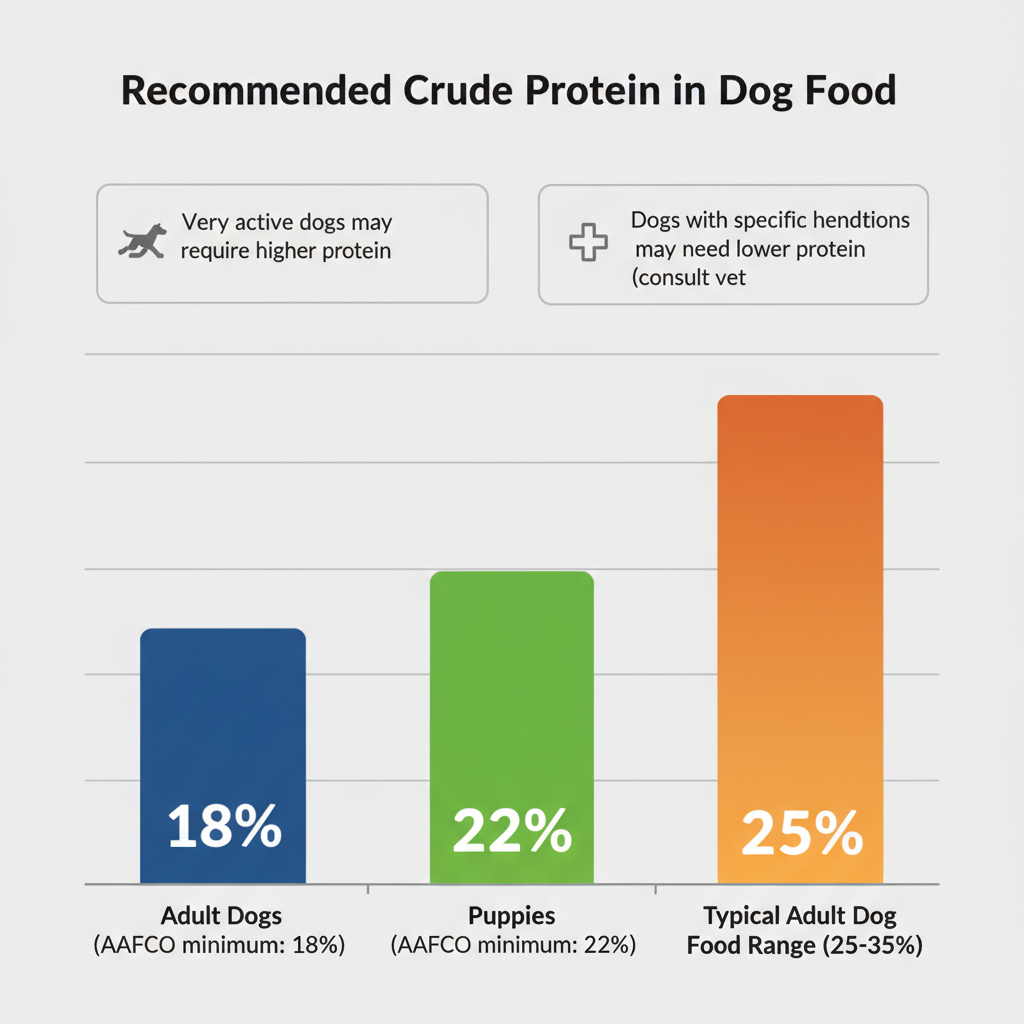
AAFCO sets the minimum at 18% crude protein (on a dry matter basis) for adult dogs and 22% for puppies. But you'll often see adult foods ranging from 25-35%. The "perfect" percentage really depends on your dog's age, how active they are, and their overall health. Super active pups might thrive on higher protein, while dogs with certain medical conditions (like kidney disease) might need lower protein, but always follow your vet's guidance on that.
Wrapping It Up
Finding the best dog food truly is a personal quest, unique to your furry friend. Begin by getting to know their specific needs, then dig into those labels – check for AAFCO statements, ingredient quality, and the guaranteed analysis. Don't let flashy marketing claims distract you.
If you're ever unsure, remember your vet is your most trusted ally. Our team at Petscarelab always encourages you to chat with them for personalized advice, especially if your dog has any health concerns or special dietary needs. With their guidance and your informed choices, you'll give your beloved companion the perfect fuel for a long, happy, and vibrant life by your side.