The Essential Dog Spay Neuter Recovery Kit You Need
Bringing your pup home after their spay or neuter surgery feels like a big step. You want them to heal fast and feel comfortable, and setting up the perfect dog spay neuter recovery kit makes all the difference. While your veterinarian gives you all the crucial after-care instructions, having these items ready at home makes the whole process smoother for both of you.
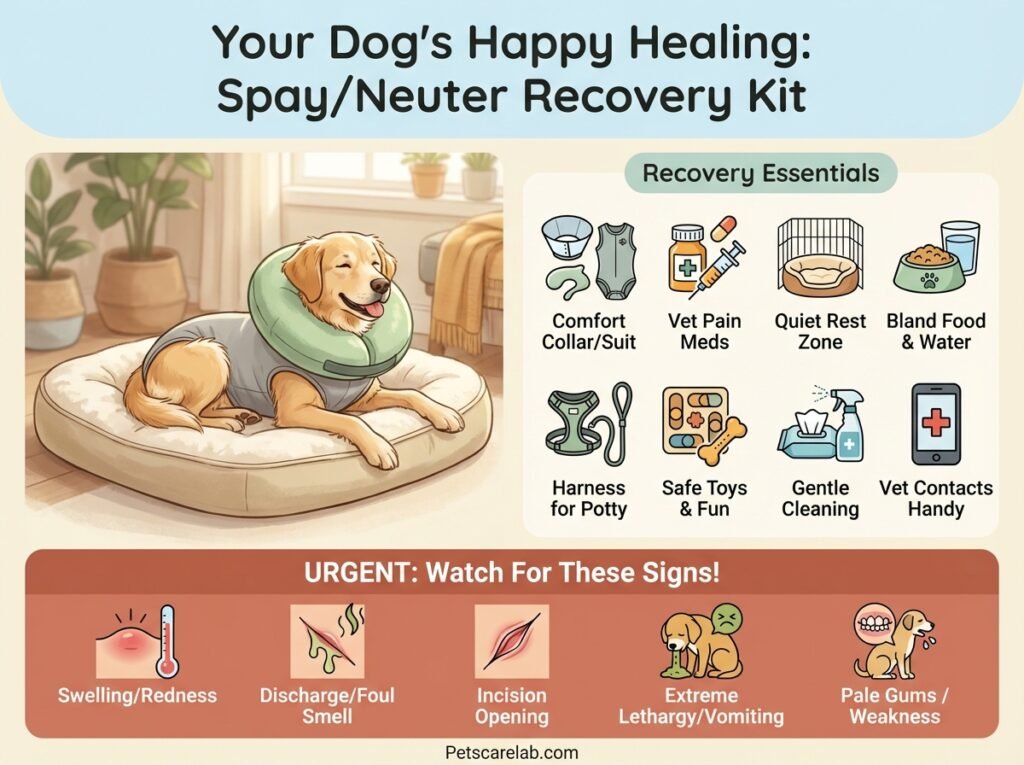
Here’s what you need to put together your dog's spay/neuter recovery kit:
That Cone (or Something Better!)
That famous "cone of shame"—or an E-collar, as vets call it—isn't just for laughs. It's your pup's shield, keeping them from licking, chewing, or scratching their incision site. Licking can invite nasty bacteria, leading to infections, and chewing might even rip the stitches open.
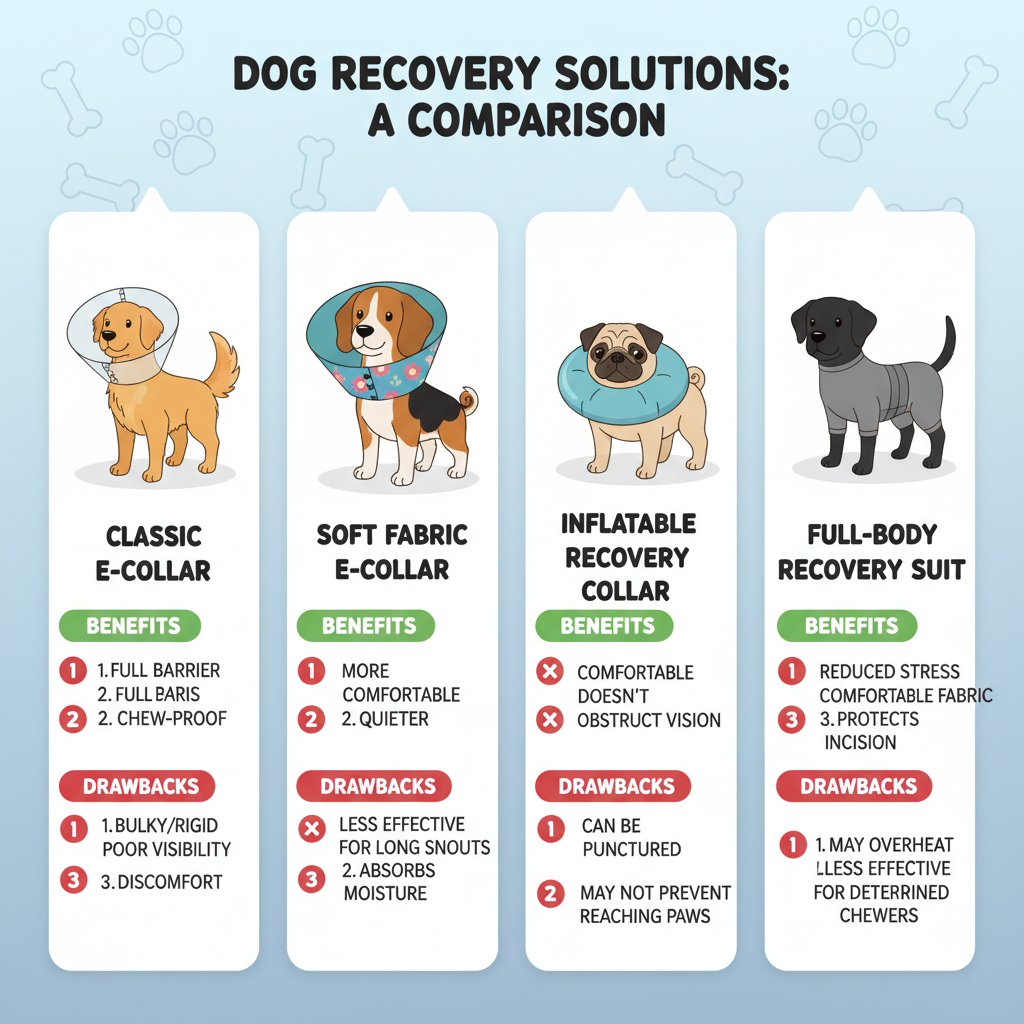
You have a few choices when it comes to E-collars:
- The Classic Plastic Cone: This is the one everyone pictures. It's super effective but can be clunky and a bit miserable for your dog.
- Soft Fabric Collars: Made from comfy fabric, these are much more flexible and let your dog eat, drink, and nap with less hassle.
- Inflatable Collars: Picture a neck pillow for your dog. They're comfy and allow better visibility, but they might not work for pups with long snouts who can still reach their incision.
- Recovery Suits or Onesies: These full-body suits cover the incision directly. Many dogs find them more comfortable than a cone, and they still block licking while allowing pretty normal movement.
Try letting your dog wear the E-collar for short bursts a few days before surgery. It helps them get used to it, cutting down on stress when they really need it later.
Pain Medication Your Vet Prescribes
Your vet will send you home with specific pain meds to keep your dog comfortable. It's absolutely crucial to give these exactly as directed. Never, ever give your dog human pain relievers; they can be toxic and incredibly dangerous.
- Stick to the Schedule: Set alarms or reminders on your phone to make sure you give doses on time. Consistency is key for pain management.
- Give with Food (If Advised): If your vet suggests it, offer meds with a tiny bit of food. This often helps prevent an upset stomach.
- Watch for Side Effects: Keep a close eye on your dog. If you see anything unusual after giving the medication, call your vet right away.
A Quiet, Cozy Recovery Zone
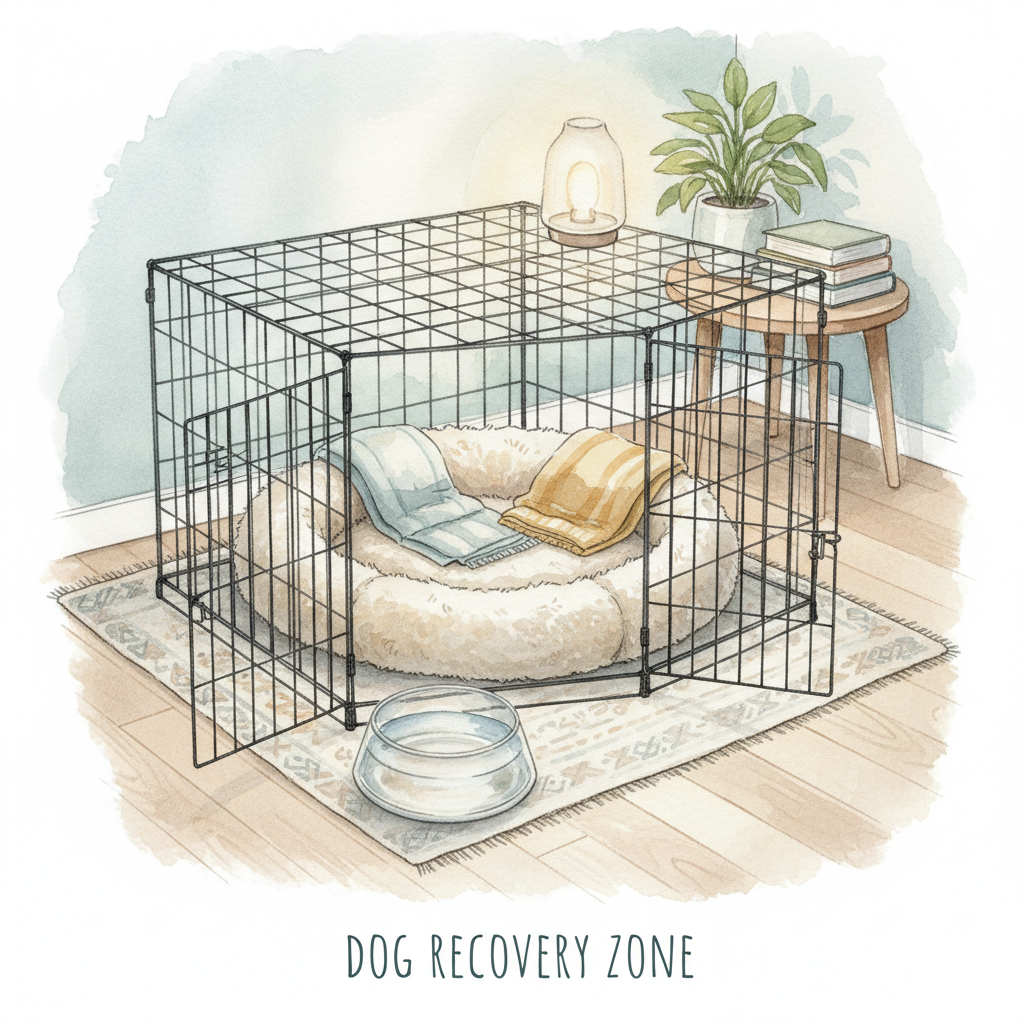
Imagine coming home from surgery yourself – you'd want a quiet, cozy spot, right? Your pup feels the same way. Set up a peaceful, clean, and warm space where they can truly rest without disruptions. Pick an area away from the hustle and bustle of family life, other pets, or curious kids.
- Soft Bedding: Offer a plush bed or plenty of soft blankets that are easy to wash.
- Crate or Playpen: If your dog is used to a crate, it's perfect for recovery. It keeps them safely confined and resting. A playpen works well too!
- Just Right Temperature: Make sure their spot isn't too hot or too chilly. Comfort is key.
Bland Food and Plenty of Water
Some pups feel a bit queasy or don't have much appetite right after surgery. A bland diet helps settle their stomach and eases them back into eating.
- Simple Chicken and Rice: Most veterinary specialists suggest plain boiled chicken (no skin or bones) mixed with white rice.
- Small, Frequent Meals: Instead of a big meal, offer smaller portions more often. This is gentler on their digestive system.
- Fresh Water: Make sure your dog's water bowl is always full of fresh, clean water. Hydration is super important for healing.
Leash and Harness for Safe Potty Breaks
Healing means taking it easy, so intense playtimes are off-limits for a bit. Short, controlled walks are the way to go, just long enough for your dog to relieve themselves.
- Harness Over Collar: A harness is usually a better choice than a regular neck collar. It spreads pressure evenly across your dog's chest, avoiding any strain on their neck or potential pulling on the surgical site.
- Keep Walks Short and Sweet: No running, jumping, or roughhousing. Just quick trips outside to do their business, then back to their cozy recovery spot.
Toys and Mental Challenges
Just because your dog can't run zoomies doesn't mean their brain has to take a vacation. Mental stimulation is still important to prevent boredom and anxiety during recovery.
- Puzzle Toys: These are fantastic! Fill them with a favorite treat to keep your dog engaged and thinking without needing any physical exertion.
- Safe Chew Toys: A favorite chew toy can offer comfort and a healthy distraction.
- Quiet Cuddles: Spend some calm, gentle time with your dog. A little petting and reassurance go a long way.
Simple Cleaning Supplies
Keeping an eye on that incision and keeping things tidy around it is super important. You'll want to watch for any signs of infection.
- Clean Towels or Wipes: Use these for gentle cleaning around the incision, but only if your vet tells you to.
- Gloves: Keep some disposable gloves handy for hygienic inspection of the incision site.
- Pet-Safe Disinfectant: Perfect for cleaning up any little accidents in their recovery area.
Emergency Contacts – Keep 'Em Close!
Keep your vet's number, and the number for an emergency pet clinic, somewhere you can grab them fast. You want these numbers handy, just in case.
- Your Vet's Office: For any questions or concerns during regular hours.
- Emergency Clinic: For anything that happens after hours.
- Clinic Addresses: It's smart to have the addresses written down, too, in case you need to rush your dog in.
Signs to Watch For During Spay/Neuter Recovery
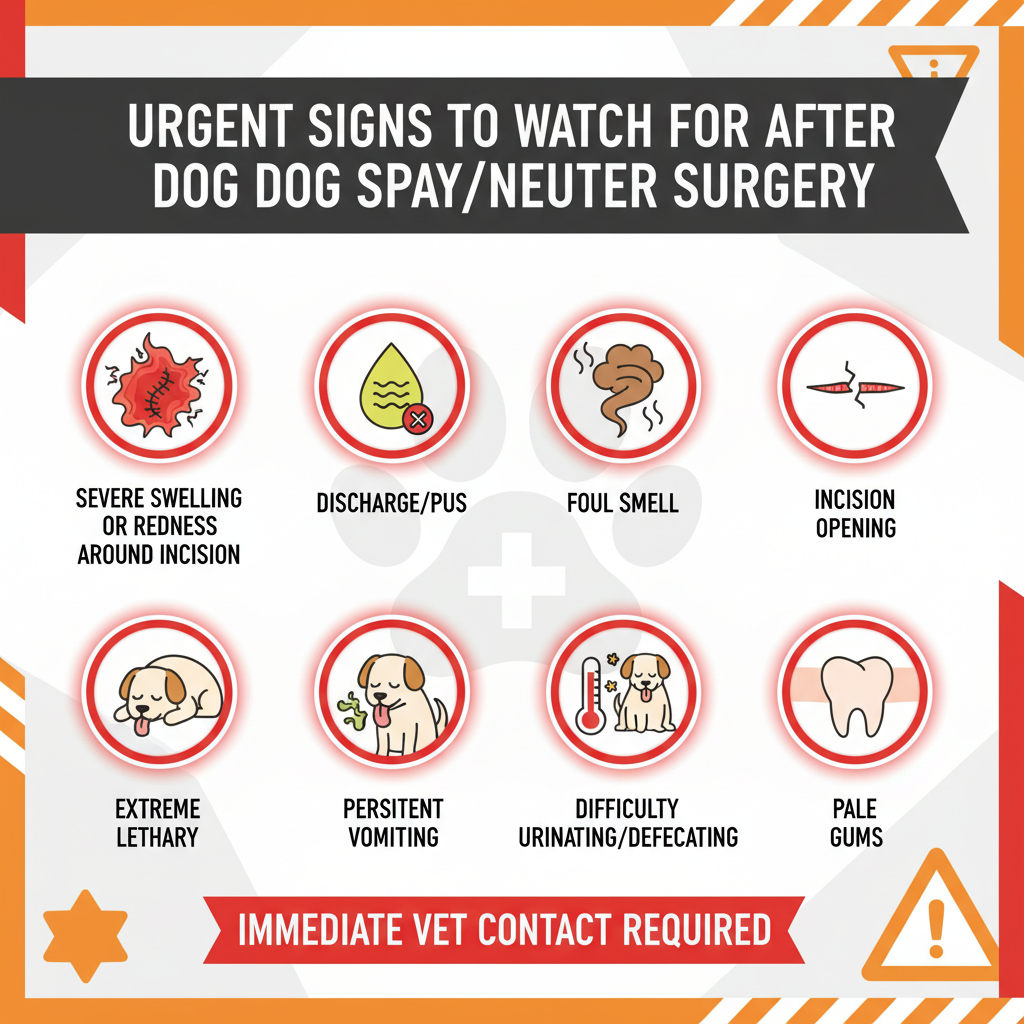
You're your dog's best advocate. Pay close attention to how they're doing during their recovery. Call your vet immediately if you notice any of these signs:
- Lots of Swelling or Redness: Around the incision site.
- Any Discharge or Pus: Coming from the incision.
- A Foul Smell: From the incision area.
- The Incision Opening: If any part of the wound reopens.
- Excessive Licking or Chewing: Even with the cone on.
- Unusual Tiredness or Weakness: Beyond normal post-op sleepiness.
- Refusing to Eat or Constant Vomiting: Persistent upset stomach.
- Straining or Inability to Go: Difficulty peeing or pooping.
- Fever: Your dog feels unusually warm to the touch.
- Pale Gums: This could mean internal bleeding.
Putting together this dog spay neuter recovery kit means you'll feel ready for anything. Always follow your vet's specific instructions, and never hesitate to call our team at Petscarelab or your emergency clinic with any concerns. You've got this!