Mastering Flea Treatment for Dogs: A Comprehensive Guide from Petscarelab
Fleas are among the most persistent and bothersome external parasites that can afflict our beloved canine companions. These minuscule, blood-feeding insects not only cause intense skin irritation and relentless itching but can also lead to more serious health complications. Understanding effective flea treatment for dogs is paramount for ensuring your pet's comfort, health, and overall well-being. From recognizing the subtle signs of an infestation to implementing powerful treatment and robust prevention strategies, our expert team at Petscarelab provides everything you need to know.
Recognizing the Subtle Signs Your Dog Has Fleas
Fleas are remarkably small, typically measuring about 1/16 to 1/8 of an inch, with a reddish-brown hue, and are known for their swift movement through a dog's dense fur. While spotting a live flea can be a challenge, several tell-tale indicators suggest their unwelcome presence. Here are the most common signs of a flea infestation in dogs:
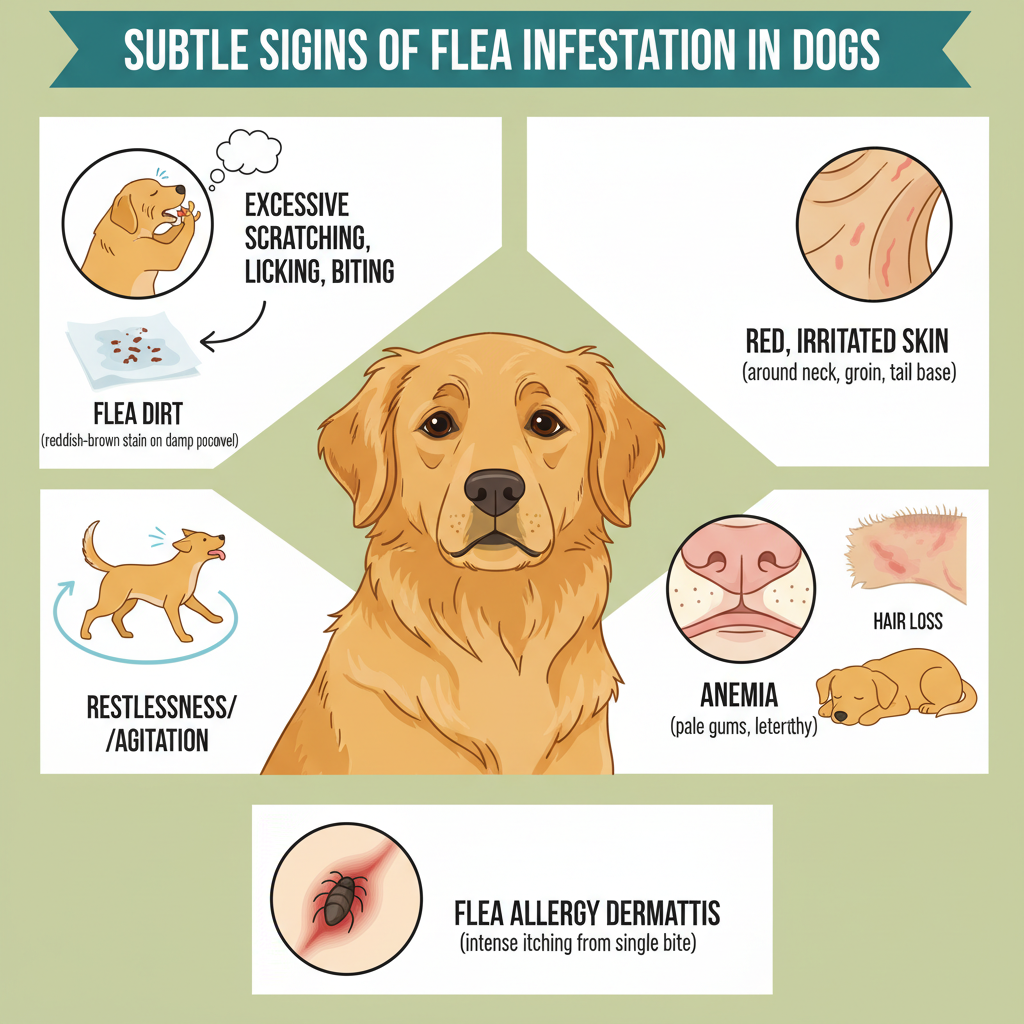
- Excessive Scratching, Licking, or Biting: The intense itch caused by flea bites often compels dogs to scratch vigorously, lick persistently, or even bite at their skin. A sudden increase in these behaviors is a strong red flag.
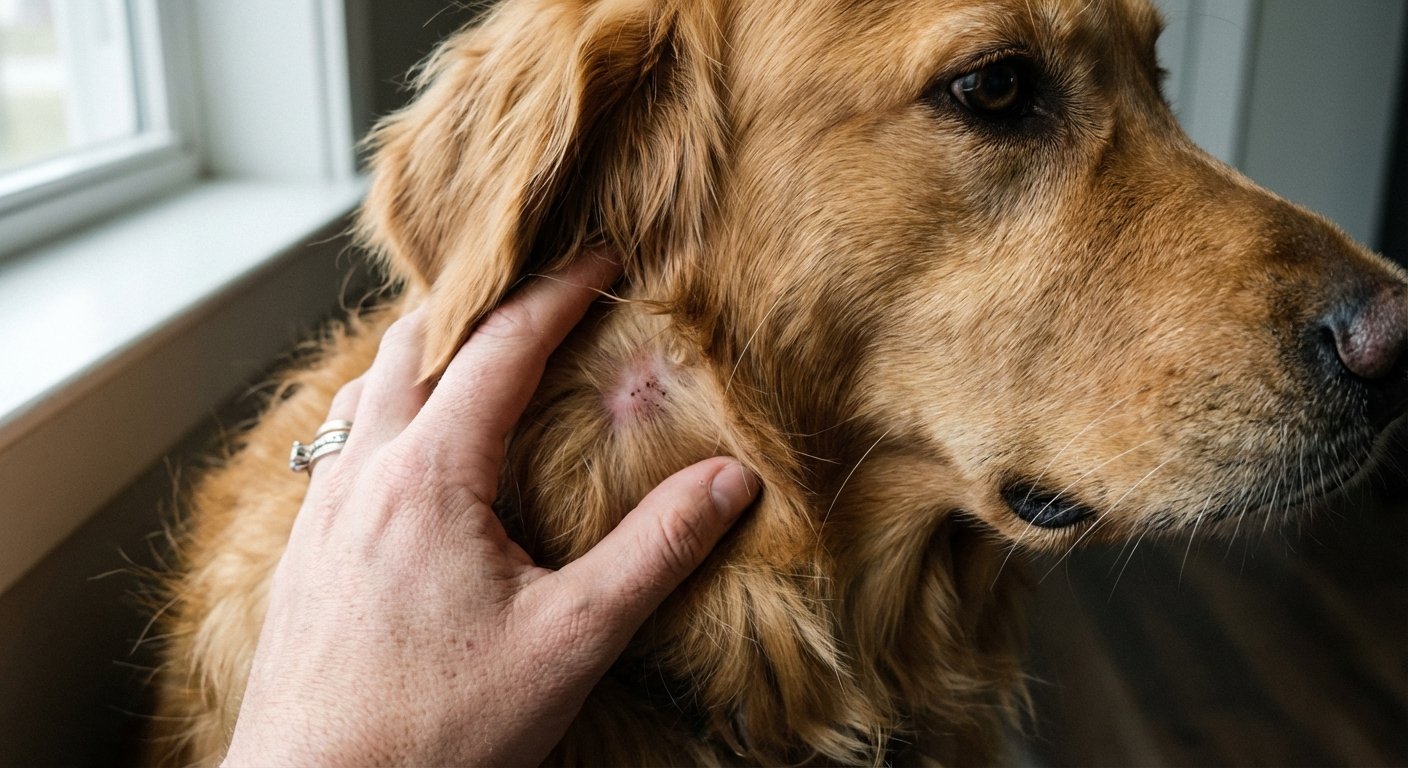
- Flea Dirt: Often mistaken for ordinary specks of dirt, flea dirt is actually flea feces—tiny, black, pepper-like particles found in your dog’s fur or on their bedding. A simple test confirms it: place the flecks on a damp paper towel; if they dissolve into a reddish-brown stain, it indicates the presence of digested blood.
- Red, Irritated Skin: Continuous scratching and biting invariably lead to inflamed, reddened skin. These irritated patches are particularly common around the neck, groin, tail base, and inner thighs.
- Hair Loss: In more severe or prolonged cases, the constant self-trauma from scratching and biting can result in noticeable patches of hair loss.
- Restlessness or Agitation: The ceaseless discomfort of a flea infestation can significantly impact your dog's demeanor, leading to restlessness, agitation, or even uncharacteristic aggression.
- Anemia: For vulnerable populations like puppies or smaller dogs with severe infestations, the cumulative blood loss from numerous flea bites can lead to anemia. Symptoms include pale gums, pronounced lethargy, and general weakness.
- Flea Allergy Dermatitis (FAD): Some dogs develop a profound allergic reaction to flea saliva. In these sensitive individuals, even a single flea bite can trigger a severe allergic response characterized by intense itching, widespread skin inflammation, and significant hair loss.
Our Guide to Identifying Fleas on Your Dog
A thorough check can confirm your suspicions of a flea infestation. Follow these methodical steps to inspect your dog for fleas:
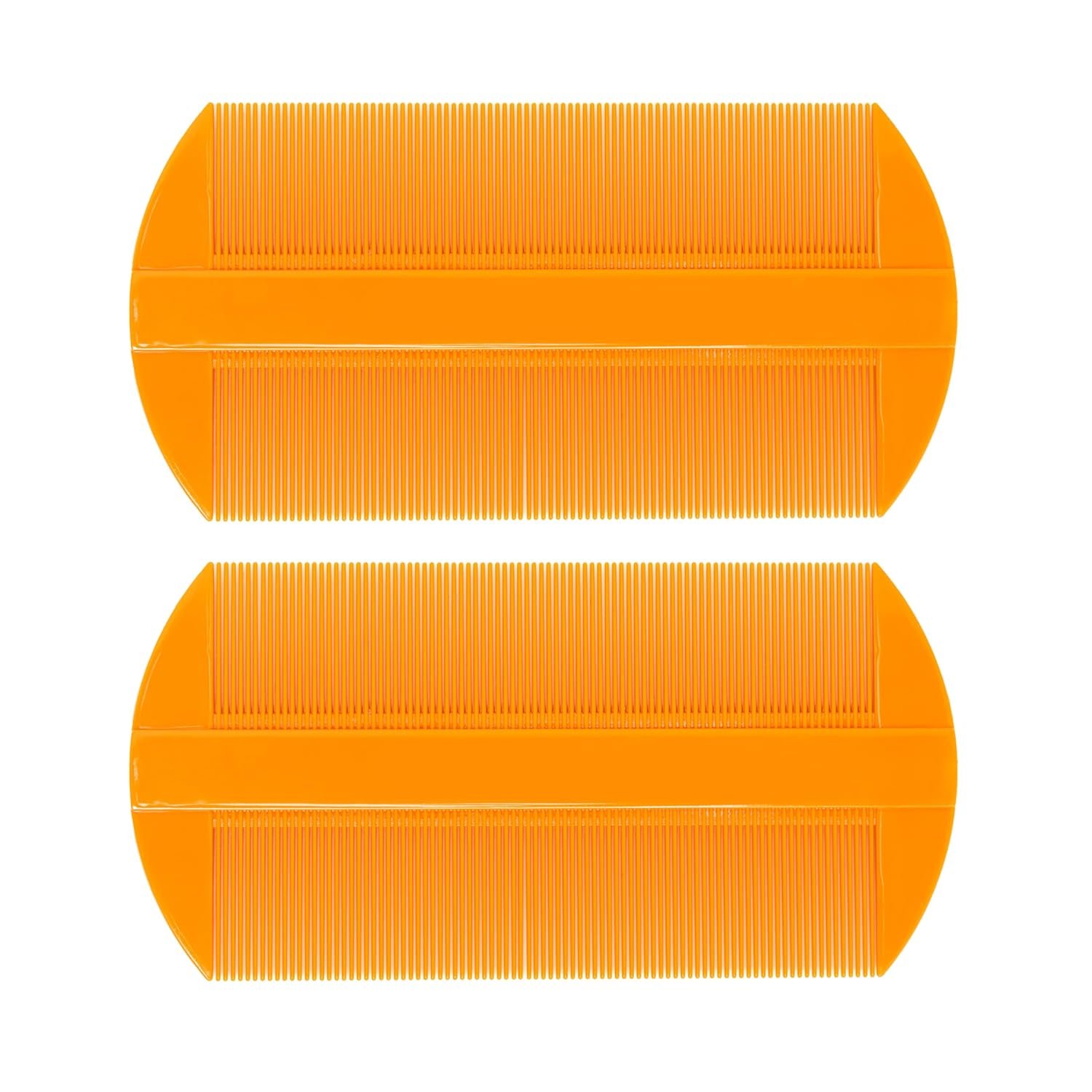
- Utilize a Fine-Toothed Flea Comb: This specialized comb is an invaluable tool for detecting both live fleas and flea dirt. Systematically comb through your dog’s fur, starting from the head and paying meticulous attention to areas where fleas tend to congregate, such as the neck, tail base, and belly. After each pass, carefully examine the comb for any parasites or their tell-tale droppings.
- Actively Search for Live Fleas: Given their agility, fleas can be elusive. Look closely in areas where your dog's fur is thinner, such as the groin, armpits, and belly, as these are common hiding spots.
- Confirm Flea Dirt: As mentioned, flea dirt appears as small, black specks, resembling ground pepper. If you discover these particles, transfer them to a damp paper towel. If they turn reddish-brown upon contact with moisture, you have confirmed the presence of flea dirt.
Effective Flea Treatment for Dogs: Comprehensive Solutions
Once fleas are detected on your dog, immediate and decisive flea treatment for dogs is paramount. Delaying action can allow the infestation to escalate quickly. Here are several highly effective methods for treating fleas:
Oral Medications
Oral flea medications offer a convenient and remarkably potent solution. Their systemic action means the active ingredients are absorbed into your dog’s bloodstream, effectively eliminating fleas as soon as they bite.
Some widely trusted options include:
- Isoxazolines: A class of medications highly effective against both fleas and ticks. These are typically administered monthly or every three months, depending on the specific formulation.
- Spinosad-based Medications: Oral treatments that work rapidly to eliminate fleas, usually administered on a monthly basis.
- Nitenpyram: An oral medication designed for quick relief, starting to kill fleas within 30 minutes and remaining effective for up to 24 hours. It's often utilized for rapid flea knockdown during an active infestation.
Topical Treatments
Topical treatments, commonly known as spot-ons, are applied to a small, concentrated area of your dog’s skin, typically between the shoulder blades. These formulations either spread across the skin’s surface or are absorbed into the oil glands, providing sustained protection against fleas and other parasites.
Common active ingredients in topical treatments include:
- Fipronil and S-methoprene combinations: These active ingredients effectively kill adult fleas, flea eggs, and ticks. They are generally applied monthly.
- Permethrin, Imidacloprid, and Pyriproxyfen combinations: Formulations that both repel and kill fleas, ticks, and mosquitoes, applied on a monthly schedule.
- Selamectin and Sarolaner combinations: These offer broad-spectrum protection, treating and controlling fleas, ticks, ear mites, roundworms, and heartworms. They are applied monthly.
Important Note for Pet Owners: It is critically important never to use flea treatments formulated for dogs on cats. Certain ingredients, such as permethrin, can be highly toxic and even fatal to felines. Always read product labels meticulously and consult with a veterinary professional to ensure you are using the correct species-specific product.
Flea Shampoos
Flea shampoos can provide immediate, albeit temporary, relief by eradicating fleas present on your dog’s coat during bathing. However, they do not offer lasting protection.
- Always adhere strictly to the product instructions, ensuring the shampoo remains on your dog for the recommended duration (typically 5-10 minutes) before rinsing thoroughly.
- Flea shampoos are most effectively used as an initial step to significantly reduce the immediate flea burden, ideally followed by a more comprehensive and long-lasting flea control method.
Flea Collars
Certain flea collars can offer an effective and prolonged method for both preventing and treating flea infestations.
- Advanced flea and tick collars release active ingredients that spread over your dog’s skin and coat, providing sustained protection against fleas and ticks for an extended period, often up to 8 months.
Environmental Treatments
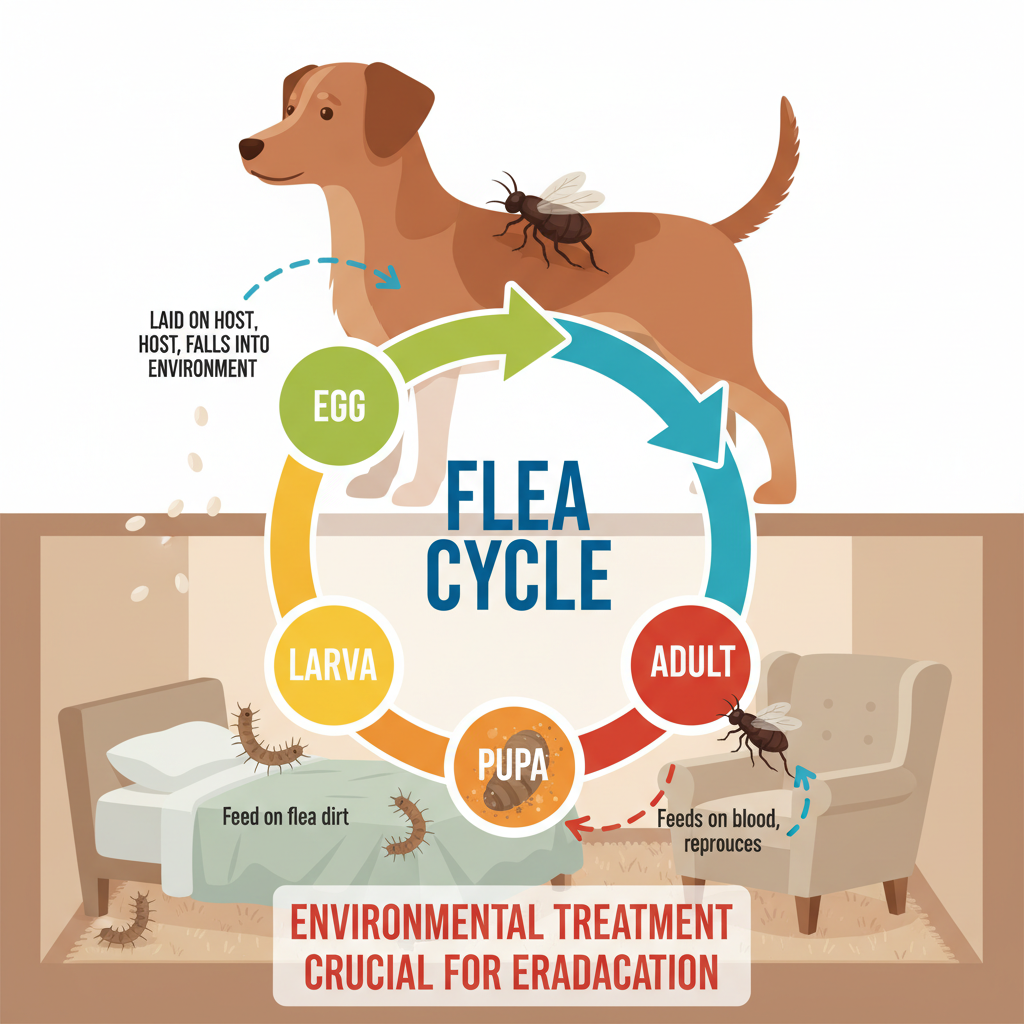
Treating your dog is only one aspect of successful flea eradication; it is equally vital to address the home environment to eliminate fleas at every life stage.
- Vacuum Frequently and Thoroughly: Regular vacuuming of carpets, rugs, upholstery, and floor crevices is crucial for removing fleas, their eggs, larvae, and pupae. Immediately dispose of the vacuum bag outdoors to prevent re-infestation.
- Wash Pet Bedding and Linens: All pet bedding, blankets, and even your own linens should be washed in hot water and dried on the highest heat setting to kill fleas and their eggs.
- Steam Clean Carpets and Upholstery: Steam cleaning effectively kills fleas across all life stages, from eggs to adults, deeply embedded in fabrics.
- Utilize Insect Growth Regulators (IGRs): Products containing IGRs like methoprene or pyriproxyfen interrupt the flea life cycle by preventing eggs and larvae from maturing into adult fleas. These are available in sprays or foggers for household application.
- Consider Professional Pest Control: For particularly severe or persistent infestations, engaging a professional pest control service is often the most effective solution.
Proactive Flea Prevention Strategies for Dogs
When it comes to fleas, prevention consistently outperforms treatment. Establishing a proactive prevention routine is key to keeping your dog flea-free. Here's how to prevent fleas on dogs:
- Year-Round Prevention is Key: Implement a veterinarian-recommended flea preventive product consistently throughout the entire year, even during colder months. Fleas can readily survive and reproduce indoors, irrespective of external temperatures.
- Maintain a Pristine Home Environment: Regularly vacuuming and washing pet bedding are fundamental practices to minimize the risk of flea harborage.
- Diligent Yard Maintenance: Keep your outdoor spaces tidy by routinely mowing the lawn, trimming bushes, and clearing away leaf litter. These efforts reduce the shaded, moist environments where fleas thrive.
- Protect All Pets in the Household: If you have multiple pets, ensure every animal is on a consistent flea preventive program, as fleas can easily spread from one host to another.
- Consult Your Trusted Veterinarian: Your veterinarian is the best resource for recommending the most suitable flea prevention strategy for your dog, factoring in their lifestyle, health status, and the prevalence of fleas in your local area.
By conscientiously following these guidelines, you can effectively prevent and manage flea infestations, ensuring your cherished canine companion remains happy, healthy, and free from these irksome parasites.
Knowing When to Consult Your Veterinarian About Fleas
While a range of effective flea treatment for dogs options are available over the counter, it is always prudent to consult your veterinarian if you suspect your dog has fleas. Professional guidance ensures the most appropriate and safe course of action.
Your veterinary professional at Petscarelab can provide invaluable assistance by:
- Confirming the Diagnosis: Accurately determining that the issue is indeed a flea infestation, ruling out other potential skin conditions that may present similar symptoms.
- Recommending the Optimal Treatment: Guiding you toward the most appropriate and effective flea preventive for your dog, tailored to their age, weight, overall health, and local flea resistance patterns.
- Addressing Secondary Health Issues: Treating any secondary skin infections, allergic reactions, or other complications that may have arisen as a result of flea bites.
- Developing a Comprehensive Prevention Plan: Collaborating with you to create a personalized, long-term flea prevention strategy specifically designed to meet your dog’s unique needs and lifestyle.
Essential FAQs on Flea Treatment for Dogs
Here are some frequently asked questions regarding flea treatment for dogs:
Can I use household dish soap, like Dawn, for fleas on my dog?
While some dish soaps, like Dawn, can physically kill fleas on contact by disrupting their exoskeletons, they are not a long-term or recommended solution. Using dish soap can be incredibly drying and irritating to your dog’s skin, potentially causing more harm than good. For immediate relief, it's best to use a flea shampoo specifically formulated for dogs, always followed by a veterinarian-recommended, long-lasting flea preventive.
How long does it take for fleas to completely disappear?
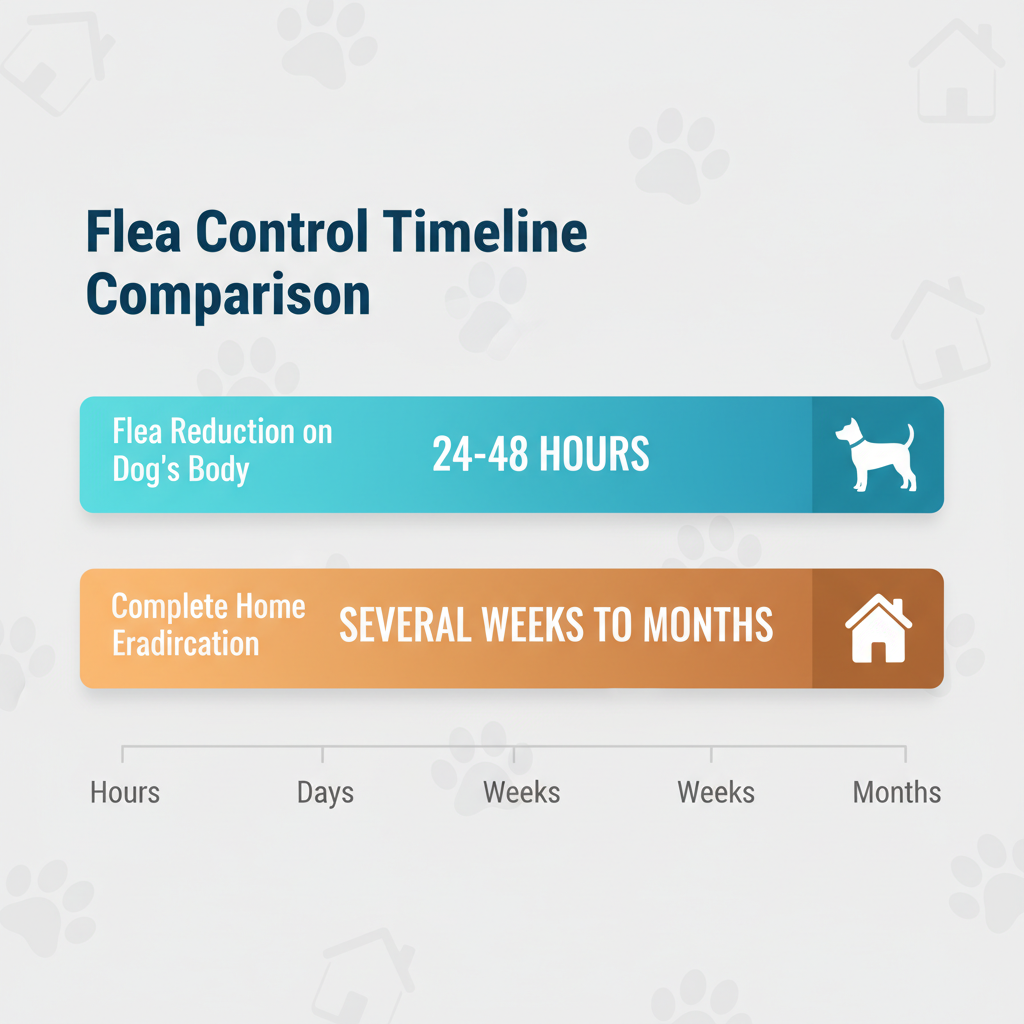
With appropriate and consistent treatment for your dog, you should observe a significant reduction in fleas on their body within 24-48 hours. However, completely eradicating a flea infestation from your entire home environment can be a much longer process, potentially taking several weeks to even months. This extended timeline is due to the need to break the full flea life cycle, which includes eggs, larvae, and pupae hidden in your surroundings. Consistent environmental treatment (e.g., vacuuming, washing bedding) combined with ongoing pet treatment is absolutely essential for complete eradication.
Do fleas lay their eggs on furniture or only on my dog?
Adult female fleas do lay their eggs on the host animal (your dog), but these eggs are not sticky and rapidly fall off into the surrounding environment. This means that flea eggs are commonly found on carpets, furniture, bedding, and other surfaces throughout your home, where they will eventually hatch and continue the flea life cycle.
Do essential oils effectively repel fleas on dogs?
While some essential oils, such as cedarwood, lavender, and eucalyptus, are often mentioned as natural flea repellents, their effectiveness is generally limited, and many are not safe for direct application to dogs. Certain essential oils can be toxic to pets if ingested or absorbed through the skin. It is crucial to always consult your veterinarian before considering any essential oils for or around your pet. For proven safety and efficacy in flea prevention, always opt for veterinarian-approved products.
What is the fastest way to get rid of fleas on a dog?
The quickest way to achieve rapid flea elimination on your dog is typically through an oral medication designed for fast action, often starting to kill fleas within 30 minutes. For comprehensive, ongoing prevention and effective flea treatment for dogs, the most effective approach involves a combination of veterinarian-prescribed oral or topical flea preventives coupled with diligent environmental treatment, including regular vacuuming and washing of pet bedding.