Can I Reapply Flea Treatment Early?
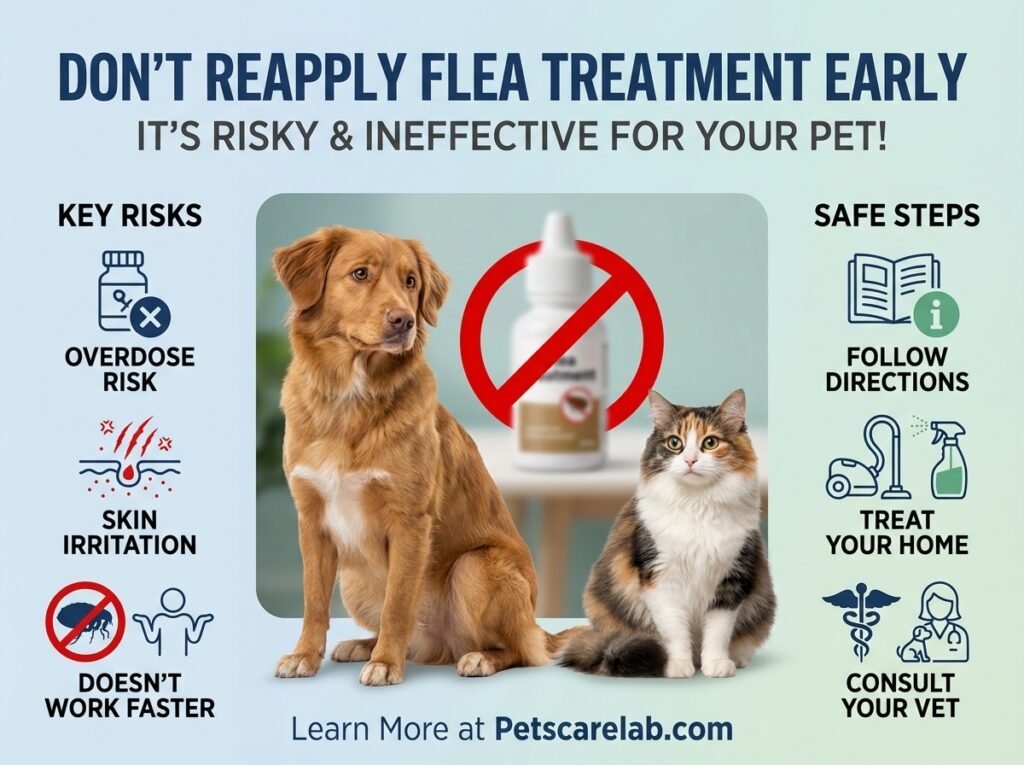
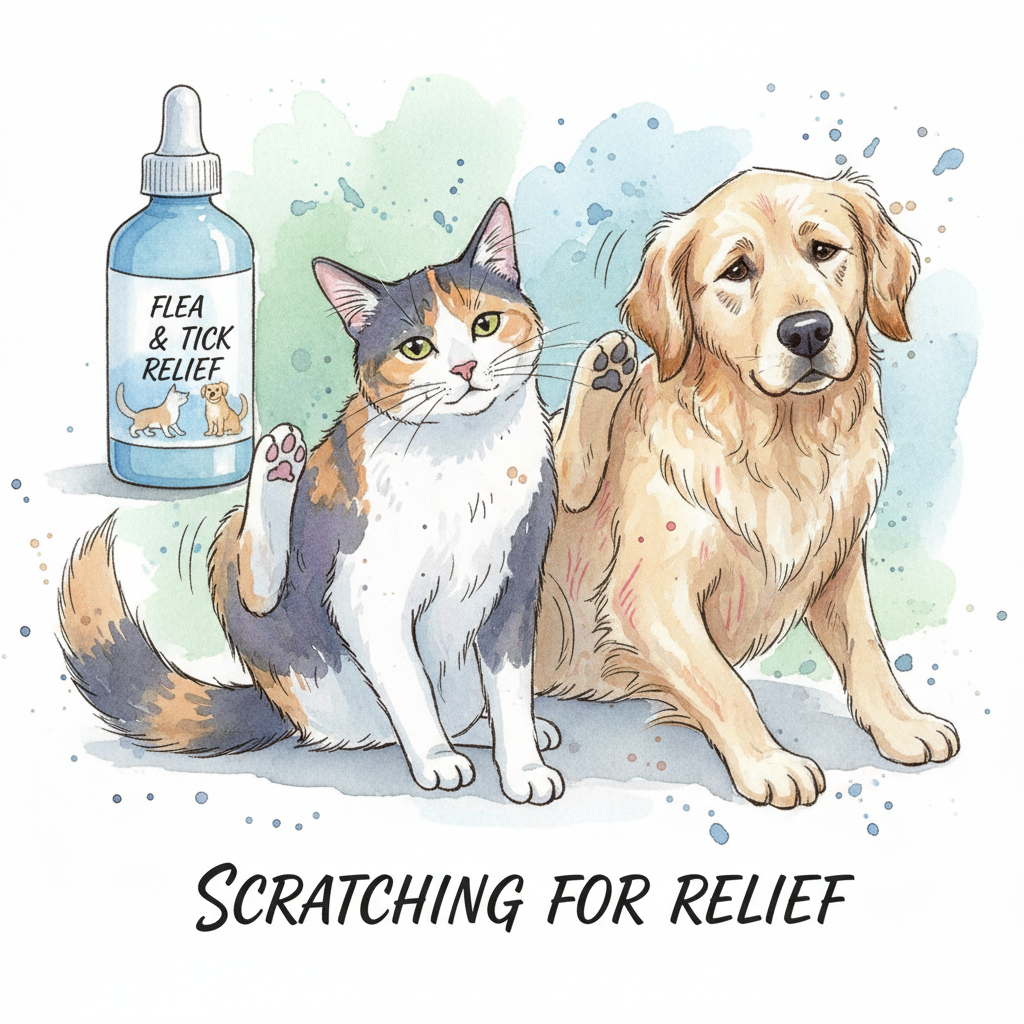
When you spot your pet scratching like crazy, it's completely natural to want to fix the problem ASAP. You might even eye that flea treatment bottle you just used and wonder, "Can I actually reapply flea treatment early to make these pesky bugs disappear faster?" While it’s super tempting to give your furry friend another dose right away, our team at Petscarelab advises against trying to reapply flea treatment early. Doing so can be risky and even dangerous for your pet.
Why You Shouldn't Reapply Flea Treatment Early
Flea treatments, whether they're drops you put on the skin (like those familiar spot-ons) or a pill your pet swallows, are carefully designed with precise amounts and clear directions for a reason. Here's why doubling up or reapplying too soon isn't safe:
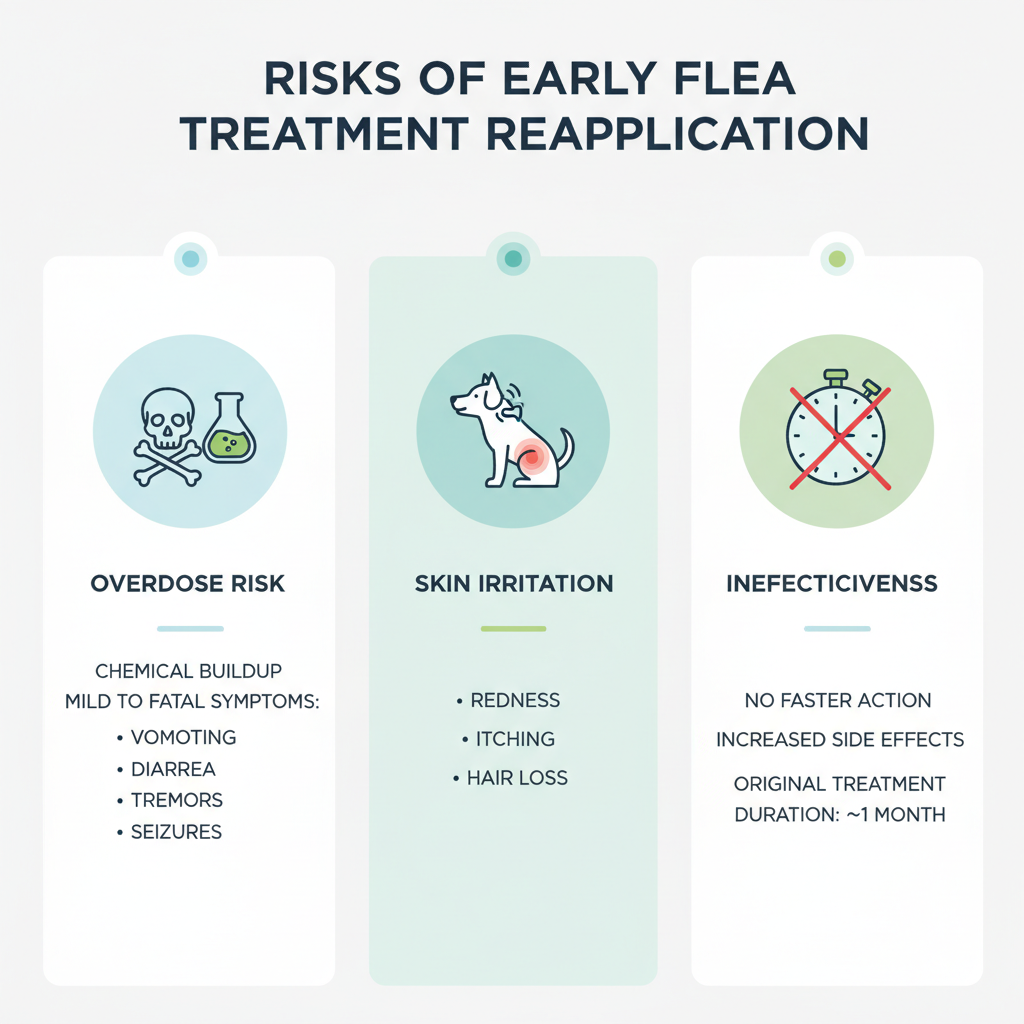
- Risk of Overdosing: Flea medications contain powerful ingredients like insecticides or insect growth regulators. If you apply them too often, these chemicals can build up in your pet's body, potentially leading to an overdose.
- Bad Reactions: An overdose can trigger a whole range of unwelcome symptoms. You might see mild signs like throwing up, diarrhea, or being unusually tired. But it can also cause much more serious issues, including tremors, seizures, and in very severe cases, even be fatal.
- Skin Irritation: For topical treatments, putting them on too frequently can irritate your pet's skin. You might notice redness, itching, or even some hair loss right where you applied the product.
- Doesn't Work Better: Giving an extra dose doesn't make the treatment work faster or more effectively. Instead, it just cranks up the risk of side effects. Most treatments are designed to keep working for a specific period—often a full month—so they've got your pet covered.
What to Do If You See Fleas After Treatment
If you've given your pet a flea treatment and you're still spotting those tiny invaders, don't panic. It doesn't necessarily mean the treatment failed. Here are a few common reasons this happens:
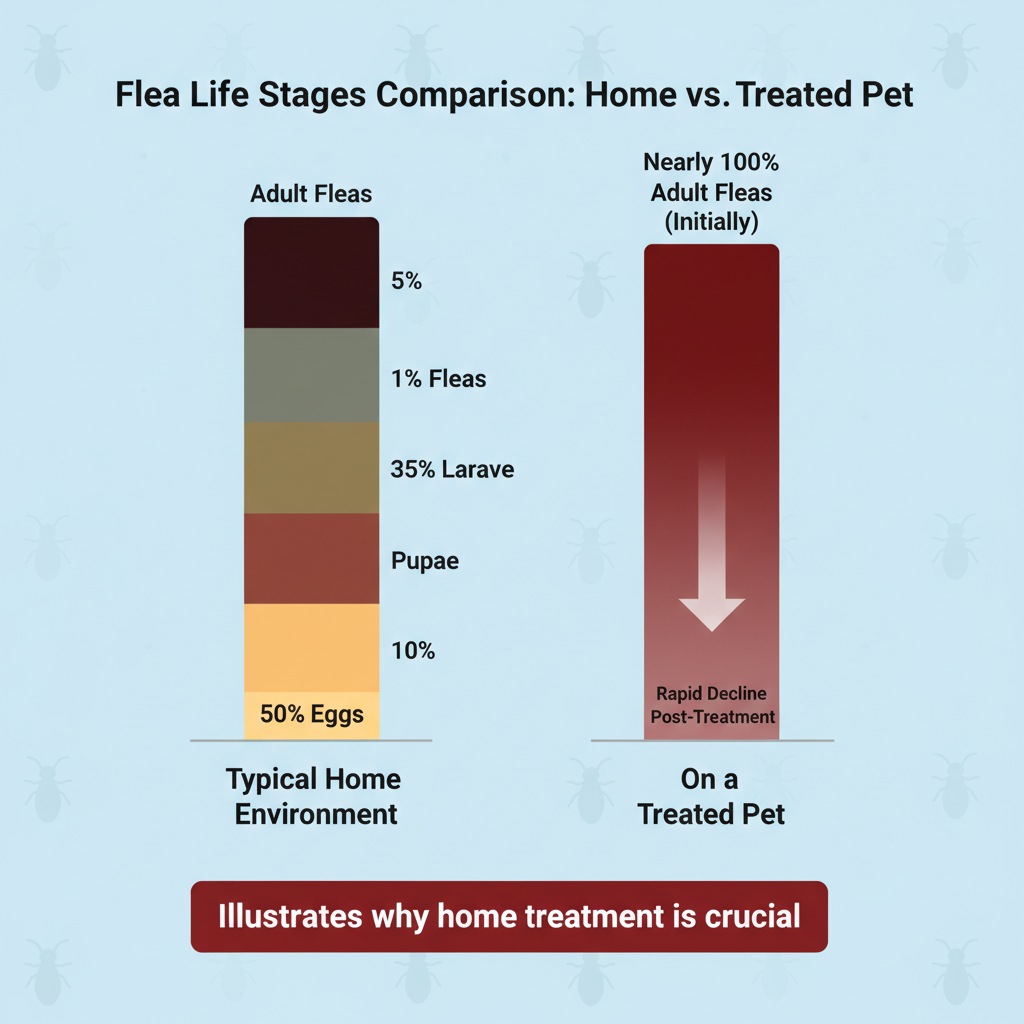
- The Flea Life Cycle: Flea treatments are great at killing adult fleas living on your pet. But fleas have a sneaky life cycle that includes eggs, larvae, and pupae, which often hide out in your home and aren't affected by the treatment on your pet. It takes time for these new fleas to hatch, jump onto your dog or cat, and then get killed by the medication. This can make it feel like the treatment isn't doing its job.
- Home Infestation: Most of the flea problem (the vast majority of it!) actually lives in your home environment—think carpets, pet bedding, and furniture—not directly on your pet. If you don't treat your home, new fleas will keep emerging and jumping onto your beloved companion.
- Wrong Application: Make sure you applied the treatment exactly as the instructions said. If it's a topical treatment, you need to get it directly onto the skin, not just on the fur. Also, check that your pet didn't manage to lick it off before it dried.
- Resistance (Rare): It's uncommon, but sometimes flea populations can develop a resistance to certain key ingredients over time. If you've used the same product for years and it suddenly stops working well, chat with your vet about trying a different kind of treatment.
- Incorrect Dose: Using a product meant for a smaller pet than yours can mean they're not getting enough medication, which makes it less effective. Always double-check that you're using the right dose for your pet's current weight.
How to Treat Fleas Safely
If you're still seeing fleas after treatment, focus on tackling the problem from all angles rather than reaching for another early dose.
- Read Directions Carefully: Always, always follow the product's instructions for how much to use and how long to wait between applications.
- Clean Your Home Thoroughly: Vacuum often, especially in places where your pet hangs out. Wash all pet bedding, blankets, and your own sheets in hot water. For a major infestation, consider a household flea spray recommended by pet experts or even calling a professional exterminator.
- Treat All Pets: If you have multiple pets, they all need flea treatment, even if only one is showing obvious signs of fleas. Fleas love to jump hosts!
- Give It Time to Work: Most flea treatments need at least 24-48 hours to start killing fleas. It can take several weeks to fully break the entire flea life cycle.
- Talk to Your Vet: If you're worried about how well your flea treatment is working, or if your pet has a really bad infestation or is showing any bad reactions, get in touch with your veterinarian. They can suggest the safest and most effective steps, which might include a different type of flea control, an oral medication, or a prescription-strength product. They can also check for other skin issues that might look like flea bites.
Final Thoughts
We know how much you want to get rid of fleas quickly, but when it comes to flea treatment, patience and sticking to the guidelines are key. Trying to reapply flea treatment early can put your pet at risk of serious health problems. Always put your pet's safety first by following instructions and consulting your vet if you have any worries.