Dogs That Can't Tolerate Cold: Your Guide to Keeping Pups Warm
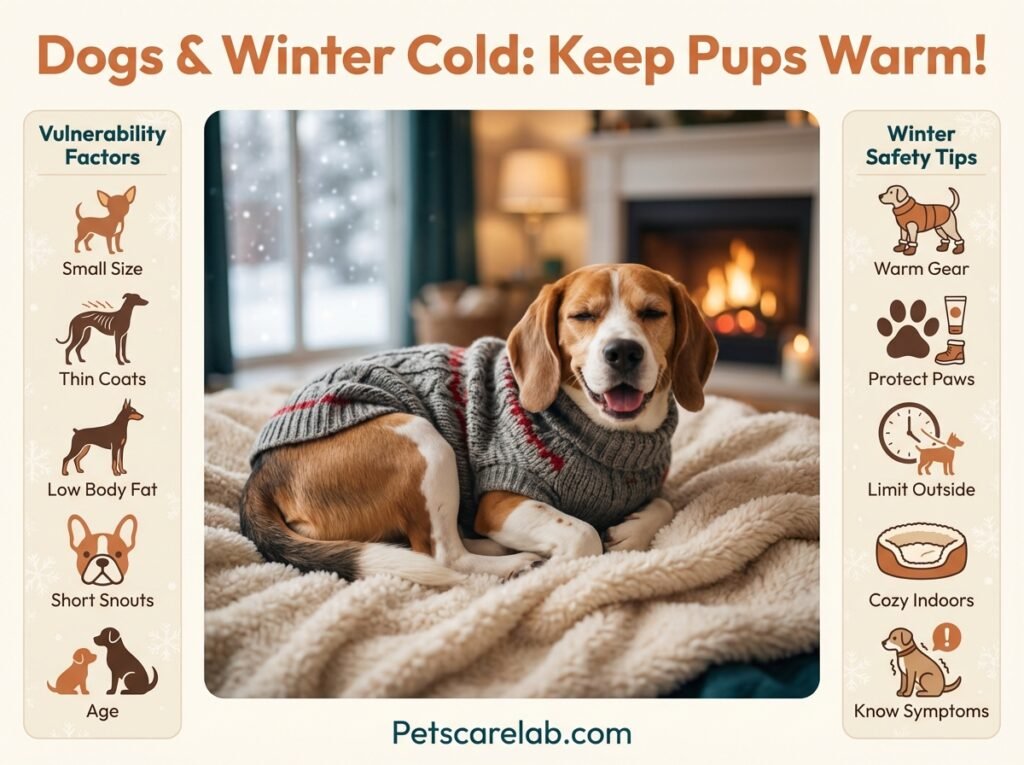
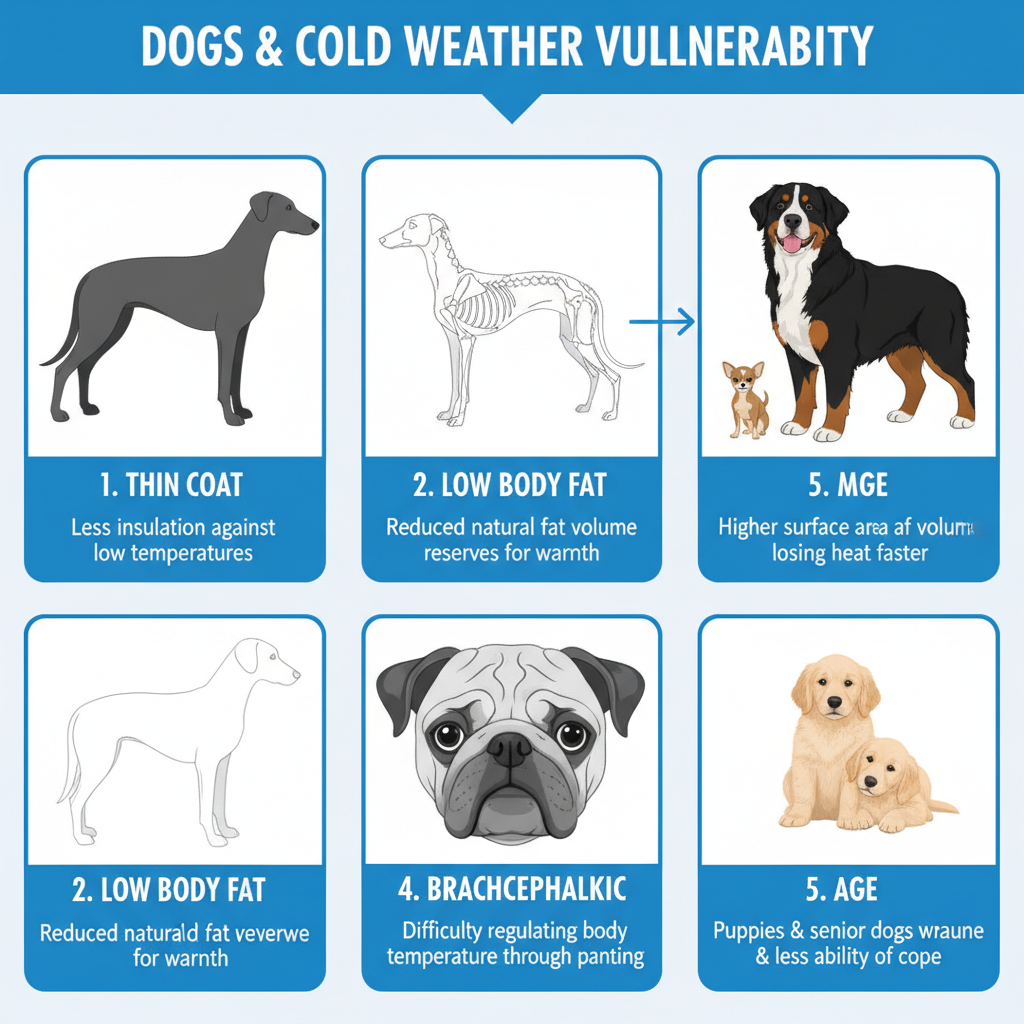
While some dogs absolutely revel in a snowy romp, many dogs that can't tolerate cold weather are vulnerable to winter's bite. It's not just about how tough a dog looks; things like their coat type, body fat, and even their size play a huge part in how well they handle chilly temperatures. Understanding this is key to keeping your best friend safe and cozy when the mercury drops.
Hypothermia and frostbite are real dangers for pups in cold weather. So, how can you tell if your dog is struggling, and what can you do to help? Our team at Petscarelab has put together a list of breeds that often shiver at the thought of winter, along with practical tips to keep them safe and warm.
Dog Breeds That Just Can't Tolerant Cold
Many pups just aren't built for winter weather. Here's a look at some of the breeds that tend to struggle when the temperatures drop.
Greyhounds and Other Sighthounds
Greyhounds, Whippets, and their sighthound cousins just aren't made for chilly days. These graceful pups have incredibly little body fat and super thin coats. On top of that, their long, lean legs are constantly pushing through snow or ice, making them shiver even faster. Don't let their athletic build fool you; they need a warm place indoors.
Pit Bulls
Many folks think Pit Bulls are super tough, but when it comes to chilly weather, they're surprisingly vulnerable. They sport a short, single coat and don't carry much insulating body fat. Pit Bulls can get cold really quickly, so you'll need to keep them warm and protected.
Chihuahuas and Other Small Dogs
Tiny dogs like Chihuahuas, Miniature Pinschers, and Toy Poodles have a much harder time holding onto their body heat. Their small size means they lose warmth faster than bigger dogs. A little Chihuahua out in the snow can go from happy to hypothermic in minutes.
Doberman Pinschers
Doberman Pinschers have sleek, short coats and very little body fat to protect them. This combination leaves them highly susceptible to cold weather. Plan on keeping them bundled up and indoors during the colder months.
Beagles
Your fun-loving Beagle has a short coat that just isn't cut out for cold weather. It's never a good idea to leave them outside for long stretches when temperatures are low; they'll get cold faster than you think.
Dalmatians
Those striking spots come on a short, thin coat that offers minimal protection from the cold. Dalmatians have very little body fat, making them particularly vulnerable to low temperatures.
Boxers
Boxers are energetic and playful, but their short, close-lying fur isn't much help when the temperature drops. They don't have a lot of body fat either, so they're another breed that struggles with the cold.
French Bulldogs and Other Short-Snouted Breeds
French Bulldogs, Pugs, and Boston Terriers, with their unique short snouts (called brachycephalic), can have a tough time in cold weather. Their airways are already a bit squished, and cold, dry air can make breathing even harder for them. It also makes it tough for their bodies to warm up efficiently, leaving them susceptible to temperature drops.
Pointers and Other Short-Haired Hunting Dogs
Pointers, Weimaraners, and other hunting dogs with short hair aren't built for chilly weather. Their short coats and lean builds mean they have very little natural insulation, leaving them vulnerable to the cold.
Dogs With Thin Coats
Any dog breed with a super thin coat, like the Chinese Crested or Xoloitzcuintli, is at a huge disadvantage in cold weather. These pups have hardly any protection from the elements and can get dangerously cold in a flash.
Senior Dogs
Older pups of any breed are generally more sensitive to the cold. As dogs age, their metabolism often slows down, making it tougher for their bodies to generate and keep heat. They usually lose some of that puppy fat, too, which was a natural insulator, making them more prone to hypothermia.
Puppies
Little puppies haven't grown their full adult coats yet, and they're usually pretty lean, without much protective fat. That means they can get dangerously cold in a flash and are much more susceptible to hypothermia than adult dogs.
Tips for Keeping Your Dog Warm in Cold Weather
No matter what breed your dog is, you can always take steps to keep them safe and toasty when it's cold outside.
Never Leave Your Dog Outside Unattended
Even if you have a dog that loves snow, leaving them outside alone in the cold is a huge risk. Temperatures can drop unexpectedly, or they might get stuck or injured, quickly leading to hypothermia or frostbite. Always supervise their outdoor time.
Provide a Warm, Dry Sleeping Spot
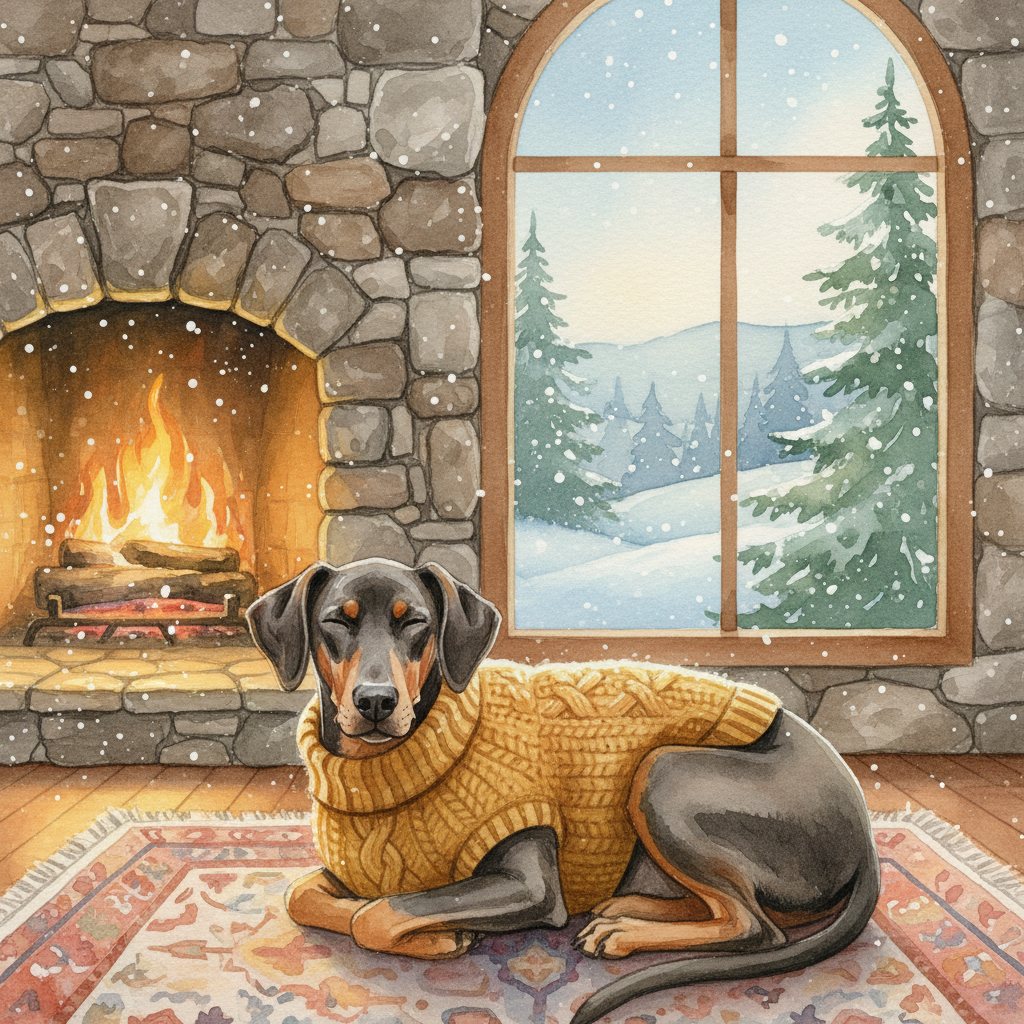
Imagine sleeping on a cold floor – your pup needs a cozy retreat indoors. Make sure they have a comfy dog bed with plenty of warm blankets, or a crate with soft, insulating bedding to snuggle into.
Dress Your Dog in a Sweater or Coat
If your dog is one of those breeds that just shivers at the thought of winter, a sweater or coat isn't just a fashion statement—it's essential. This extra layer will help them stay warm and protected from the biting wind and cold.
Limit Time Outdoors
Keep walks short and potty breaks quick when the temperature really drops, especially if your dog is prone to getting cold. Your furry friend will be much happier and safer warming up inside.
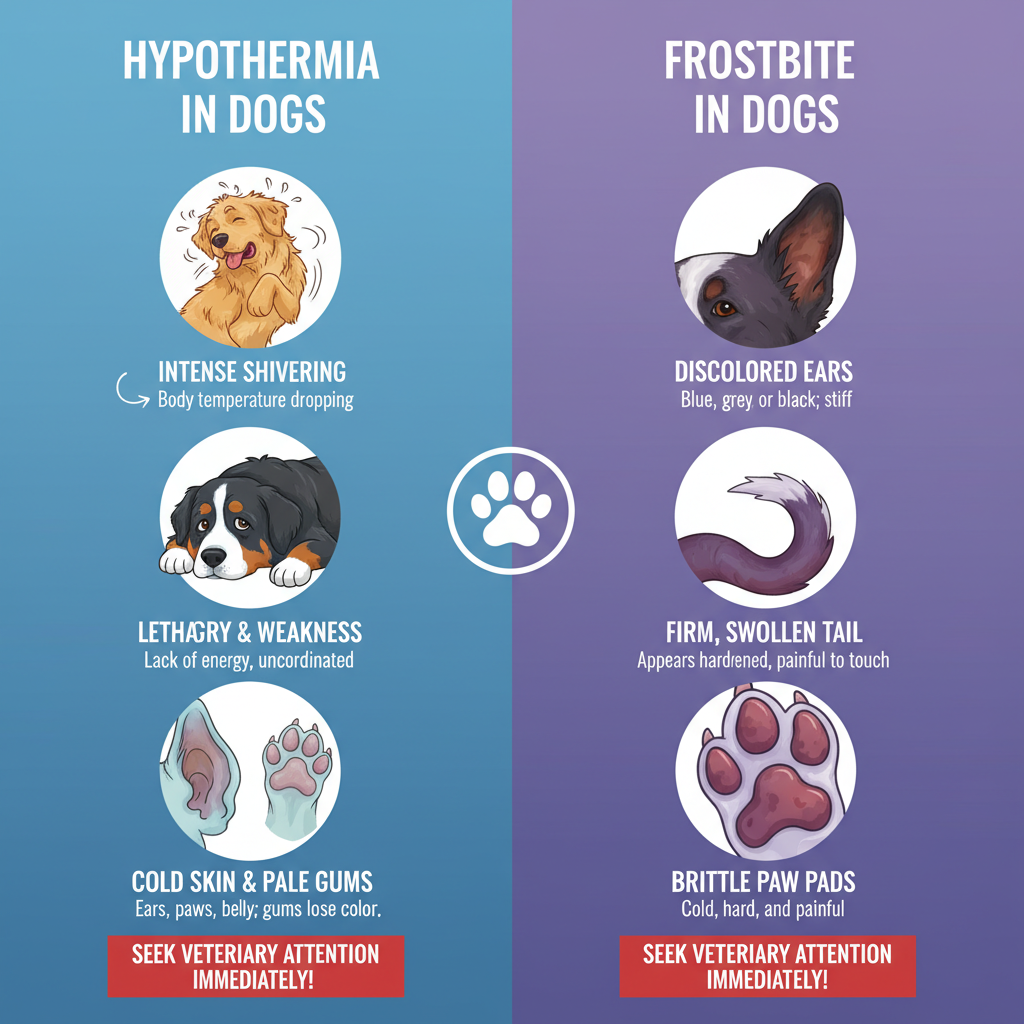
Recognize Signs of Hypothermia and Frostbite
You've got to be aware of the warning signs. Watch for shivering, lethargy, cold skin, or pale gums. If you spot these, get to the vet immediately. Hypothermia happens when a dog's body temperature drops too low, and frostbite occurs when tissue freezes, which can cause permanent damage.
Offer Plenty of Food and Water
Just like we crave warm, hearty meals when it's cold, your dog's body works harder to stay warm, burning extra calories. Make sure they have a consistent supply of fresh water and consider increasing their food intake slightly during the colder months to keep their energy up.
Protect Their Paws
Snow, ice, and especially de-icing salts can really wreak havoc on paw pads, leading to painful cracks and irritation. Use dog boots for walks or apply a protective paw balm before heading outside to keep their paws happy and healthy.
Encourage Activity
Keeping your dog active, even indoors, helps them generate natural body heat. Play indoor games or take them for short, brisk walks to keep their blood flowing and prevent stiffness or soreness.
Keeping your dog safe and comfortable in cold weather is a big part of being a responsible pet parent. By following these practical tips, you can help your furry friend enjoy the winter season without getting a chill.