Your Dog Is Throwing Up Blood: What Every Pet Parent Needs to Know
Few things are scarier than seeing your beloved dog suddenly throwing up blood. It's a jarring sight that immediately sends chills down any pet parent's spine, and for good reason. Whether it’s just a little streak or a significant amount, blood in your pup's vomit can signal a serious underlying health issue that needs immediate attention. Our team at Petscarelab wants you to know what might be going on and, most importantly, what to do next.
Why Is Your Dog Throwing Up Blood?
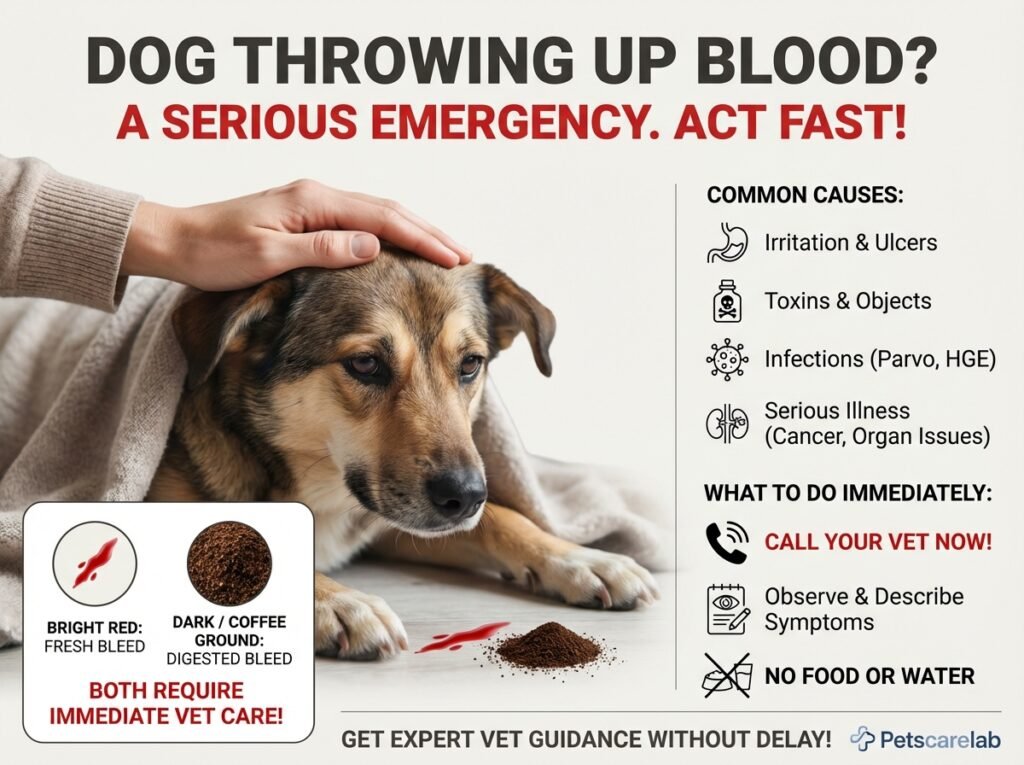
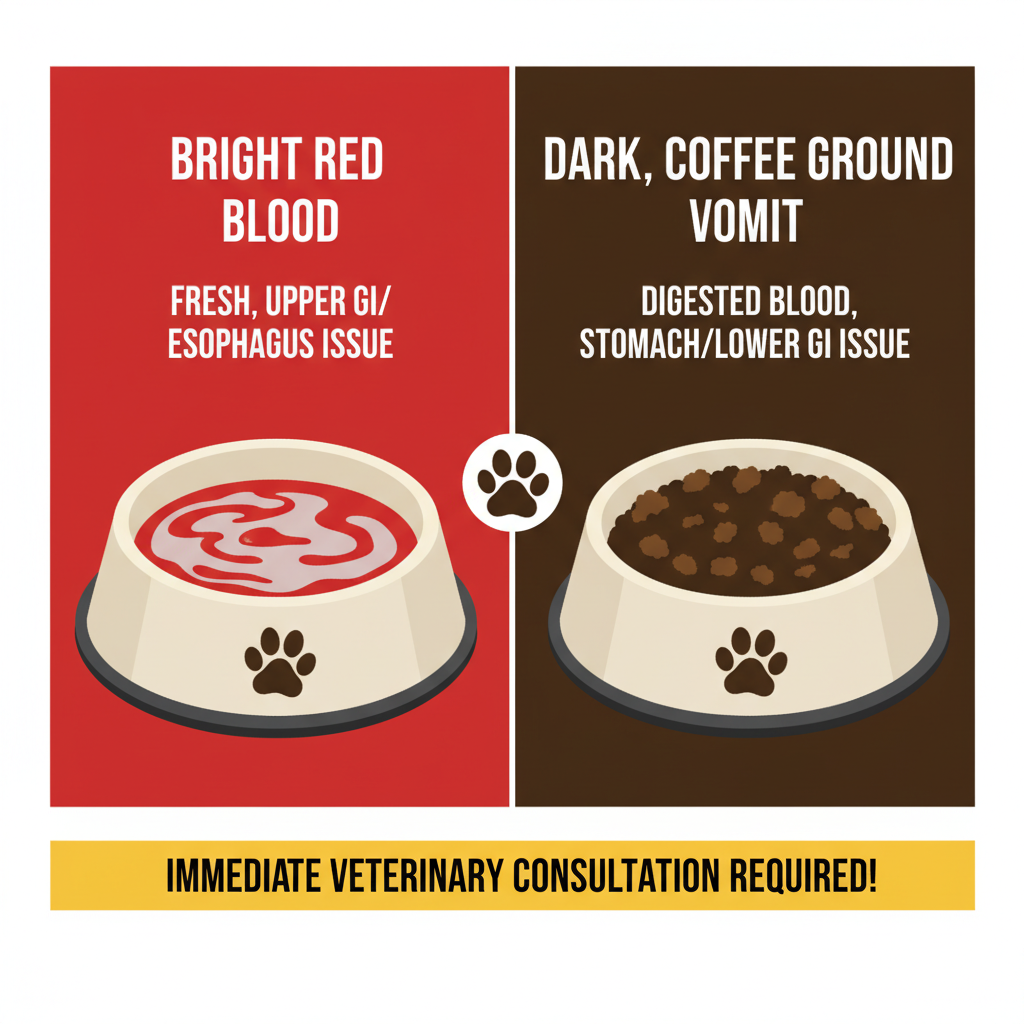
When your dog vomits blood, vets call it "hematemesis." The blood might look bright red, which means it’s fresh, or it could be dark and chunky, like coffee grounds, suggesting it’s already been digested. No matter how it looks, if you see blood in your dog's vomit, you need to call your vet right away. The causes can range from something relatively minor to life-threatening emergencies.
Here are some of the common reasons a dog might throw up blood:
Tummy Troubles: Irritation and Inflammation
Sometimes, even a little irritation in your dog’s stomach or esophagus (the tube leading to the stomach) can cause some bleeding. This can happen if your dog:
- Ate something bad: Maybe they got into the garbage, snagged some rich human food, or munched on a toxic plant.
- Ate too fast: Some dogs get so excited to eat that they gobble their food, which can lead to vomiting.
- Has allergies or sensitivities: Just like people, dogs can react poorly to certain ingredients in their food.
- Is super stressed: Anxiety can really mess with a dog's digestive system.
Painful Stomach Ulcers
Stomach ulcers are open sores that form on the lining of the stomach or small intestine. These can be incredibly painful and are a common reason a dog throwing up blood. They might be caused by:
- Pain relievers: Certain medications, especially NSAIDs (like carprofen or meloxicam), can cause ulcers if given for too long or in the wrong dose. You should never give your dog human ibuprofen or similar drugs without a vet's specific instruction!
- Steroids: Medications like prednisone can also lead to ulcers.
- Major stress: Extreme stress can sometimes contribute to ulcers forming.
- Other health problems: Kidney disease, liver disease, or inflammatory bowel disease (IBD) can make a dog more prone to ulcers.
- Bacterial infections: A bacteria called Helicobacter can sometimes play a role in stomach inflammation and ulcers.
Swallowing Something Nasty: Toxins or Sharp Objects
If your pup ate something toxic or a sharp object, it could cause serious damage and bleeding:
- Poisons: Things like rat poison can cause dangerous internal bleeding. Some common plants can also be toxic.
- Foreign objects: Swallowing sharp stuff like bones, sticks, or certain toys can tear up the esophagus or stomach lining, leading to bleeding.
Infections Wreaking Havoc
Bacterial, viral, or parasitic infections can cause severe inflammation and bleeding in your dog's digestive tract:
- Parvovirus: This is a nasty, highly contagious virus that causes severe vomiting (often with blood), bloody diarrhea, and extreme lethargy, especially in puppies.
- Bacterial infections: Certain bacteria, like Clostridium or Salmonella, can lead to bloody inflammation of the stomach and intestines.
- Parasites: A heavy infestation of worms (like hookworms or roundworms) or tiny organisms (like Giardia or Coccidia) can irritate the gut and cause bleeding.
Hemorrhagic Gastroenteritis (HGE)
HGE is a serious condition where your dog suddenly starts vomiting profusely (often with blood) and has severe bloody diarrhea. It comes on fast, and we often don't know the exact cause. It might be linked to eating something they shouldn't, stress, or an overactive immune response. HGE causes rapid fluid loss and can be deadly if not treated quickly.
Cancerous Growths
Tumors in the stomach or intestines can bleed, leading to blood in the vomit. This is more common in older dogs. Some cancers that can cause this include:
- Lymphoma: A common cancer that can affect the digestive system.
- Adenocarcinoma: A malignant tumor often found in the stomach or intestines.
Blood Clotting Problems
If your dog's blood can't clot properly, it can lead to bleeding throughout the body, including the digestive system.
- Low platelets: A low platelet count (thrombocytopenia) can be due to immune system problems, tick-borne diseases, or certain medications.
- Clotting factor issues: These can be inherited (like hemophilia) or caused by liver disease or even rat poison.
Trauma or Injury
A severe accident, like getting hit by a car, can sometimes cause internal injuries that lead to your dog throwing up blood.
Organ Disease
Advanced kidney or liver disease can lead to stomach ulcers or problems with blood clotting, resulting in blood in your pup's vomit.
Esophagus Problems
Issues with the esophagus (the tube connecting the mouth to the stomach) can also cause bleeding:
- Esophagitis: This is inflammation of the esophagus, often from acid reflux or ingesting something caustic.
- Esophageal tears: Rarely, very severe vomiting can cause a small tear in the esophageal lining.
Your Dog Is Throwing Up Blood: Here's What to Do
If your dog is throwing up blood, it's a true emergency. You need to call your family vet immediately. If it's after hours, head straight to the nearest emergency animal hospital. While you're waiting for advice or on your way, here’s what you can do:
- Stay calm: Your dog needs you to be their rock. Panicking won’t help either of you.
- Watch closely: Note the color and amount of blood. How often is your dog vomiting? Are they showing any other symptoms like diarrhea, lethargy, pain, pale gums, weakness, or collapse?
- Grab a sample (if you can): If it’s safe and possible, take a photo or collect a small amount of the vomit in a clean container to show the vet.
- No food or water: Don't offer your dog any food or water until you've spoken with your vet. Giving them something might just trigger more vomiting.
- Be ready to talk: Prepare to tell your vet everything you know: your dog's medical history, any medications they're on, recent diet changes, if they might have eaten anything unusual, or any recent injuries or exposure to toxins.
How Vets Figure Out and Treat Vomiting Blood in Dogs
When you arrive, your vet will give your dog a thorough physical exam and ask you detailed questions about what happened. They’ll likely run some diagnostic tests, which could include:
- Blood work: This checks for anemia, infection, platelet count, and how well their organs (kidneys, liver) are working.
- Urinalysis: To check kidney function and hydration.
- Fecal exam: To look for intestinal parasites.
- Coagulation profile: To see how well your dog's blood clots.
- Imaging: X-rays or an ultrasound of the abdomen can help spot foreign objects, tumors, inflammation, or organ issues.
- Endoscopy: Sometimes, a tiny camera goes down the esophagus into the stomach to look at the lining, find ulcers or tumors, and take samples.
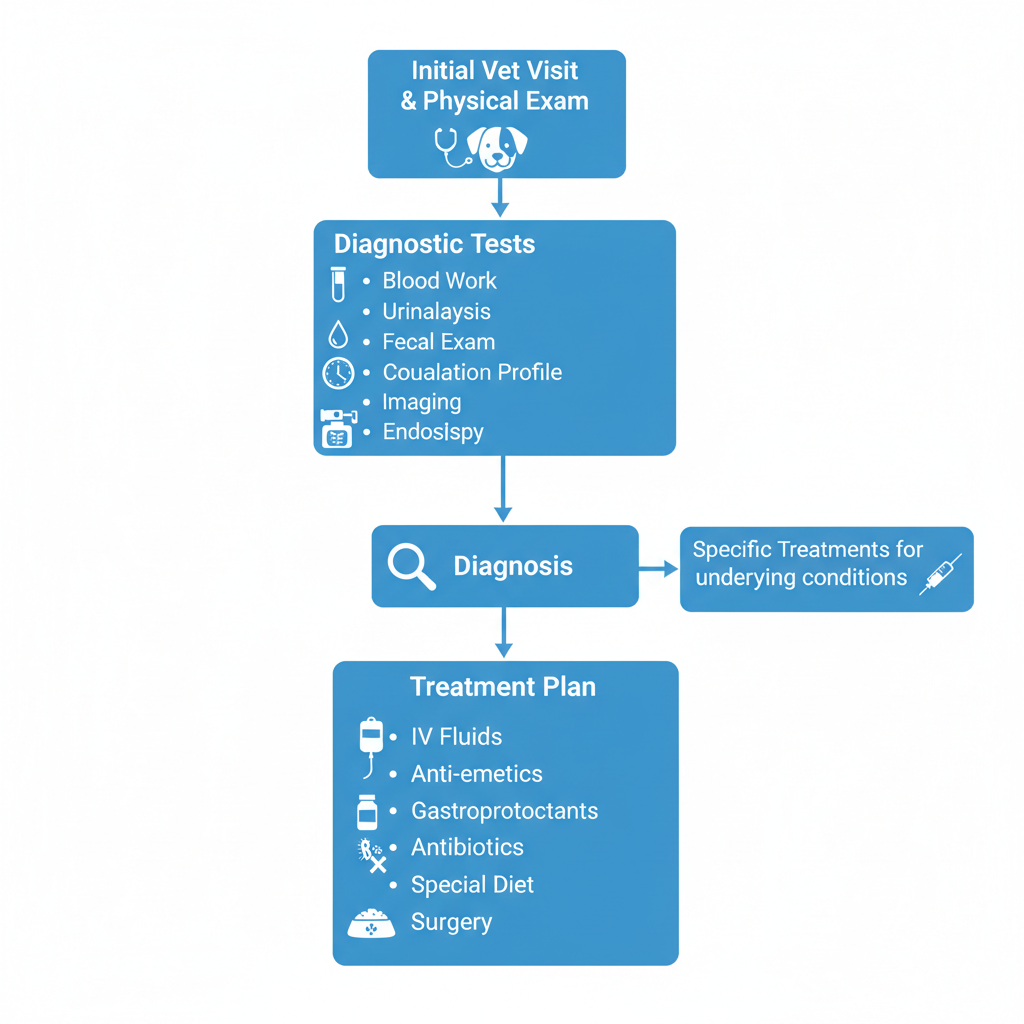
Treatment depends entirely on what’s causing the problem, but it might involve:
- IV fluids: Crucial for dehydration and electrolyte imbalances, especially with HGE.
- Anti-emetics: Medications to stop the vomiting.
- Gastroprotectants: Drugs to reduce stomach acid (like omeprazole or famotidine) and protect the stomach lining (like sucralfate).
- Antibiotics: If a bacterial infection is suspected or confirmed.
- Deworming medications: If parasites are found.
- Special diet: A bland diet for a few days can help their digestive system recover.
- Blood transfusion: For severe blood loss or clotting disorders.
- Surgery: If there’s a foreign object, a serious ulcer, or a tumor that needs removing.
- Specific treatments: For underlying conditions like kidney disease, liver disease, or cancer.
When to Rush to the Vet (No Delays!)
Always call your vet right away if your dog is throwing up blood, even if it's just a tiny bit. Get emergency veterinary care immediately if your dog has any of these additional symptoms:
- Lots of blood in their vomit.
- Vomit that looks like dark coffee grounds.
- Bloody diarrhea.
- Pale gums.
- Weakness or collapse.
- Severe lethargy (they're super tired and unresponsive).
- Signs of abdominal pain (hunched posture, sensitive to touch).
- Vomiting over and over again.
- Can't keep any water down.
- You know they ate a foreign object or something toxic.
Seeing your dog throwing up blood is a very serious symptom that demands quick veterinary attention. Getting a diagnosis and starting treatment early can make a huge difference in your dog's outcome and help prevent more severe problems.