```html
What Is Vomiting in Dogs?
Vomiting in dogs, medically known as emesis, is a forceful expulsion of stomach contents through the mouth, which can vary from partially digested food to watery fluids. Depending on the root cause, the vomit may appear as yellow bile, or contain traces of blood or mucus.
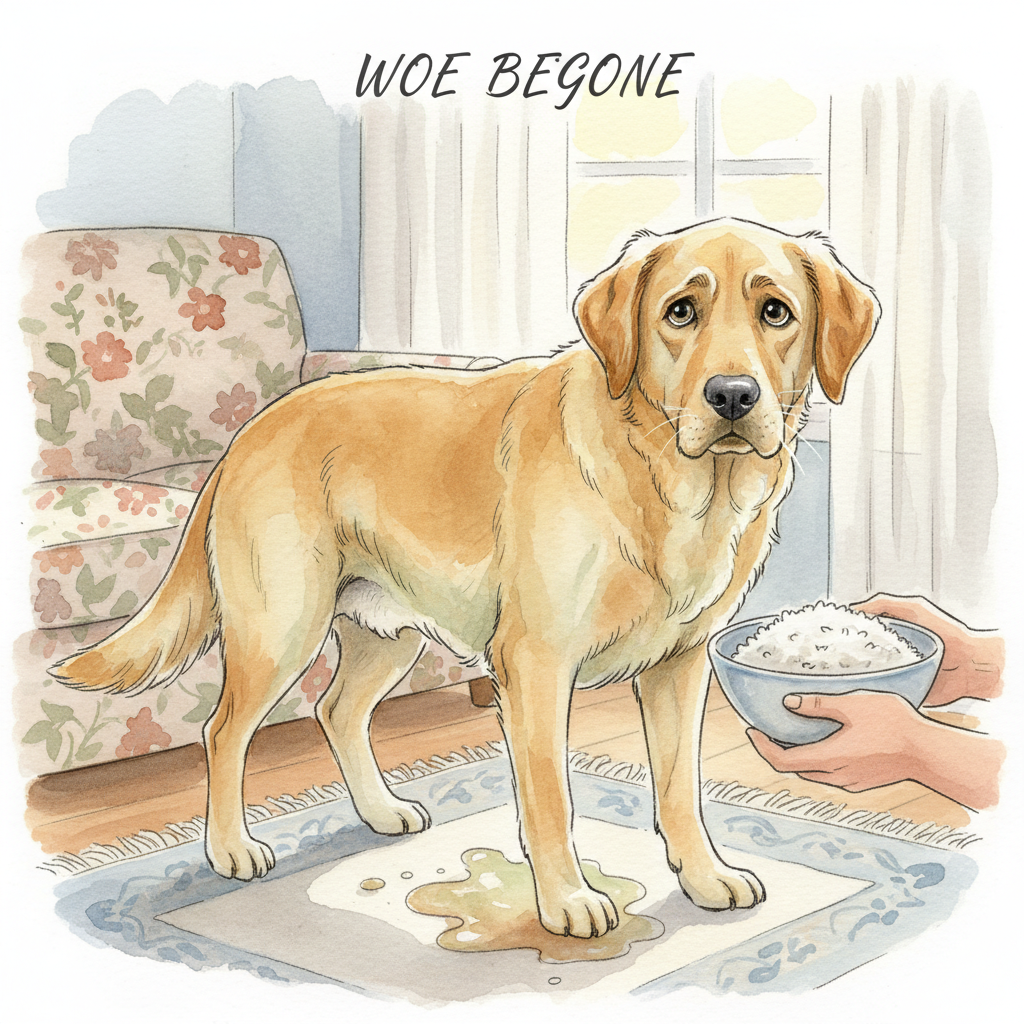
In more severe instances, dogs might even regurgitate intestinal contents or feces rather than passing them normally. Although vomiting feces is rare, it could signal your dog is ingesting fecal matter or suffering from a more serious issue like an intestinal blockage that requires urgent care.
Types of Vomit in Dogs
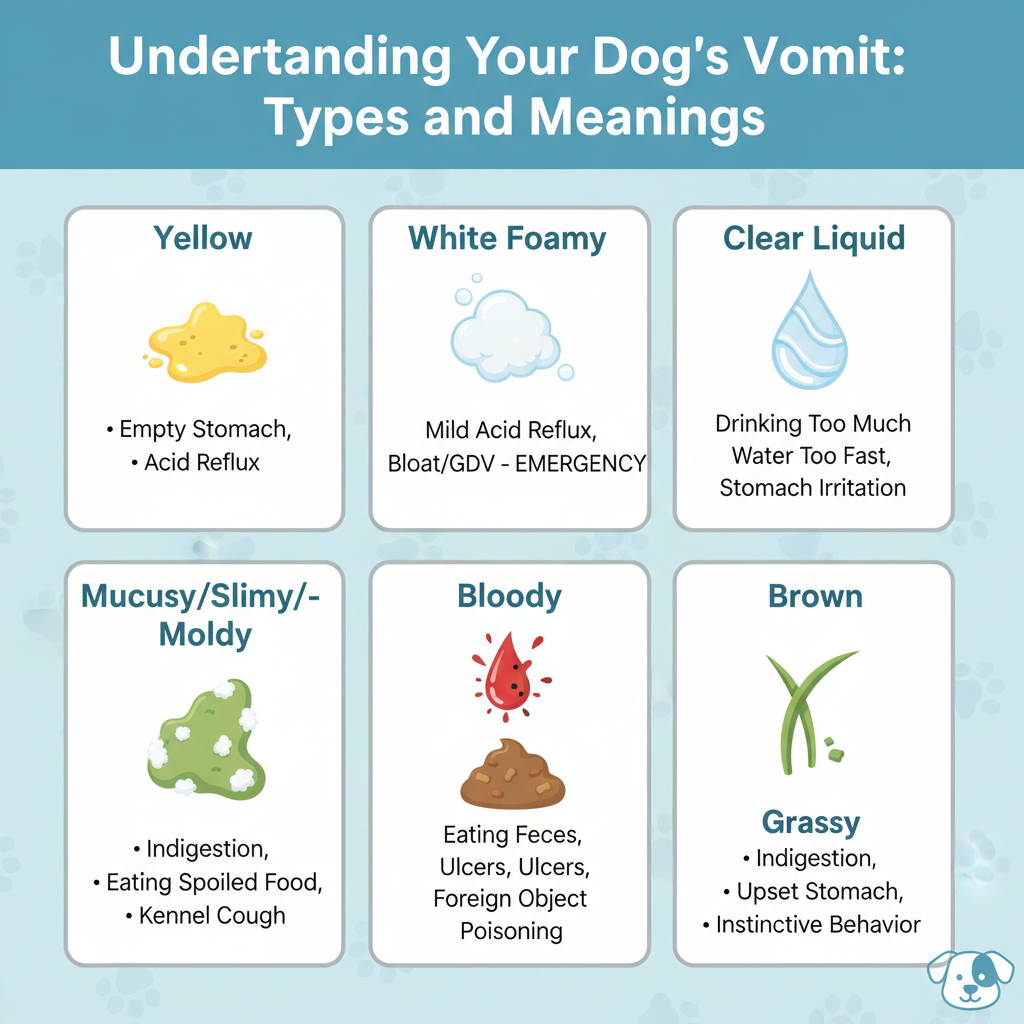
Here are some common types of vomit seen in dogs and what they might signify:
- Yellow Vomit – Yellow vomit typically happens on an empty stomach when a dog hasn’t eaten for some time. It might also appear after repeated vomiting episodes or because of acid reflux (GERD). If your dog is otherwise healthy and this happens only occasionally, a vet visit usually isn’t necessary.
- White, Foamy Vomit – White, foamy vomit can indicate mild acid reflux. Infrequent episodes generally don’t require immediate veterinary attention. However, if your dog repeatedly vomits foamy fluid without any solid content, or shows signs like a swollen abdomen or pain, it could be a sign of a dangerous condition such as bloat or gastric-dilatation-volvulus (GDV), which demands emergency veterinary care.
- Clear, Liquid Vomit – Sometimes, after drinking water too quickly causing the stomach to overexpand, dogs may vomit clear, slimy liquid. A single episode usually isn’t concerning, but if vomiting continues frequently or is severe, contacting your vet is advised.
- Mucusy, Slimy, or Moldy Vomit – If your dog vomits mucus, slime, or vomit with a moldy appearance, it might be due to parasites, eating spoiled food or garbage, or drinking contaminated water from sources like algae-filled lakes or puddles. These cases warrant prompt veterinary attention.
- Bloody Vomit – Vomiting blood is an urgent situation. If your dog shows this symptom, take them to the vet immediately. Collecting a small sample of the bloody vomit in a clean container can aid in diagnosis. Blood in vomit can appear bright red, jelly-like, or resemble coffee grounds, depending on where the bleeding occurs in the digestive system.
- Brown Vomit – Brown vomit might consist of digested kibble, fecal material, or digested blood from the lower intestines, sometimes resembling coffee grounds. If your dog produces this type of vomit, seek veterinary help without delay.
- Grassy Vomit – Many dogs eat grass when they feel unwell. A single episode of grassy vomit typically isn’t an emergency. Dogs might eat grass out of boredom, for added fiber, or simply because they enjoy it. However, excessive grass eating paired with foamy or bile-stained vomit may indicate an underlying health problem that requires a vet’s evaluation.
Symptoms of Vomiting in Dogs
Before vomiting occurs, you might notice signs such as:
- Persistent lip licking
- Excessive drooling
- A hunched posture
- Abdominal contractions
- Gagging or retching
My Dog Is Vomiting. What Should I Do?
One isolated bout of vomiting usually isn’t cause for panic. You can often manage it at home by withholding food for a few hours, then offering a bland diet alongside a high-quality probiotic supplement, like the kind recommended by Petscarelab, for several days.
Once vomiting subsides, start feeding small amounts of a gentle meal such as boiled chicken breast and plain rice. Monitor your dog closely for any recurrence of vomiting. Ensure fresh water is available, but provide only small quantities at a time or offer ice cubes in a shallow dish to promote slow hydration.
If your dog can comfortably eat small portions and drink water without vomiting for at least 24 hours, you can gradually transition back to their regular food by mixing it into the bland diet over the next day or two.
However, if vomiting continues, contains blood, or if you suspect your dog swallowed something toxic or a potential blockage, contact your veterinarian immediately. Rapid veterinary intervention is also crucial if your dog shows symptoms of bloat or GDV.
Causes of Vomiting in Dogs
Numerous factors can trigger vomiting in dogs, including:
- Pancreatitis
- Allergic reactions
- Dehydration
- Colitis
- Poison ingestion
- Kidney failure
- Intestinal parasites
- Bloat (gastric dilatation)
- Cancer
- Sudden changes in diet
Vomiting can affect dogs of any age or breed, but young puppies without vaccinations or senior dogs with weakened immune systems may face higher risks from contagious diseases.
How Veterinarians Diagnose Vomiting in Dogs
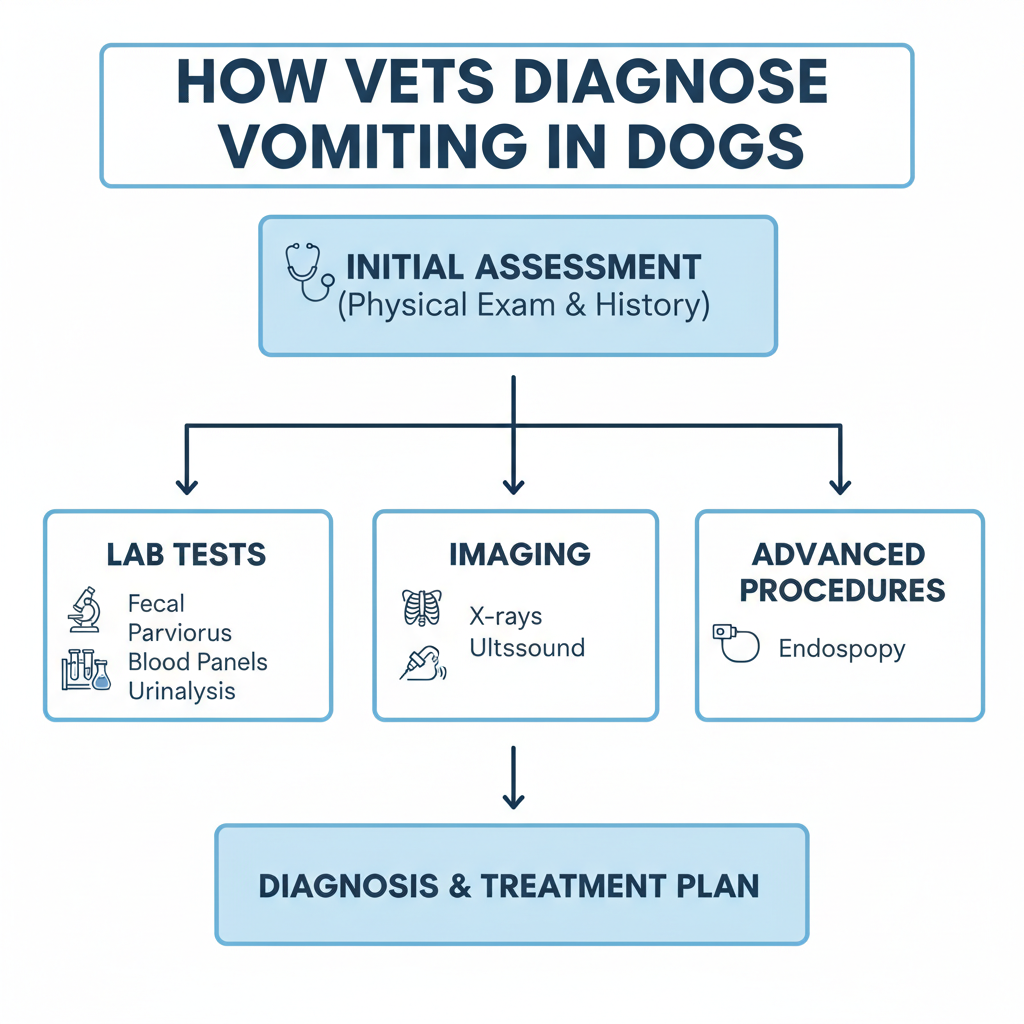
To accurately diagnose the cause of vomiting, your veterinarian will likely perform a combination of assessments, such as:
- Comprehensive physical examination
- Detailed medical history, including any potential ingestion of harmful items
- Fecal testing
- Parvovirus screening
- Blood panels
- Urinalysis
- X-rays to check for blockages or abnormalities
- Ultrasound imaging
- Endoscopy to inspect the stomach and intestines internally
Providing your vet with thorough information about your dog’s symptoms and behavior is vital for proper diagnosis.
Treatment of Vomiting in Dogs
Effective treatment for vomiting varies by cause but may include:
- Medications – Anti-nausea drugs like metoclopramide (if no blockage is present), maropitant (Cerenia), ondansetron, or dolasetron. To protect the stomach lining from ulcers, drugs such as sucralfate, famotidine, and omeprazole may be given.
- Fluid therapy – To rehydrate your dog if dehydration has occurred.
- Antacids – To manage acid reflux when suspected.
- Probiotics – These restore healthy gut bacteria and prevent harmful bacterial overgrowth.
- Ginger – Fresh or powdered ginger is a natural remedy that helps ease nausea safely.
- Bland diet feeding – Foods like cooked chicken, plain rice, scrambled eggs, lean ground beef, plain yogurt, and canned pumpkin can soothe the digestive system.
- Natural nausea relief – Techniques such as acupressure or aromatherapy bands can be cautiously used under guidance if oral intake is still difficult.
Recovery and Management of Vomiting in Dogs
Recovery time depends largely on the underlying issue causing the vomiting. As your dog improves, slowly return them to their regular diet over a few days by gradually mixing in their usual food with bland meals.
Incorporating probiotics into your dog’s routine supports gut health and helps firm up stools during recovery.
Prevention of Vomiting in Dogs
While you can’t prevent all instances of vomiting, these steps can help reduce your dog’s risk:
- Avoid sudden changes to your dog’s food or treats.
- Never feed spoiled or rancid dog food.
- Steer clear of unhealthy human foods, which can trigger vomiting, diarrhea, or pancreatitis.
- Don’t let dogs play with easily destroyed toys that might be ingested.
- Use probiotic supplements to reduce stress-related intestinal issues.
- Keep all medications out of your dog’s reach.
- If your dog accidentally gets an extra dose of medication or ingests human drugs, call the Pet Poison Helpline at 855-764-7661 and contact your veterinarian or an emergency clinic immediately.
- Promptly clean up feces in your yard.
- Store pesticides, household cleaners, automotive fluids, oil diffusers, plants, and flower bouquets safely away from your dog’s access.
By following these guidelines, you can help keep your furry friend happier and healthier, minimizing the chances of vomiting episodes.
```