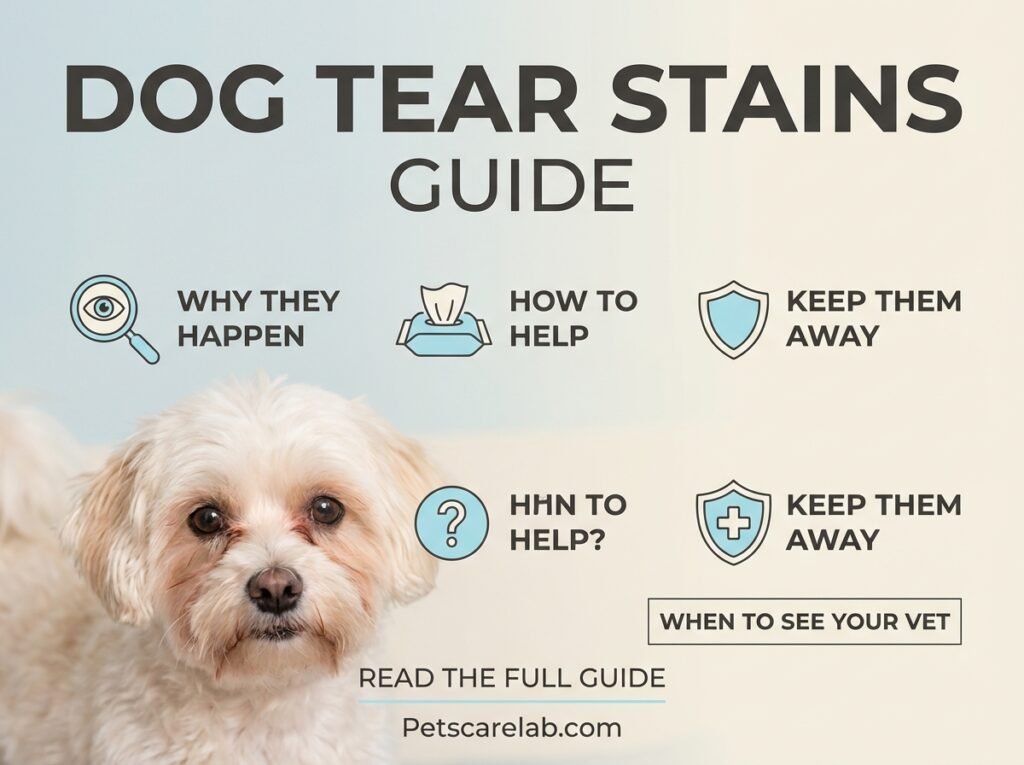
Those reddish-brown streaks under your pup's eyes – those are dog tear stains. While they often just look a little messy, they can sometimes hint at something more serious going on with your furry friend. If you suddenly spot them, or they seem to bother your dog, it's always a good idea to chat with your veterinarian.
What Are Dog Tear Stains, Exactly?
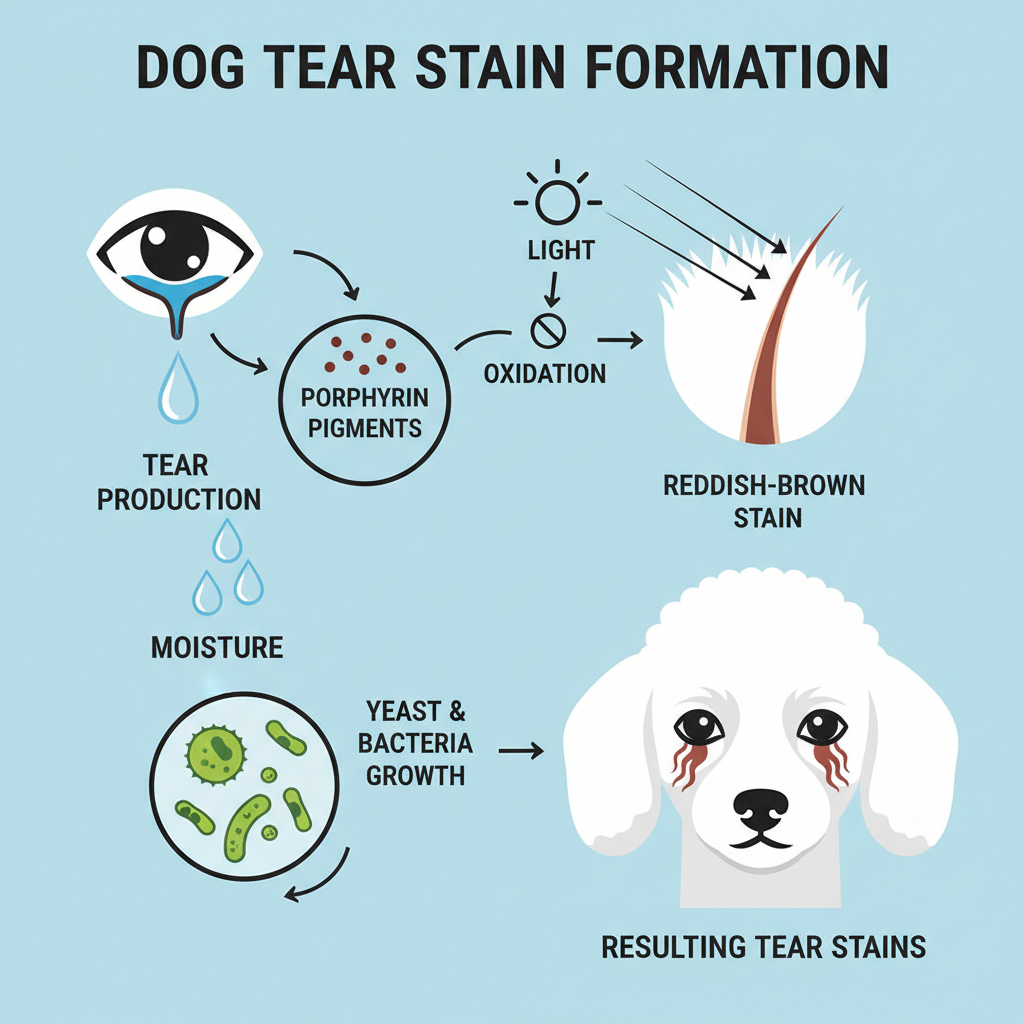
Essentially, tear stains are those tell-tale discolorations that appear when a dog’s fur gets constantly wet from tears. This happens because of something called "epiphora," which is just a fancy way of saying "excessive tearing." These stains come from porphyrins, tiny pigments naturally found in your dog's tears. When these pigments hit the light and dry on the fur, they create that distinctive reddish-brown color.
But it's not just the tears. That constantly moist environment under your dog's eyes is the perfect breeding ground for yeast and bacteria. These can make the staining even darker and sometimes even lead to skin irritation.
Why Do Dogs Get Tear Stains?
Excessive tearing, the root cause of those pesky tear stains, can stem from many different things. Some are minor, others more serious.
Here are some common culprits behind tear stains in dogs:
Genetics and Breed Specifics
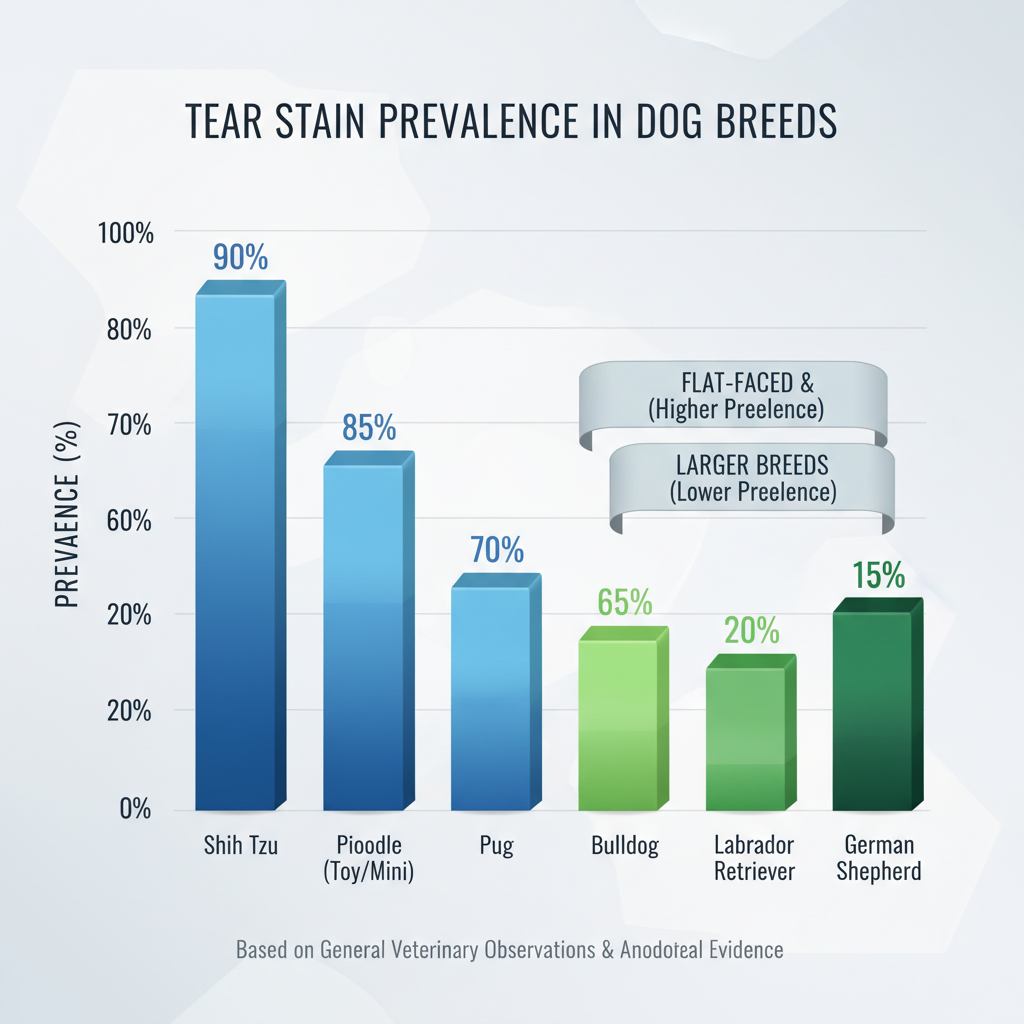
- Flat-faced breeds: Pugs, Bulldogs, Shih Tzus, and Pekingese often have shallow eye sockets, which means their tears are more likely to spill right onto their fur instead of draining properly.
- Poodles and Bichon Frise: These breeds can also be stain-prone because of their unique fur texture and sometimes narrower tear ducts.
- Smaller pups: Many small dog breeds tend to get tear stains because their tear ducts are tiny and can get blocked more easily.
Blocked Tear Ducts
- If your dog's tear ducts (the tiny tubes that drain tears) are blocked, tears can't flow down like they should. Instead, they overflow onto your dog's face. This blockage can happen because of inflammation, an infection, or even a tiny piece of dirt.
Eye Irritation or Infection
- Allergies: Just like us, dogs can suffer from environmental or food allergies that make their eyes watery and itchy.
- Pink eye (Conjunctivitis): When the lining of the eyelids gets inflamed, it can ramp up tear production.
- Corneal ulcers: A scratch or injury to the clear surface of the eye can be painful and cause lots of tears.
- Foreign objects: Even a speck of dust, a piece of debris, or a stray eyelash in the eye can cause intense irritation and tear production.
- Eyelid problems:
- Entropion: This is when the eyelid rolls inward, causing eyelashes to constantly rub against the eye. Ouch!
- Ectropion: The opposite problem, where the eyelid rolls outward, exposing the delicate eye lining and allowing tears to spill out.
- Distichiasis/Ectopic Cilia: These are eyelashes that grow in the wrong spot and irritate the eye.
What Your Dog Eats
- Our team at Petscarelab often hears from dog owners and veterinary specialists who believe certain ingredients in dog food – like artificial colors or fillers – might contribute to tear staining. Switching to a high-quality, natural dog food can sometimes make a difference.
- Also, dogs can have food allergies, and excessive tearing might be one of the signs.
Water Quality
- Hard tap water, full of minerals, can sometimes worsen tear stains. Many pet parents find that giving their dog filtered or distilled water helps.
Stress
- While stress doesn't directly cause tear stains, it can weaken your dog's immune system. A weaker immune system makes them more vulnerable to infections or irritations that can lead to tear stains.
When to Call the Vet About Dog Tear Stains
While tear stains are often just a cosmetic bother, they can sometimes be a red flag for an underlying health issue. You should definitely schedule a vet visit if you notice any of these signs:
- Suddenly developing tear stains: Especially if your dog hasn't had them before.
- Excessive redness or irritation: If the skin around their eyes looks inflamed or angry.
- Pus-like discharge: This is a clear sign of an infection.
- Squinting or pawing at their eyes: Your dog is telling you they're in pain or feeling irritated.
- Changes in vision or behavior: Always a reason to consult your vet.
- A bad smell: A foul odor around the eyes suggests a bacterial or yeast infection is brewing.
Getting a Diagnosis for Your Dog's Tear Stains
When you take your dog to the vet for tear stains, they'll do a thorough physical exam, paying special attention to those sensitive eyes. They might also run a few tests:
- Ophthalmic exam: Your vet will carefully check your dog's eyes for anything unusual, like foreign objects, eyelid issues, or damage to the cornea.
- Fluorescein stain test: A special dye goes into the eye to highlight any scratches or ulcers on the cornea.
- Schirmer tear test: This measures how many tears your dog produces to see if they're suffering from dry eye.
- Tear duct flush: This checks if the tear ducts are blocked.
- Allergy testing: If the vet suspects allergies are the problem.
- Blood tests: To rule out any bigger health issues affecting your dog's whole body.
How to Treat Dog Tear Stains
Treating tear stains starts with understanding their root cause. If your vet diagnoses a medical condition, they'll recommend a specific treatment plan. This might include:
- Medication: Antibiotics or anti-inflammatory eye drops can clear up infections or reduce inflammation.
- Surgery: If your dog has eyelid abnormalities or severely blocked tear ducts, surgery might be the best solution.
- Allergy management: This could involve dietary changes or medications to get your dog's allergies under control.
If there's no underlying medical issue, the focus shifts to managing the stains themselves.
At-Home Help for Tear Stains
- Gentle cleaning: Regularly wipe the stained area with a damp cloth or a pet-safe tear stain remover. Be super gentle and make sure no product gets into your dog's eyes.
- Trim the hair: Keep the hair around your dog's eyes trimmed short. This stops it from soaking up tears and getting stained.
- Diet adjustments: Many pet parents find that switching to a high-quality, grain-free dog food can help lessen tear stains.
- Filtered water: Give your dog filtered or distilled water instead of tap water. This can reduce the mineral buildup that contributes to staining.
- Probiotics: Some pet owners report that adding probiotics to their dog's diet helps balance gut flora, which can sometimes reduce tear stains.
- Topical solutions: You'll find many over-the-counter tear stain removers. These often contain ingredients like boric acid or witch hazel to lighten existing stains and prevent new ones. Always use products made for dogs and follow the directions precisely.
- Consider a groomer: Professional groomers are experts at safely trimming hair around a dog's eyes and can even suggest helpful products.
Medical Options for Stubborn Stains
- Antibiotics: For severe bacterial infections contributing to tear stains, your vet might prescribe a short course of topical or oral antibiotics. You might hear about Tylosin tartrate; it was once used in some tear stain supplements because it tackled bacterial components. However, using it in over-the-counter products is controversial, largely due to concerns about antibiotic resistance and potential side effects. Our team at Petscarelab advises against using it as a first-line cosmetic treatment. It should only be used under veterinary guidance if your dog has a confirmed bacterial infection.
- Vet-prescribed wipes or solutions: Your vet can recommend specific wipes or solutions that are safe and truly effective for your dog's unique situation.
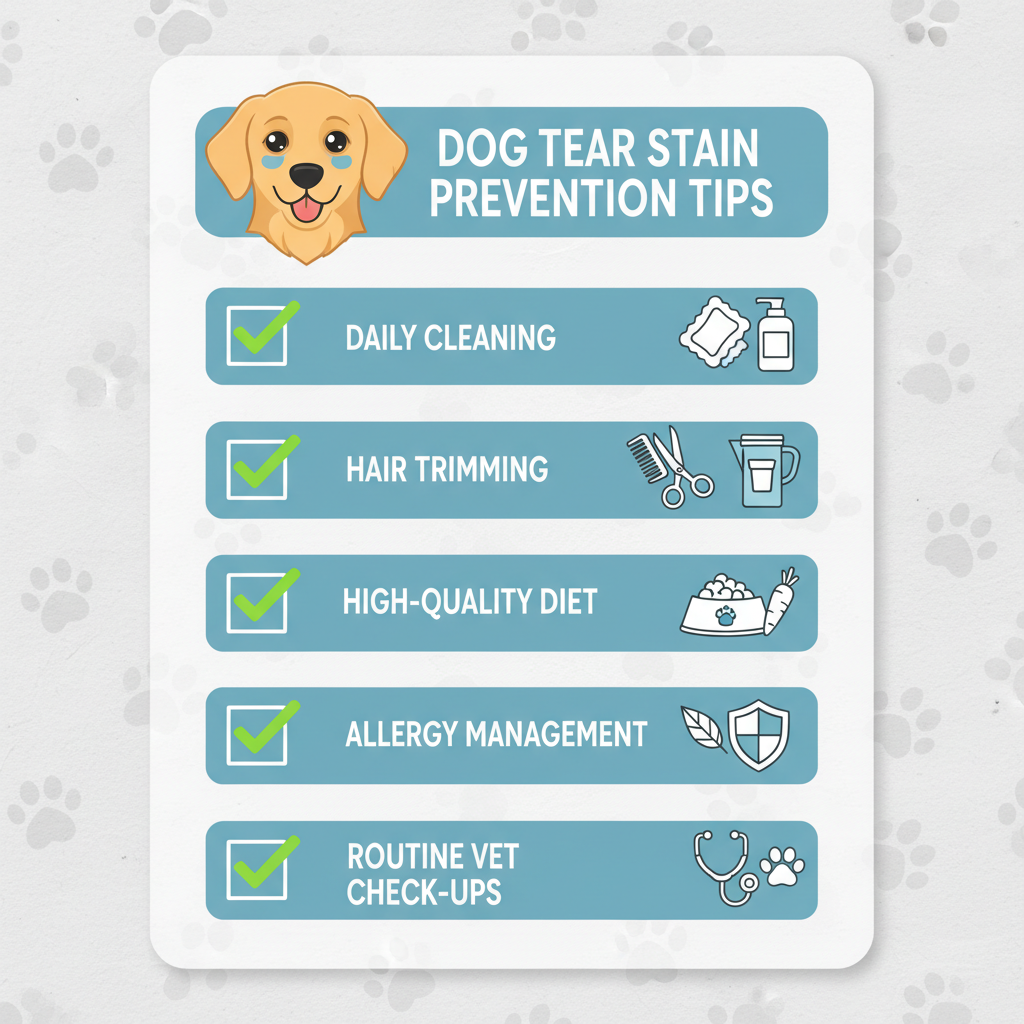
How to Prevent Dog Tear Stains
While some dog breeds are just more prone to tear stains, you can take several steps to minimize their appearance and keep your pup looking fresh:
- Clean daily: Wipe your dog's face every day with a damp cloth. This removes excess tears before they have a chance to stain the fur.
- Keep hair trimmed: Make sure the hair around your dog's eyes is regularly trimmed. This keeps it from getting saturated with tears.
- Use filtered water: Give your dog filtered or distilled water to cut down on mineral intake.
- High-quality food: Feed a balanced, high-quality dog food. This supports overall health and might help reduce allergies.
- Manage allergies: Work with your vet to pinpoint and manage any allergies your dog might have.
- Routine vet check-ups: Regular visits to the vet can help catch and address any underlying eye or health issues early on.
- Avoid irritants: Keep your dog away from smoke, dust, and other environmental irritants that can make their eyes watery.