Understanding Dog Sunburn: Can Your Pup Get Too Much Sun?
While the warmth of the sun offers many benefits, like aiding in vitamin D synthesis and providing vital physical and mental enrichment for your canine companion, it also harbors potential dangers. Especially during the scorching summer months, in sun-drenched climates, or even on a simple, leisurely stroll, safeguarding your dog’s health must always be a top priority. Understanding the risks of dog sunburn is a crucial aspect of responsible pet care.
Beyond the usual concerns of flea and tick prevention or protecting delicate paw pads, effective sun protection for your dog holds equal, if not greater, importance. But can our furry friends truly get sunburned, much like humans do? The answer is a resounding yes, and being aware is the first step towards prevention.
Key Takeaways
- All dogs are susceptible to dog sunburn, though it’s particularly prevalent in breeds with thin, light-colored, or sparse fur.
- Common areas for canine sunburn include the nose, ear flaps, groin, belly, and around their sensitive eyes.
- Observable signs of a dog sunburn frequently include reddened, dry, and cracked skin.
- Immediate veterinary consultation is advised if a sunburn is accompanied by severe symptoms like lethargy, vomiting, or a fever.
- Utilizing specialized dog sunscreen is the most effective proactive measure to prevent these painful burns.
- Dogs adorned with finer or thinner coats.
- White-coated dogs or those with exceptionally light fur pigmentation.
- Hairless breeds or those with naturally sparse patches of fur.
- Canines exhibiting lighter-colored (less pigmented) skin.
- Dogs grappling with skin infections, or those with exposed and compromised skin due to wounds or recent surgery.
- Pups suffering from various allergies that affect skin integrity.
- Dogs diagnosed with immune-mediated skin diseases, such as lupus, which can lead to decreased skin pigment and heightened sensitivity.
- Chinese Cresteds
- Greyhounds
- Boxers
- Dalmatians
- Whippets
- Pit Bulls
- Opt exclusively for sunscreens meticulously formulated for canines. It is imperative to avoid applying human sunscreens to your dog unless explicitly advised and approved by your trusted veterinarian, as many human formulations contain ingredients toxic to pets.
- Diligently read and comprehend the product label. Dog sunscreens vary significantly in their application instructions, including the recommended pre-sun exposure application time and the frequency of reapplication. If your dog enjoys aquatic adventures, pay particular attention to waterproof claims and reapplication after swimming to ensure continuous protection against a potential dog sunburn.
- Seek expert guidance when needed. Always consult with your veterinarian for personalized advice regarding sunscreen use, product recommendations, and tailored strategies for protecting your unique pet from the sun. They remain your most invaluable resource for preventing a painful dog sunburn.
- Visibly red or pinkish skin, particularly in sparsely furred areas.
- Unexplained hair loss in localized patches.
- Itchy, flaking, or peeling skin.
- Dry, noticeably cracked skin, especially on vulnerable areas like the ear tips and nose.
- Skin that is sore to the touch or appears painful.
- The formation of blisters, ulcers, open wounds, or rashes.
- Profound lethargy or unusual weakness.
- Persistent vomiting.
- A significant decrease in appetite or refusal to eat.
- Skin that darkens to a deep purple hue or shows severe discoloration.
- Presence of open wounds, ruptured blisters, or areas exuding pus.
- An elevated body temperature (fever).
- Signs of dehydration (e.g., sunken eyes, loss of skin elasticity).
- Manifestations of intense pain or distress.
The Truth About Dog Sunburn: Yes, They Can Get Burned!
Indeed, if your cherished four-legged family member spends any amount of time outdoors exposed to the sun’s potent rays, they are absolutely vulnerable to experiencing a painful dog sunburn.
While every dog possesses some degree of susceptibility, certain characteristics significantly increase the risk of a severe canine sunburn:
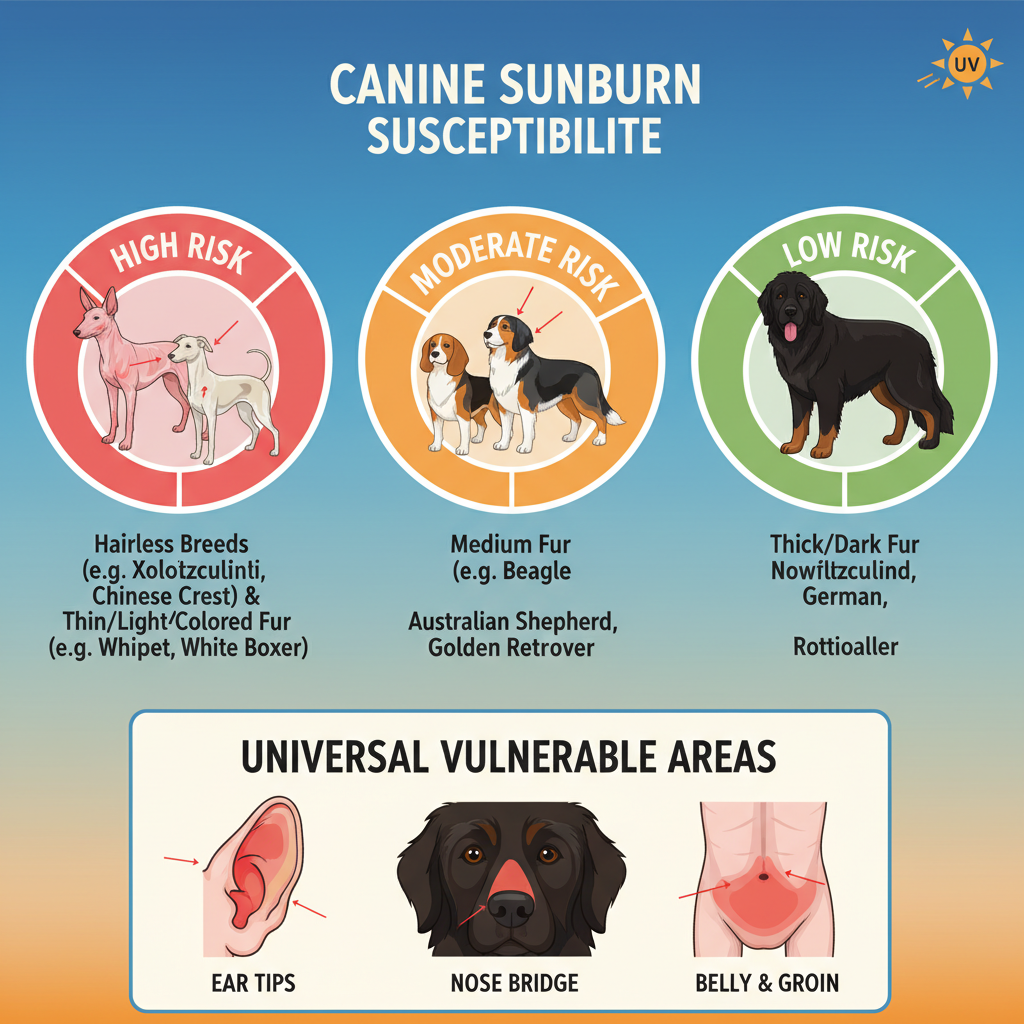
Conversely, dogs blessed with dense, thick fur and darker pigmentation possess a remarkable natural shield against the sun’s harsh glare and its damaging ultraviolet (UV) radiation. This built-in protection significantly reduces their immediate risk of a severe dog sunburn.
However, even these fortunate canines are not entirely immune. They often have delicate areas where their fur thins, leaving the underlying skin critically exposed and vulnerable to the sun’s assault. For instance, a dog’s nose, the delicate skin of their ear flaps, their belly, groin, hindquarters, and the sensitive skin around their eyes are all common sites where a dog sunburn can unexpectedly occur, even in heavily furred breeds.
Certain dog breeds, due to their genetic predispositions or coat characteristics, are particularly prone to sun damage, including:
The environmental setting also plays a pivotal role in the likelihood of a dog sunburn. Environments offering minimal or no natural shade, alongside those featuring highly reflective surfaces such as vast bodies of water or expansive concrete, dramatically amplify the risk of your dog developing painful sun damage.
Is Dog Sunscreen Essential for Your Pet’s Protection?
Absolutely, for dogs susceptible to sunburn—or for any conscientious pet parent committed to proactive preventative care—the application of dog-specific sunscreen is a highly recommended measure. However, before you generously apply any product, consider these vital guidelines from Petscarelab:
Recognizing the Signs: How to Identify a Dog Sunburn
Identifying a dog sunburn can sometimes be challenging, as its symptoms may mimic those of other dermatological conditions. However, being attuned to specific indicators is crucial for timely intervention. Here are the most common and identifiable signs of a canine sunburn:
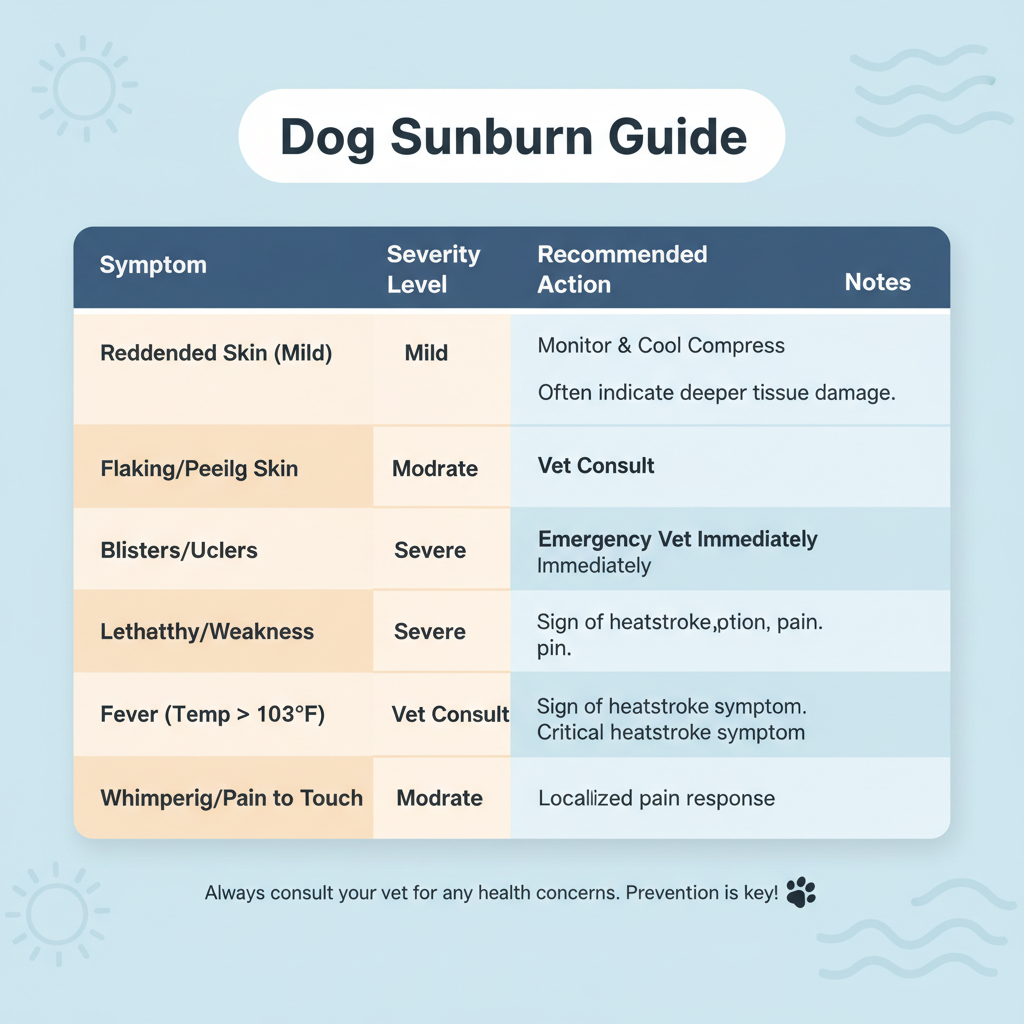
Certain signs of a dog sunburn warrant immediate emergency veterinary attention:
Canine sunburns frequently develop on specific, highly exposed areas of your dog’s body, such as the delicate skin around the bridge of their nose, their ear flaps, and the sensitive regions around their eyes and mouth.
Should your furry friend enjoy the blissful indulgence of sunbathing on their back, their belly and groin become highly susceptible to the sun’s damaging rays. Furthermore, sunlight can powerfully reflect off various surfaces like pavement or water, intensifying exposure and significantly increasing the risk of a belly-related dog sunburn, particularly for low-to-the-ground breeds like Corgis or Dachshunds.
Proactive Protection: Essential Strategies to Prevent Dog Sunburn
Preventing dog sunburns is not merely about comfort; it is a critical component of comprehensive pet health. Sunburns not only inflict considerable pain but can also escalate into open wounds, secondary infections, and potentially severe systemic illnesses.
Tragically, just as with humans, prolonged exposure to sunlight and harmful ultraviolet (UV) rays substantially elevates your dog’s risk of developing various forms of skin cancer, including aggressive types such as squamous cell carcinoma and hemangiosarcoma.
Beyond cancerous risks, sunburns can tragically exacerbate existing underlying health conditions, such as autoimmune diseases or kidney disease, which are often worsened by the effects of dehydration and subsequent infections.
Here’s how you can proactively shield your beloved companion from the dangers of dog sunburn:
1. Utilize Dog Sunscreen
Specialized canine sunscreen stands as the foremost protective measure against the detrimental effects the sun can inflict upon your pet’s sensitive skin.
Always ensure a thorough and careful application of sunscreen to your dog’s nose (especially if it’s a light or pink color), the delicate skin of their ear flaps (which are particularly fragile), their belly, groin, the top of their head, neck, and back. While proper sunscreen application is indispensable for at-risk dogs, any pup can profoundly benefit from this protection during outdoor summer adventures, guarding against a painful dog sunburn.
2. Prioritize Shady Havens
Consistently providing your dog with ample access to shade and easy ways to retreat from direct sunlight significantly reduces their chances of suffering a sunburn.
It is wise to completely avoid prolonged sun exposure during peak UV hours, which is when the sun’s intensity is at its most formidable. Typically, these peak times span between 10 a.m. and 4 p.m. Consequently, plan your summer walks and outdoor play sessions for early mornings or late afternoons, safely outside this high-risk window.
Adhering to this schedule not only helps in preventing severe dog sunburns but also crucially protects against other severe heat-related ailments, such as dangerous heatstroke.
3. Implement Physical Barriers
Surfaces like searing pavement and reflective water bodies can magnify sunlight, inadvertently leading to painful sunburns. Consider placing protective coverings such as outdoor rugs, artificial grass, or utilizing a portable tent, a cooling doghouse, an elevated dog bed, or a covered dog bed to provide crucial protection for your dog’s sensitive skin.
Additionally, your dog can wear specifically designed sun-protective clothing, such as lightweight hats or T-shirts, to create an essential physical barrier that effectively blocks harmful UV rays from reaching their skin.
Treating Dog Sunburn: When to Seek Veterinary Care
If your dog develops a sunburn, it is absolutely imperative to consult a qualified veterinarian before administering any medication or home remedy. Furthermore, it is always best practice to schedule a veterinary appointment immediately upon noticing a sunburn. This allows a professional to accurately assess its severity and prescribe an appropriate, tailored treatment plan for your dog without delay.
Veterinary professionals frequently prescribe a combination of pain medications to alleviate discomfort, antibiotics to prevent or treat secondary infections, and specialized topical therapies to soothe and aid in the healing of the affected skin. These interventions are crucial for managing a dog sunburn effectively.
While awaiting your veterinary appointment for a sunburned dog, applying a cool, damp towel gently to the affected skin can provide some temporary relief, provided there are no open blisters or wounds present.
It is crucial to exercise extreme caution with aloe products. Because many commercially available aloe products formulated for humans or general use contain additional ingredients that can be toxic and lead to aloe vera poisoning in dogs, it is safest to avoid these products entirely unless explicitly approved and recommended by your veterinarian.