
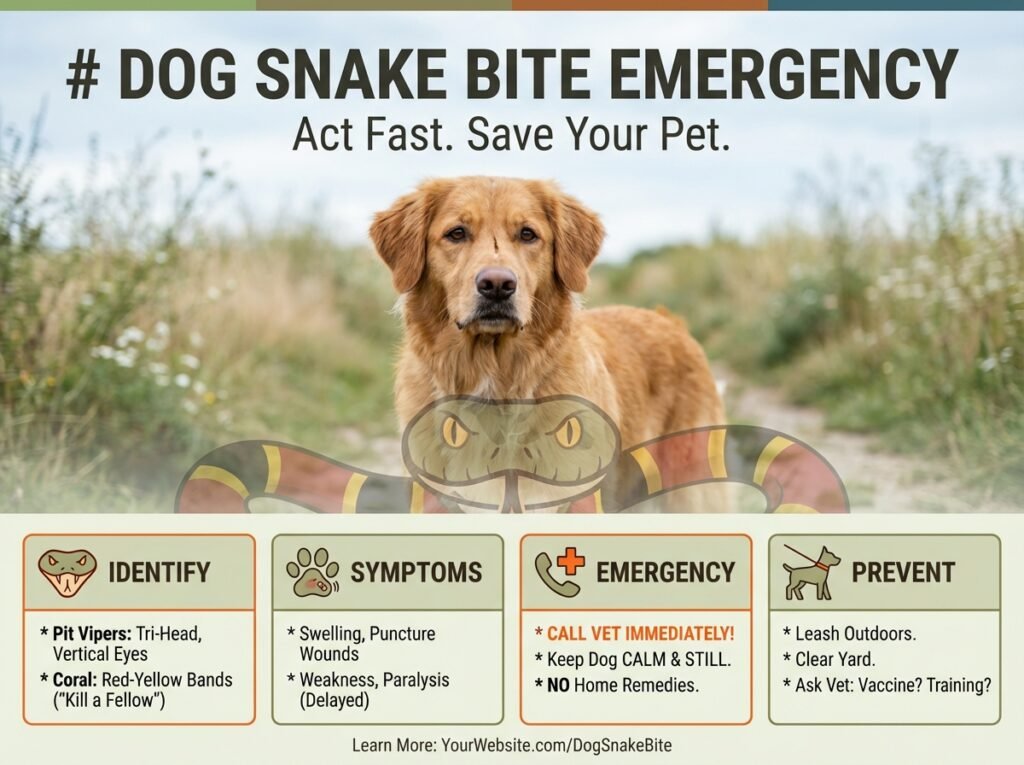
Dog Snake Bite: A Lifesaving Guide for Pet Parents
The sudden, terrifying sight of a snake near your furry friend can send chills down any pet parent's spine. A dog snake bite is an emergency that demands quick thinking and immediate action. Even non-venomous snakes can cause trouble, but knowing the difference – and what to do – can absolutely save your pup's life.
Is That Snake Venomous? How to Spot the Danger
When your dog gets into a tussle with a snake, the first terrifying question is always: "Was it venomous?" While there are thousands of snake species out there, only a small number are truly dangerous. Being able to identify the common culprits in North America can make all the difference in an emergency, helping you tell your vet exactly what they're up against.
The most common venomous snakes across North America are pit vipers – that's rattlesnakes, copperheads, and cottonmouths (also known as water moccasins) – along with coral snakes.
Pit Vipers
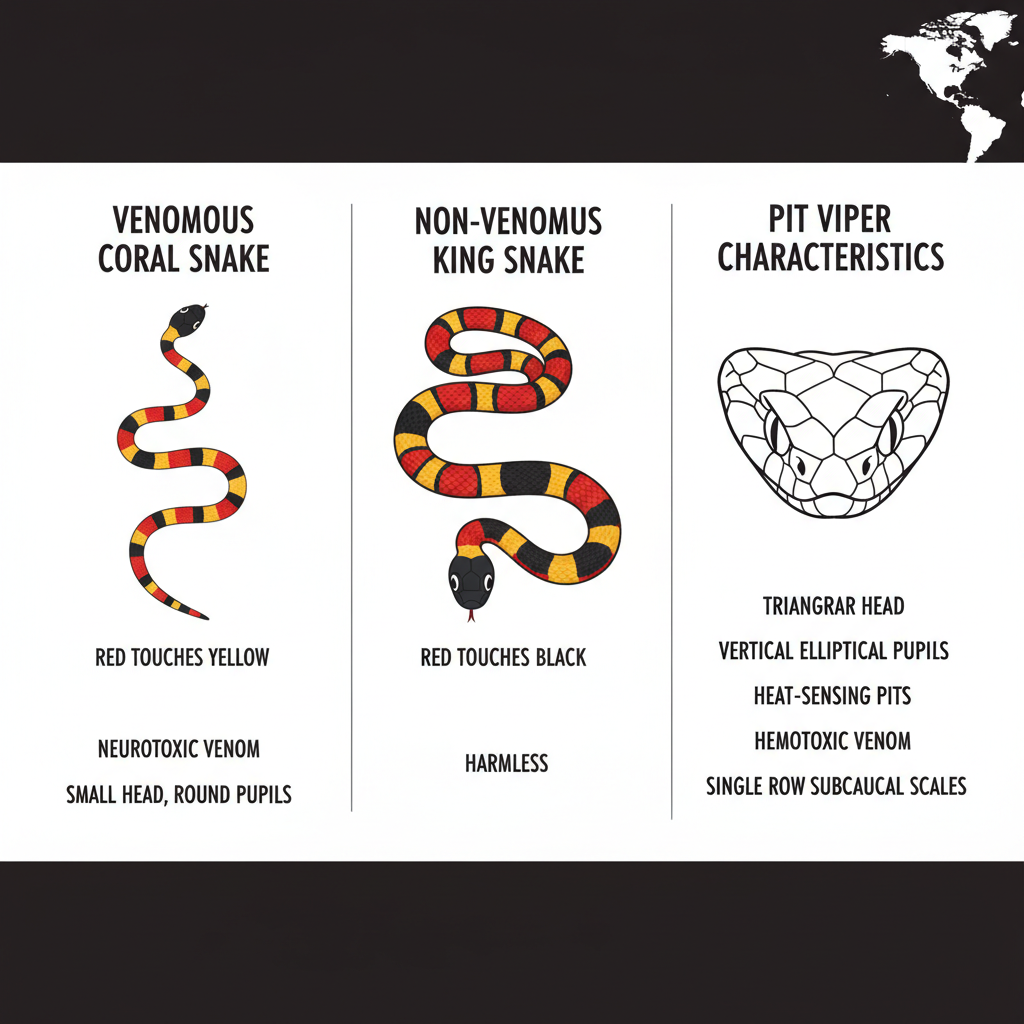
Pit vipers get their name from the tiny, heat-sensing “pits” located between their eyes and nostrils. You can usually recognize them by:
- A triangular-shaped head that looks distinctly wider than their neck.
- Vertical, elliptical pupils, just like a cat's eye.
- A single row of scales under their tail, from the vent to the tip.
You'll find pit vipers all over the continental United States.
Rattlesnakes
Found across North and South America, rattlesnakes are easy to spot thanks to the distinctive rattle on their tail. They're the most common venomous snake in the US, and sadly, their bites are the leading cause of snakebite deaths in dogs.
Copperheads
Copperheads live in the eastern and central US. Look for their unique hourglass-shaped bands of copper and brown. While their venom is milder than other pit vipers, and their bites are rarely fatal for people or pups, they still demand immediate veterinary attention.
Cottonmouths (Water Moccasins)
These semi-aquatic snakes are common in the southeastern US, usually found hanging out near water. They got their "cottonmouth" name because they flash the bright white interior of their mouths as a clear warning sign.
Coral Snakes
Coral snakes are the other main type of venomous snake in the US, distinct from pit vipers. People often confuse them with harmless king snakes because of their similar colorful bands.
Here's a handy rhyme to remember the difference:
- “Red touches yellow, kill a fellow.” (That's your coral snake.)
- “Red touches black, venom lack.” (That's your friendly king snake.)
You'll mostly find coral snakes in the southern and southwestern US. Their venom is neurotoxic, which means it attacks the nervous system and can cause paralysis and even stop breathing.
Symptoms of a Dog Snake Bite: What to Watch For
The signs of a dog snake bite can look very different depending on the snake, how much venom got injected, and where your dog got bitten.
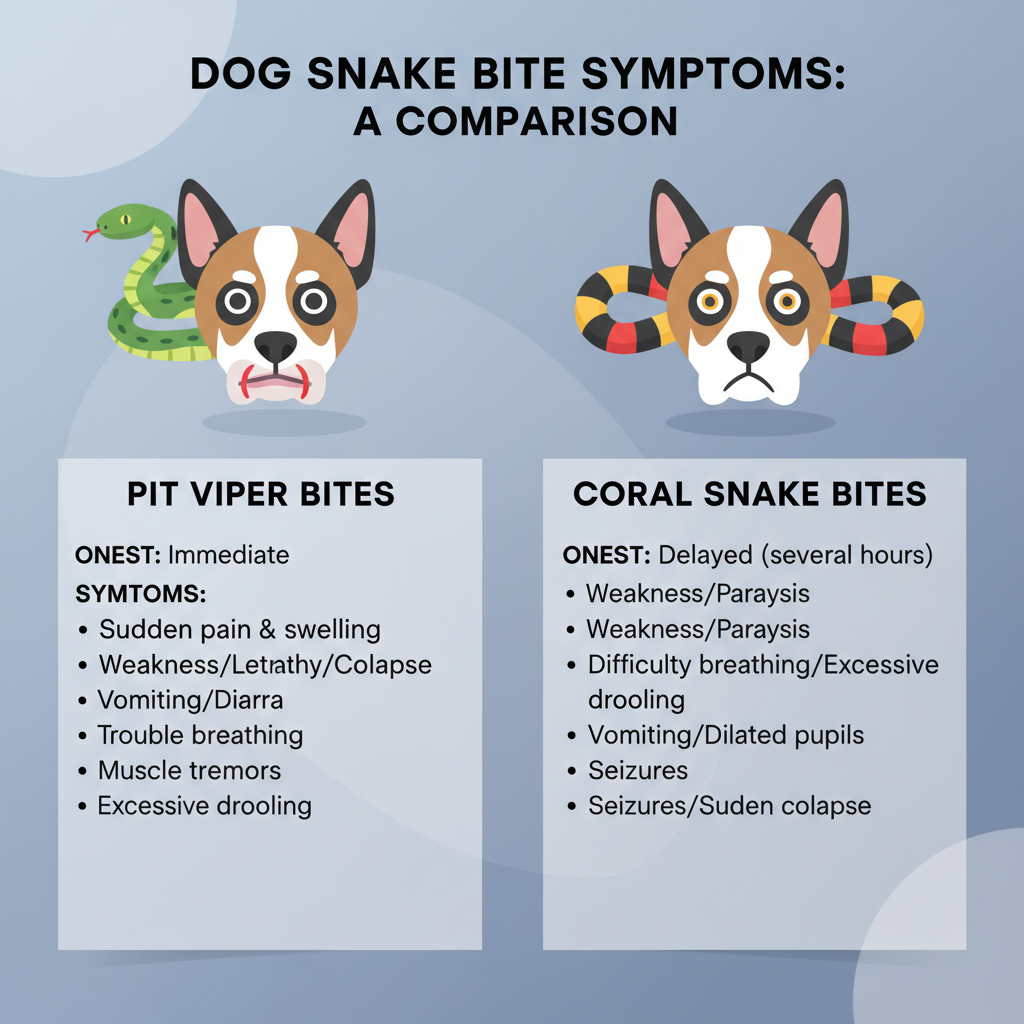
Pit Viper Bites
A bite from a pit viper usually causes immediate and severe symptoms. Watch out for:
- Sudden pain and swelling at the bite site. It might get visibly larger very quickly.
- Two clear puncture wounds from the fangs. You might also see bleeding or bruising.
- Your dog might act weak, lethargic, or even collapse.
- Vomiting or diarrhea.
- Trouble breathing.
- A fast heart rate.
- Muscle tremors or excessive drooling.
Coral Snake Bites
Coral snake bites are tricky because symptoms might not show up right away. It can take several hours for signs to appear. Look for:
- Weakness or even paralysis.
- Difficulty breathing or drooling excessively.
- Vomiting or dilated pupils.
- Seizures or sudden collapse.
Non-Venomous Snake Bites
Even a bite from a non-venomous snake can still be dangerous! The main worry here is infection. You might see:
- Pain and swelling.
- Multiple small puncture wounds.
- Bleeding or a noticeable limp.
Your Dog Got a Snake Bite: Act Fast!
If your dog gets a snake bite, every second counts. Stay calm, and follow these crucial steps immediately:
- Stay Calm and Call Your Vet IMMEDIATELY: This is the most critical first step. Don't wait to see if symptoms appear. The faster your pup gets treatment, the better their chances are for a full recovery. Give your vet all the details you can:
- What you saw happen.
- What kind of snake you suspect (if you know).
- Any symptoms your dog is showing.
- Where on their body the bite is.
- Keep Your Dog Quiet and Still: Try your best to keep your dog calm and limit their movement. Moving too much can spread the venom faster through their body. If you have a smaller dog, gently carry them to the car to reduce any exertion.
- Identify the Snake (Only if It's Safe!): If you can snap a clear photo of the snake without putting yourself or your dog at risk, it can be incredibly helpful for your veterinarian to choose the right treatment. But please, never endanger yourself for a picture! Even a general description or knowing if the bite happened in a "desert area" versus a "swampy area" can still help a lot.
- DO NOT Try Home Remedies: Seriously, avoid these at all costs. Things like tying a tourniquet, trying to cut the wound, sucking out venom, applying ice, or giving pain meds (unless your vet specifically tells you to) are not effective. In fact, they can make the situation much worse.
- Get Emergency Veterinary Care: Rush your dog to an emergency vet as fast as you can. The primary treatment for venomous snake bites is antivenom, which works by neutralizing the venom. Your vet might also provide:
- Pain relief.
- IV fluids to keep them hydrated.
- Antibiotics to fend off secondary infections.
- Wound care for the bite site.
- Supportive care like oxygen or close monitoring.
Preventing a Dog Snake Bite: Keep Your Pup Safe
Prevention is truly your best defense when it comes to keeping your dog safe from snakes. Here's how to minimize the risk:
- Know Your Local Snakes: Find out what kinds of snakes are common where you live and where they like to hide – think tall grass, rocky spots, woodpiles, or under bushes.
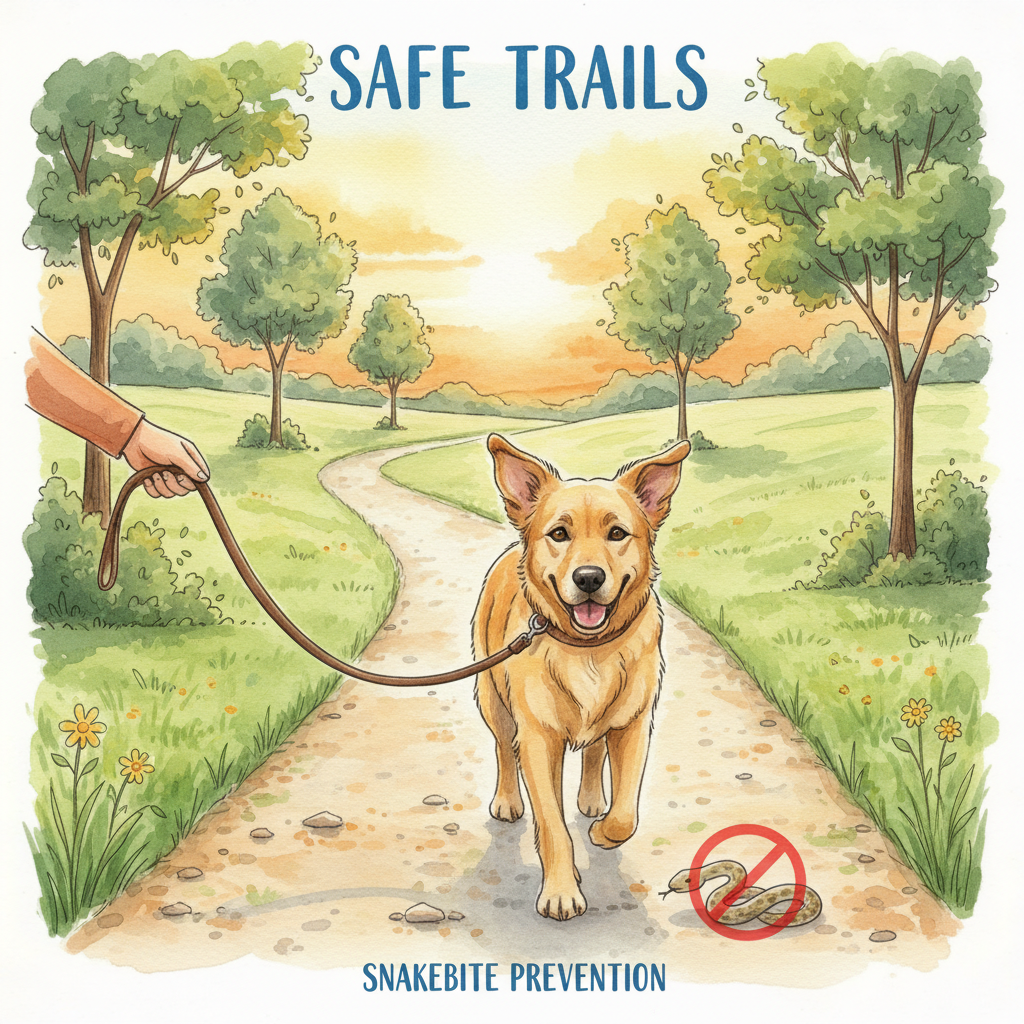
- Keep Your Dog Leashed: Always keep your dog on a leash, especially when hiking or walking in areas where snakes might be present. This gives you vital control and stops them from poking their nose where it doesn't belong.
- Supervise Outdoors Time: Even in your own yard, always keep an eye on your dog when they're outside.
- Tidy Up Your Yard: Keep your yard neatly mowed, remove woodpiles, and clear away any debris where snakes could easily hide.
- Consider Snake Fencing: If you live in a high-snake area, think about installing snake-proof fencing around your property for an extra layer of protection.
- Stick to Clear Paths: When you're out hiking, stay on well-worn trails and avoid tall grass or dense brush.
- Look into Snake Avoidance Training: Some specialized trainers offer courses that teach dogs to recognize snakes and steer clear of them.
- Ask About the Rattlesnake Vaccine: If rattlesnakes are common in your area, chat with your veterinarian about the rattlesnake vaccine. It doesn't prevent bites, but it can significantly reduce the severity of symptoms and buy you precious time to get your dog to the vet.
Facing a dog snake bite is terrifying, but with preparation and quick, informed action, you can dramatically improve your beloved companion's chances of a full recovery. Stay vigilant, stay calm, and always put your pet's safety first.