
What Your Dog's Platelet Count Means for Their Health
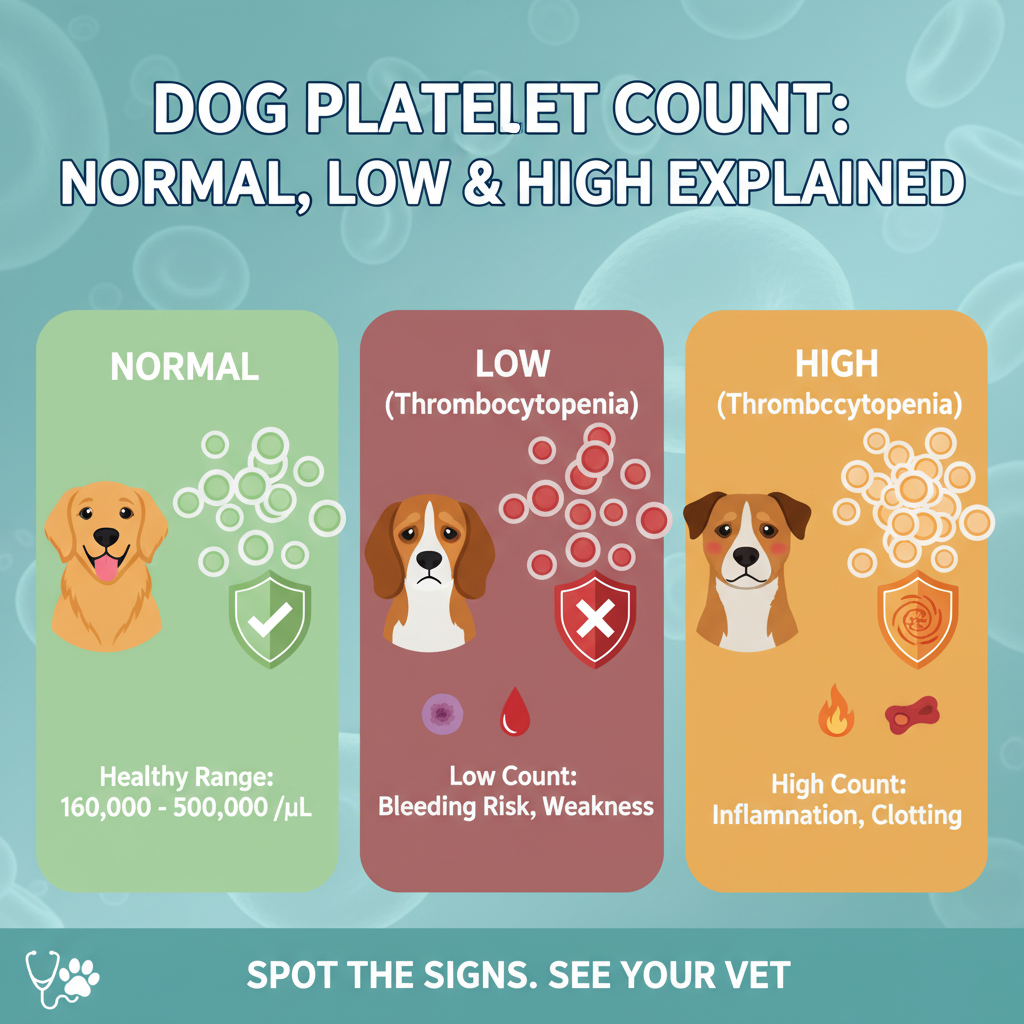
If your furry friend ever needs blood work, you might hear your vet mention their platelet count in dogs. These tiny, specialized blood cells, also called thrombocytes, are vital for keeping your pup healthy. They travel alongside red and white blood cells throughout your dog's body, acting as miniature first responders whenever bleeding starts.
When a dog has too few platelets, it's called thrombocytopenia. If they have too many, that's thrombocytosis. Both conditions signal that something might be off, and understanding them is key to your dog's well-being.
What Do Platelets Do For Dogs?
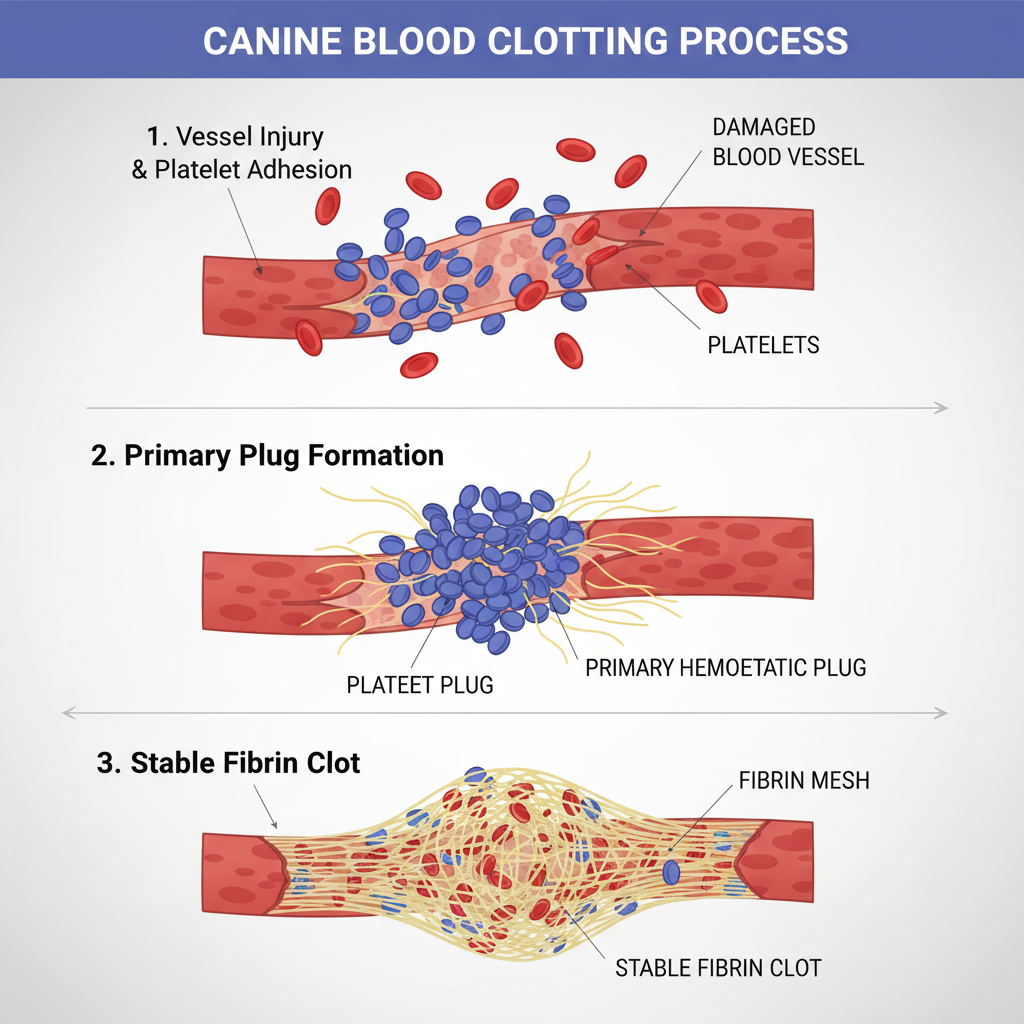
Think of platelets as your dog's natural band-aids. When your dog gets a cut or an injury damages a blood vessel, platelets immediately rush to the scene. They stick together, forming a temporary plug that slows or stops the bleeding. This crucial first step gives your dog's body enough time to form a stronger, more stable blood clot. Without enough healthy platelets, even a small scratch could become a big problem.
What's a Normal Platelet Count in Dogs?
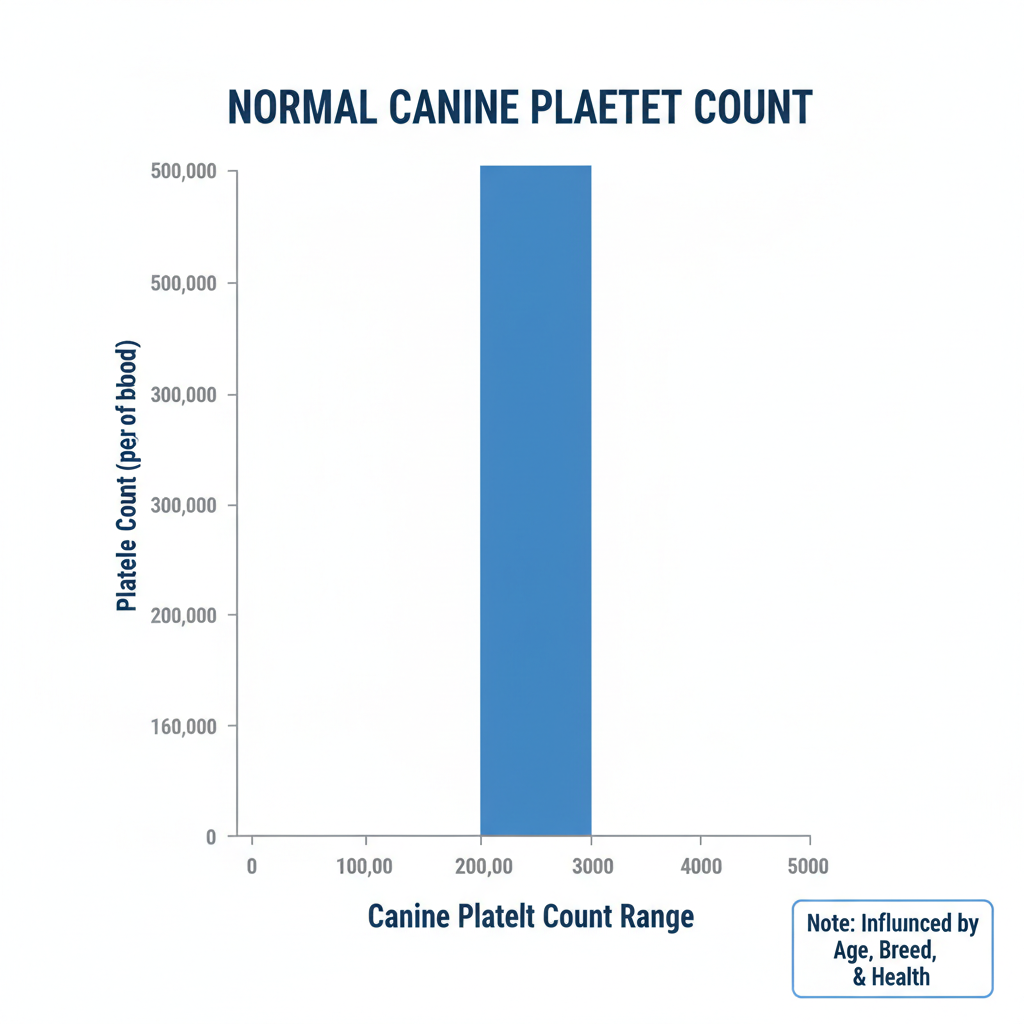
For most dogs, a normal platelet count in dogs typically falls between 160,000 to 500,000 platelets per microliter of blood. This range acts as a general guideline.
Keep in mind that many things can shift this "normal" range slightly. Your dog's age, breed, overall health, and even the specific lab doing the blood work can play a role. When your vet looks at your dog's blood test results, they don't just see numbers. They consider your dog's unique situation, medical history, and any other symptoms they might have to get a full picture.
Low Platelet Count (Thrombocytopenia) in Dogs
When your dog has an unusually low number of platelets circulating in their blood, we call it thrombocytopenia. Depending on how low that count is, your dog might not show any signs at all, or they could be very sick.
Why Your Dog's Platelet Count Might Be Low
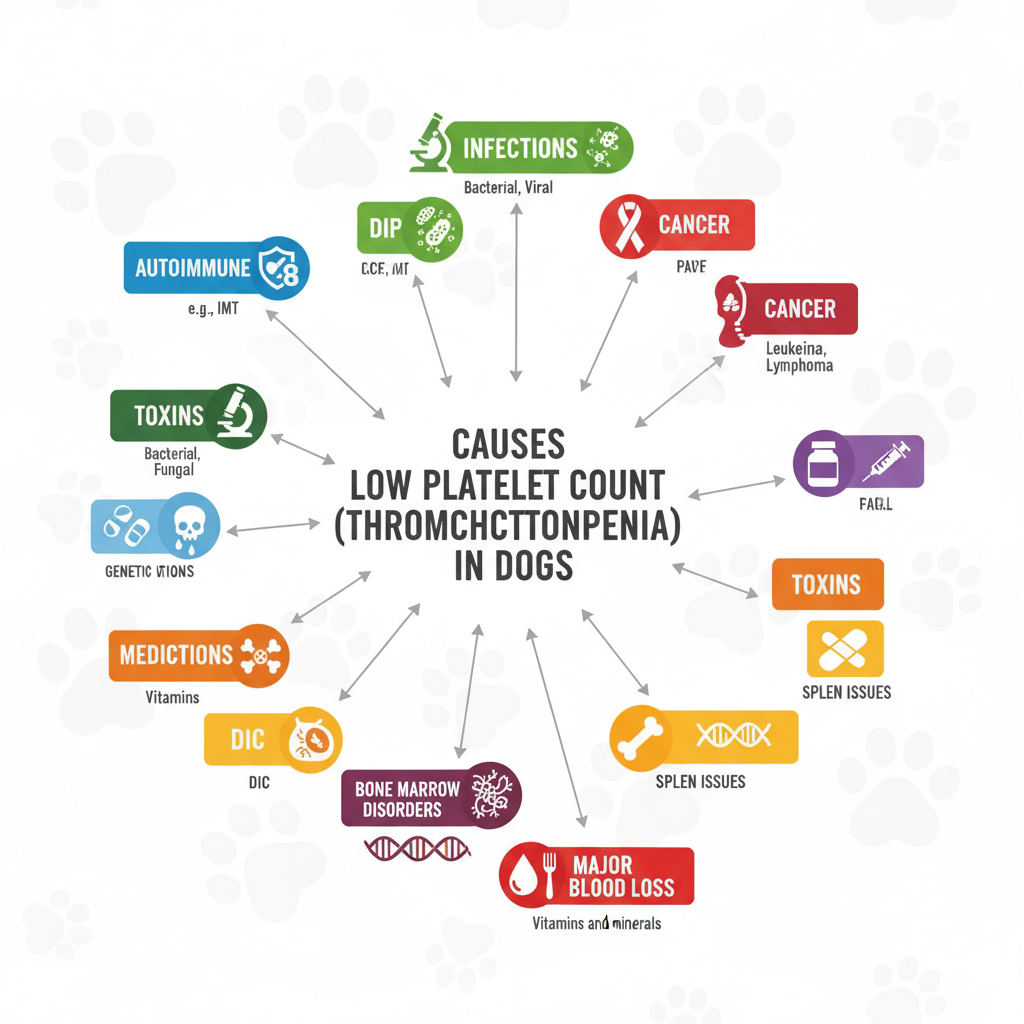
A low platelet count in dogs can stem from many different issues. Some of the most common causes include:
- Immune-mediated thrombocytopenia (IMT): This is a common and serious autoimmune disease. Your dog's own immune system mistakenly attacks and destroys its platelets.
- Infections:
- Bacterial: Think tick-borne diseases like ehrlichiosis or anaplasmosis, or even leptospirosis.
- Viral: Common culprits like parvovirus, distemper, or adenovirus.
- Fungal or Protozoal: Less common, but still a possibility.
- Cancer: Cancers like leukemia or lymphoma, or any cancer that invades the bone marrow or spleen, can disrupt platelet production.
- Medications: Certain drugs, including some antibiotics, chemotherapy drugs, or anti-seizure medications, can suppress bone marrow or trigger an immune reaction against platelets.
- Toxins: Exposure to things like certain pesticides or heavy metals can harm the cells that make platelets.
- Genetic Conditions: Some breeds are just prone to certain platelet issues. For example, Cavalier King Charles Spaniels can have a harmless, naturally low platelet count.
- Bone Marrow Disorders: Problems in the bone marrow, where platelets are made, such as aplastic anemia.
- Disseminated Intravascular Coagulation (DIC): This is a severe, life-threatening condition where the body forms tiny blood clots everywhere, rapidly using up platelets. It's almost always a complication of another serious illness, like a severe infection or trauma.
- Spleen Issues: An enlarged spleen can sometimes trap and remove too many platelets from circulation.
- Major Blood Loss: Severe and sudden blood loss can temporarily dilute platelet counts or lead to them being used up quickly.
- Nutrient Deficiencies: Though rare, a severe lack of certain vitamins like B12 or folate can affect platelet production.
Signs of a Low Platelet Count
If your dog's platelet count is too low, you might notice some concerning symptoms:
- Petechiae: Tiny red or purple dots, almost like pinpricks, on their skin or mucous membranes (like their gums, inner ears, or belly). These are minor bleeds under the skin.
- Ecchymoses: Larger, bruise-like patches on the skin or membranes.
- Nosebleeds (epistaxis).
- Blood in their urine (hematuria).
- Blood in their poop (dark, tarry stool or visible red blood).
- Gums bleeding easily, especially after brushing or minor bumps.
- Tiredness and weakness: Often due to blood loss or the underlying illness.
- Pale gums: A sign of anemia from blood loss.
- Excessive bleeding from small cuts or after surgery.
Treating a Low Platelet Count
The treatment for a low platelet count in dogs always targets the underlying cause.
- For IMT: Vets typically prescribe immunosuppressive drugs, like corticosteroids (prednisone), to stop the immune system from destroying platelets.
- For Infections: Your vet will prescribe antibiotics, antifungals, or antiparasitic medications to fight the specific infection.
- For Cancer: Treatment might involve chemotherapy, radiation, surgery, or a combination.
- Drug-induced: Simply stopping the problematic medication.
- Toxins: Supportive care is provided, and if an antidote exists, it will be given.
- For DIC: Treatment focuses on the primary illness causing DIC, often with supportive care like blood transfusions.
- For Severe Bleeding: Blood transfusions (like platelet-rich plasma or whole blood) can stabilize your dog while the root cause is addressed.
- Splenectomy: In some specific cases of IMT or spleen issues that don't respond to medicine, surgical removal of the spleen might be an option.
High Platelet Count (Thrombocytosis) in Dogs
Thrombocytosis means your dog has an unusually high number of platelets circulating in their blood. This is less common than a low count and often less severe, but it still indicates an underlying problem.
Why Your Dog's Platelet Count Might Be High
High platelet counts generally fall into two categories:
- Primary Thrombocytosis: This is rare. It means the bone marrow itself is overproducing platelets, often due to a bone marrow disorder or a type of cancer.
- Secondary or Reactive Thrombocytosis: This is much more common. The high platelet count is a reaction to another condition in your dog's body. Causes include:
- Inflammation or Infection: Chronic inflammatory diseases (like pancreatitis or inflammatory bowel disease) or ongoing infections can stimulate platelet production.
- Cancer: Many types of cancer can cause a reactive increase in platelets.
- Iron Deficiency Anemia: This is a frequent cause of a mild to moderate high platelet count in dogs.
- Splenectomy: After the spleen is removed, the body might temporarily overproduce platelets since the spleen no longer stores or filters them.
- Trauma or Surgery: Injury or recent surgery can temporarily boost platelet counts as part of the body's healing process.
- Corticosteroid Use: Giving your dog corticosteroids can sometimes lead to a mild rise in their platelet count.
- Recent Blood Loss: After significant bleeding, the bone marrow might try to compensate by making extra platelets.
- Stress or Excitement: A mild, temporary increase can sometimes be seen due to adrenaline release.
What High Platelets Look Like (Symptoms)
Often, a high platelet count in dogs doesn't cause specific symptoms on its own, especially when it's reactive. Any signs you notice are usually related to the underlying condition that's causing the platelets to be elevated.
In very rare cases of severe primary thrombocytosis, where there are far too many platelets, you might see:
- Blood Clots (Thrombosis): Even though platelets help clot blood, an excessive number can sometimes lead to inappropriate clotting.
- Bleeding: Paradoxically, extremely high platelet counts can also lead to bleeding issues if the platelets aren't working properly despite their numbers. You might see unexplained nosebleeds or bruising.
- Symptoms of the Underlying Cause: For example, if an infection is the cause, your dog might have a fever, seem tired, or lose their appetite. If it's cancer, you might notice weight loss or a visible mass.
Treating a High Platelet Count
The main goal when treating a high platelet count in dogs is to address the underlying condition.
- Treating the Root Cause: This could mean antibiotics for an infection, anti-inflammatory medications, or specific cancer treatments.
- Medications like Aspirin: In very rare, severe cases of primary thrombocytosis where blood clots or bleeding are a major risk, your vet might consider low-dose aspirin or other antiplatelet drugs. However, our team at Petscarelab knows this is done with extreme caution due to potential side effects.
- Monitoring: For most mild, reactive cases, no specific treatment is needed for the platelet count itself. It usually goes back to normal once the underlying issue resolves. Your vet might just recommend regular monitoring.
When to Call Your Vet
Don't wait to call your vet if you notice any concerning symptoms in your dog, like unexplained bleeding (those tiny red spots, bruising, nosebleeds, blood in their pee or poop), extreme tiredness, weakness, or pale gums. These signs mean your pup needs immediate veterinary attention.
Even if your dog seems perfectly fine, if routine blood work shows an abnormal platelet count in dogs, your vet will discuss it with you. They'll help figure out if more tests are needed to pinpoint the cause and recommend the right treatment. Catching and treating any underlying conditions early is absolutely essential for your dog's long-term health.