Unveiling the Subtle and Serious Dog Over-Exercise Signs
Recognizing Dog Over-Exercise Signs is crucial for every devoted pet parent, as it is indeed possible for our beloved canine companions to receive too much exercise. This overexertion can severely compromise a dog’s physical health and mental tranquility. This risk is particularly pronounced for vulnerable groups, including playful young puppies with developing bones, cherished senior dogs whose bodies are naturally slowing, and brachycephalic (short-nosed) breeds such as French Bulldogs, Pugs, and Boston Terriers, whose unique anatomical structures already present respiratory challenges.
Even the most robust and seemingly indefatigable athletic breeds are not immune to the detrimental impacts of excessive activity. The ideal amount of physical engagement for a dog is a highly individualized equation, meticulously balanced by a tapestry of factors: their specific breed's inherent predispositions, their age, physical size, overarching health status, and their unique individual energy levels. Consequently, an exercise regimen that perfectly suits one dog could prove to be dangerously excessive for another.
Puppy Exercise
Puppies, with their rapidly developing skeletal structures and vulnerable growth plates, necessitate a distinctly gentle and tailored approach to physical activity compared to their adult counterparts. Their still-forming bones and joints are particularly susceptible to injury from strenuous, high-impact activities. For these little learners, the golden rule is short, frequent bursts of playful engagement and gentle, supervised walks. A widely accepted guideline suggests administering approximately 5 minutes of structured exercise per month of their age, conducted twice daily, continuing until they reach full maturity. For instance, a spirited 3-month-old puppy would ideally enjoy around 15 minutes of activity, twice per day.
Adult Dog Exercise
For adult dogs, the daily exercise prescription spans a wide spectrum, typically ranging from 30 minutes to a robust 2 hours, fundamentally dictated by their breed's inherent characteristics and individual energy reservoir.
- High-Energy Companions: Breeds renowned for their boundless vitality, such as the intelligent Border Collies, enthusiastic Labradors, and dedicated German Shepherds, often thrive on 1-2 hours of vigorous, stimulating activity each day.
- Moderate-Energy Pals: Dogs with a more balanced energy output, like the curious Beagles or the steadfast Basset Hounds, generally find contentment with 30-60 minutes of engaging daily movement.
- Gentle Souls: Breeds characterized by their more reserved energy, such as the elegant Greyhounds or the charming Bulldogs, are often perfectly content with shorter, less intense strolls and gentle play.
Senior Dog Exercise
Our esteemed senior companions, who deserve the utmost care, profoundly benefit from consistent, low-impact exercise designed to gently sustain their joint health and preserve crucial muscle tone. For these cherished elders, the ideal regimen typically involves shorter, more frequent walks and tender, low-key play sessions. Crucially, the intensity and duration of any activity must be compassionately and meticulously adjusted, always reflecting their unique health profile and prevailing mobility.

Recognizing the Critical Dog Over-Exercise Signs
When a dog has pushed past their healthy physical limits, they will often communicate this distress through a series of discernible physical and behavioral cues. For every conscientious pet parent, cultivating the ability to recognize these vital Dog Over-Exercise Signs is not merely helpful, but absolutely critical for proactively averting potential, and sometimes severe, health complications.
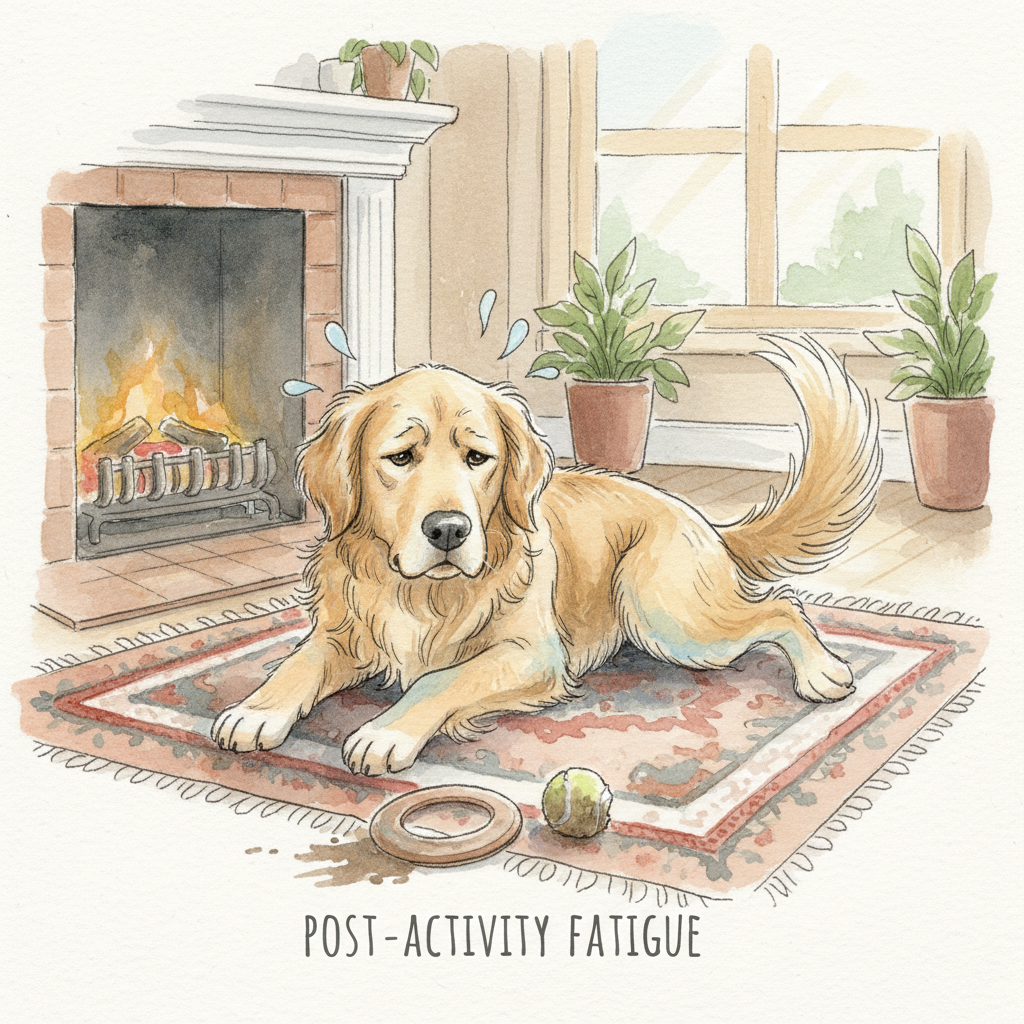
1. Excessive Panting and Labored Breathing
While panting serves as a dog’s natural and essential mechanism for thermoregulation, any instance of excessive panting—particularly if it is unusually prolonged, intensely rapid, or sounds labored—is a strong indicator of potential overheating or significant respiratory distress. Should you observe your canine companion struggling desperately to catch their breath, or notice any unusual, strained noises accompanying their respiration, consider it a profound and serious Dog Over-Exercise Sign requiring immediate attention.
2. Extreme Lethargy and Weakness
While a contented weariness after a good exercise session is entirely normal and expected, an alarming shift to extreme lethargy—where your dog appears unusually sluggish, displays uncharacteristic unresponsiveness, or shows a marked unwillingness to move—is a glaring red flag. Furthermore, they might present with overt physical weakness, an unsteady gait leading to stumbling, or considerable difficulty in rising to their feet.
3. Limping or Lameness
Any perceptible sign of limping, lameness, or a clear struggle to bear weight on a particular limb following exercise demands immediate and careful observation. These symptoms can be tell-tale indicators of a muscle strain, a painful sprain, or even a more significant joint injury. This concern is particularly acute and warrants heightened vigilance in puppies, whose delicate growth plates remain open and inherently vulnerable to damage.
4. Muscle Stiffness or Soreness
Our canine companions, much like ourselves, are susceptible to the aches and pains of muscle soreness after strenuous activity. If your dog appears stiff, demonstrates a clear reluctance to move, or exhibits signs of discomfort upon gentle touch—especially along their legs or back—these are strong indicators that they may be experiencing muscle soreness directly attributable to overexertion.
5. Joint Pain or Swelling
Beyond mere soreness, excessive exercise holds the potential to significantly exacerbate any pre-existing joint conditions or, disturbingly, even initiate new ones. Be vigilant for any overt signs of pain when your dog attempts to move their joints, an uncharacteristic reluctance to jump or climb, or any visible swelling that manifests around these crucial areas.
6. Dehydration
Our dogs can rapidly succumb to dehydration during prolonged or intensely vigorous exercise sessions, a risk significantly amplified in warmer climates. Key indicators to watch for include gums that feel dry or sticky, a subtle sunken appearance to their eyes, a noticeable loss of skin elasticity (often referred to as 'skin tenting' when gently pinched), and an unquenchable, excessive thirst. As a fundamental act of care, always ensure an abundant supply of fresh, clean water is accessible both during and immediately following any physical activity.
7. Vomiting or Diarrhea
Gastrointestinal distress, manifesting as sudden vomiting or bouts of diarrhea, can regrettably occur in some sensitive dogs. This is often a direct physiological response to the acute stress or dangerous overheating brought on by an excessive exercise regimen.
8. Heatstroke
This represents a life-threatening medical emergency, a dire consequence that can tragically result from severe overexertion, particularly when compounded by hot weather conditions. The critical signs of heatstroke include:
- Relentless, excessive panting
- Gums that appear unusually bright red
- Profuse drooling
- Episodes of vomiting and diarrhea
- Confusion, disorientation, or a glazed expression
- Pronounced wobbliness or sudden collapse
- Uncontrolled seizures
- Loss of consciousness
If you harbor any suspicion that your beloved dog is experiencing heatstroke, do not hesitate—seek emergency veterinary care without a moment’s delay. Every second counts.

9. Behavioral Changes
Beyond the physical manifestations, dogs who have been pushed beyond their safe limits might also exhibit significant behavioral shifts, indicating their discomfort or distress:
- Profound Reluctance to Participate: Your dog may uncharacteristically refuse to engage in walks, playtime, or other activities they typically approach with joyous enthusiasm.
- Increased Irritability or Anxiety: A state of profound exhaustion or persistent pain can profoundly alter a dog’s temperament, rendering them grumpy, uncharacteristically withdrawn, or even manifesting signs of heightened anxiety.
- Loss of Appetite: While not exclusively a direct Dog Over-Exercise Sign, a noticeable disinterest in food can frequently accompany general physical distress and a body struggling from overexertion.
Preventing Over-Exercising
- Understand Your Dog's Unique Limits: Take the time to truly know and understand your dog’s specific breed predispositions, their age-related needs, and their individual health profile. Engage in open dialogue with your trusted veterinarian to collaboratively determine an exercise regimen that is perfectly tailored and appropriate for their well-being.
- Implement a Gradual Progression: Always begin with gentle activity and progressively, cautiously, build up the duration and intensity of exercise. This methodical approach is especially vital for vulnerable puppies, our esteemed senior dogs, or any dog embarking on a new physical routine.
- Maintain Vigilant Monitoring During Activity: During every exercise session, remain keenly attuned to your dog's physiological responses—observe their breathing patterns, their gait, and their overall demeanor for any indicators of strain or fatigue.
- Ensure Constant Hydration: Make it an unwavering habit to always have fresh, clean water readily available and offer it generously before, throughout, and immediately following any physical exertion.
- Exercise Prudence in Extreme Temperatures: Plan exercise sessions for the cooler parts of the day when the weather is hot, and remain meticulously aware of the danger of hot pavement, which can severely burn delicate paws.
- Integrate Essential Rest Breaks: Thoughtfully incorporate and encourage brief, recuperative rest breaks during more extended play sessions or longer walks, allowing their bodies to recover.
- Cultivate Vigilance for Subtle Indicators: Develop a keen eye for even the most subtle changes in their behavior or physical condition—these often serve as the earliest warnings of impending overexertion.
By cultivating a deep awareness of these crucial Dog Over-Exercise Signs and diligently implementing these preventative strategies, devoted pet parents can confidently ensure their beloved companions receive precisely the right amount of activity without ever risking overexertion. This thoughtful approach lays the foundation for a vibrant, healthy, and joy-filled life together.
When to Contact a Vet
Should you ever observe any severe or acutely alarming Dog Over-Exercise Signs—such as sudden collapse, onset of seizures, pronounced and severe limping, extreme and unresponsive lethargy, or any overt indicators of heatstroke—it is imperative to contact your veterinarian for emergency care without a moment's hesitation. Furthermore, for symptoms that might be milder yet persist, such as chronic stiffness, an ongoing reluctance to move, or any sustained changes in their usual behavior, a proactive veterinary consultation is strongly recommended. This allows for a thorough assessment to rule out any underlying health issues or to meticulously refine their current exercise regimen, safeguarding their long-term well-being.