
Watching your dog struggle with something you can't quite pinpoint is heartbreaking.
It could be a simple stumble, a strange new behavior, or something more serious. These changes might signal dog neurological disorders, conditions that affect your pup's brain, spinal cord, nerves, or muscles. When these vital parts aren't working right, it impacts everything from how your dog moves and coordinates their body to their senses and even how they think. Knowing the red flags and understanding common neurological issues is essential. It helps you act fast, get the right diagnosis, and find the best ways to manage things for your furry friend.
What Are Dog Neurological Disorders?
Dog neurological disorders are conditions that mess with your dog's nervous system – that's the brain, spinal cord, and all the nerves spreading throughout their body. This complex system runs almost everything your dog does: moving, feeling, thinking, and even automatic stuff like breathing and their heartbeat. So, when there's a problem in any part of this system, it can cause all sorts of symptoms, from minor behavior quirks to scary, life-threatening emergencies.
Common Types of Dog Neurological Disorders
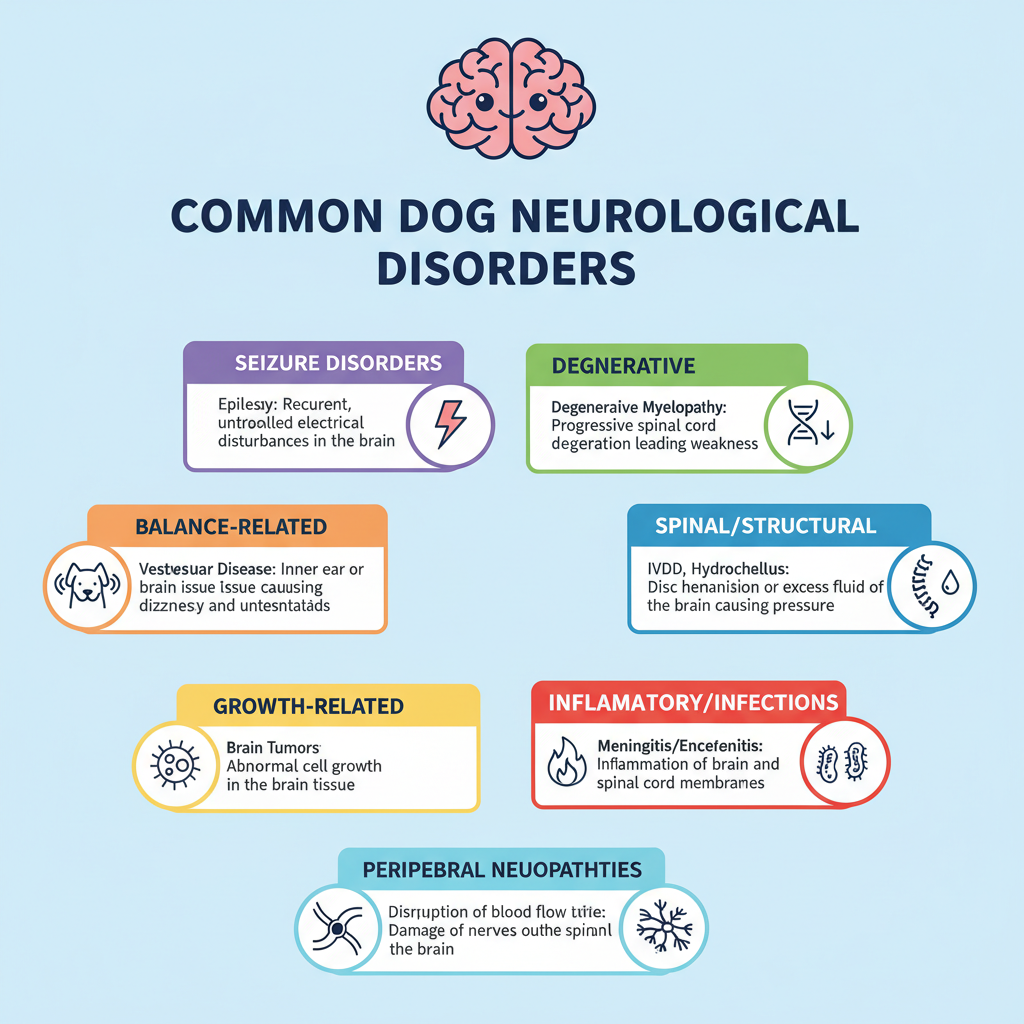
Neurological issues can pop up for many reasons, or they can affect different parts of the nervous system. Here are some of the types we see most often:
- Epilepsy and Seizure Disorders: These are known for recurrent seizures, which are like sudden, uncontrolled electrical storms in the brain. Your dog might have epilepsy with no clear cause, or it could be due to a brain injury, or even a metabolic imbalance.
- Degenerative Myelopathy (DM): This is a progressive disease that slowly affects the spinal cord, usually in older dogs. It causes weakness and eventually paralysis in the back legs, and people often mistake it for arthritis.
- Vestibular Disease: This condition impacts the system that controls balance and spatial awareness. You'll see sudden balance loss, a head tilt, circling, and rapid eye movements (nystagmus). It often happens in older dogs for no clear reason, but it can also stem from an ear infection, a tumor, or even a stroke.
- Intervertebral Disc Disease (IVDD): Here, the shock-absorbing discs between the bones in your dog's spine bulge or rupture. This presses on the spinal cord, leading to pain, weakness, and sometimes paralysis, most commonly in the neck or back.
- Brain Tumors: These are abnormal growths in the brain. They cause all sorts of neurological symptoms depending on where they are and how big they get, like seizures, behavior changes, vision problems, or weakness.
- Meningitis/Encephalitis: These mean there's inflammation in the membranes surrounding the brain and spinal cord (meningitis) or in the brain itself (encephalitis). Infections (bacterial, viral, fungal, parasitic) or autoimmune disorders can trigger them.
- Stroke: A stroke happens when blood flow to a part of the brain is cut off, causing brain damage. It can be due to a clot (ischemic) or bleeding (hemorrhagic). Symptoms appear suddenly and depend on which part of the brain is affected.
- Hydrocephalus: This is when too much cerebrospinal fluid (CSF) builds up in the brain, creating pressure. Some pups are born with it, while others develop it later in life.
- Peripheral Neuropathies: These affect the nerves outside the brain and spinal cord. They can lead to weakness, muscle loss, and numbness in the affected limbs.
Symptoms to Watch For
The signs of neurological disorders in dogs are incredibly varied. They depend a lot on which part of the nervous system is affected and what's causing the problem. Keep an eye out for these common clues:
- Seizures: These can range from subtle tremors or staring spells to full-body convulsions where your dog loses consciousness.
- Changes in how they walk or move: Look for weakness, stumbling, trouble walking, lameness, dragging paws, or paralysis (especially in the back legs).
- Balance problems: A head tilt, circling, falling over, or looking uncoordinated.
- Behavior changes: Confusion, disorientation, becoming unusually aggressive or fearful, lethargy, restlessness, repetitive behaviors, or accidents in the house when they were once house-trained.
- Changes in vision or hearing: Blindness, pupils that look unusually large, trouble following objects with their eyes, or not responding to sounds.
- Pain: Yelping, sensitivity when you touch them, not wanting to move their head or neck, or hunching their posture.
- Involuntary movements: Tremors, muscle twitching, or rapid, involuntary eye movements.
- Changes in appetite or thirst: A sudden increase or decrease in how much they eat or drink.
- Urinary or fecal incontinence: Losing control of their bladder or bowels.
- Facial paralysis or drooping: One side of their face might look saggy.
If you spot any of these symptoms in your dog, it's vital to get them to your vet right away. Catching these issues early and starting treatment promptly can make a huge difference in your dog's health and how well they live.
What Causes Dog Neurological Disorders?
The reasons behind dog neurological disorders are diverse. Here are some of the most common culprits:
- Genetics: Some conditions are simply passed down. Certain breeds are more likely to get specific neurological problems (like Cavalier King Charles Spaniels and syringomyelia, or German Shepherds and degenerative myelopathy).
- Trauma: Injuries to the head, spine, or nerves can happen from accidents, falls, or other physical impacts.
- Infections: Bacteria, viruses, fungi, or parasites can inflame the brain, spinal cord, or the surrounding membranes (think distemper, rabies, or tick-borne diseases).
- Inflammation/Immune-Mediated Diseases: Sometimes, the immune system mistakenly attacks parts of the nervous system.
- Tumors: Growths, whether they're harmless or cancerous, can pop up in the brain, spinal cord, or peripheral nerves, pressing on tissue or disrupting normal function.
- Vascular Events: Strokes, caused by blood clots or bleeding, cut off blood flow to the brain, damaging cells.
- Metabolic Disorders: Problems with organs like the liver or kidneys, or conditions like diabetes, can lead to toxin buildup or imbalances that affect brain function.
- Nutritional Deficiencies: While less common, a lack of certain vitamins can impact neurological health.
- Toxins: Exposure to poisons, some medications, or heavy metals can damage the nervous system.
- Congenital Malformations: These are structural abnormalities your pup is born with, such as hydrocephalus or spina bifida.
Diagnosing Dog Neurological Disorders
Figuring out what's causing dog neurological disorders usually involves a thorough investigation. Your vet will combine a detailed physical and neurological exam with various tests.
- Neurological Examination: This is the first and most important step. Your vet will check your dog's mental state, how they walk, their posture, reflexes, cranial nerves (which affect things like facial movement and vision), and proprioception (their awareness of where their limbs are). This helps pinpoint where the problem might be in the nervous system.
- Blood Tests:
- Complete Blood Count (CBC): Checks for infection, inflammation, or anemia.
- Biochemistry Panel: Looks at how well organs like the liver and kidneys are working and checks electrolyte balance to rule out metabolic causes.
- Thyroid Testing: To check for thyroid issues.
- Infectious Disease Testing: Specific tests for conditions like distemper, tick-borne diseases, or fungal infections.
- Urinalysis: To check kidney function and rule out urinary tract infections.
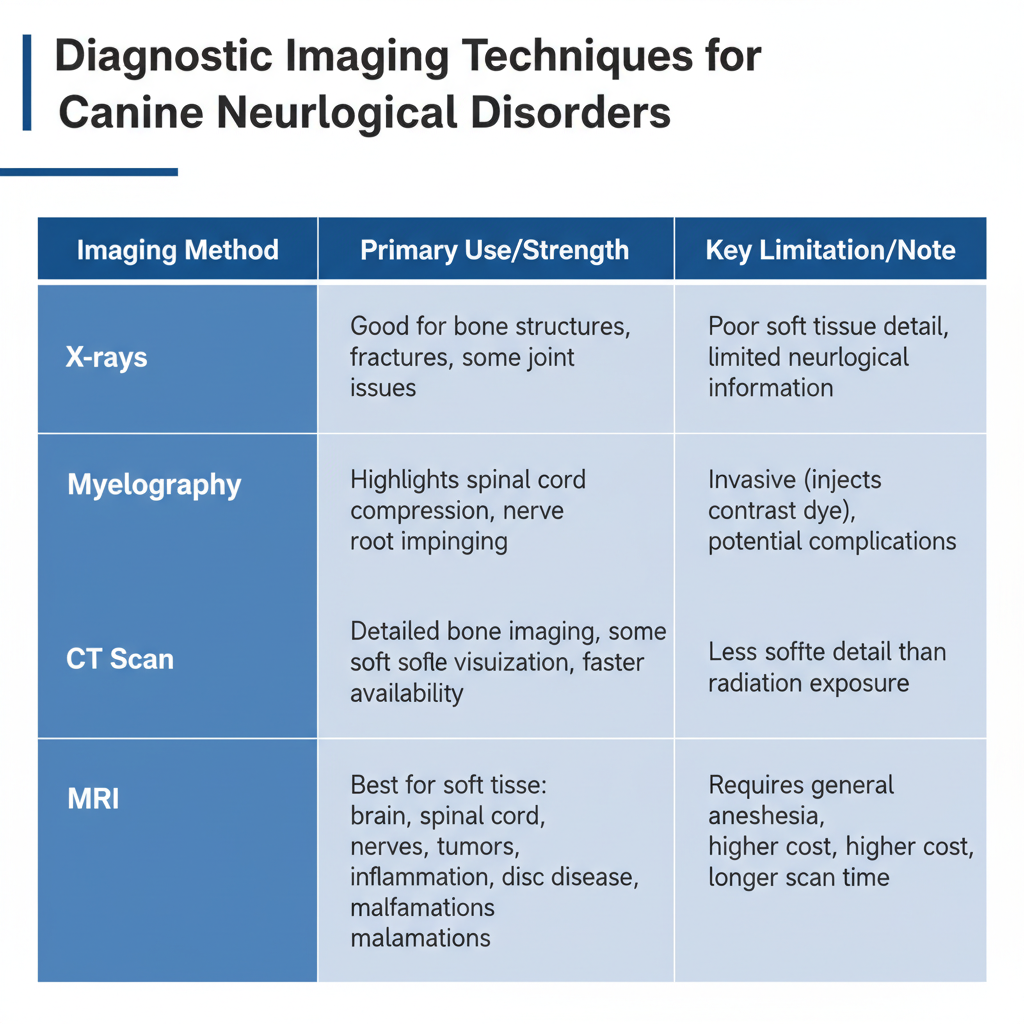
- Diagnostic Imaging:
- X-rays: Can show fractures, disc space narrowing, or some spinal tumors, but aren't great for soft tissues.
- Myelography: A special X-ray where contrast dye is injected into the spinal canal to highlight any spinal cord compression.
- Computed Tomography (CT) Scan: Provides detailed cross-sectional images of the brain and spine, excellent for bone structures and some soft tissue problems.
- Magnetic Resonance Imaging (MRI): This is the best way to get highly detailed images of soft tissues like the brain, spinal cord, and nerves. It's essential for spotting tumors, inflammation, disc disease, and malformations.
- Cerebrospinal Fluid (CSF) Analysis: Your vet collects a small sample of the fluid surrounding the brain and spinal cord to check for infection, inflammation, or abnormal cells.
- Electromyography (EMG) and Nerve Conduction Velocity (NCV): These tests measure the electrical activity of muscles and how fast nerves transmit signals, which is helpful for diagnosing peripheral nerve problems.
- Genetic Testing: For breeds known to carry certain hereditary neurological conditions.
Your vet will figure out which tests make the most sense based on what your dog is showing and what they find during the initial exam.
Treatment for Dog Neurological Disorders
Treating dog neurological disorders differs a lot depending on the specific diagnosis, how severe it is, and what's causing it.
Medical Management:
- Anti-Seizure Medications: For epilepsy, your vet might prescribe drugs like phenobarbital, potassium bromide, levetiracetam, or zonisamide to control seizures.
- Anti-Inflammatory Drugs: Corticosteroids (like prednisone) often help reduce inflammation in conditions like meningitis/encephalitis or acute IVDD. Non-steroidal anti-inflammatory drugs (NSAIDs) can help with pain and milder inflammation.
- Antibiotics/Antifungals/Antivirals: For infectious causes of brain or spinal cord inflammation.
- Pain Management: Pain relievers (like gabapentin, tramadol, NSAIDs) are key for conditions that cause pain, such as IVDD or nerve compression.
- Supportive Care: This can include IV fluids, nutritional support, and managing any secondary problems that pop up (like urinary tract infections or bedsores).
Surgical Intervention:
- IVDD Surgery: To remove herniated disc material that's pressing on the spinal cord.
- Brain Tumor Removal: Sometimes, surgery can remove or shrink brain tumors, depending on their location and type.
- Hydrocephalus Shunt Placement: Surgeons can implant a shunt to drain excess CSF from the brain, relieving pressure.
- Spinal Stabilization: For spinal fractures or severe instability.
Rehabilitation and Physical Therapy:
- Hydrotherapy: Exercises in water can help build strength and improve mobility without putting too much weight on joints.
- Therapeutic Exercises: Targeted exercises help strengthen muscles, improve balance, and increase range of motion.
- Massage and Stretching: To reduce muscle stiffness and improve flexibility.
- Laser Therapy: Can help ease pain, reduce inflammation, and promote healing.
- Acupuncture: Our team at Petscarelab finds it can be a helpful complementary therapy for pain management and neurological function.
- Wheelchairs or Carts: For dogs with permanent paralysis in their back legs, often seen with severe DM or IVDD.
Lifestyle and Home Care:
- Controlled Environment: Create a safe space at home to prevent falls or injuries, especially for pups with balance issues or seizures.
- Mobility Aids: Ramps, non-slip mats, harnesses, and slings can make a big difference for dogs struggling to move around.
- Regular Monitoring: Keep a close eye on your dog for any changes in symptoms or side effects from medications.
- Specialized Diets: In some cases, your vet might recommend specific food.
The outlook for dogs with these conditions can differ greatly, depending on the specific problem, its severity, and how quickly you get them help. Many neurological conditions require lifelong care. Your vet will work closely with you to create the best treatment plan for your beloved dog.