Feeding Your Dog With Kidney Disease: A Comprehensive Guide
When your dog is diagnosed with kidney disease (also called renal disease), it can feel overwhelming. You might notice subtle changes like increased thirst, more frequent potty breaks, or even a loss of appetite and weight. Since your dog's kidneys are vital filters for their blood and play a huge role in staying hydrated, what they eat becomes incredibly important. Crafting the right dog kidney disease diet might seem daunting, but there are many options that can significantly improve your furry friend's comfort and quality of life. Here at Petscarelab, we'll walk you through everything you need to know about feeding a dog with kidney disease, covering the main goals of the diet, top commercial foods, and even how to approach home-cooked meals.
What Your Dog's Kidney Disease Diet Aims To Do
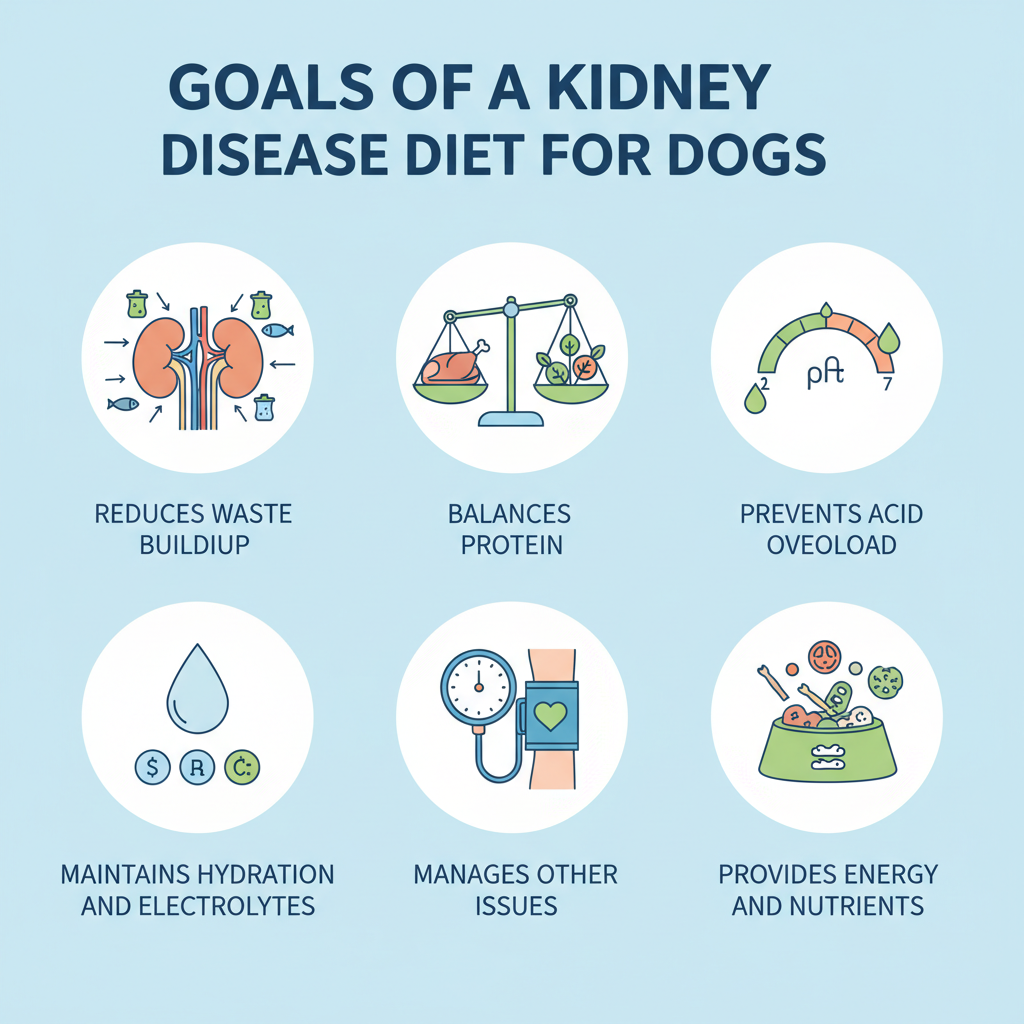
The main purpose of a kidney disease diet isn't just about food; it's about giving your dog's kidneys a much-needed break and easing those uncomfortable symptoms. We want to help your pup feel their best. Here’s what a good kidney diet achieves for your dog:
- Reduces Waste Buildup: As diseased kidneys struggle to filter, waste products like phosphorus and sodium can build up. The right diet helps minimize this accumulation.
- Balances Protein: Your dog still needs protein to stay strong, but too much can overwork tired kidneys. We aim for just the right amount.
- Prevents Acid Overload: Sometimes, kidney disease can cause too much acid in the body (metabolic acidosis). Diet helps keep this in check.
- Maintains Hydration and Electrolytes: We make sure your dog stays properly hydrated and their body's essential minerals are balanced.
- Manages Other Issues: This diet can also help keep other problems, like high blood pressure, under control.
- Provides Energy and Nutrients: Even with kidney disease, your dog needs enough calories and all the essential vitamins and minerals to thrive.
Commercial Foods for Dogs With Kidney Disease
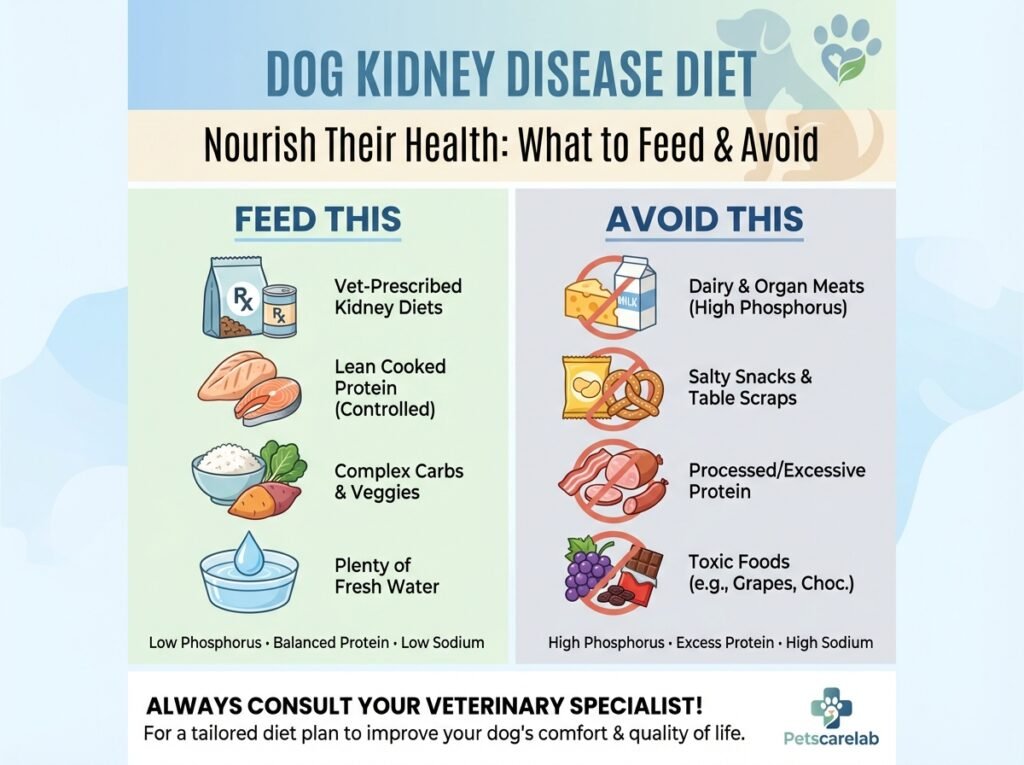
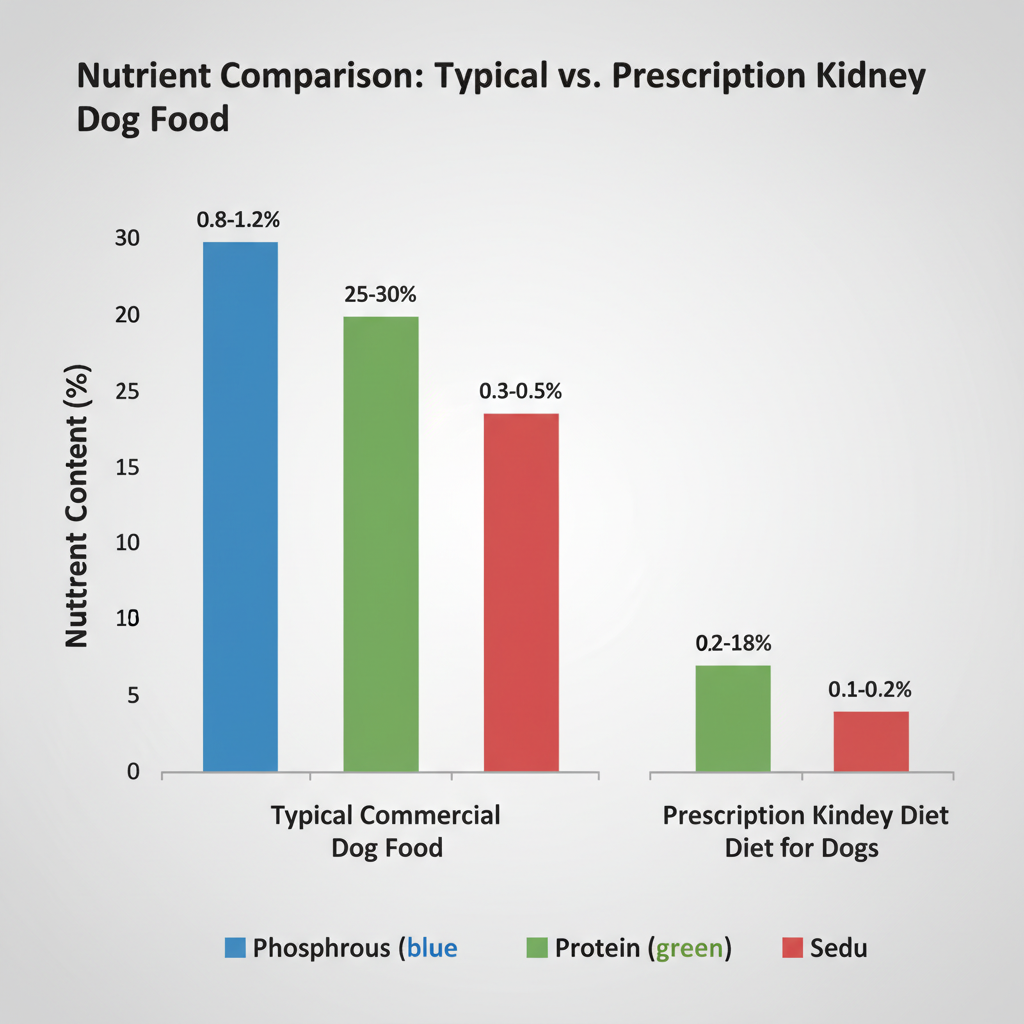
The easiest and often safest way to manage a dog kidney disease diet is with specialized commercial foods. These diets are carefully formulated to meet your dog's unique nutritional needs, typically with lower levels of phosphorus, protein, and sodium, and often boosted with omega-3 fatty acids and antioxidants. When you're ready to switch your dog to a new kidney diet, do it slowly! Gradually mix the new food with their old food over several days to a week. This helps prevent tummy upsets. Your veterinary specialist can give you precise instructions for the transition. You'll find these prescription diets at your vet's office or through online retailers with a prescription.
Some popular commercial kidney diets our team often recommends include:
- Royal Canin Veterinary Diet Renal Support: This brand offers several formulas—Early, A, D, E, and S—each with slightly different nutrient profiles to match various stages and individual needs of kidney disease. You can get it in both wet and dry options.
- Hill’s Prescription Diet k/d: Another trusted name, this diet comes in varieties like original, mobility, and early support, also available as wet or dry food.
- Purina Pro Plan Veterinary Diets NF Kidney Function: This diet focuses on carefully controlled protein and phosphorus while making sure it still tastes great for your pup. It's available in wet and dry.
- Rayne Clinical Nutrition Renal M3: Designed specifically for kidney support, this diet balances moderate protein with precise nutrient ratios.
- Blue Buffalo Natural Veterinary Diet KS Kidney Support: You can find this one in wet and dry formulas, with controlled protein and phosphorus levels.
Choosing the perfect commercial kidney diet for your dog depends on their specific condition, the stage of their kidney disease, and even what flavors they prefer. Our team of veterinary specialists can help you pick the best diet.
Home-Cooked Food for Dogs With Kidney Disease
Sometimes, if your dog is a really picky eater or has allergies to ingredients in commercial foods, home-cooked meals become an option. However, creating a balanced home-cooked dog kidney disease diet is incredibly complex. It needs careful planning and expert guidance from a board-certified veterinary nutritionist to make sure it meets all nutritional requirements and properly manages kidney function. It’s genuinely tough to cook a well-balanced diet for a dog with kidney disease from scratch, so our team strongly recommends having any home-cooked recipes reviewed by a veterinary nutritionist.
These experts can help you put together a recipe that includes just the right amounts of protein, phosphorus, sodium, and other essential nutrients, all while making sure your dog will actually eat it! Remember, commercial prescription diets have undergone extensive feeding trials and are scientifically balanced for dogs with kidney disease. If your dog will eat one of these, it's generally the safer choice. If you do decide to go the home-cooked route, you'll need to watch your dog’s weight, appetite, and overall health very closely. Regular blood work and urine tests are also a must to confirm the diet is working and that your dog isn't missing out on any vital nutrients or developing imbalances.
Here are some common ingredients you might see in home-cooked diets for dogs with kidney disease:
- Protein Sources: Think lean meats like boneless, skinless chicken or turkey breast, lean ground beef, or eggs. These are always cooked and given in specific, controlled portions to manage protein intake.
- Carbohydrates: White rice, pasta, or sweet potatoes can provide much-needed energy without adding too much protein or phosphorus.
- Fats: Small amounts of healthy fats, like salmon oil or flaxseed oil, are great for essential fatty acids and boosting calories.
- Vegetables: Certain veggies, such as green beans or carrots, add fiber and extra nutrients.
- Supplements: Your veterinary specialist might suggest calcium carbonate as a phosphorus binder or B vitamins to replenish those lost due to increased urination. Always chat with your vet before adding any supplements.
What to Do When Your Dog With Kidney Disease Won't Eat
It's heartbreaking when your dog has kidney disease and loses their appetite. This can quickly lead to weight loss and malnourishment. Just getting them to eat can feel like winning half the battle! Our goal is always to provide enough calories and protein, but it's often a real challenge. Here are some strategies we've found helpful to encourage a dog with kidney disease to eat:
- Offer Variety: Try different flavors and textures of prescription kidney diets—wet, dry, different brands—to see what truly tempts your dog.
- Warm the Food: Gently heating wet food can release its aroma, making it much more appealing, like a fresh-cooked meal.
- Add Flavor Enhancers: Ask your vet about safe flavor enhancers. A tiny splash of low-sodium broth, a sprinkle of a favorite herb, or a small piece of an approved low-phosphorus treat might just do the trick.
- Small, Frequent Meals: Instead of one or two big meals, offer several small meals throughout the day. This can feel less overwhelming and encourage more consistent eating.
- Hand-Feeding: Some dogs respond beautifully to being hand-fed. It can offer comfort and a gentle nudge to eat.
- Address Nausea: If your dog feels nauseous, your vet can prescribe anti-nausea medications. These often make a huge difference in appetite.
- Appetite Stimulants: In some situations, your vet might prescribe appetite stimulants to give your dog that extra push to eat.
- Hydration is Key: Always make sure your dog has access to fresh, clean water. Good hydration helps them feel better overall and can even boost their appetite.
- Syringe Feeding: If your dog completely refuses food, your vet might suggest syringe-feeding a highly palatable, calorie-dense liquid diet to prevent severe weight loss.
- Feeding Tube (Severe Cases): For persistent lack of appetite and severe weight loss, a temporary feeding tube might be considered. This ensures they get the nutrition they need to stabilize their health.

Always work closely with your personal veterinarian to create a complete plan to manage your dog's appetite and ensure they get adequate nutrition.
What Not to Feed a Dog With Kidney Disease
Just as important as what to feed your dog with kidney disease is knowing what to keep away from them. Certain foods can make kidney disease much worse and should be completely avoided or severely restricted. Our biggest concerns are foods high in phosphorus, protein, and sodium. Here’s a list of foods to avoid for dogs with kidney disease:
- Foods High in Phosphorus:
- Dairy products: Milk, cheese, yogurt.
- Bone meal and organ meats: Things like liver, kidney, or heart.
- Certain fish: Sardines, anchovies (unless they're part of a vet-approved diet).
- Many commercial dog treats: Especially those where meat is the main ingredient.
- High-phosphorus vegetables: Broccoli, spinach (in large amounts).
- Foods High in Protein:
- Most conventional dog foods: These usually contain higher protein levels than what's safe for dogs with kidney disease.
- Excessive meat or poultry: While some lean protein is necessary, too much will overwork the kidneys.
- Protein supplements: Unless your vet specifically recommends them, steer clear.
- Foods High in Sodium:
- Table scraps and human foods: This includes processed meats (like bacon or deli meat), canned soups, salty snacks (chips, pretzels), and fast food.
- Certain treats: Many commercial dog treats can pack a lot of sodium.
- Other Foods to Avoid:
- Raw diets: These can carry a risk of bacterial contamination and are usually not balanced for kidney disease without expert formulation.
- Foods toxic to dogs: Never give your dog chocolate, grapes, raisins, onions, garlic, or xylitol. These are dangerous for any dog, but especially for those with compromised health.
It's absolutely essential to follow your veterinary specialist's specific dietary recommendations. They'll consider your dog's unique condition and the stage of their kidney disease. Always double-check the ingredients of any food or treat you give your dog to ensure it fits into their kidney diet plan.
What kind of meat can a dog with kidney disease eat?
For a dog on a kidney disease diet, lean meats like boneless, skinless chicken or turkey breast, or lean ground beef are generally recommended. These meats should always be cooked and served in controlled portions, exactly as prescribed by a veterinary specialist. This ensures your dog gets essential protein without putting too much strain on their kidneys. Always follow your vet's specific dietary advice, as they might recommend a specialized commercial kidney diet instead.
Is chicken good for dogs with kidney disease?
Yes, boneless, skinless chicken breast can be a suitable protein source for dogs with kidney disease when it's prepared correctly and given in controlled portions. It's a lean protein, but the amount needs careful management to avoid giving too much protein, which can strain the kidneys. It’s best used as part of a vet-formulated home-cooked diet or as a small, occasional addition to a prescription kidney diet, only with your vet's approval.
Can a dog with kidney disease eat eggs?
Absolutely! Eggs are an excellent protein source for dogs with kidney disease. They're highly digestible and offer a high biological value, meaning your dog’s body can use their protein very efficiently. However, just like with any protein, the portion size must be carefully controlled to meet your dog’s needs without providing excessive protein. Always talk to your veterinarian to figure out the right amount of eggs to include in your dog's specific diet, especially if they're already on a prescription kidney diet.