Dog Food for Bladder Stones: Your Guide to Healing and Prevention
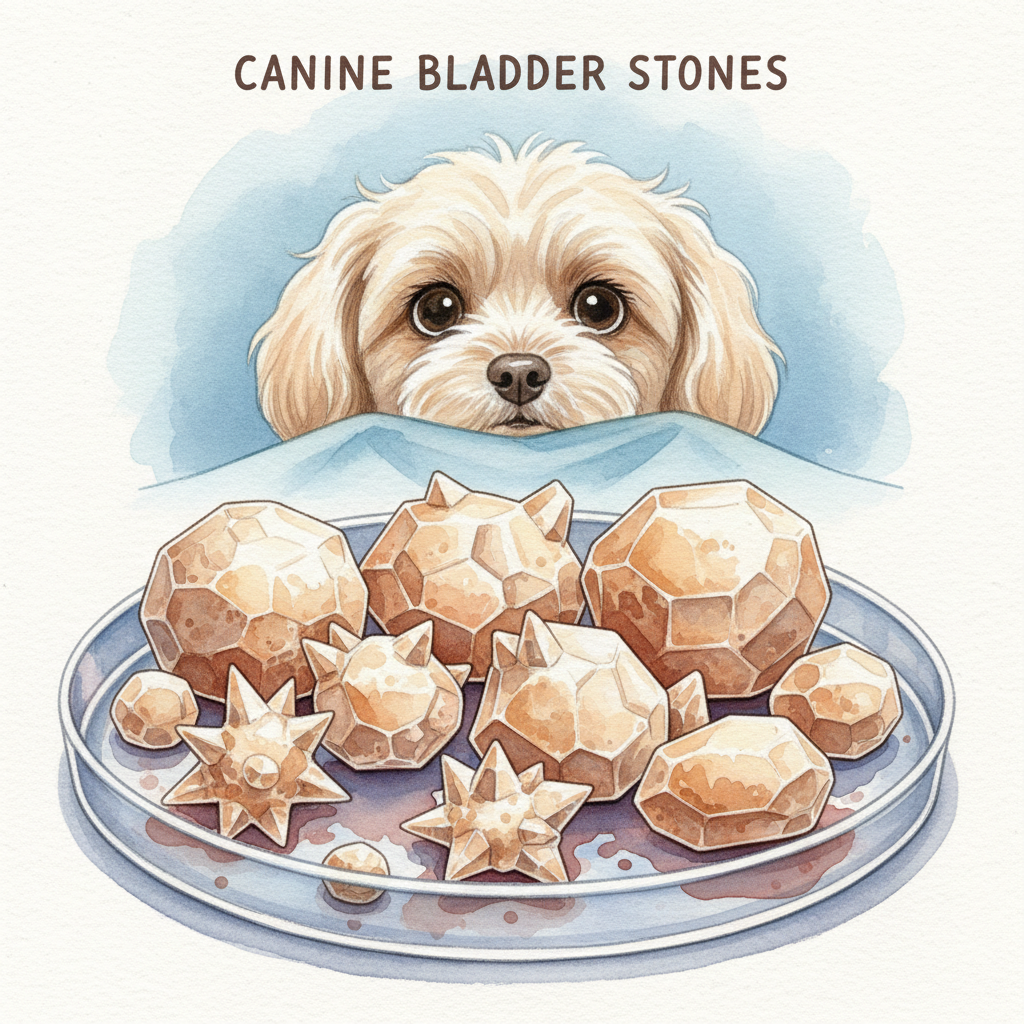
Finding the right dog food for bladder stones is one of the most important steps you can take to help your furry friend heal and prevent future problems. Bladder stones, which vets call uroliths or calculi, are basically mineral crystals that clump together in your dog's urinary tract. They can be tiny, like grains of sand, or grow into larger, painful stones.
These stones aren't just uncomfortable; they're a serious issue that can really hurt your dog. They irritate the bladder, cause inflammation, and can even block the urethra, which is a life-threatening emergency. Certain breeds seem to be more prone to developing bladder stones, including Miniature Schnauzers, Shih Tzus, Bichon Frises, Lhasa Apsos, and Yorkshire Terriers.
How We Diagnose Bladder Stones in Dogs
Keep an eye out for these common signs of bladder stones. If you notice any, it's time to get your pup to the vet:
- Straining hard to pee
- Peeing much more often than usual
- Having accidents inside the house
- Seeing blood in their urine
- Licking their genital area a lot
If you spot any of these red flags, don't wait. Take your dog to the vet for a thorough check-up. Our veterinary specialists will do a physical exam and might recommend some extra tests, like:
- Urinalysis: This looks for crystals, blood, and any signs of infection in their pee.
- Urine culture: This helps us figure out if bacteria are present and causing trouble.
- X-rays or ultrasound: These imaging tests let us peek inside the bladder and spot any stones that might be hiding.
Choosing the Best Dog Food for Bladder Stones
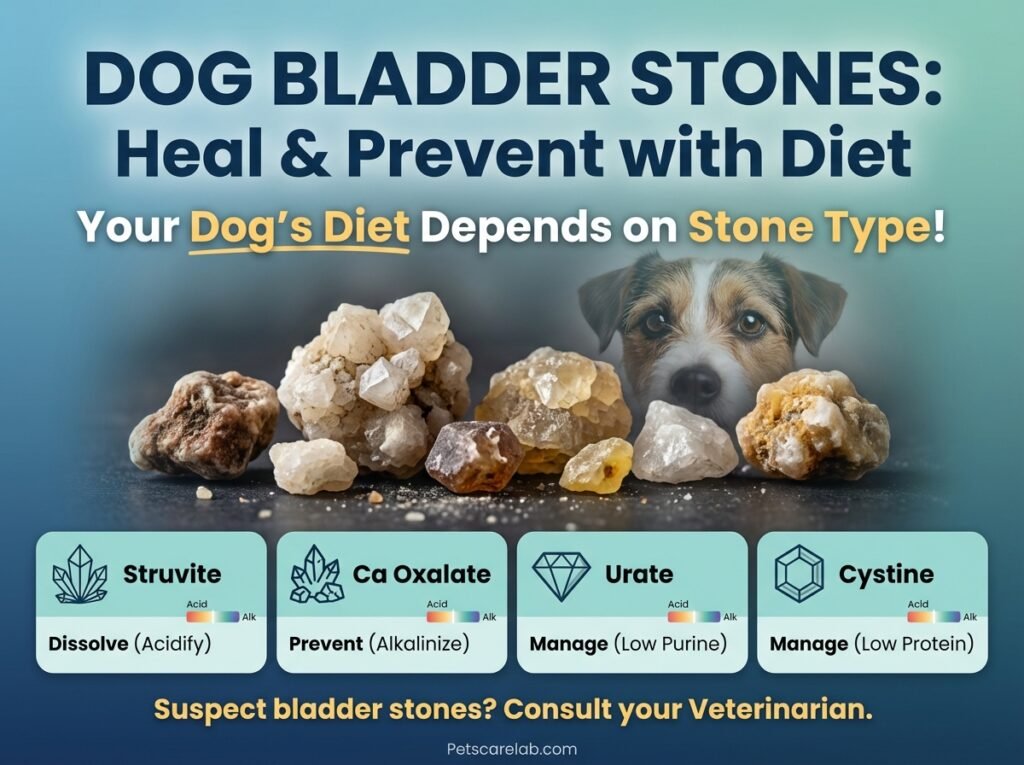
The best dog food for bladder stones really depends on what kind of stone your dog has. Once our team at Petscarelab identifies the stone type, your vet will recommend a specific diet. This diet can do one of two things: either help dissolve the stones already there or stop new ones from forming in the future.
Some bladder stones will disappear with diet changes, while others need surgery. No matter what, though, diet plays a huge role in both managing these stones and keeping them from coming back.
What to Feed a Dog With Struvite Stones
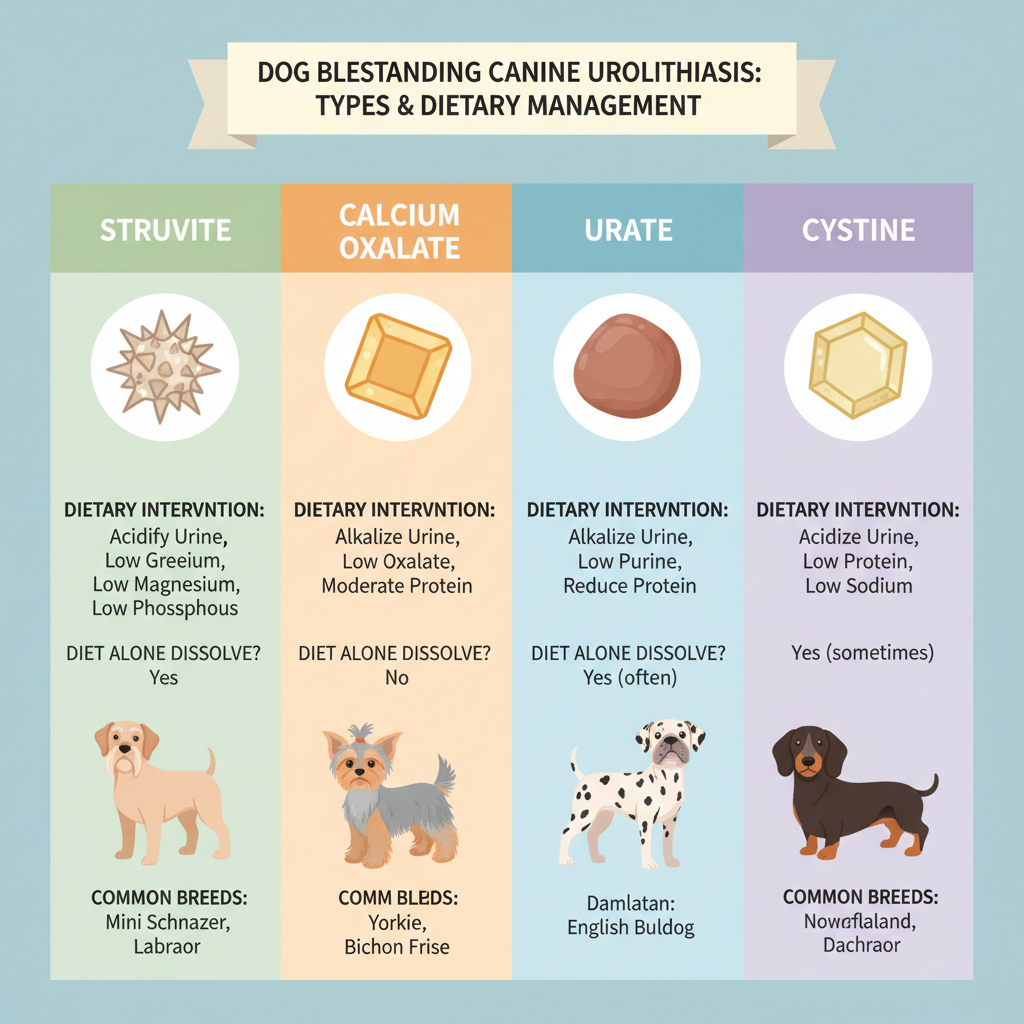
Struvite stones are the most common type of bladder stone we see in dogs. They often pop up alongside urinary tract infections (UTIs). Here’s how it works: bacteria in the bladder produce an enzyme called urease. This enzyme breaks down urea, which then makes your dog's urine more alkaline. That alkaline environment is the perfect breeding ground for struvite crystals.
Many times, we can dissolve struvite stones with a prescription diet and antibiotics to clear up any underlying UTI. Your vet will likely suggest a special diet designed just for this purpose. These diets usually have:
- Less protein: This cuts down on the urea in your dog's urine, which means less ammonia for struvite to form from.
- Less phosphorus and magnesium: These minerals are building blocks for struvite stones, so reducing them helps prevent formation.
- More sodium: Sodium makes your dog drink more water and pee more often. This helps dilute the urine and flush out those extra minerals.
- Acidifying properties: This helps lower the urine's pH, making it more acidic and much less friendly for struvite crystals.
You'll find fantastic options like Royal Canin Urinary SO, Hill's Prescription Diet s/d, and Purina Pro Plan Veterinary Diets UR Urinary St/Ox available.
Most dogs will stay on a struvite dissolution diet for weeks or even months, until every last stone is gone. Your vet will keep a close eye on your dog with regular X-rays or ultrasounds to confirm they've completely disappeared. If the stones aren't dissolving or your pup's condition worsens, surgery might become the next best step.
What to Feed a Dog With Calcium Oxalate Stones
Calcium oxalate stones are the second most common bladder stone we see. Unlike struvite stones, diet alone won't dissolve these; they usually need surgical removal. However, diet becomes incredibly important *after* surgery to stop new calcium oxalate stones from forming.
Prescription diets for preventing calcium oxalate stones typically feature:
- Moderate protein: While not as critical as with struvite, a balanced protein level is still beneficial.
- Controlled calcium and oxalate: These foods are carefully made to provide just the right amounts of calcium and oxalate, without any excess that could lead to new crystals.
- Alkalinizing properties: Calcium oxalate stones actually prefer acidic urine. So, these diets aim to increase urine pH, making it more alkaline and less inviting for these crystals to form.
- Increased moisture: More moisture means more diluted urine, which helps lower the concentration of those stone-forming minerals.
You'll find excellent preventative diets like Royal Canin Urinary SO (which can help with both struvite dissolution and calcium oxalate prevention), Hill's Prescription Diet u/d, and Purina Pro Plan Veterinary Diets UR Urinary St/Ox.
Dogs prone to calcium oxalate stones will probably need to stay on a special preventive diet long-term—possibly for life—to keep new stones from popping up. Regular urine checks and occasional imaging will also be super important.
What to Feed a Dog With Urate Stones
Urate stones are less common but can be a real headache, especially for breeds like Dalmatians, English Bulldogs, and Russian Terriers. These breeds have a genetic quirk that affects how their bodies handle purines. Purines are compounds found in many foods, and when broken down, they create uric acid, which can then turn into urate stones.
Sometimes, we can dissolve urate stones with a prescription diet, often along with medication (like allopurinol) to cut down on uric acid production. Prescription diets for urate stones usually have:
- Less protein (especially purines): These foods are low in purines to reduce how much uric acid your dog's body makes.
- Alkalinizing properties: Just like calcium oxalate stones, urate stones like acidic urine. These diets help raise the urine pH to an alkaline level to prevent crystal formation.
- Increased moisture: Diluted urine helps reduce the concentration of all those stone-forming substances.
You might see diets like Hill's Prescription Diet u/d and Royal Canin Urinary UC Low Purine recommended.
Your dog will likely need to eat these specialized foods long-term, perhaps for their whole life, to prevent stones from coming back. Regular vet check-ups and urine monitoring are key here.
What to Feed a Dog With Cystine Stones
Cystine stones are quite rare. They're caused by a genetic condition called cystinuria, which means your dog's kidneys struggle to reabsorb a specific amino acid called cystine. This leads to high levels of cystine in the urine, which then forms stones. We see cystinuria more often in breeds like Newfoundlands, Labrador Retrievers, and English Bulldogs.
We can sometimes dissolve cystine stones with a combination of diet and medication (such as Thiol compounds like 2-MPG or D-penicillamine). Prescription diets for cystine stones typically offer:
- Reduced protein: Lower protein intake helps cut down the overall amount of amino acids, including cystine, in the urine.
- Alkalinizing properties: Cystine doesn't dissolve well in acidic urine. So, these diets aim to boost urine pH to make it more alkaline, helping to prevent crystal formation.
- Increased moisture: Diluted urine can help stop cystine from concentrating too much.
Great options for managing cystine stones include Hill's Prescription Diet u/d and Royal Canin Veterinary Diet Urinary UC Low Purine.
Dogs with cystinuria generally need lifelong diet management and possibly medication to keep stones from recurring. Regular check-ups with your vet are absolutely vital.
Can I give my dog regular food if they have bladder stones?
No, you really shouldn't feed a dog with bladder stones regular over-the-counter dog food. These everyday foods just aren't designed to handle the specific mineral and pH balance needed to dissolve or prevent bladder stones. Your vet will almost always prescribe a special diet, custom-tailored to the exact type of stone your dog has.
How long does it take for a dog's bladder stones to dissolve with food?
How quickly bladder stones dissolve with a prescription diet really depends on the type and size of the stones, and how your individual dog responds to the food.
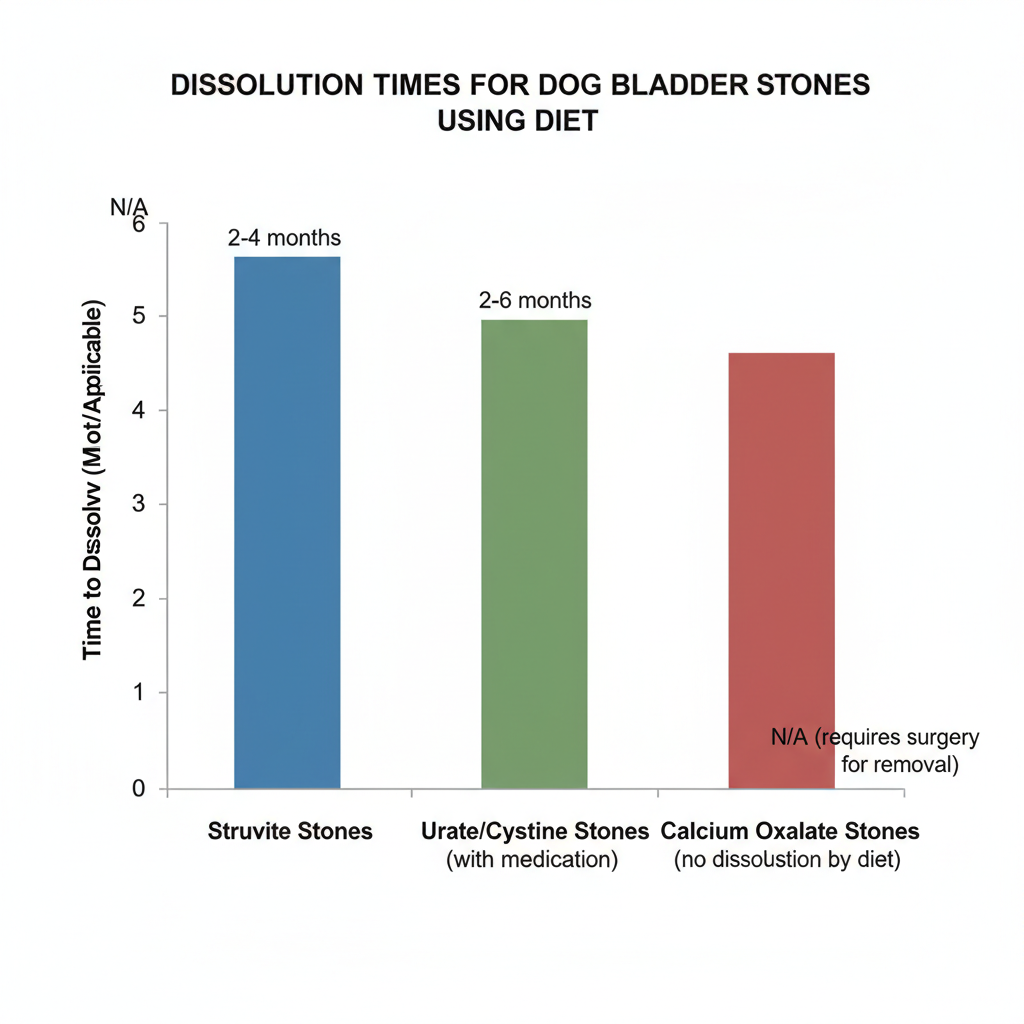
- Struvite stones: These can take anywhere from a few weeks to several months (often 2-4 months) to completely disappear. Your vet will use regular X-rays or ultrasounds to track the dissolution process.
- Calcium oxalate, urate, and cystine stones: These types often won't dissolve with diet alone and might need surgery. If we try dietary dissolution for urate or cystine stones, it can also take weeks to months, usually with medication alongside.
It's super important to stick strictly to your vet's recommendations and the diet for the whole prescribed time.
What foods should I avoid if my dog has bladder stones?
The specific foods to avoid depend entirely on the type of bladder stone:
- For Struvite stones: Stay away from foods high in phosphorus and magnesium.
- For Calcium Oxalate stones: Avoid foods very high in calcium and oxalate (think spinach, sweet potatoes, organ meats, or some nuts).
- For Urate stones: Skip foods packed with purines (like organ meats such as liver and kidney, certain fish like sardines, game meats, and yeast).
- For Cystine stones: Avoid foods very high in protein, especially those with lots of sulfur-containing amino acids.
As a general rule, don't give your dog table scraps, treats your vet hasn't approved, or anything that could mess with the delicate urinary balance the prescription diet is trying to create. Always chat with your veterinarian for a precise list of foods to avoid based on your dog's unique situation.
How can I make my dog drink more water with bladder stones?
Getting your dog to drink more water is incredibly important when they have bladder stones. It helps dilute their urine and flush out those pesky minerals. Here are some tricks that often work:
- Mix it in: Add warm water or a little low-sodium broth to their dry kibble.
- Go wet: Canned prescription diets naturally have much more moisture than dry food.
- Offer options: Place several water bowls in different spots around the house.
- Try a fountain: Some dogs just love the appeal of running water from a pet drinking fountain.
- Ice, ice baby: Pop some ice cubes into their water bowl; it can make drinking more exciting.
- Lightly flavor: A tiny splash of low-sodium chicken broth can sometimes encourage drinking, but always check with your vet first to make sure it won't interfere with their special diet.
- Keep it spotless: Wash their water bowls every single day to keep them sparkling clean and the water tasting fresh.