Spotting and Treating an Enlarged Heart in Dogs
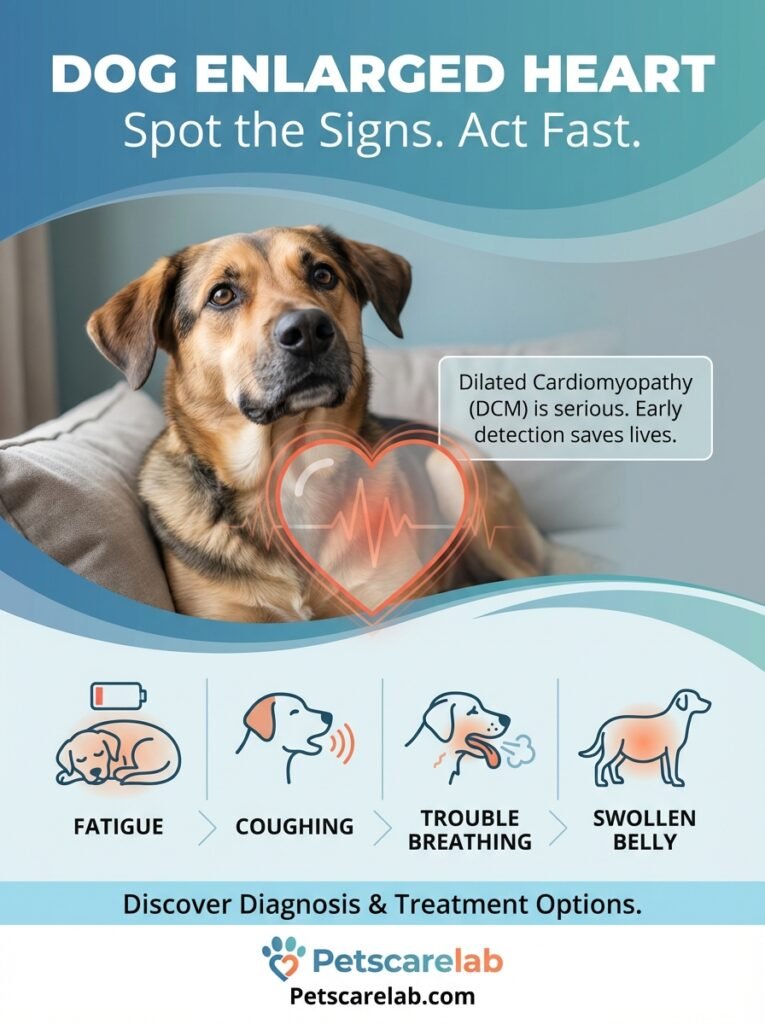
It's a scary phrase no pet parent wants to hear: enlarged heart in dogs, also known as Dilated Cardiomyopathy (DCM). This serious heart condition makes your pup's heart muscle weak, leading to poor pumping ability. Imagine their heart working overtime but not effectively – it gets bigger, struggling to keep up, and often causes fluid to build up in their lungs or belly. Our team at Petscarelab knows how vital early detection is. While DCM progresses over time, getting an early diagnosis and starting treatment can really help manage your dog's condition and give them a better quality of life.
Signs Your Dog Might Have an Enlarged Heart
An enlarged heart in dogs often hides its early signs. Your pup might seem perfectly normal at first. But as the disease progresses, keep a close eye out for these red flags:
- Feeling tired or weak more often
- Not wanting to eat much
- Losing weight without trying
- Struggling to breathe
- A persistent cough
- Fainting or collapsing
- A swollen belly (from fluid buildup)
- A faster heart rate than usual

Why Do Dogs Get an Enlarged Heart?
Often, we don't know the exact reason why a dog develops an enlarged heart – veterinary specialists call this "idiopathic." But our research points to several factors that can contribute to this tough condition:
- Genetics: DCM has a strong genetic link. Certain large and giant dog breeds are just born with a higher chance of developing it.
- Nutritional Gaps: Not getting enough important nutrients, like taurine or L-carnitine, has been connected to DCM in some breeds.
- Toxins: Exposure to certain harmful substances, like some chemotherapy drugs, can damage your dog's heart muscle.
- Infections: Viral infections (think parvovirus) can sometimes lead to heart muscle damage and kickstart DCM.
- Other Health Issues: Conditions like hyperthyroidism or very high blood pressure can sometimes play a role in heart enlargement and how well the heart functions.
Dog Breeds at Higher Risk for an Enlarged Heart
While any dog can develop an enlarged heart, some breeds face a much higher risk. This condition usually pops up in large and giant dogs, often between 4 and 10 years old. Male pups tend to be affected more than females. Watch out for these breeds, as they're more likely to develop DCM:
- Doberman Pinschers
- Boxers
- Great Danes
- Irish Wolfhounds
- Newfoundlands
- Cocker Spaniels
- Saint Bernards
- Afghan Hounds
- German Shepherds
- Portuguese Water Dogs
- Labrador Retrievers (less common, but we've seen cases)

How Our Team Diagnoses an Enlarged Heart in Dogs
When we suspect your dog has an enlarged heart, getting a clear diagnosis means doing a few different tests. Our veterinary specialists typically combine these methods to get the full picture:
- Physical Exam: Your vet will listen to your dog's heart for any strange sounds or irregular beats and check for signs of fluid buildup.
- Chest X-rays: These pictures can show if the heart is enlarged and if there's fluid in the lungs (pulmonary edema).
- Electrocardiogram (ECG): An ECG measures the heart's electrical activity, helping us spot any irregular heart rhythms.
- Echocardiogram (Cardiac Ultrasound): This is the gold standard! It gives us real-time images of the heart, letting us check its size, how thick the muscle is, and most importantly, how well it's pumping.
- Blood Tests: We'll run blood work to check overall health, rule out other problems, and make sure organs like the kidneys and liver (which heart failure can affect) are doing okay. Specific blood tests, called cardiac biomarkers, can also tell us if the heart is under stress.
- Genetic Testing: For some breeds, like Doberman Pinschers and Boxers, special genetic tests are available to identify gene mutations linked to DCM.
Treating an Enlarged Heart in Dogs
There's no magic cure for an enlarged heart in dogs, but don't lose hope. Treatment focuses on making your pup feel better, helping their heart work more effectively, and slowing down how fast the disease gets worse. Typically, our veterinary specialists will prescribe a combination of medications, carefully chosen for your dog's specific needs:
- Diuretics: These drugs help flush out extra fluid from your dog's body, easing congestion in the lungs and belly.
- ACE Inhibitors: These medications relax blood vessels, lower blood pressure, and lighten the load on your dog's heart.
- Pimobendan (Vetmedin): This is a cornerstone of DCM treatment. It helps the heart pump stronger and reduces its workload.
- Beta-Blockers: These can help control heart rate and manage certain irregular rhythms.
- Anti-arrhythmic Medications: If your dog has severe heart rhythm problems, specific drugs can help stabilize their heartbeat.
- Nutritional Support: If we find a taurine or L-carnitine deficiency, supplements can be very helpful. Your vet might also suggest a low-sodium diet.
Every dog's treatment plan is unique, tailored to their specific condition and symptoms. Regular follow-up appointments and monitoring are crucial to adjust medications as needed.
What to Expect: Prognosis for Dogs with an Enlarged Heart
Understanding the prognosis for dogs with an enlarged heart can be tough, as it really depends on a few things: how early we catch the disease, your dog's breed, and how well they respond to treatment. It's important to know that DCM is a progressive condition, meaning it will get worse over time.
- Catching it Early: If we diagnose DCM in its early stages, especially before congestive heart failure sets in, treatment can help extend your dog's life and maintain a good quality of life for months to a few years.
- Late Diagnosis (with Heart Failure): Once congestive heart failure develops, the outlook is generally more serious, with survival times often ranging from a few months to a year, even with aggressive treatment.
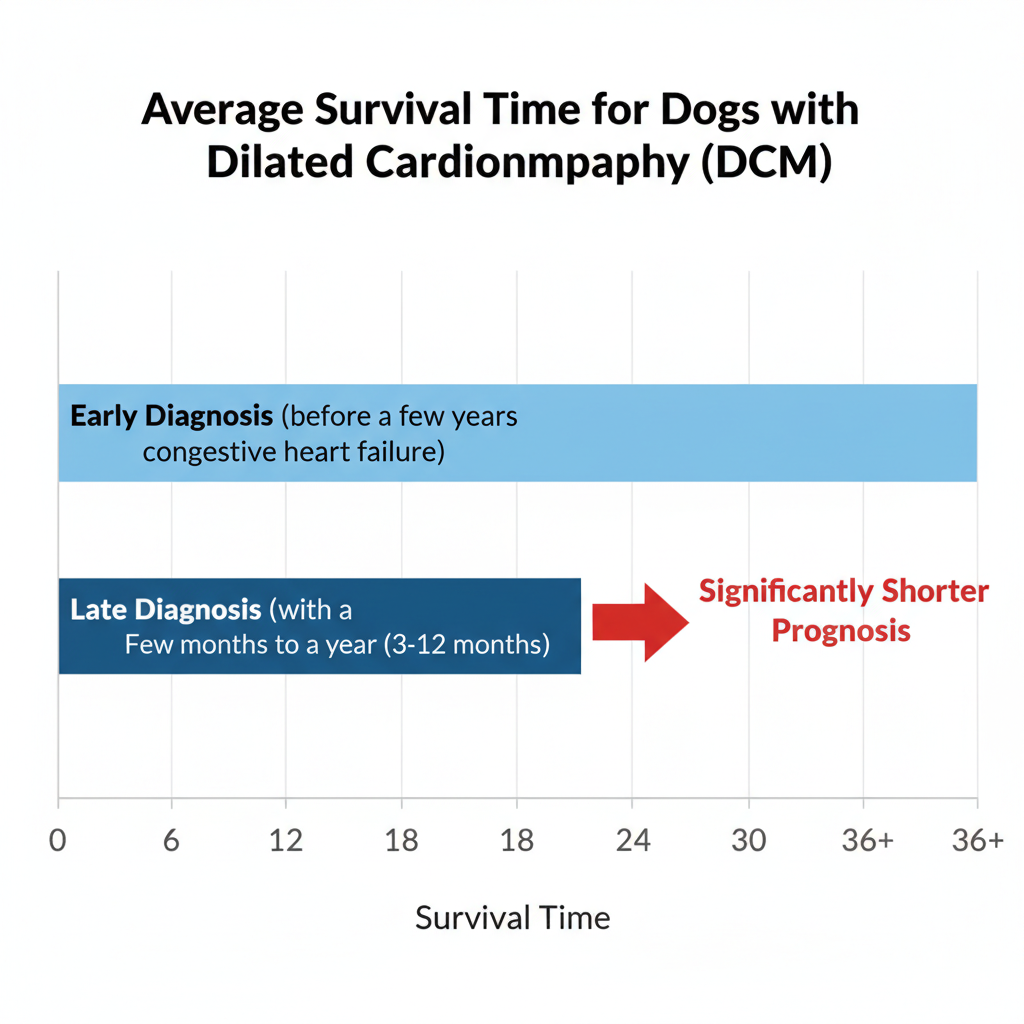
Catching it early is absolutely crucial for a better outcome. Regular vet check-ups are a must, especially if you have a breed known to be at high risk for DCM. If your dog is one of those breeds, our team at Petscarelab often recommends routine screenings, like echocardiograms, even if your pup seems perfectly healthy.