What to Feed a Dog with Diarrhea
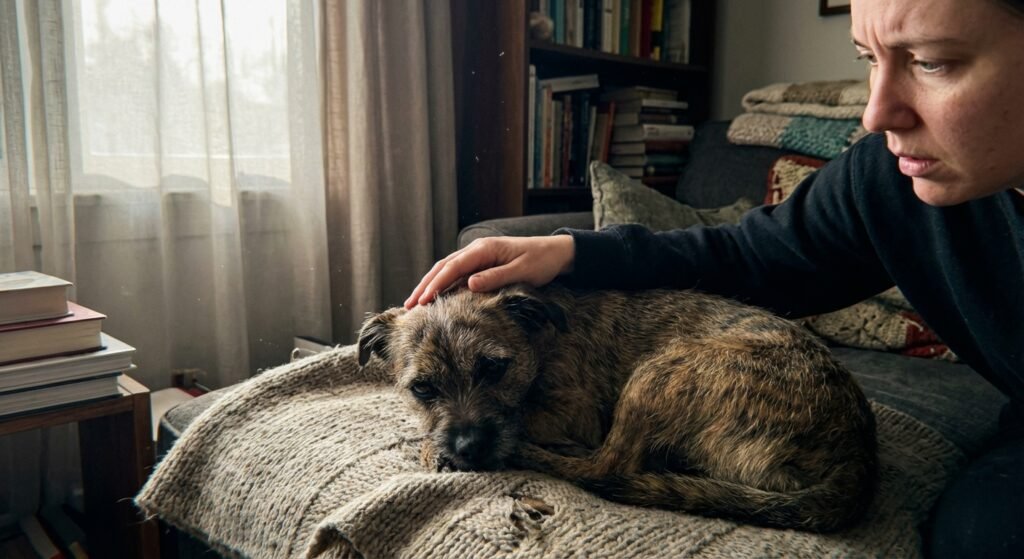
Witnessing your beloved canine companion struggle with diarrhea can be a deeply unsettling experience for any pet parent. While occasional mild digestive upset might resolve on its own, understanding the appropriate dog diarrhea food to offer—or withhold—is paramount for their comfort and swift recovery. At Petscarelab, our expert team recognizes that while some cases of dog diarrhea are fleeting, others signal a more serious underlying issue requiring immediate veterinary attention. Equipping yourself with the right knowledge about supportive feeding strategies is a crucial step in caring for your dog when their stomach is unsettled.
What Causes Diarrhea in Dogs?
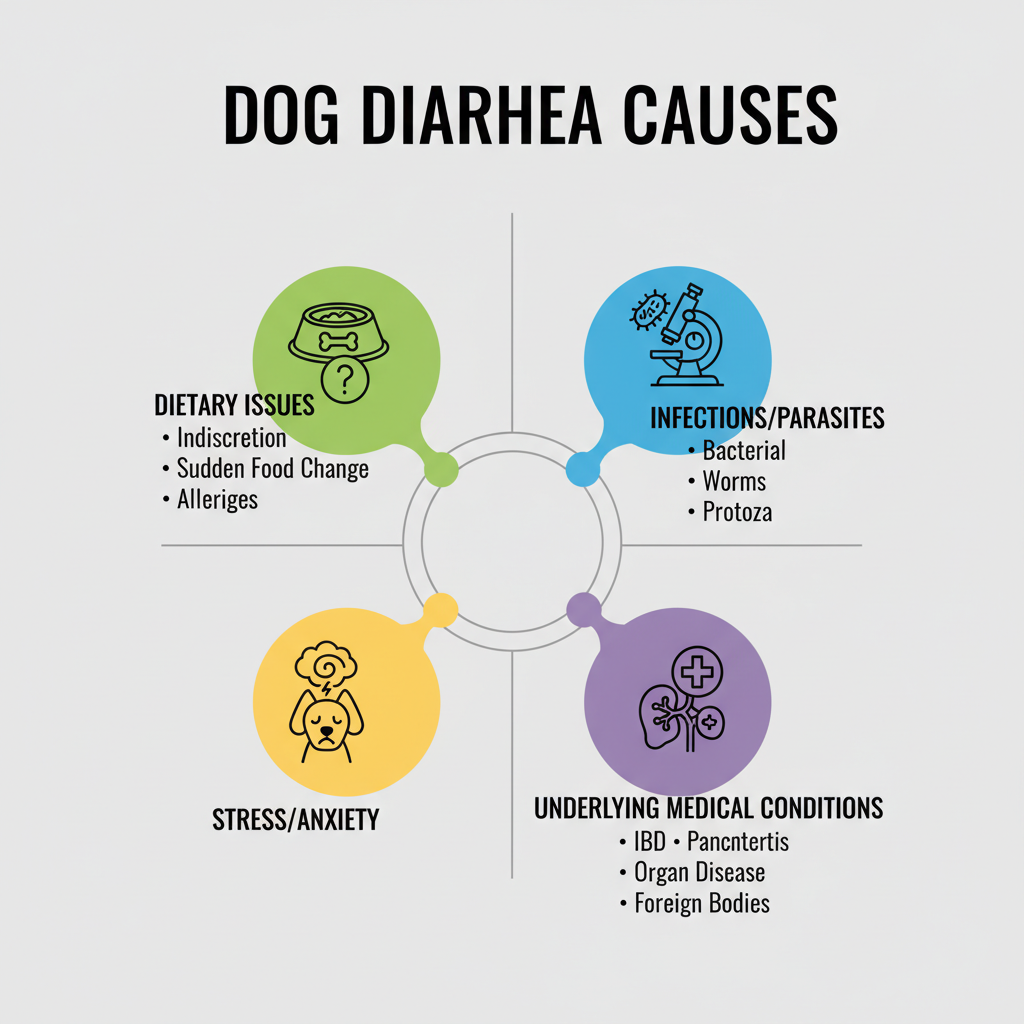
Diarrhea is a common symptom, not an illness in itself, signaling that something is amiss within your dog's digestive system. Its origins are remarkably diverse and can range from benign to severe:
- Dietary Indiscretion: The classic culprit – your dog simply ate something they shouldn’t have, be it scavenging from the garbage, encountering spoiled food, or indulging in an excessive amount of treats.
- Sudden Food Changes: An abrupt switch in their regular dog food can overwhelm their digestive tract, leading to upset. Gradual transitions are always best.
- Food Allergies or Sensitivities: Certain ingredients in their diet might trigger an adverse, inflammatory reaction in their gut.
- Internal Parasites: Uninvited guests like roundworms, hookworms, whipworms, or microscopic protozoa such as Giardia and Coccidia can wreak havoc on intestinal health.
- Bacterial Infections: Pathogens like Salmonella or Clostridium can cause significant gastrointestinal distress.
- Viral Infections: Serious viruses, including parvovirus, distemper, or coronavirus, often manifest with severe diarrhea.
- Stress or Anxiety: Just like humans, dogs can experience gastrointestinal upset when faced with environmental changes, separation anxiety, or routine disruptions.
- Ingestion of Toxins: Consuming poisonous plants, household chemicals, or certain human medications can swiftly lead to severe digestive symptoms.
- Inflammatory Bowel Disease (IBD): A chronic and often debilitating condition where the digestive tract experiences persistent inflammation.
- Pancreatitis: Inflammation of the pancreas, a vital organ for digestion, can cause severe abdominal pain and diarrhea.
- Kidney or Liver Disease: Advanced organ dysfunction can sometimes manifest with various gastrointestinal symptoms, including diarrhea.
- Certain Medications: Some drugs, particularly antibiotics, can disrupt the natural balance of gut flora, leading to diarrhea as a side effect.
- Foreign Body Obstruction: If your dog swallows an indigestible object that gets lodged in their digestive tract, it can cause severe symptoms, including vomiting and diarrhea.
When Should You Be Concerned About Diarrhea in Your Dog?
While a mild, single episode of diarrhea might resolve on its own, certain accompanying symptoms are red flags that demand immediate veterinary attention. As conscientious pet parents, knowing these indicators is critical:
- Profound Lethargy or Weakness: If your dog seems unusually tired, unresponsive, or struggles to stand.
- Repeated or Persistent Vomiting: Especially if it's occurring frequently alongside diarrhea.
- Complete Loss of Appetite or Refusing to Drink Water: Dehydration can quickly become a life-threatening concern.
- Fever: Indicated by a warm nose, ears, or general malaise.
- Visible Abdominal Pain or Discomfort: Such as a distended or sensitive belly, hunched posture, or restlessness.
- Bloody Diarrhea: Bright red streaks indicate fresh blood, while dark, tarry stools (melena) suggest digested blood from higher in the digestive tract. Both are serious.
- Diarrhea Lasting More Than 24-48 Hours: Prolonged diarrhea, even if mild, can lead to dehydration and nutrient loss.
- Puppies or Elderly Dogs: These age groups are particularly vulnerable to dehydration and the complications of diarrhea.
- Known or Suspected Ingestion of a Toxin or Foreign Body: If you suspect your dog has eaten something dangerous, act immediately.
If your dog exhibits any of these worrying signs, do not hesitate; contact your veterinarian immediately.
What to Feed a Dog with Diarrhea
If your dog is experiencing mild diarrhea but is otherwise maintaining their usual energy levels and playful demeanor, you can often begin supportive care at home by offering specific dog diarrhea food designed to be gentle on their digestive system. The primary objective of a bland diet is to provide essential, easily digestible nutrients without further irritating an already sensitive stomach and intestines.
Fasting
For healthy adult dogs experiencing a sudden onset of mild diarrhea, your veterinarian may recommend a brief 12-24 hour fast. This temporary withholding of food allows their overworked digestive system crucial time to rest, recover, and potentially reset itself.
Important Note: It is absolutely vital not to fast puppies or small-breed adult dogs, as they are highly susceptible to hypoglycemia (dangerously low blood sugar). Always consult your veterinarian before implementing any fasting regimen for your dog.
During any period of fasting, ensure your dog has continuous, easy access to an abundant supply of fresh, clean water to prevent the critical risk of dehydration.
Bland Dog Diarrhea Food
Following a recommended fast, or if your veterinarian advises against fasting due to your dog's specific needs, the next step in gentle care involves introducing a carefully chosen bland diet. This approach focuses on easily digestible, low-fat dog diarrhea food options.
Here are the cornerstone components of an effective bland diet:
- Plain, Boiled Chicken (Skinless, Boneless): Chicken is an excellent source of lean protein, making it gentle on the stomach and easily assimilated.
- Boil chicken breasts or thighs until they are thoroughly cooked through.
- Shred or cut the cooked chicken into very small, manageable pieces.
- Crucially, do NOT add any seasonings, oils, or spices – simplicity is key.
- Plain, Boiled White Rice: White rice, due to its low fiber content, is a readily digestible carbohydrate that helps bind stools.
- Cook white rice thoroughly until soft and tender.
- Again, do NOT add any butter, oil, or seasonings.
- Avoid brown rice during this time, as its higher fiber content can be too harsh for an upset digestive system.
- Plain, Boiled Lean Ground Beef (Thoroughly Drained): For dogs with a sensitivity or allergy to chicken, lean ground beef can serve as a suitable protein alternative.
- Boil or sauté the lean ground beef until it is completely cooked through.
- It is imperative to drain ALL fat from the beef before serving to prevent further digestive upset.
- As always, do NOT add any seasonings.
- Plain Pumpkin (Canned, 100% Pure Pumpkin Puree): This natural marvel is a fantastic source of soluble fiber, which can miraculously help to regulate bowel movements, firming loose stools, and soothing the digestive tract.
- Ensure you select 100% pure pumpkin puree, explicitly avoiding pumpkin pie filling, which contains added sugars and spices that are detrimental to a sensitive stomach.
- Offer in small, appropriate amounts: typically 1-2 tablespoons for smaller dogs and 2-4 tablespoons for larger dogs, mixed carefully with other bland foods.
- Boiled Potatoes (Plain, Skinless): Another excellent and easily digestible source of carbohydrates, providing energy without taxing the digestive system.
- Boil potatoes until they are very soft.
- Mash them thoroughly without adding any butter, milk, or seasonings.
How to Serve a Bland Diet for Your Dog's Diarrhea:
- Start Small and Frequent: Instead of offering one or two large meals, provide small, frequent portions (3-4 times a day) to minimize the workload on their digestive system.
- Chicken and Rice Ratio: A widely recommended and effective ratio is one part cooked chicken to two parts cooked white rice.
- Prioritize Hydration: Continue to provide abundant fresh water. To encourage fluid intake and replenish electrolytes, you can also offer small amounts of low-sodium chicken or beef broth (absolutely ensure it contains no onion or garlic, which are toxic to dogs).
- Vigilant Monitoring: Observe your dog closely for any signs of improvement or, conversely, any worsening of their symptoms.
Foods to Avoid When Your Dog Has Diarrhea
When your dog is suffering from diarrhea, it is absolutely critical to avoid any foods that could further irritate their already delicate digestive system or exacerbate their condition. Understanding what not to feed your dog is just as important as knowing what bland dog diarrhea food to offer:
- Their Regular Dog Food: Even if it's a high-quality, trusted brand, its usual richness and complexity might be too challenging for a compromised stomach to process effectively.
- Fatty Foods: High-fat content is a major culprit for worsening diarrhea and can even trigger painful pancreatitis. Absolutely steer clear of table scraps, bacon, sausages, fried foods, or any greasy items.
- Dairy Products: Many dogs are lactose intolerant, and dairy products can quickly escalate diarrhea symptoms.
- Spicy or Seasoned Human Foods: Any human foods prepared with spices, onions, garlic, chives, or other common seasonings are either highly irritating or downright toxic to dogs.
- Commercial Treats and Chews: Most commercial treats are formulated with rich ingredients, artificial flavors, or fillers that are entirely unsuitable for a sensitive stomach.
- Raw Foods: While some dogs thrive on raw diets, during a bout of diarrhea, raw food can potentially introduce bacteria that could worsen symptoms or complicate recovery.
Transitioning Back to Regular Food
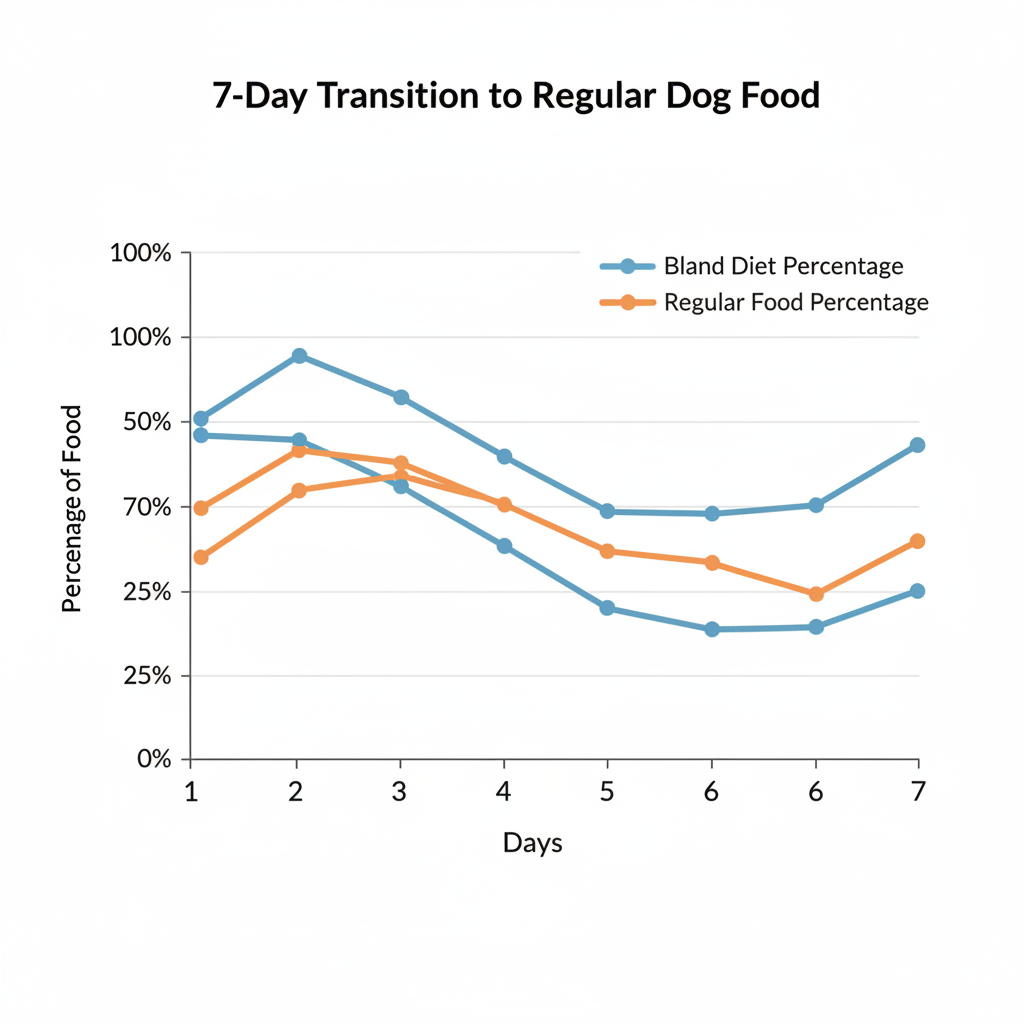
Once your dog's stools have consistently returned to their normal, healthy consistency for a solid 24-48 hours, you can begin the careful process of gradually reintroducing their regular diet.
This transition should be slow and deliberate, spanning 3-5 days, to prevent any relapse of digestive upset:
- Day 1-2: Offer a mix of 75% bland diet (the recommended dog diarrhea food) and 25% their regular dog food.
- Day 3-4: Adjust the ratio to 50% bland diet and 50% regular dog food.
- Day 5-6: Move to 25% bland diet and 75% regular dog food.
- Day 7: Your dog should now be able to consume 100% of their regular food.
If at any point during this transition diarrhea returns, gently revert to the previous step in the process and extend the duration of each phase. Patience is key to a full recovery.
Probiotics for Dogs With Diarrhea
Probiotics can be an incredibly beneficial addition to your dog's recovery plan after a bout of diarrhea. These beneficial bacteria work to restore the delicate balance of the gut microbiome, which is often disrupted during digestive upset or antibiotic treatment.
- Consult Your Veterinarian: It is always essential to discuss the use of probiotics with your veterinarian. They can recommend a high-quality, canine-specific probiotic strain that is most appropriate for your dog's individual condition and needs.
- Optimal Usage: Probiotics are frequently administered during and after courses of antibiotics, or specifically to help re-establish robust gut health and function following a significant episode of diarrhea.
When to See a Vet for Dog Diarrhea
While knowing what dog diarrhea food to offer is helpful, it is always prudent to consult your veterinarian, even for cases of seemingly mild diarrhea. Their professional expertise can help accurately identify the underlying cause and recommend the most effective and appropriate course of action for your cherished companion.
Seek immediate veterinary care without delay if your dog:
- Is a fragile puppy or an elderly dog.
- Exhibits severe, profuse, or watery diarrhea.
- Is experiencing repeated or projectile vomiting.
- Appears lethargic, weak, unresponsive, or collapses.
- Has bloody stools (bright red or dark, tarry) or mucus in their stool.
- Shows signs of pain, discomfort, or a distended abdomen.
- Has diarrhea that persists for more than 24 hours.
Your veterinarian will likely perform a thorough physical examination, potentially recommending fecal tests, blood work, or imaging studies to precisely diagnose the cause of the diarrhea. Based on their findings, they can then prescribe necessary medications, administer fluid therapy to combat dehydration, or suggest a specialized therapeutic diet tailored to your dog's recovery needs.