What to Expect: Your Dog's Behavior After Neutering
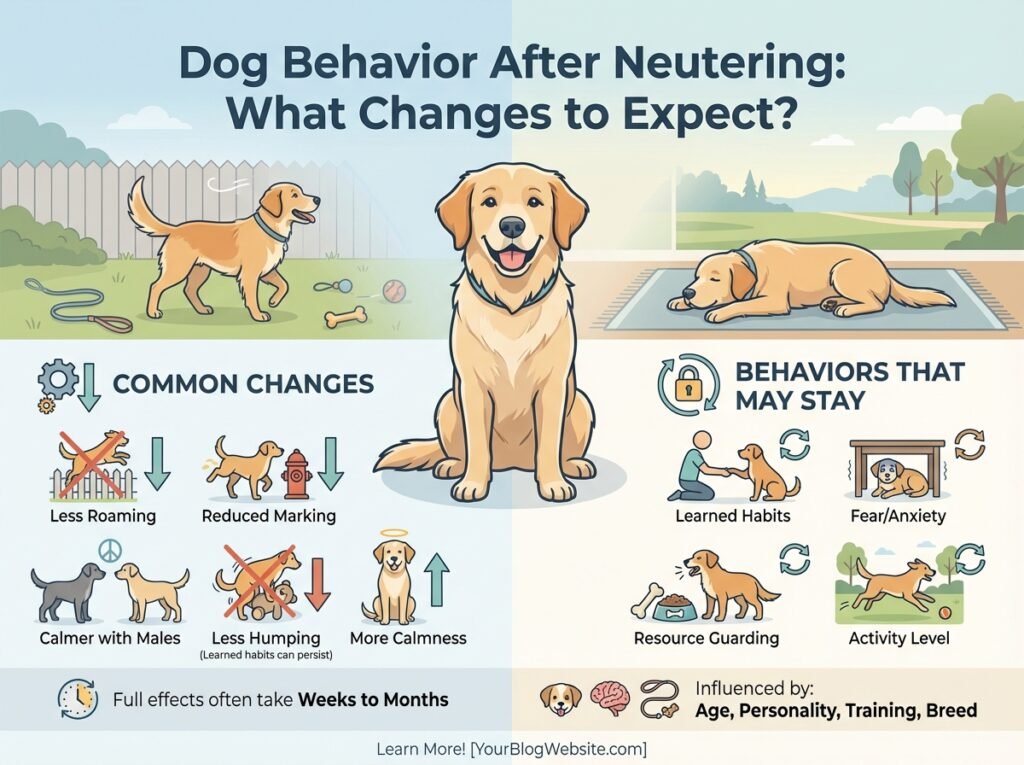
So, you're wondering about your dog's behavior after neutering? The short answer is yes, you'll likely see some changes. Many pet parents notice their dog becomes calmer, marks less, and isn't so keen on running off. But don't expect a complete personality overhaul – some habits, like humping, might stick around.
Why do these changes happen? A lot of a male dog's behaviors are fueled by hormones, especially testosterone. When your vet neuters your dog, they remove the testicles, which are the main source of this hormone. With testosterone levels dropping significantly, those hormone-driven behaviors often fade away or stop entirely.
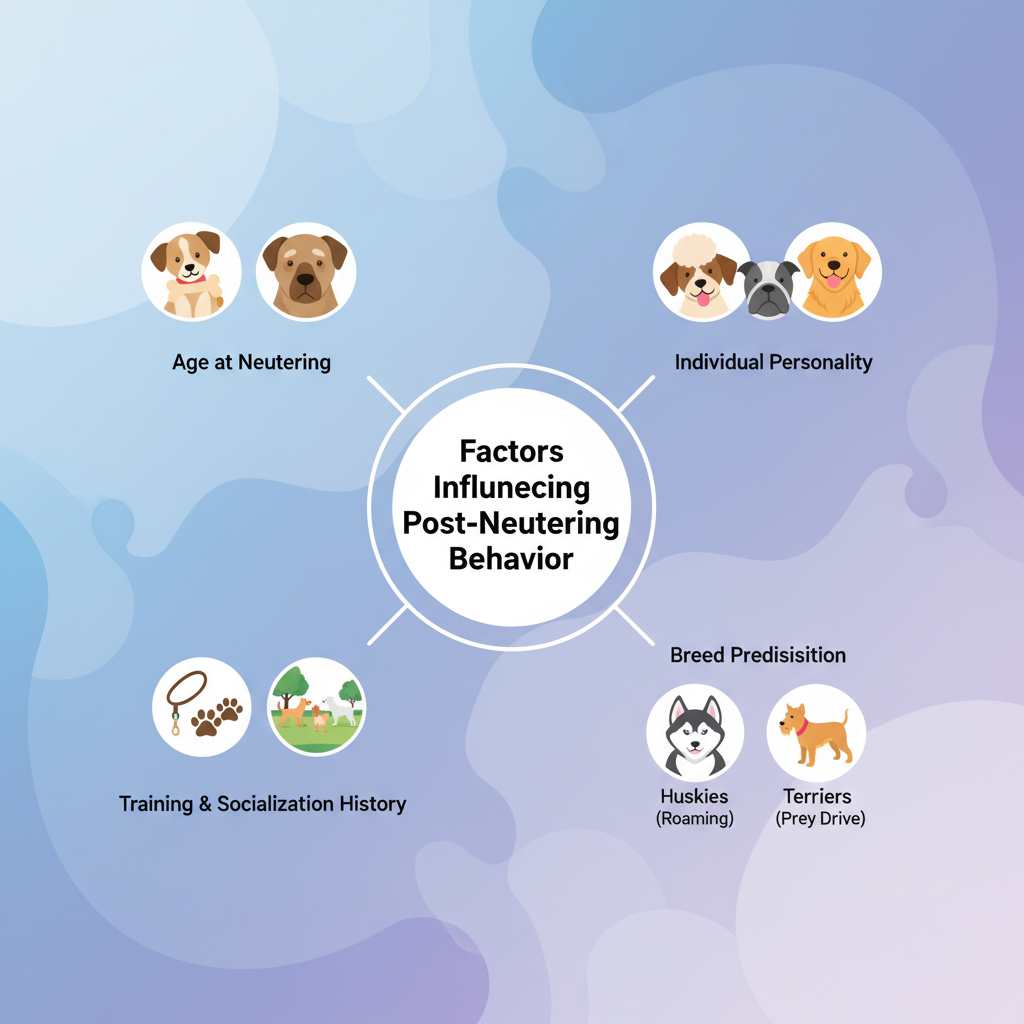
The actual changes you see can really depend on a few things:
- How old your dog was when neutered: Pups neutered young, before they hit puberty, tend to show bigger drops in hormone-driven behaviors. Older dogs might have some behaviors more deeply ingrained.
- Your dog's unique personality: Every dog is an individual! Some just naturally lean towards certain behaviors no matter what.
- Their training and how socialized they are: What your dog has learned and experienced plays a huge role. Neutering isn't a magic fix for every single behavior problem.
- Their breed: Just like people, some dog breeds are predisposed to certain behaviors.
Common Shifts in Dog Behavior After Neutering

Most pet parents notice positive shifts in their dog after neutering. These usually show up as a decrease in those unwanted, testosterone-fueled behaviors.
Less Roaming and Escaping
One of the biggest changes you might see is your dog's sudden lack of interest in roaming. Intact male dogs feel a powerful urge to find females in heat. This often leads them to try escaping the yard, pulling on the leash, or wandering far from home. Neutering takes away this hormonal drive, making your dog much less likely to stray.
Reduced Urine Marking
Before neutering, male dogs often lift a leg on nearly every vertical surface to mark their territory. It's their way of telling other dogs, "I was here!" While some neutered dogs still mark a bit, the frequency and intensity usually drop significantly, especially if they were neutered when they were younger.
A Decrease in Some Aggression
Neutering can lead to less aggression, especially the kind directed at other male dogs (inter-male aggression). This is because much of that aggression is territorial and status-driven, heavily influenced by testosterone.
But here's a crucial point: neutering doesn't zap away all forms of aggression. Aggression that comes from fear, poor socialization, resource guarding, or pain usually won't change after the surgery. These issues often need dedicated behavioral training. In rare cases, neutering can even make fear-based aggression worse in dogs who are already anxious.
Less Humping (Mounting)
Humping, or mounting, is often linked to sexual behavior, but dogs also do it when they're excited, stressed, or trying to assert dominance. While neutering can reduce the sexual part of humping, it might not totally get rid of the behavior, especially if it's become a deep-seated habit. Dogs neutered later in life, after humping has become a routine, might just keep doing it out of habit.
Less Attention-Seeking Behavior
It's not always a direct result of hormone changes, but some owners report their neutered dogs become calmer and less prone to intense, attention-seeking behaviors. This is especially true for behaviors linked to sexual frustration or a surge of energy.
Potentially More Calmness and Focus
When the hormonal drive to seek mates and defend territory calms down, some neutered dogs become more relaxed and less easily distracted. This can make them more open to training and generally more mellow in different situations.
Do Some Behaviors Stay the Same After Neutering?
Yes, absolutely. Several behaviors might not budge much after neutering, and it's important for pet parents to have realistic expectations.
Behaviors that often remain unchanged include:
- Learned behaviors: If your dog has been rewarded for a behavior (even if you didn't mean to!) for a long time, it can become a habit that neutering won't break. This includes things like begging, jumping, or specific tricks.
- Fear-based behaviors: Neutering doesn't fix anxiety or fear. In fact, our team has seen some studies that suggest early neutering might slightly increase the risk of fear-related behaviors in certain dogs.
- Resource guarding: Aggression or possessiveness over food, toys, or comfy sleeping spots usually isn't affected by neutering. This often comes from learned behavior or your dog's inherent temperament.
- Most non-hormonal aggression: As we mentioned, aggression due to fear, pain, or simply not enough socialization usually needs behavioral training, not surgery.
- Activity level: While some dogs might get a little calmer, neutering typically doesn't drastically change their natural energy level or their desire to play.
- Intelligence and trainability: Neutering has no impact on your dog's smarts or their ability to learn new commands.
How Long Does It Take for Behavior to Change After Neutering?
Don't expect overnight changes! While the source of testosterone is gone right away, the hormones already in your dog's system take time to fade. It can be several weeks or even a few months for the full hormonal effects to kick in.
- Initial physical recovery: For the first week or two after surgery, your dog will be healing. During this time, keep things low-key and focus on their physical recovery.
- Hormone dissipation: It usually takes about 2-4 weeks for testosterone levels to drop significantly in their bloodstream.
- Behavioral adjustment: You might start noticing subtle changes in things like urine marking or roaming within 4-6 weeks. But more ingrained behaviors could take longer to diminish, possibly up to 2-3 months.
- Learned habits: If a behavior (like humping or marking) has become a strong habit over time, it might stick around even after hormones have dropped. In these cases, you might need to work with a professional dog trainer for behavioral modification.
If you're not seeing the changes you hoped for after several months, or if new problems pop up, chat with your vet or a certified professional dog trainer.
Why Do People Neuter Male Dogs?
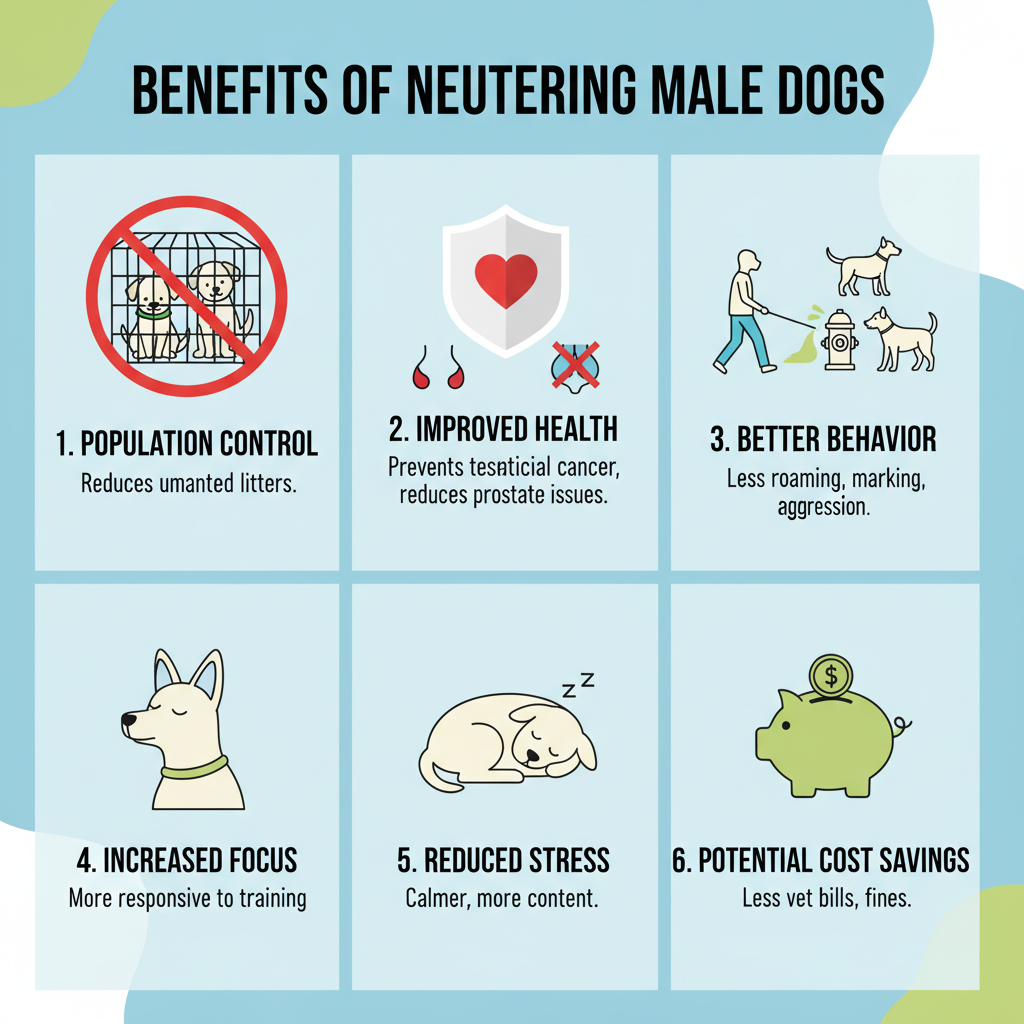
Neutering is a common surgical procedure where a male dog's testicles are removed, making him unable to father puppies. But beyond preventing accidental litters, there are several solid reasons why pet parents choose to neuter their dogs:
- Population control: This is a huge reason. It dramatically cuts down on the number of unwanted puppies that end up in overcrowded shelters.
- Health benefits: Neutering completely eliminates the risk of testicular cancer and significantly lowers the chances of certain prostate issues, like an enlarged prostate or prostate infections. It can also reduce the risk of perineal hernias and specific tumors.
- Fewer undesirable behaviors: As we've explored, it can reduce urine marking, roaming, and certain kinds of aggression.
- Better focus: Some owners find their neutered dogs are more tuned into their families rather than constantly looking for a mate.
- Less stress for your dog: Intact males can get super stressed and frustrated when they sense a female in heat but can't get to her. Neutering can ease this burden.
- Potential cost savings: While there's an upfront cost for the surgery, neutering can save you money in the long run by preventing the expenses of caring for an accidental litter or treating certain hormone-related health problems.
Other Things That Affect Your Dog's Behavior
While neutering can definitely sway your dog's behavior, it's just one piece of a much bigger puzzle. A dog's behavior is a complex mix of many factors:
- Genetics and breed: Some breeds are just naturally predisposed to certain temperaments and behaviors.
- Early life experiences: How your puppy was socialized is incredibly important for growing into a well-adjusted adult dog.
- Training and consistency: Good training, positive reinforcement, and clear boundaries are key to managing and shaping behavior.
- Diet and nutrition: A balanced diet keeps your dog healthy overall, which can absolutely affect their mood and behavior.
- Exercise and mental stimulation: Dogs need enough physical activity and brain games to keep boredom and destructive behaviors at bay.
- Health issues: Pain, illness, or hidden medical conditions can drastically change your dog's mood and how they act.
- Environment: Where your dog lives, any stressors they face, and their social surroundings all play a role.
- Your relationship with them: The bond and communication you have with your dog are fundamental.
Neutering is a responsible choice for many dog owners, bringing with it significant health and behavioral perks. But remember, it's not a magic bullet for every behavior problem. Understanding what to expect and managing your hopes will help ensure you and your dog have a happy, well-adjusted life together.