Your Dog Got Stung By A Bee: What To Do & When To Call The Vet
Seeing your dog get stung by a bee can be a heart-stopping moment. Most of the time, a dog bee sting isn't serious, causing just a bit of temporary discomfort. But sometimes, a bee sting can trigger a dangerous allergic reaction that needs immediate veterinary help. It's crucial for every pet parent to know the signs of a serious reaction and exactly what steps to take. We'll guide you through identifying a problem and what you can do to help your pup feel better.
What Happens When a Pup Gets Stung by a Bee?
Picture this: your dog is sniffing around, happy as can be, and then suddenly yelps and starts frantically pawing at their face or licking a paw. Chances are, they just met a bee. Typically, a bee sting causes some localized swelling, a bit of pain, and redness right where it happened. You might see your dog limping if the sting was on a paw, or they might rub their face against the carpet if it was on their nose or muzzle.
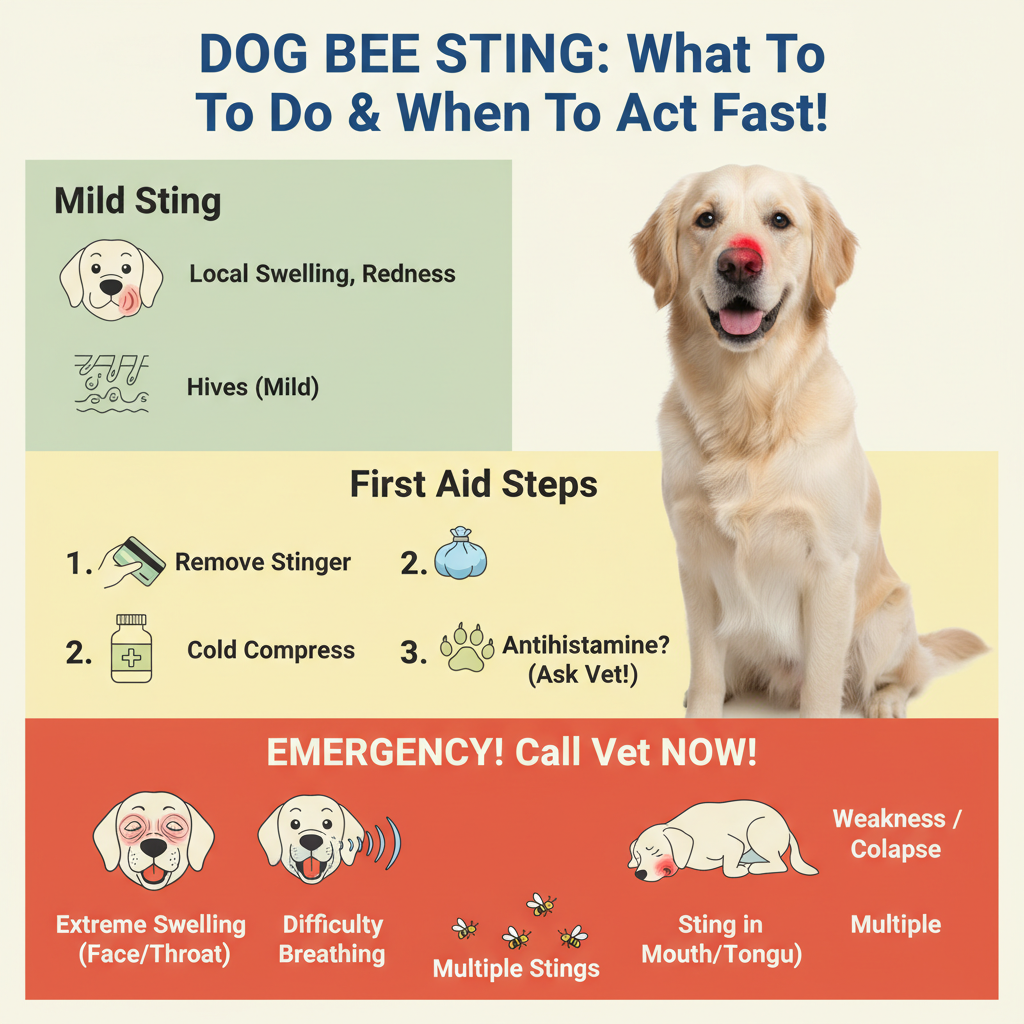
Sometimes, a pup can have a slightly bigger reaction. This might look like swelling around their eyes and face, or little itchy bumps, called hives, popping up on their body. Then there are the rare, but very serious, allergic reactions, which vets call anaphylaxis. This can make it hard for your dog to breathe and might even cause them to collapse. Anaphylaxis is a life-threatening emergency, and it means you need to get your dog to a vet right away.
If your pup was unlucky enough to get stung on their tongue or inside their mouth, they could have trouble breathing because of severe swelling. That's another emergency situation where every second counts.

What To Do If Your Dog Gets Stung By A Bee
First things first: stay calm! Your pup is looking to you for reassurance. Here's what our team at Petscarelab recommends you do:
Find the Sting and Remove the Stinger
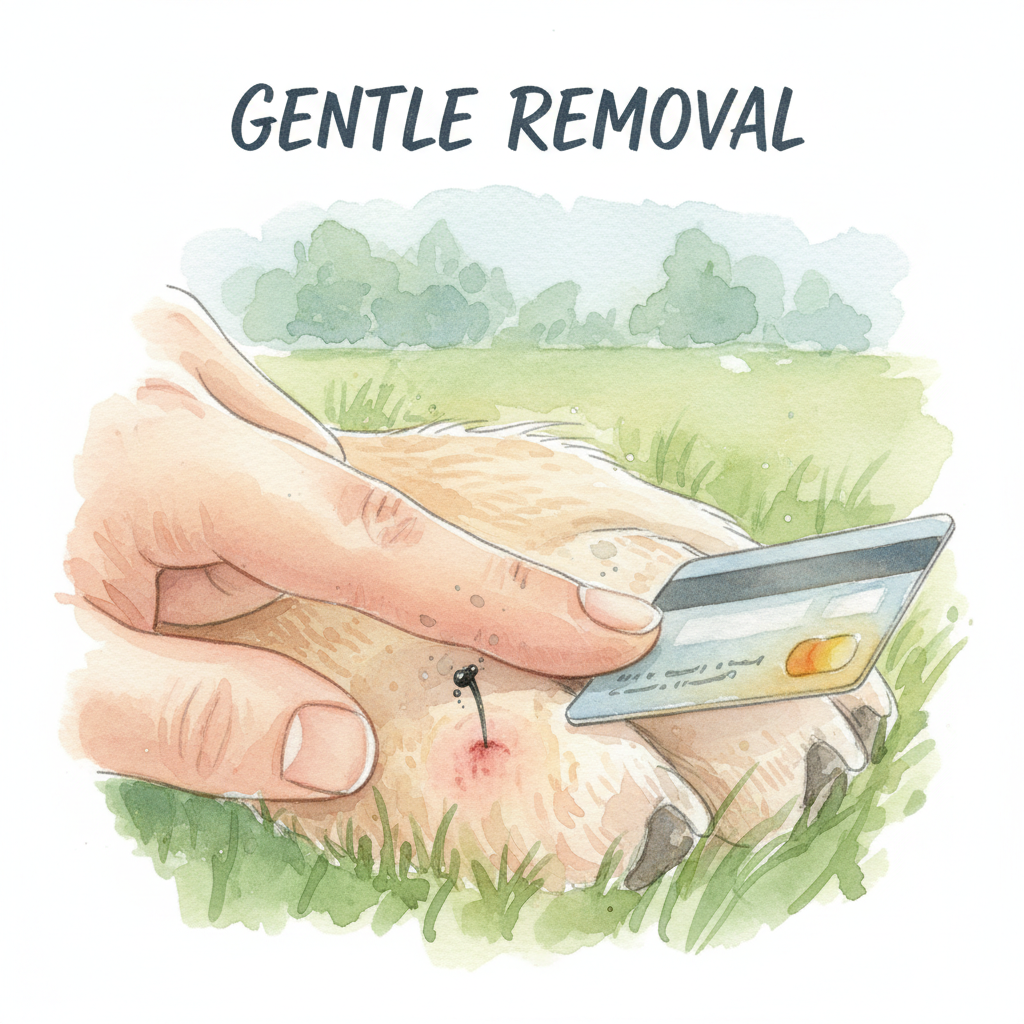
Start by gently looking for the sting site. You might spot a tiny black dot — that's the stinger. You'll want to remove it without squeezing it, as that can push more venom into your dog's skin. The best way to get it out is to scrape it away. Use the edge of a credit card, a dull knife, or even your fingernail. Just don't use tweezers; they tend to squeeze the venom sac.
Watch for Allergic Reactions
Once the stinger is out, keep a close eye on your dog for the next 24 hours. Call your vet immediately if you notice any of these worrying signs:
- Swelling on their face, especially around the eyes or muzzle
- Hives (itchy bumps)
- Vomiting or diarrhea
- Trouble breathing
- Weakness or collapse
Apply a Cold Compress
To help ease the swelling and pain, grab a cold compress or an ice pack. Wrap it in a towel and gently hold it against the sting site for 5 to 10 minutes.
Offer an Antihistamine (with Vet Approval!)
Many dogs can safely take an over-the-counter antihistamine to help with swelling and itchiness. Some common options include:
- Diphenhydramine (like Benadryl)
- Cetirizine (like Zyrtec)
- Loratadine (like Claritin)
Always, always talk to your vet before giving your dog any medication, even if it's over-the-counter. They'll tell you the right dosage for your dog's weight and suggest the safest product. Be careful: some antihistamines contain decongestants or pain relievers that are dangerous for dogs, so make sure you're only giving them a product that's just an antihistamine.
Help Your Dog Avoid Future Stings
The simplest way to protect your dog from bee stings is to keep them away from busy bee zones.
- Steer your pup clear of flower gardens, clover patches, and fruit trees where bees love to hang out.
- If you spot a beehive or a wasp nest, leave it alone. Don't let your dog investigate.
- If your dog is super curious about buzzing insects, keep them on a leash when you're in areas where bees might be present.
Can I put anything on a dog bee sting?
Absolutely! To help with swelling and pain, apply a cold compress or an ice pack (wrapped in a towel) to the sting for 5 to 10 minutes. You can also ask your vet about giving your dog an antihistamine like diphenhydramine (Benadryl), cetirizine (Zyrtec), or loratadine (Claritin). Just be sure to chat with your vet first to get the right dosage and confirm it's safe for your specific pup.
What should I do if my dog gets stung multiple times?
Multiple stings can increase the risk of a more serious reaction, even if your dog hasn't had problems before. Watch your dog closely for signs of an allergic reaction — things like facial swelling, hives, throwing up, or trouble breathing. If you see any of these, call your vet right away. You'll still follow the same initial steps: remove any stingers you can find, apply a cold compress, and talk to your vet about giving an antihistamine.
How long does a bee sting last on a dog?
For most mild bee sting reactions — just some local pain, redness, and swelling — your dog should feel better within 24 to 48 hours. If your pup has a mild allergic reaction, like hives or a bit of facial swelling, these symptoms should also improve within that same timeframe if you're giving them antihistamines under vet guidance. If things don't get better or they seem to worsen, definitely reach out to your vet.
When should I take my dog to the vet for a bee sting?
Get your dog to the vet immediately if they show any signs of a severe allergic reaction or difficulty breathing. Look for:
- Extreme facial swelling, especially around the eyes, muzzle, or throat
- Hives all over their body
- Vomiting or diarrhea
- Trouble breathing (like wheezing, labored breaths, or blue gums)
- Weakness, dizziness, or collapsing
- If they were stung inside their mouth or on their tongue (this can block their airway)
- If they received many stings
- If your dog has a history of severe allergic reactions

Even if the reaction seems mild, it's always a good idea to call your vet for advice. That's especially true if you're unsure about medications, or if your dog is very young, very old, or has other health issues.