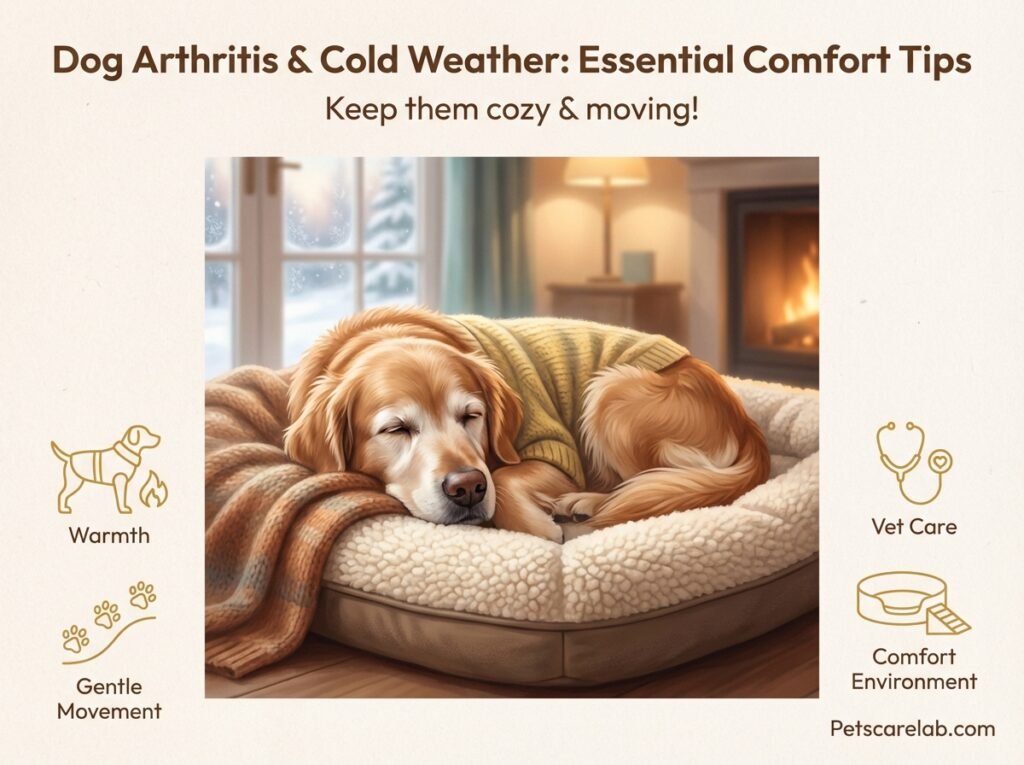
Helping a Dog With Arthritis in Cold Weather
When the temperatures drop, you might notice your furry friend struggling a bit more than usual. That's because dog arthritis cold weather often makes joint pain and stiffness much worse. Just like us, pups can feel that extra discomfort when winter rolls in. Understanding why this happens and knowing what you can do to help your dog feel better is key to keeping them happy and comfy all season long.
Why Cold Snaps Make Arthritis Worse for Your Dog
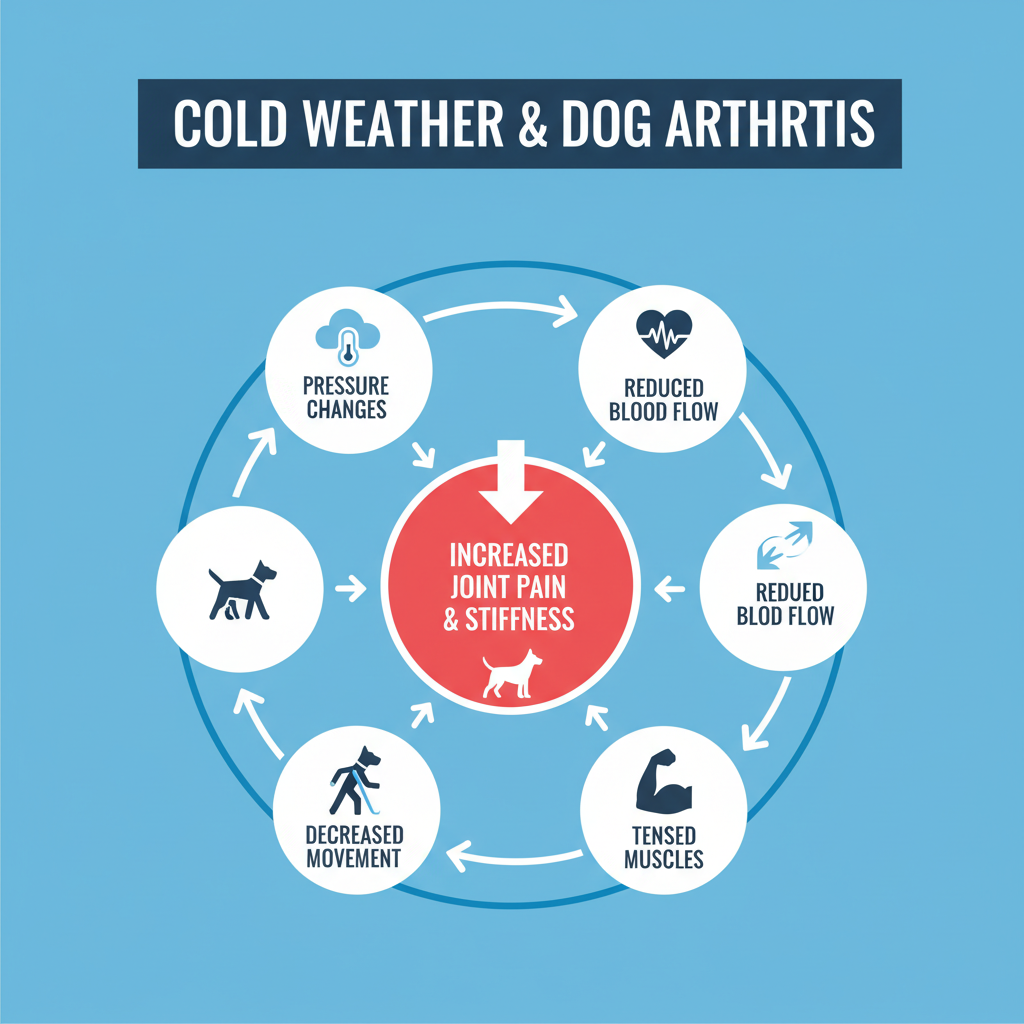
We don't know exactly why cold weather seems to amp up arthritis pain, but our team at Petscarelab has identified a few strong theories:
- Pressure Changes: Before a big cold front or storm, the air pressure often drops. This can cause the tissues around your dog's joints to swell, pushing on nerves and causing more pain.
- Less Blood Flow: Cold weather makes blood vessels constrict. That means less blood gets to your dog's paws and joints, which can make those joints feel stiffer and hurt more.
- Tensed Muscles: Dogs often tense up their muscles when they're cold, just like people do. This extra tension can put even more strain on already achy joints.
- Less Movement: When it's chilly outside, dogs naturally want to move less. But inactivity can actually make stiff joints even stiffer, creating a vicious cycle.
Spotting the Signs Your Dog's Arthritis Hurts More in the Cold
Keep a close eye on your dog's behavior. Any of these signs could mean their arthritis is bothering them more in the cold:
- More Limping or Lameness: You might see them favor a leg a lot more than usual.
- Trouble Getting Around: They might struggle to stand up from a nap, climb stairs, or hop onto the couch.
- Stiffness: This is often most noticeable right after they've been resting or first wake up.
- Less Energy: They're just not as excited about walks or playtime.
- Crabby Mood: Pain can make any dog a bit grumpy or less patient.
- Licking or Chewing at Joints: They're trying to soothe the discomfort themselves.
Practical Ways to Help Your Dog with Arthritis in Cold Weather
Here are some strategies our team recommends to help your dog with arthritis stay comfortable during those chilly months:
1. Keep Them Warm and Toasty
- Coats and Sweaters: When your dog goes outside, especially if they have short fur or are an older pup, bundle them up in a warm, waterproof dog coat or sweater.
- Cozy Bedding: Give them extra soft, warm places to sleep. Orthopedic dog beds are fantastic because they support their body and stop the cold from seeping up from the floor. Think about elevated beds or ones made with self-warming materials.
- Warm Home: Keep your house at a comfy, steady temperature. Make sure your dog's favorite napping spots aren't in a drafty area.
- Heated Pads: A pet-safe heated pad (made specifically for animals) can offer soothing warmth to aching joints. Always put it on a low setting and make sure your dog can easily move away if they get too warm.

2. Maintain Gentle Exercise
- Short, Frequent Walks: Instead of one long walk, try several shorter, gentle strolls throughout the day. This keeps their joints moving without overdoing it.
- Indoor Play: When it's just too cold outside, get them moving with some gentle indoor games.
- Watch for Slips: Be super careful of ice and snow, which can cause painful slips and falls, making their joints hurt even more or causing new problems. Paw protectors can help.
- Warm-Up and Cool-Down: Just like athletes, a short, slow walk before more active play, followed by a cool-down period, can really help.
3. Provide a Healthy Diet and Supplements
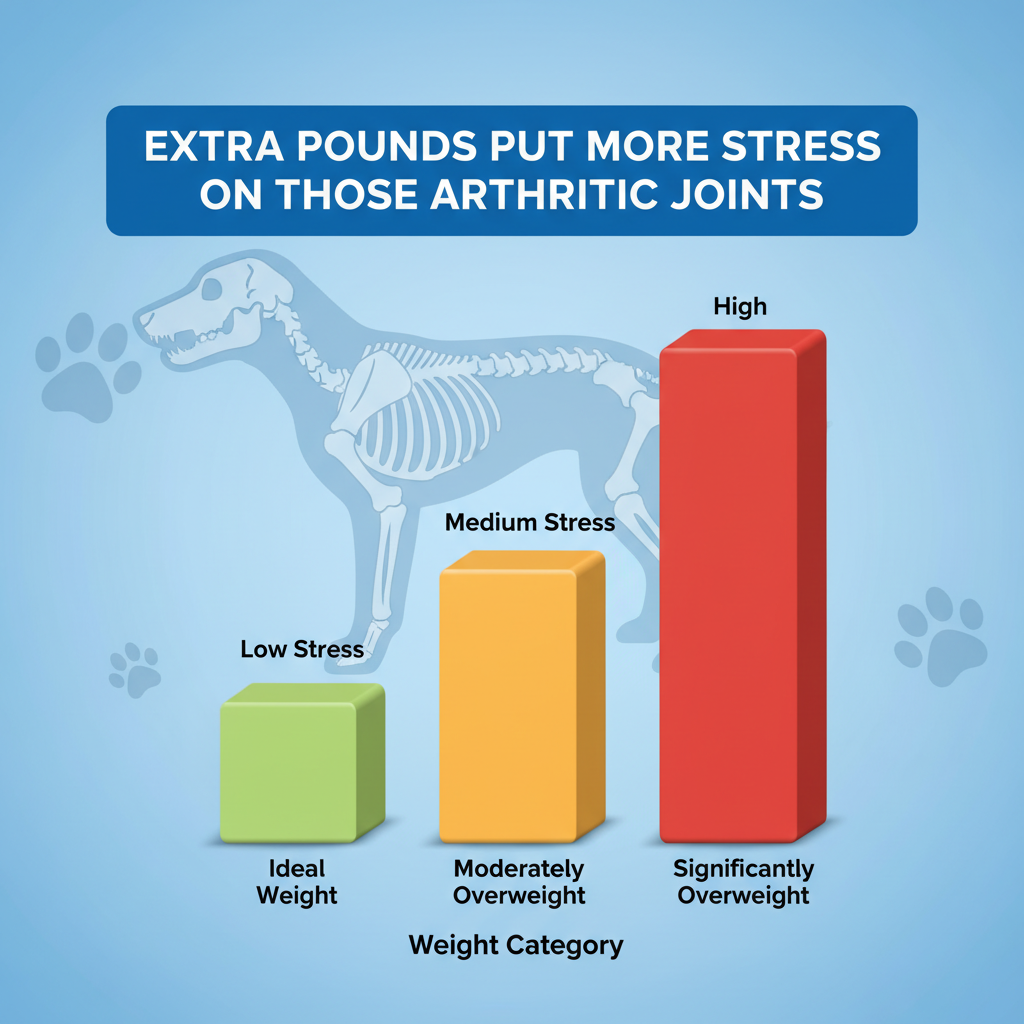
- Weight Management: Keeping your dog at a healthy weight is super important. Extra pounds put more stress on those arthritic joints. Talk to your vet about the best diet plan for your pup.
- Joint Supplements: Ingredients like glucosamine and chondroitin are common in supplements designed to support joint health. Omega-3 fatty acids (like fish oil) can also help with inflammation. Always chat with your vet before you start giving your dog any new supplements.
4. Talk to Your Veterinarian
- Medication Check-Up: If your dog is already on arthritis medication, the cold weather might mean they need a dosage tweak or even a new medication. Our team often prescribes non-steroidal anti-inflammatory drugs (NSAIDs) to help with pain and swelling.
- Physical Therapy: Your vet might suggest physical therapy, hydrotherapy (like swimming), or specific exercises to boost mobility and strengthen the muscles around their joints.
- Other Therapies: Acupuncture, laser therapy, and chiropractic adjustments are alternative treatments some vets offer, and they can be very helpful for pain relief.
- Regular Visits: Consistent vet check-ups are essential to monitor your dog's condition and adjust their treatment plan whenever needed.
5. Create a Comfortable Environment
- Ramps and Stairs: Set up ramps or pet stairs so your dog can easily get onto furniture, beds, or into the car without painful jumping.
- Non-Slip Floors: Lay down rugs or runners on slippery surfaces like hardwood or tile. This gives your dog better traction and stops them from slipping.
- Easy Access: Make sure their food, water, and potty spots are easy to get to, without needing to navigate lots of stairs or walk long distances in the cold.
6. Grooming
- Trim Paw Hair: Keep the hair between their paw pads trimmed. This stops snow and ice from building up, which can really hurt and make them slip.
- Moisturize Paws: If your dog's paw pads get dry and cracked from the cold, use a pet-safe paw balm to keep them soft.
By taking these steps, you can make a huge difference in your dog's comfort and quality of life, even when it's freezing outside. Always team up with your vet to create the best care plan for your unique pup.