Do Dogs Know Their Name?
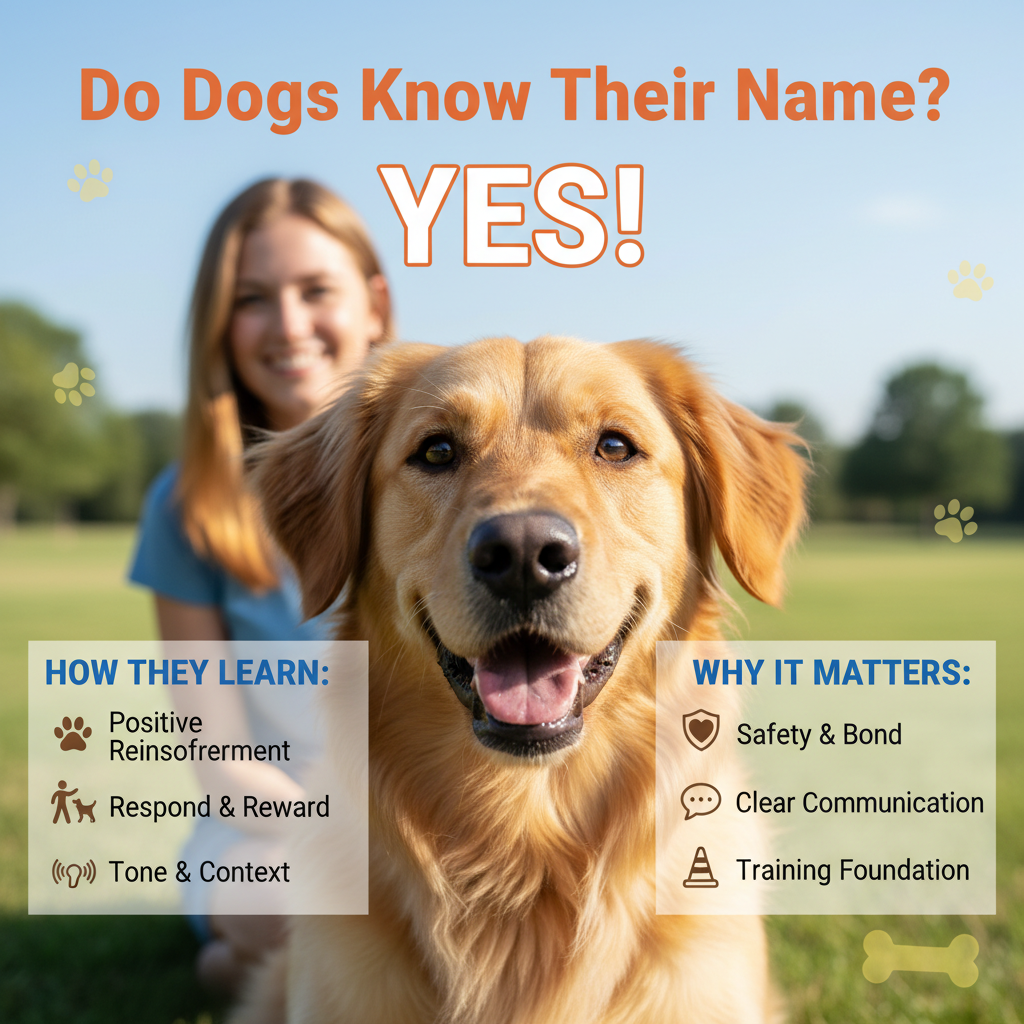
You call your pup, and their ears perk up, tail wagging, eyes locked on you. Do they actually understand you just said "Buddy," or are they just reacting to the sound of your voice? The truth is, it's a bit of both, but mostly, yes, dogs know their name. While your happy tone certainly catches their ear, they genuinely recognize and learn that specific word means them.
How Your Dog Learns Their Name
Your furry friend learns their name through a fascinating blend of simple associations and smart choices. Here’s how it works:
- Making Positive Connections: This is the foundational step. Every time you say your dog's name, you probably follow it with something great – a yummy treat, a scratch behind the ears, a game of fetch, or that exciting moment when you grab the leash for a walk. Over time, your dog links that sound to all those good things. It's like a happy little bell ringing in their head!
- Choosing to Respond: This builds on the good feelings. When you say your dog's name, and they do something in return – like glancing your way, trotting over, or giving a happy tail wag – you reward that behavior. That positive feedback makes them much more likely to respond to their name every single time you say it. They learn that reacting to their name gets them something they love!
- Reading Your Cues: Dogs might not grasp what words mean literally, but they are masters at reading context and your tone. Think about it: a cheerful, high-pitched "Luna!" sounds completely different from a firm, low "Luna!" They quickly learn to associate those different tones with different situations or requests.

Why Your Dog Needs to Know Their Name
Having your dog respond to their name isn't just a cute trick; it's a vital part of your life together.
- Clear Communication: It’s your go-to signal to say, "Hey, I need your attention!" When you call their name, it lets them know you're about to communicate something important.
- Safety First: In those heart-stopping moments, like if your pup bolts towards a busy street or finds something they shouldn't eat, a strong recall based on their name can literally save their life.
- Training Foundation: Almost every command, from "sit" to "stay," starts with getting your dog's attention first. Their name is the essential first step in all training.
- Strengthening Your Bond: When your dog happily responds to their name, it's a beautiful moment of connection and recognition between the two of you. It's a fundamental part of your unique relationship.
Teaching Your Dog Their Name
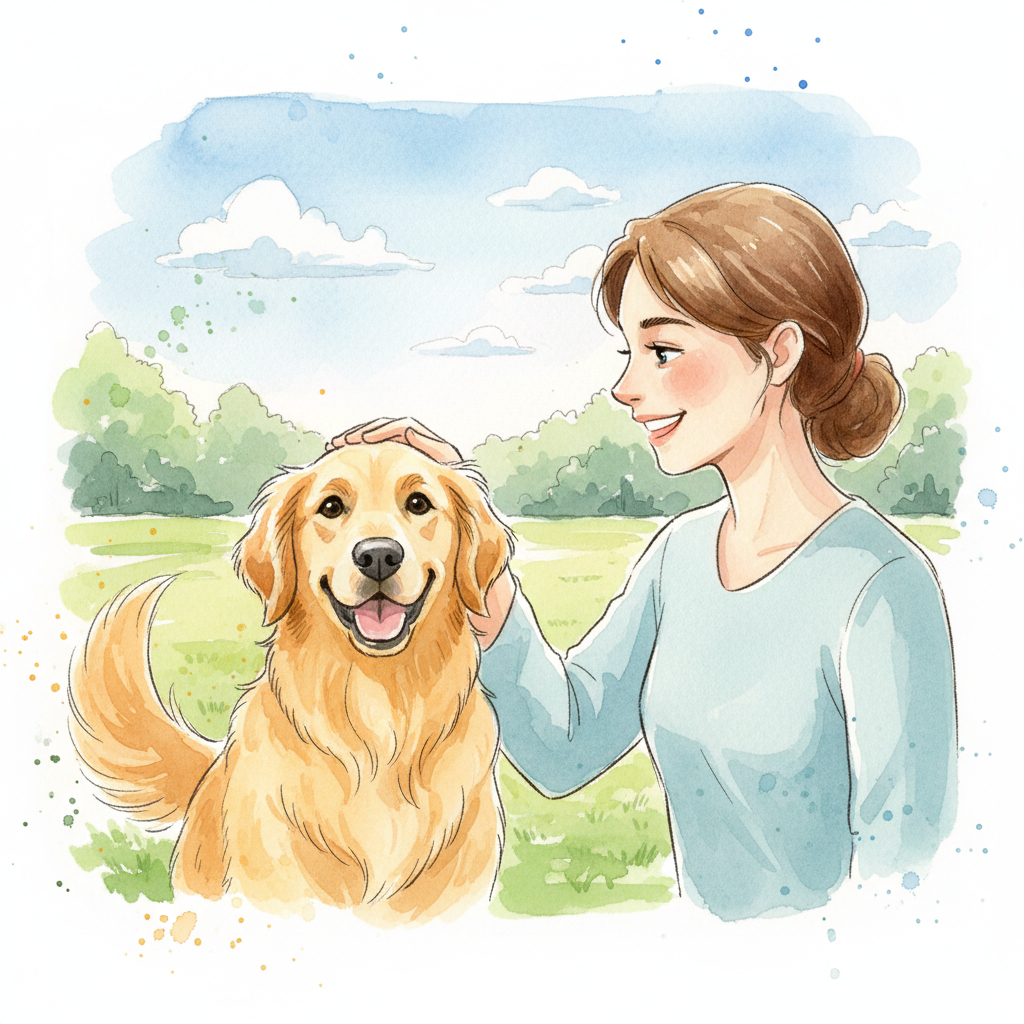
Even if you've shared your home with your dog for ages, it's never too late to fine-tune their name recognition. Here's a simple, fun way to do it:
- Start Somewhere Quiet: Pick a spot with no noisy distractions so your dog can focus all their attention on you.
- Say Their Name, Then Reward: Get your dog's attention. The second they look at you, enthusiastically say their name, then immediately follow up with a fantastic treat and lots of praise. Don't wait for them to come to you just yet; reward that initial acknowledgment.
- Practice, Practice, Practice: Repeat these short, happy training sessions several times throughout the day. Keep them brief and fun!
- Add Distance and Distractions: Once your dog reliably responds in a quiet place, slowly introduce more distractions and increase how far away you are. Practice in different rooms, then outside in a secure yard, and eventually in safe, public areas.
- Be Consistent: Make sure everyone in your household uses the exact same name for your dog and always follows up with positive reinforcement when they respond.
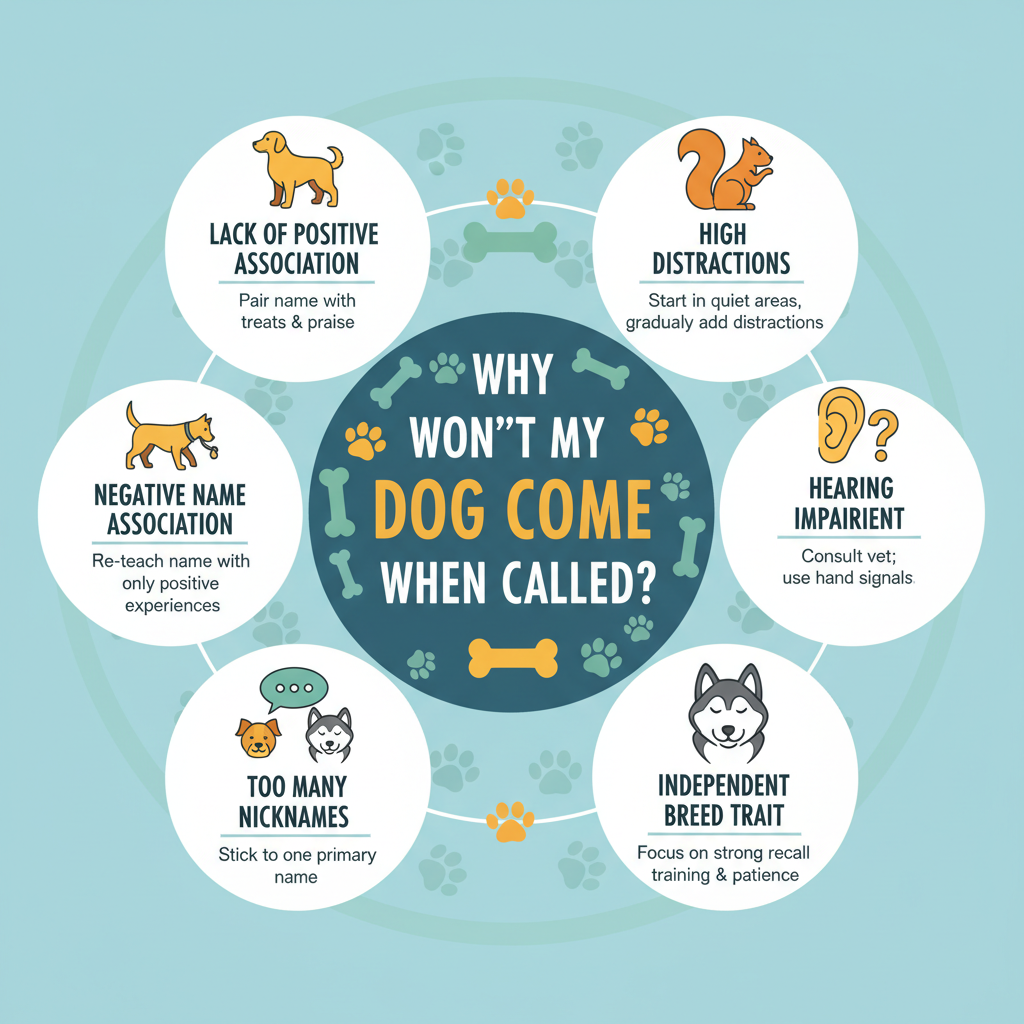
What If Your Pup Isn't Responding to Their Name?
If your dog seems to be ignoring you when you call their name, don't worry! Here are some things to consider:
- Not Enough Positive Association: They might not have strongly linked their name with good things yet. Go back to basics with consistent, joyful rewards.
- Too Many Distractions: You might be trying to train in an environment that's just too exciting for them right now. Try reducing distractions and then gradually adding them back in.
- Negative Feelings: Do you only use their name when you're frustrated or about to scold them? This can make them associate their name with negativity. Try to use their name mainly in positive, happy situations.
- Trouble Hearing: Sometimes, older pups – or even younger ones – can develop hearing problems. If you suspect this might be the case, a quick visit to your veterinary specialist is a good idea.
- Too Many Nicknames: While all those cute nicknames are fun, too many can confuse your dog. For training, try to stick to one main name.
- Independent Spirit: Some breeds, especially those known for their independent streak, might take a bit more time to respond instantly. But with patient, consistent training, every dog can learn their name.
Do Dogs Know Your Name?
While your dog absolutely recognizes your voice and knows you're "their human," it's unlikely they think of you by your specific name in the same way they understand their own. They probably see you as "the human who fills my bowl, takes me for walks, and gives the best belly rubs," rather than someone named "Sarah" or "David."
Dogs learn through actions and consequences. They rarely hear you call yourself by your name, and you don't typically respond to it in a way that provides them with a treat or a reward. So, while they know who you are, they don't usually connect you with a specific word in the same way they do for themselves.
Can You Change Your Dog's Name?
Absolutely! If you've just adopted a new dog and you don't know their old name, or you simply want a fresh start, you can definitely change it. The process is exactly like teaching a new puppy their name: consistent positive reinforcement every single time you use the new name.
It might take a little extra patience if they had a strong connection to their old name, but with enough treats and positive experiences, they will learn the new one. Our team at Petscarelab often suggests using both the old and new names together for a short while (like "Buddy-Max!") before slowly phasing out the old name entirely.
Your dog knows their name because you've created a world of positive experiences around that sound. It's a cornerstone of your communication and your bond. With a little consistent effort and lots of love, you can ensure they respond happily every time you call.