```html
6 Common Puppy Actions and What They Mean
Welcoming a new puppy into your home is an exciting adventure, but it often comes with a whirlwind of questions about your little furry friend’s quirky behaviors. Why is your puppy sleeping so much? What’s behind those playful nips whenever you try to pet her? And what’s up with that wild burst of energy she lets loose every afternoon? Most importantly, will she outgrow these puzzling habits?
While some puppy behaviors might seem baffling at first, what you’re experiencing is typically par for the course. Here’s a guide to help you better understand the common behaviors that many new puppy parents encounter.
Deep Sleeping
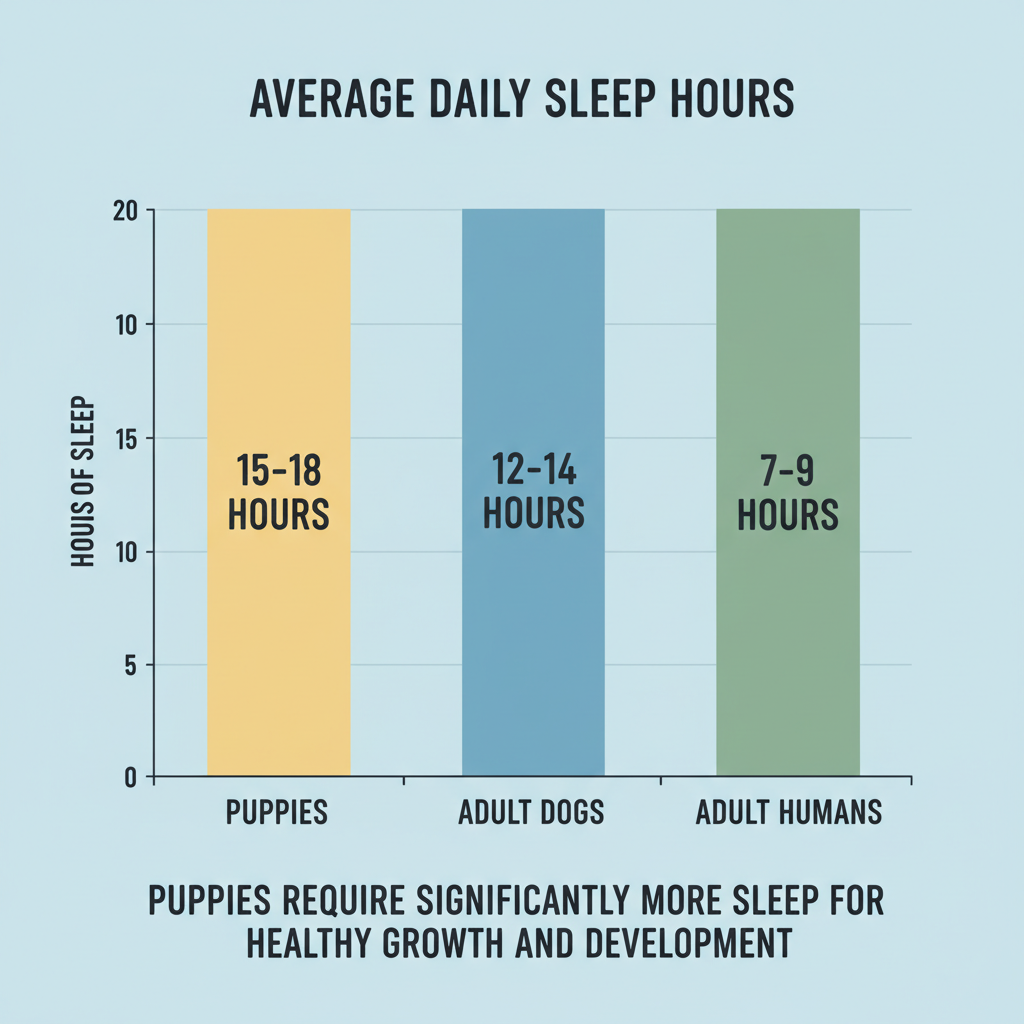
You might notice that your puppy switches between two extremes: full-on play mode and incredibly deep, almost unnerving sleep. Sometimes she sleeps so soundly and for so long it raises eyebrows—is this constant napping normal?
If your veterinarian has given your pup a clean bill of health, rest assured that this marathon snoozing is completely normal. Growing puppies require an enormous amount of rest—often between fifteen to eighteen hours a day—to recharge their rapidly developing brains and bodies. So when your pup curls up for a long nap, preferably cozy and secure in her crate, allow her to enjoy the quiet downtime. It’s essential for her growth and well-being.
Nipping During Petting
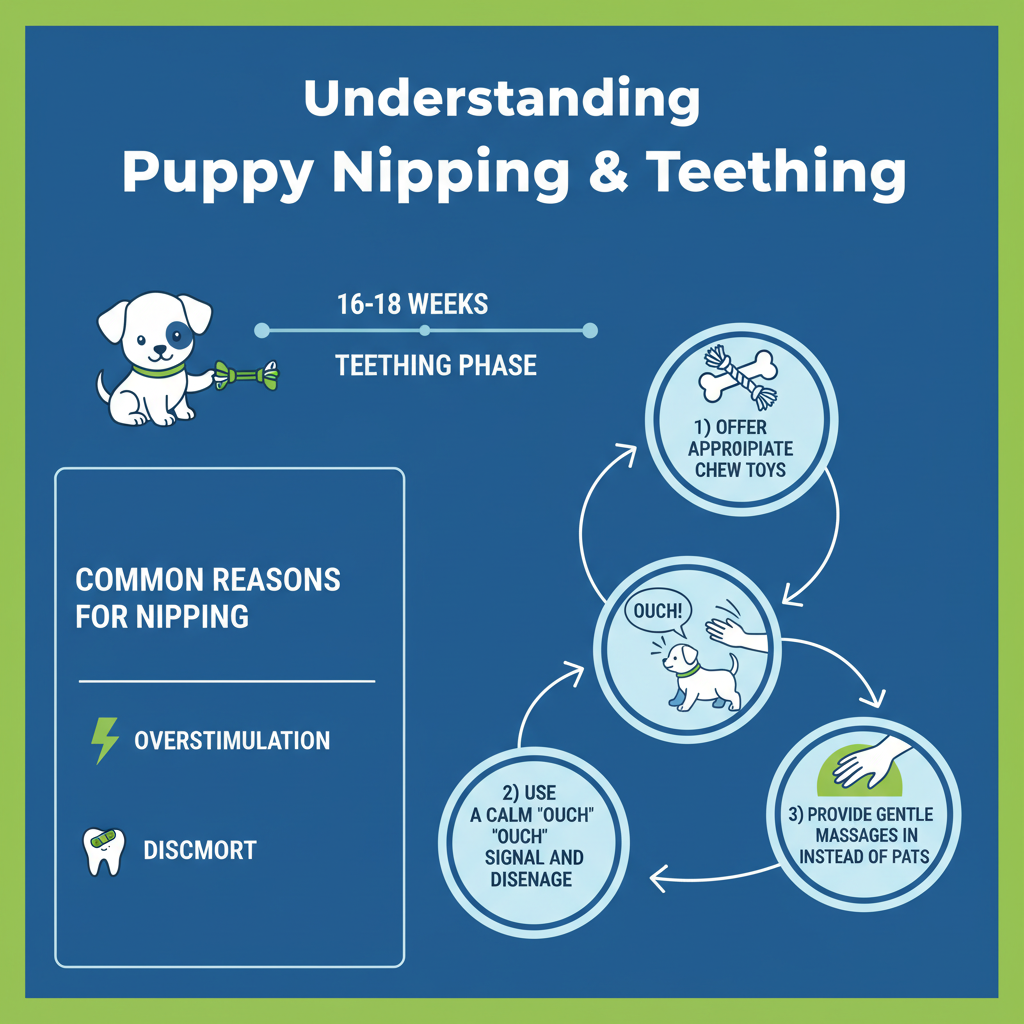
Puppies adore affection, but there’s a tricky interval during teething—usually between sixteen and eighteen weeks—when they might start nipping anytime you try to pet or cuddle them. This sudden biting can be painful and confusing, making you wonder if she suddenly dislikes your touch.
Typically, this is just a temporary phase rather than a cause for concern or behavioral issue. Often, your pup is simply overstimulated after a lively play session and reacts by nipping. Instead of pushing for physical contact, pause the petting and gently redirect her energy to a suitable chew toy. Once she calms down, try a gentle shoulder massage instead of pats to soothe her. Remember to consistently use a calm “ouch” signal to help her understand that nipping human skin is unacceptable, guiding her to handle her growing teeth appropriately.
Stopping and Squatting
Imagine enjoying a playful moment with your puppy when she suddenly halts and relieves herself right in front of you on the carpet—without any of the usual pre-potty signals like circling or sniffing. These unexpected accidents are part of the learning curve as your puppy figures out the connection between needing to go and communicating that need to you.
Puppies often get so engrossed in play that they don’t notice their urge to potty until it’s too late. Keep in mind that vigorous activity can increase your puppy’s need to eliminate. To minimize these mid-play mishaps, schedule regular potty breaks throughout the fun—every 20 minutes or so—even if she just went before starting. This frequent outdoor routine helps her grasp when and where it’s appropriate to go.
Freezing on the Leash
You might be taken aback when your usually energetic puppy suddenly turns to stone the moment the leash is clipped on. This sudden freeze can be puzzling and frustrating when all you want to do is take her for a walk.
From your puppy’s point of view, the feeling of a collar tightening around her neck combined with being tethered to a leash is unfamiliar and possibly intimidating. Rather than disobedience, this behavior stems from sensory confusion and hesitance.
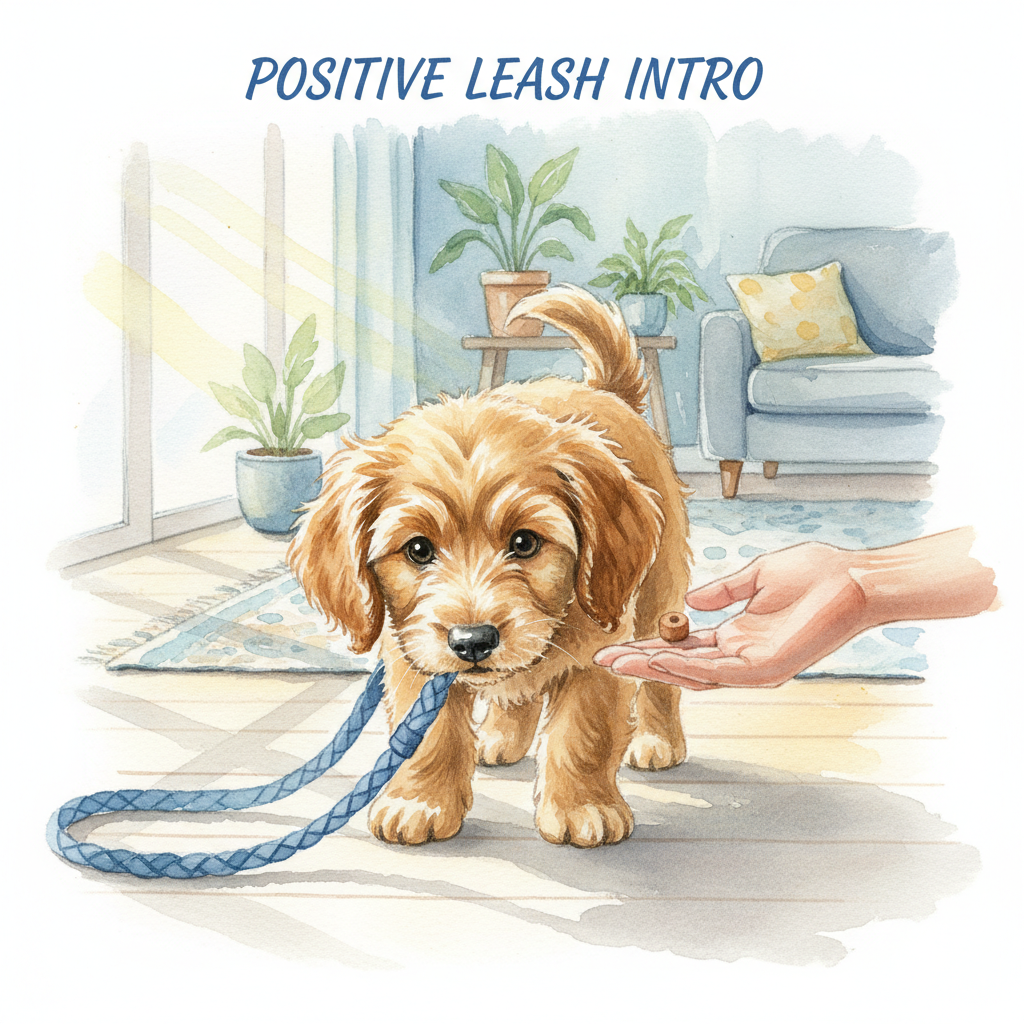
To ease the transition, choose the lightest possible leash that’s still safe and introduce it gently—let her sniff and explore it before putting it on. After clipping it on, allow her to drag it around indoors under your supervision, so she becomes comfortable with the sensation. When you pick up the leash, drop delicious treats just ahead of her to encourage following you happily. Give her time to adjust before venturing outdoors for walks.
Chasing Clothing
Many dogs possess a natural instinct to chase moving objects, whether balls, squirrels, or—for your puppy—your pant legs and shoes as you stroll by. This playful pursuit isn’t a sign of aggression; rather, it’s a fun game that often gets a lively reaction from you, which unintentionally fuels the behavior.
The excitement and attention your puppy gains from lunging at your clothing makes the chase an entertaining start to her day. This tendency is predictable and may be linked to particular clothes or shoes.
To curb this behavior, proactively redirect her energy toward an engaging treat-dispensing toy whenever you wear “bait” items. Alternatively, teach her to walk calmly alongside you by dropping treats as you move past. Encouraging play with a toy on a string can also provide a satisfying outlet for her chasing impulses without involving your clothes.
```