
Understanding Chronic Kidney Disease in Dogs
During your dog’s annual veterinary wellness exam, you might occasionally wonder why our dedicated team at Petscarelab recommends comprehensive screening blood panels and urinalysis, especially when your beloved companion appears to be in perfect health. The truth is, these proactive measures are crucial for detecting the subtle onset of conditions that haven’t yet revealed themselves. A prime example of such a silent threat is Chronic Kidney Disease in Dogs, a condition that often progresses stealthily before noticeable symptoms emerge.
While acute (sudden onset) kidney disease typically manifests with clear, abrupt signs of illness, chronic kidney disease in dogs develops gradually over an extended period. This slow progression means that its initial subtle signs and symptoms can easily go unnoticed by even the most attentive pet parents.
This underscores why early diagnosis and timely veterinary intervention are absolutely vital. These steps are key to effectively managing the disease, slowing its progression, and ultimately safeguarding your dog’s comfort and overall well-being throughout their life.
Key Takeaways
- Chronic Kidney Disease in Dogs can silently take hold long before overt symptoms become apparent to pet owners.
- Early indicators often include increased thirst and urination, unexplained lethargy, a discerning or diminished appetite, or gradual weight loss – symptoms that can, unfortunately, also mimic other health issues.
- The cornerstone of diagnosing kidney disease in dogs involves routine blood work and urinalysis, though additional advanced tests may be recommended by our veterinary professionals to complete the diagnostic picture.
- While canine kidney disease is not curable and is generally progressive, proactive medical management can significantly enhance the quality of life for many affected dogs.
Understanding Chronic Kidney Disease in Dogs
Your canine companion is equipped with two remarkable kidneys, organs absolutely vital for sustaining life’s intricate daily processes. Their primary function is a heroic one: diligently filtering and excreting harmful toxins and metabolic waste products from the body. Beyond this crucial detoxification role, the kidneys are also responsible for a delicate balancing act – regulating fluid, mineral, and electrolyte levels, conserving essential water and blood proteins, maintaining healthy blood pressure, and even stimulating the production of red blood cells.
Unfortunately, numerous factors can lead to the progressive deterioration of this critical kidney function. A heartbreaking reality of canine renal disease is that once kidney tissue and its function are lost, the damage is largely irreversible. Consequently, when the kidneys can no longer perform their duties effectively, unfiltered waste products and dangerous toxins begin to accumulate in your dog’s bloodstream. This toxic buildup often results in a generalized state of discomfort, nausea, and overall malaise, profoundly diminishing a dog’s quality of life if left unaddressed.
Chronic Kidney Disease (CKD) in dogs is defined as a persistent and progressive ailment that often silently advances over an extended period before a definitive diagnosis is made. Its progression rate is uniquely individual to each patient, making it challenging to precisely predict. Veterinary professionals typically classify canine CKD into four stages (IRIS stages I–IV), a system based on specific laboratory values and observable clinical signs, guiding us in understanding the severity and tailoring appropriate care.
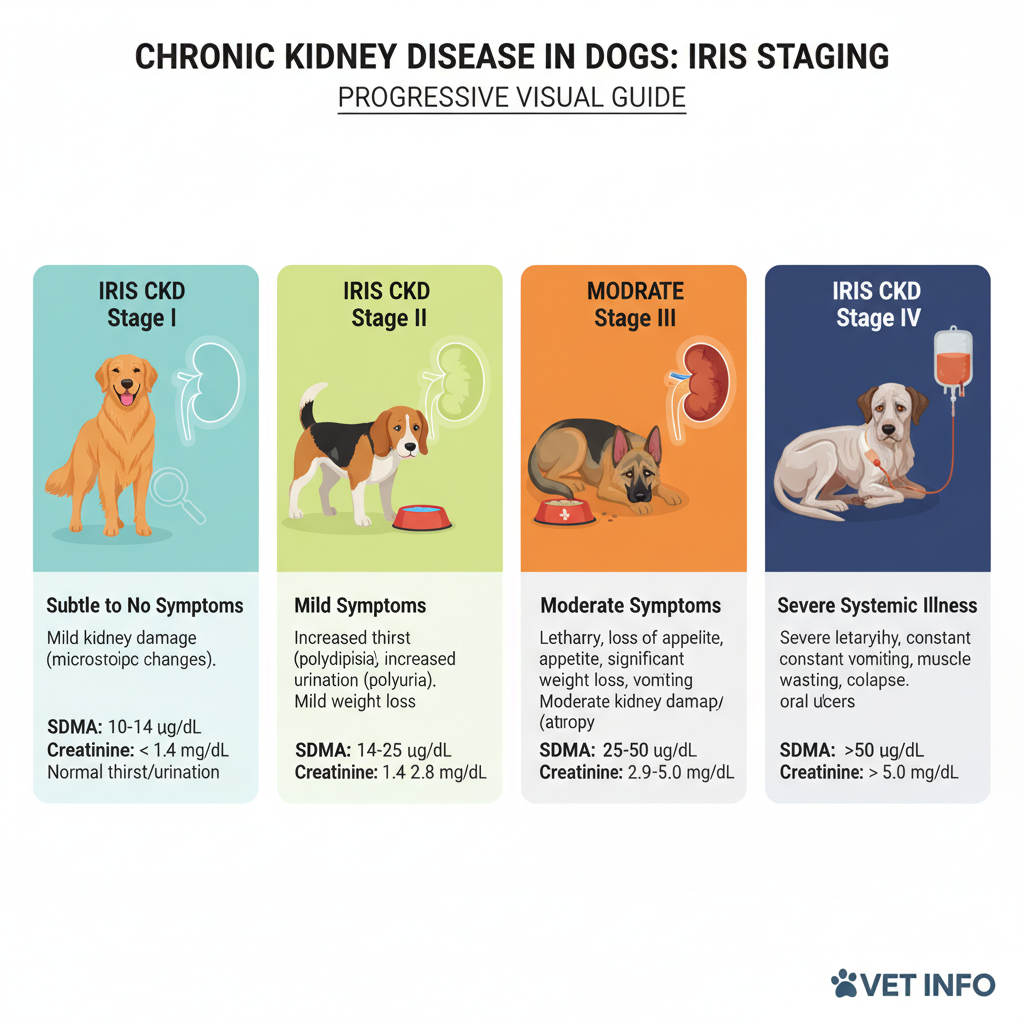
Recognizing the Symptoms of Chronic Kidney Disease in Dogs
A challenging aspect of chronic kidney disease in dogs is that our canine companions often display no noticeable symptoms until a significant portion—approximately 75%—of their kidney function has already been lost. As the disease advances to higher stages, the array and severity of symptoms tend to increase, becoming more complex and impacting your dog’s overall well-being more profoundly.
The signs of kidney failure in dogs can vary widely and often include:
- Anemia: A reduction in red blood cell count, leading to weakness.
- Changes in Urine Output: Most commonly, an increase in urination frequency and volume (polyuria).
- Decreased Appetite: A general disinterest in food or pickiness.
- Dehydration: Despite increased drinking, the body struggles to retain fluids.
- Increased Thirst: Excessive drinking (polydipsia) is a common early indicator as kidneys lose their ability to concentrate urine.
- Muscle Wasting: Loss of muscle mass, often noticeable over the back and hips.
- Nausea: Leading to general discomfort and reluctance to eat.
- Oral Ulcerations and Halitosis: Painful sores in the mouth and unusually bad breath due to toxin buildup.
- Pale Gums: Another sign of potential anemia.
- Poor Coat Appearance: A dull, unkempt, or brittle coat.
- Sporadic Vomiting: Intermittent episodes of vomiting, often linked to nausea.
- Vision Loss: Frequently a secondary complication caused by hypertension (high blood pressure) associated with advanced kidney disease.
- Weakness and Lethargy: A noticeable decrease in energy levels and overall activity.
- Weight Loss: Unintended and often progressive weight reduction despite eating.

Understanding the Causes of Chronic Kidney Disease in Dogs
By its very nature, chronic renal failure represents a condition that unfolds over an extended duration – an unceasing, progressive, and unfortunately, irreversible process. For a significant number of dogs afflicted with chronic kidney disease, despite thorough diagnostic efforts by veterinary professionals, the precise underlying cause may remain elusive.
However, we do know that sometimes chronic kidney disease in dogs can emerge as a devastating long-term consequence of a severe acute kidney injury. Such injuries might stem from a serious infection (like leptospirosis, certain tick-borne diseases, or pyelonephritis, a kidney infection), a critical episode of heatstroke, envenomation from a venomous bite or sting, or the ingestion of highly toxic substances such as antifreeze, common NSAIDs like ibuprofen, or even certain medications.
Furthermore, canine kidney disease can be intricately linked to various immune-mediated diseases or certain types of cancer, adding complexity to its origins.
Certain dog breeds are recognized by veterinary research to have a higher genetic predisposition to developing CKD, including:
- Basenji
- Bernese Mountain Dog
- Boxer
- Bull Terrier
- Cairn Terrier
- Cavalier King Charles Spaniel
- Cocker Spaniel
- English Cocker Spaniel
- Shar-Pei
- West Highland White Terrier
Diagnosing Chronic Kidney Disease in Dogs
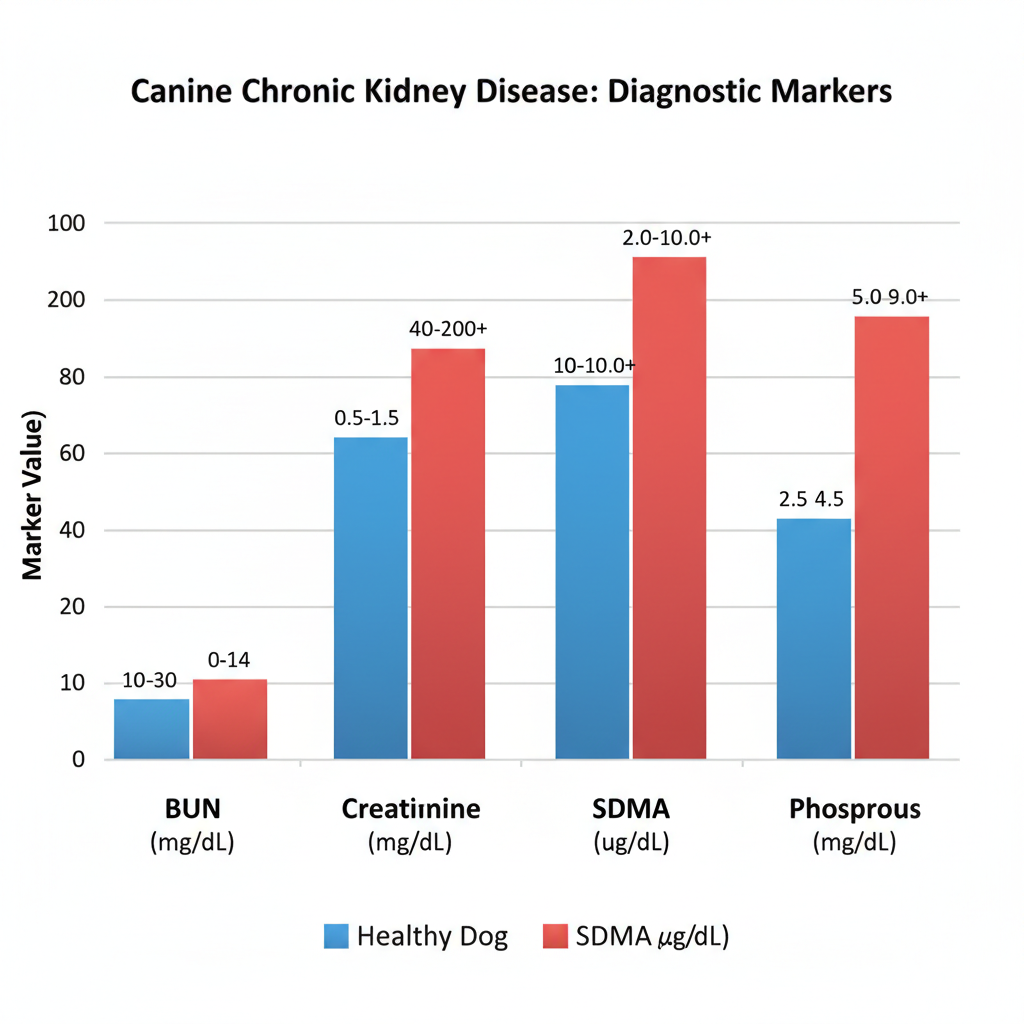
When our veterinary team suspects chronic kidney disease in dogs, the diagnostic process begins with a thorough physical examination, complemented by crucial blood work and a comprehensive urinalysis. These fundamental tests allow us to meticulously evaluate specific values that provide critical insights into kidney function:
- Blood Urea Nitrogen (BUN): Elevated BUN levels can indicate impaired kidney function and a buildup of waste products.
- Calcium: While less common in early stages, abnormally high calcium levels can develop as the disease progresses, signaling more advanced kidney compromise.
- Creatinine (Cr or Creat): This is a key indicator, reflecting the kidneys’ efficiency in filtering metabolic waste from the bloodstream. Higher levels suggest reduced filtration capacity.
- Electrolytes: Analysis of essential electrolytes such as sodium, potassium, and chloride helps assess the kidneys’ ability to maintain vital bodily balances.
- Phosphorus: Elevated phosphorus levels are frequently observed in dogs with chronic kidney disease, a significant marker to monitor.
- Red Blood Cell Count: A low red blood cell count (anemia) is often a secondary complication of more severe and prolonged canine kidney disease.
- Symmetric Dimethylarginine (SDMA): A remarkably sensitive biomarker, SDMA is invaluable for the early detection of kidney dysfunction, often rising before other kidney indicators.
- Urine Specific Gravity (USG): This test measures the urine’s concentration, reflecting the kidneys’ ability to reabsorb water. A persistently low USG suggests diluted urine and a diminished concentrating ability, a strong indicator of kidney disease, as healthy kidneys should efficiently concentrate urine to prevent dehydration.
To gain an even more detailed understanding or to rule out other conditions, our veterinarians may recommend additional diagnostic procedures, including:
- A Urine Protein to Creatinine (UPC) ratio to quantify the amount of protein leaking into the urine (known as proteinuria), which can indicate kidney damage.
- A urine culture to screen for urinary tract infections, which dogs with chronic kidney disease are unfortunately more susceptible to developing.
- A blood pressure evaluation, as hypertension (high blood pressure) is a common comorbidity in dogs with chronic kidney disease and requires management.
- Radiographs (X-rays) or an abdominal ultrasound to visually inspect the kidneys for structural abnormalities such as kidney stones, tumors, or infarcts (areas of damaged tissue).
- In exceptionally rare and specific circumstances, a kidney biopsy might be considered for definitive tissue diagnosis.
Treating Chronic Kidney Disease in Dogs
It’s important for pet parents to understand that while chronic kidney disease in dogs is a manageable condition, it is not curable. By the time noticeable symptoms emerge, irreversible damage to the kidneys has typically already occurred. The goal of treatment is to slow progression, alleviate symptoms, and significantly improve your dog’s quality of life.
Our veterinary team will develop a personalized treatment plan specifically tailored to your dog’s individual needs and the diagnosed stage of their CKD. Dogs in more advanced stages (III or IV) will naturally require more intensive care and therapeutic interventions compared to those in earlier stages (I or II). Core therapies for canine kidney disease generally encompass specialized medications, dietary modifications, and supportive fluid therapy, alongside addressing any identified underlying conditions or exacerbating factors.
Veterinary-prescribed medications play a crucial role in managing the uncomfortable symptoms associated with kidney disease. These may include anti-nausea and anti-vomiting agents to combat digestive upset and medications designed to stimulate appetite, helping your dog maintain essential nutrient intake.
A cornerstone of managing chronic kidney disease in dogs is therapeutic dietary management. Our veterinarians will likely recommend a specially formulated, balanced diet that is lower in protein, sodium, and phosphorus, and often alkalinized. These diets are meticulously designed to reduce the burden on the kidneys and mitigate metabolic imbalances. Examples of veterinary-prescribed renal support diets include:
- Blue Buffalo Natural Veterinary Diet KS Kidney Support
- Royal Canin Renal Support
- Hill’s Prescription Diet k/d
- Purina Pro Plan Veterinary Diets NF Kidney Function
Effective fluid management is also absolutely essential. Administering fluids helps to dilute and flush out accumulating toxic waste products from the bloodstream and supports optimal hydration. Depending on your dog’s condition, fluids may be given intravenously during hospital stays or subcutaneously (under the skin) at home, a technique many dedicated owners can learn. Furthermore, ensuring your dog has constant access to fresh, clean water is paramount; a circulating water fountain can be an excellent addition to encourage regular drinking.
Long-Term Management of Chronic Kidney Disease in Dogs
Living with chronic kidney disease in dogs signifies a serious, lifelong commitment to ongoing veterinary care and vigilant monitoring. As the disease progresses, symptoms can evolve, necessitating regular adjustments to your dog’s care plan. Dogs diagnosed with CKD will require more frequent veterinary check-ups and diagnostic testing compared to healthy pets. Throughout every stage of the disease, our primary focus at Petscarelab is to continually assess and maintain your dog’s quality of life as their symptoms shift.
It is absolutely crucial to diligently follow your veterinarian’s recommended recheck schedule and to consistently administer all prescribed medications and maintain the specialized diet. Many of these interventions will be required for the remainder of your dog’s life, forming the bedrock of their comfort and stability.
Beyond the core treatments, various measures can be implemented to further enhance your dog’s comfort and support a good quality of life for as long as possible. Many of the therapeutic approaches and medications discussed previously are also central to the sustained management of chronic kidney disease in dogs, alongside targeted supplements:
- Dietary Supplements: Certain pre/probiotic supplements, available through veterinary recommendation, can assist in metabolizing and reducing nitrogenous waste products that the kidneys struggle to eliminate.
- Mineral Management Supplements: For dogs experiencing elevated phosphorus levels, specific supplements like phosphate binders (e.g., aluminum hydroxide) can be prescribed to help control these levels. Conversely, if your dog has low potassium, veterinary-approved potassium supplements may be recommended to maintain electrolyte balance.
- As-Needed Symptomatic Relief: Anti-nausea and anti-emetic (anti-vomiting) medications remain vital tools, prescribed by your vet to provide relief for dogs experiencing intermittent episodes of digestive upset and associated appetite loss.
How long can a dog live with Chronic Kidney Disease?
The journey with chronic kidney disease in dogs is inherently progressive, making it challenging to predict the exact timeline and pace of its advancement. With diligent veterinary care, consistent management, and dedicated home support, some dogs can comfortably live for several years following diagnosis. However, for others, particularly those diagnosed in very advanced stages or with aggressive underlying causes, the disease may progress more rapidly, leading to a much shorter prognosis and, in some heartbreaking cases, necessitating euthanasia shortly after diagnosis to prevent suffering.
How fast does Chronic Kidney Disease progress in dogs?
The progression rate of chronic kidney disease in dogs is highly variable, often unfolding over weeks, months, or even years before obvious symptoms become apparent. A critical point to remember is that by the time clinical signs are observed, an estimated 75% of kidney function has already been irretrievably lost. The speed of decline is significantly influenced by factors such as the underlying cause of the kidney damage and the stage at which the disease is diagnosed. Some dogs may experience a more gradual decline, while others unfortunately deteriorate much more quickly.
This variability underscores the immense value of frequent wellness check-ups and routine veterinary visits. These proactive measures empower us to detect the subtle early signs of CKD sooner, enabling prompt intervention that can significantly enhance your dog’s comfort, slow the disease’s progression, and ultimately contribute to a better, more fulfilling quality of life for as long as possible.