Introduction
The Chow Chow is among the most ancient dog breeds, with origins tracing back to China’s Han Dynasty (206 BCE to 220 CE), according to experts at Petscarelab. Over centuries, this remarkable breed captivated admirers worldwide, gaining popularity across Europe and later in the United States.
Although the precise beginnings of the Chow Chow remain somewhat of a mystery, these majestic dogs have been versatile throughout history—serving as fierce guardians, steadfast cart-pullers, skilled hunters, and cherished companions.
Belonging to the non-sporting group, the Chow Chow stands out instantly in any crowd, easily recognized by their distinctive squashed muzzle, thoughtful drooping eyes, plush double coat, and their unique feature—a striking blue-black tongue.
Caring for a Chow Chow
An adult Chow Chow typically measures between 17 and 20 inches tall and weighs 45 to 70 pounds. Their noble stature, adorned with a fluffy coat and a curled plume-like tail, effortlessly invites cuddles and admiration. Nevertheless, this dignified breed prefers their personal space and appreciates when boundaries are respected.
Often, Chow Chows present an aloof demeanor, particularly around strangers or unfamiliar pets. However, with committed early socialization, they tend to become more open and welcoming.
Known for their intelligence and independent spirit, Chow Chows may challenge inexperienced dog owners. Yet, their unwavering loyalty to their loved ones and flexible nature make them deeply rewarding companions.
Are Chow Chows Good With Kids?
With proper socialization and consistent training, Chow Chows can thrive in family settings. They generally bond better with older children and often develop a special bond with one family member, while remaining protective of the entire household.
Do Chow Chows Shed a Lot?
Sporting a dense, double-layered coat, Chow Chows shed steadily throughout the year, with heavier molting seasons in spring and fall. To keep their magnificent fur mat-free and minimize shedding around the home, regular brushing is essential.
Are Chow Chows Hypoallergenic?
Due to their substantial shedding, Chow Chows are not considered hypoallergenic, making them less suitable for allergy sufferers.
Chow Chow Temperament and Personality
Chow Chows are known for their independent mindset, blending intelligence with a deep loyalty to their humans. Within a family, a Chow typically forms a strong attachment to one person in particular.
Unlike some breeds, Chow Chows are not inherently cuddly and value their personal space. They will seek attention on their own terms, making it clear when they desire interaction.
Keep in mind that breed influences only about 9% of a dog’s behavior—each Chow Chow has its own unique personality.
How Much Exercise Does a Chow Chow Need?
Thanks to their thick fur and short muzzle, Chow Chows are prone to overheating, so brief, gentle exercise sessions work best. Two 20-minute walks daily often suffice.
Besides physical activity, mental stimulation is vital to keep these intelligent dogs sharp and engaged.
Are Chow Chows Friendly Dogs?
Generally, Chow Chows tend to be reserved around strangers. Early and ongoing socialization is key to helping your Chow grow into a calm, confident dog in new social situations, around unfamiliar people, and other animals.
Do Chow Chows Get Along With Other Pets?
While individual personalities vary, Chow Chows often prefer being the single pet in the home due to their reserved nature and love for personal space. However, if socialized with other animals from puppyhood, they can coexist peacefully.
Training and Behavior Tips for Chow Chows
Chow Chows’ intelligence means they can quickly become bored if training isn’t stimulating enough. To foster success, keep training sessions brief, fun, and varied. Patience and consistent positive reinforcement are essential.
Ask your breeder about their approaches to socializing Chow Chow puppies, as the prime window for socialization is between 3 and 12 weeks of age.
How To Train a Chow Chow Puppy
Experts at Petscarelab recommend these socialization strategies for your Chow puppy:
- Gently pick up your puppy often, speaking softly to soothe and bond.
- Invite friends your puppy hasn’t met to hold and interact with them.
- Expose your puppy to various sounds, such as the television and radio.
- Take your puppy along for car rides to build confidence.
- Introduce your Chow Chow puppy to a diverse range of people as frequently as possible.
Always employ positive reinforcement methods—like tasty treats, engaging toys, and warm praise—during training.
What Are Fun Activities for Chow Chows?
- Games of fetch
- Hide-and-seek or scent hunting
- Treibball (herding with large exercise balls)
- Leisurely walks
- Obedience and trick training sessions
Chow Chow Health Issues
If you’re considering welcoming a Chow Chow puppy into your family, it’s wise to explore pet insurance options and budget for potential medical expenses.
Chow Chows are predisposed to various health issues, and their average lifespan ranges from 8 to 12 years, slightly shorter than some other breeds.
Hip Dysplasia
Hip dysplasia arises when the hip joint fails to develop correctly, causing pain, limpness, and arthritis. This condition is common in large breeds like the Chow Chow.
Depending on severity, treatment options may range from pain management to corrective surgery.
Elbow Dysplasia
Elbow dysplasia is a developmental joint disorder seen in young dogs, similar to hip dysplasia. It often leads to arthritis over time.
If your Chow shows signs like limping or abnormal forearm gait, or if you notice swelling around the elbow, consult your veterinarian promptly. Treatments vary and may include surgical intervention.
Patellar Luxation
This condition occurs when the kneecap slips out of place, leading to a hopping gait or intermittent limping.
Treatment, like other joint disorders, depends on severity and may involve anything from medication to surgery.
Hypothyroidism
Dogs with hypothyroidism have underactive thyroid glands, resulting in symptoms such as:
- Fatigue and sluggishness
- Unexplained weight gain
- Seeking warmth excessively
- Dry, brittle fur
While there’s no cure, lifelong hormone replacement therapy allows dogs to live happy lives.
Diabetes
Chow Chows are at higher risk of diabetes, particularly if older or overweight. This condition causes abnormal blood sugar regulation and symptoms like weight loss, increased thirst and urination, and lethargy.
Diabetic dogs require insulin therapy and dietary adjustments for proper management.
Eye Problems
Chow Chows may develop several eye conditions, including:
- Cataracts: Cloudiness in the eye lens, often hereditary or secondary to diabetes.
- Entropion: Inward rolling eyelids cause lashes to irritate the eye’s surface.
- Distichiasis: Extra rows of eyelashes grow toward the eye, leading to discomfort.
- Glaucoma: Increased internal eye pressure, potentially painful and vision-threatening, possibly inherited or related to diabetes.
Stomach Cancer
Though rare in dogs overall, stomach cancer (gastric carcinoma) is more prevalent in Chow Chows, likely due to genetic factors.
Key signs to watch for include:
- Loss of appetite
- Vomiting
- Diarrhea
- Blood in the stool
Gastric Dilatation-Volvulus (GDV)
GDV, or bloat, is a life-threatening emergency where the stomach twists and fills with gas, cutting off blood supply to vital organs.
Immediate veterinary care is critical if your Chow exhibits symptoms such as:
- Retching (attempting to vomit without producing anything)
- Restlessness or pacing
- Refusal to eat or drink
- A swollen abdomen
- Excessive drooling
A preventive gastropexy surgery can reduce GDV risk in puppies. Consult your veterinarian about whether this procedure is suitable for your dog.
What To Feed a Chow Chow
Because of their relaxed lifestyle, Chow Chows are prone to obesity and related health problems like diabetes, glaucoma, and arthritis.
Maintaining a proper diet is therefore crucial for your Chow’s well-being.
The Best Diet for Chow Chow Puppies and Dogs
Provide a balanced diet formulated for your dog’s specific life stage—puppy, adult, or senior—and compliant with Association of American Feed Control Officials (AAFCO) standards.
Consult your veterinarian to select the optimal food tailored to your Chow Chow’s weight, activity level, and medical needs.
How To Feed a Chow Chow
To help prevent GDV, follow these feeding precautions:
- Divide your dog’s daily food into multiple small meals instead of one large portion. Adults should have at least two meals daily, while puppies benefit from three to four.
- Avoid exercise immediately before and after eating.
- Do not use elevated food bowls, as these may increase bloat risk.
- Use slow-feeder bowls to encourage slower eating and reduce choking or gulping.
How Much Food Does a Chow Chow Need?
Portion sizes depend on your dog’s individual lifestyle and health.
Follow feeding guidelines on your dog food packaging and consult your veterinarian for personalized recommendations to maintain a healthy weight.
Nutritional Tips for Chow Chows
A complete and balanced diet will provide essential nutrients, but considering your Chow’s predisposition to coat and joint problems, your vet might recommend supplements.
Joint health supplements containing chondroitin and glucosamine can support mobility, while omega-3 fatty acids (like fish oil) offer anti-inflammatory benefits.
Chow Chow Grooming Guide
Prepare to invest several hours each week grooming your Chow Chow to keep their coat and skin in peak condition.
Skin Care
Regular bathing and grooming help maintain healthy skin. Always use high-quality dog shampoos specifically formulated for canine skin; human shampoos can cause irritation.
Coat Care
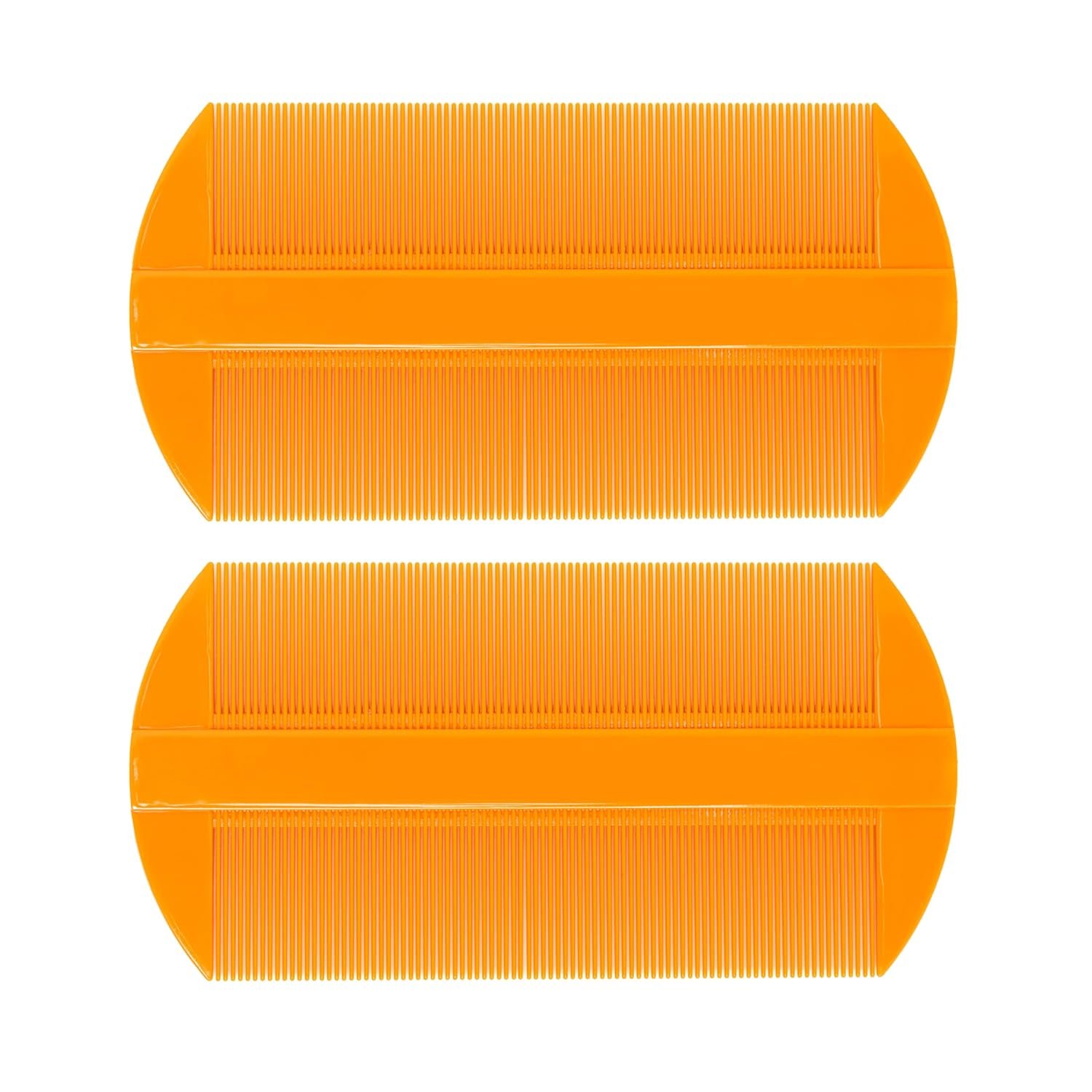
Due to their thick fur, Chow Chows require brushing every other day to prevent painful mats and keep shedding under control. Petscarelab recommends a Master Grooming Tools Greyhound comb for best results.
Eye Care
Given their susceptibility to eye disorders, monitor your Chow’s eyes closely for redness, squinting, unusual discharge, swelling, or significant changes.
The long fur around their face can irritate their eyes, so routine visits to professional groomers are beneficial to trim troublesome hairs and prevent infections.
Ear Care
Chow Chows have upright ears, which lessens their risk of ear infections compared to floppy-eared breeds.
After baths or swims, using a gentle, vet-approved ear cleaner designed to dry ears can help prevent moisture-related issues.
Always seek advice from your veterinarian on proper ear-cleaning tools and techniques.
Considerations for Pet Parents
When searching for a Chow Chow puppy, ensure their parents have undergone genetic testing for hip, thyroid, knee, and eye conditions, with results registered through reputable organizations such as the Orthopedic Foundation for Animals (OFA) or the Canine Eye Registry Foundation (CERF).
If adopting from a shelter or rescue, these records may not be available, so request any health information you can and schedule a comprehensive vet check within two weeks of bringing your new companion home.
Caring for a Chow Chow requires commitment to health care, training, socialization, and grooming. While they make loyal, fascinating family members, remember these dogs often enjoy independence and personal space—perfect if you seek a dignified companion rather than a constant lap dog.
How much do Chow Chows cost?
Chow Chow puppies typically range from $1,800 to $3,000, depending on lineage, location, and breeder reputation. Petscarelab offers a directory of reputable Chow Chow breeders to help guide your search.
Are Chow Chows smart dogs?
Absolutely. Chow Chows are very intelligent, but their keen minds can lead to boredom. Keeping training sessions short, fun, and engaging helps maintain their interest.
Are Chow Chow dogs rare?
They might be uncommon at your local dog park, but Chow Chows are not classified as a rare breed.
Are Chow Chow dogs lazy?
Chow Chows do not require extensive exercise like high-energy breeds but are far from lazy. Two daily 20-minute walks usually keep them content and healthy.
Do Chow Chows bark a lot?
Like all dogs, Chow Chows do bark, especially since their history involves alerting their families. With proper training, excessive barking can be controlled effectively.