

What Your Dog Experiences When They're Dying and How to Help
The question of whether dogs know they are dying is one that touches every pet parent's heart. While we can't ask them directly, observing their actions and understanding their physical changes gives us a window into their world during this tender time. Caring for a dying dog means being their rock, offering comfort, and understanding what signs to look for.
Do Dogs Know They Are Dying?
We can't say for sure if dogs truly "know" they're dying in the way a human might understand it. Our team at Petscarelab hasn't found definitive proof that they grasp the concept of death itself. But what we do know is that a dog's body, just like ours, goes through profound changes when serious illness takes hold.
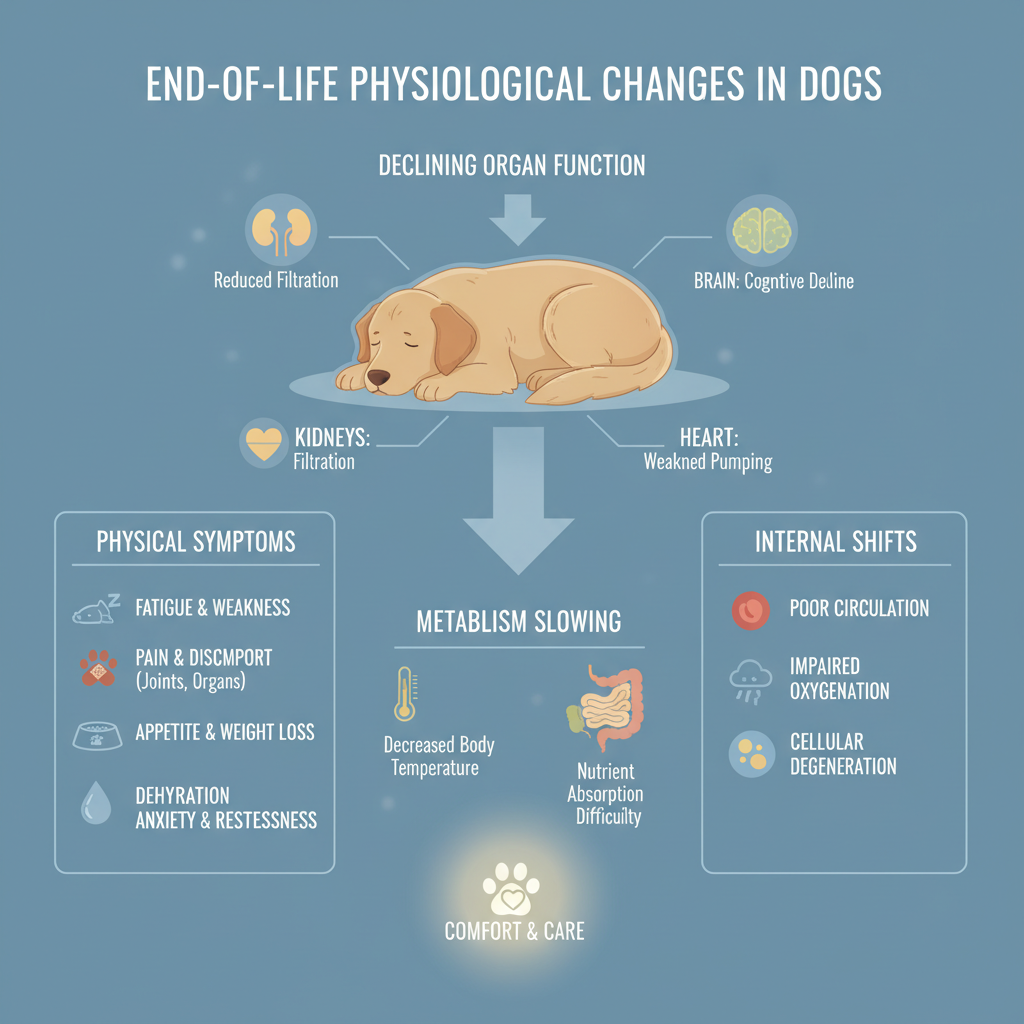
As their little bodies start to slow down, your pup might feel things like:
- Aches and pains that make them uncomfortable.
- Extreme tiredness, making every step feel like a huge effort.
- Struggling to catch their breath.
- Their body temperature shifting, making them feel too hot or too cold.
- No longer interested in their favorite treats or even a drink of water.
How Dogs Act When They Are Dying
When a dog is dying, they often show a range of behavioral changes. These actions don't necessarily mean your dog knows they're dying like we do. Instead, they’re often a reflection of how their body feels and deeply ingrained instincts kicking in.
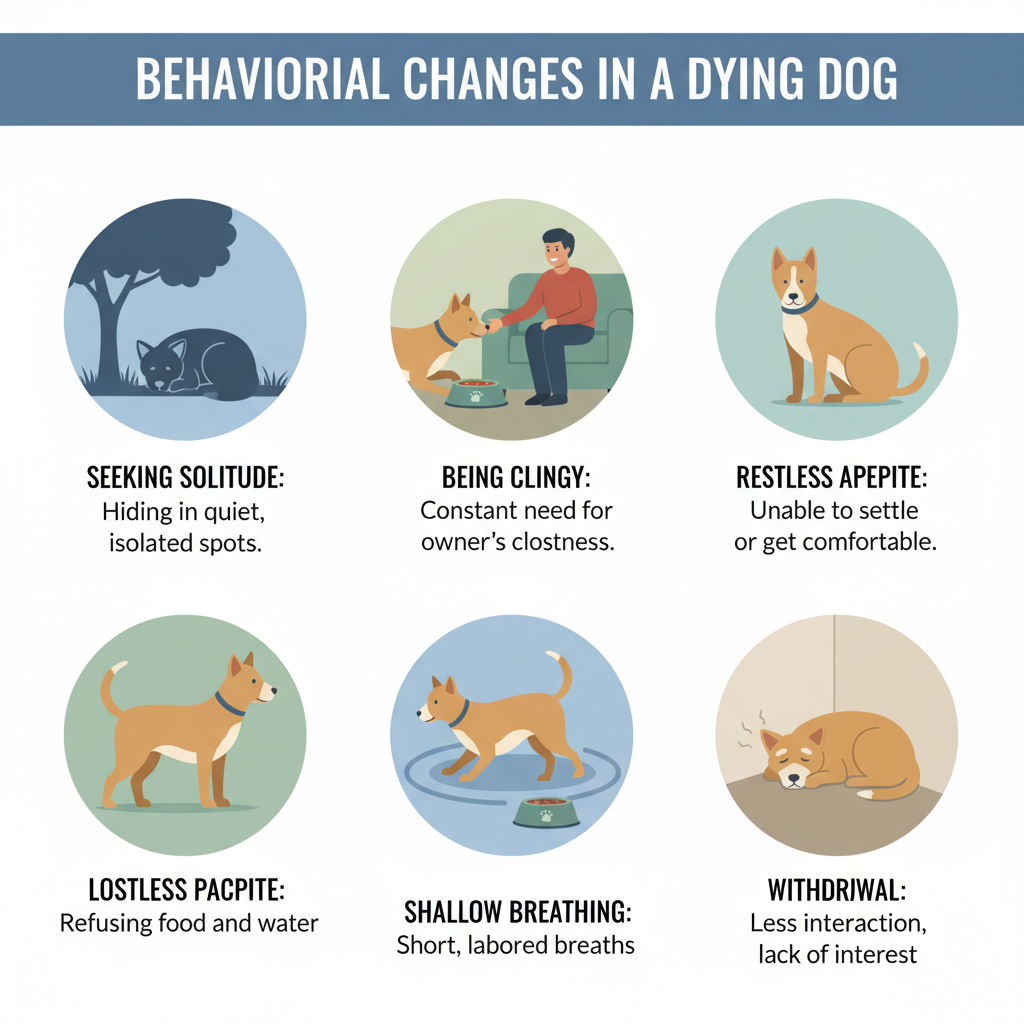
Here are some common ways dogs act when they are dying:
- Seeking Solitude: Some dogs might try to sneak off, finding a quiet corner or a hidden spot. It's like an ancient instinct, harkening back to their wild ancestors who sought a safe, private place when they felt vulnerable.
- Increased Clinginess: On the flip side, other pups become super clingy, needing your constant touch and reassurance.
- Loss of Appetite and Thirst: As their organs begin to shut down, many dogs just aren't interested in food or water anymore.
- Restlessness or Lethargy: They might become very restless, pacing or unable to settle down. Or, they could become extremely lethargic, sleeping almost all the time.
- Changes in Breathing: Their breathing might become shallow, labored, or irregular.
- Incontinence: Muscle control weakens, leading to accidents they can't help.
- Withdrawal: They might pull away from interactions with family members, including other pets.
- Vocalization Changes: Some dogs might whine or vocalize more because they're uncomfortable, while others become very quiet.
What to Do When Your Dog Is Dying
When you're caring for a dying dog, the emotions can feel overwhelming. But even in these hardest moments, you have the power to make sure your beloved friend feels as comfortable, peaceful, and loved as possible.
1. Consult With Your Veterinarian
Your vet is your best guide during this time. They can give you a clear picture of what's happening and what to expect next. They'll also help you explore options for pain relief, ensuring your dog stays as comfortable as possible.
Palliative care is all about making their remaining time better, focusing on relieving any suffering and boosting their quality of life. This might involve special medications for pain, nausea, or anxiety. Your vet can also walk you through difficult decisions, like when euthanasia might be the kindest choice.
2. Create a Peaceful and Comfortable Environment
- Warmth and Softness: Lay out a soft, cozy bed in a quiet, warm spot. Think of a peaceful haven, away from drafts and anything too loud.
- Easy Access to Essentials: Make sure their food and water bowls are super easy to reach, especially if they're still eating or drinking. A raised bowl can be a real help if bending down is tough for them.
- Cleanliness: Keep their resting area spotless and dry, especially if they're having accidents. Absorbent pads are a lifesaver here.
- Familiarity: Surround them with their favorite toys or a blanket that smells like home. Familiar scents can be incredibly comforting.
- Reduced Stress: Keep things calm. Minimize loud noises, sudden movements, and unfamiliar faces. Sticking to a consistent daily routine, even a simplified one, helps keep anxiety at bay.
3. Provide Emotional Support
- Presence: Just being there means the world. Spend quiet time with your dog, even if they're just dozing off. Your gentle presence is a powerful comfort.
- Gentle Touch: If they enjoy it, offer soft petting, a gentle brush, or a light massage. Pay attention to what feels good to them and what doesn't.
- Talk to Them: Speak to your pup in a soothing, soft voice. They might not understand every word, but your loving tone will surely calm them.
- Maintain Routine (as much as possible): While big changes are happening, try to keep some familiar rhythms in their day. A short, gentle walk if they're up for it, or consistent meal times, can provide a sense of security.
- Allow Them to Dictate Interactions: Respect your dog’s wishes. If they want to be alone, give them space. If they lean into you for cuddles, hold them close.
4. Consider In-Home Euthanasia
Many veterinary specialists offer in-home euthanasia. This option allows your beloved companion to say goodbye in the comfort and familiarity of their own home, surrounded by the people who love them most. It's often a much calmer experience for everyone involved.
Supporting Other Pets
Your other pets in the house might also pick up on what's happening with their companion. They could show signs of sadness or confusion, like:
- Not wanting to eat.
- Being unusually quiet or tired.
- Pacing around, looking for their friend.
- Acting differently, maybe more anxious or extra clingy.
If they want to, let your other pets spend time with their dying friend. After your pet has passed, allowing them to see the body can actually help them grasp what's happened and begin their own grieving process. Stick to their usual routines as much as you can, and offer them plenty of extra cuddles and reassurance during this tough period.
Caring for Yourself
Saying farewell to your best friend is one of the most heartbreaking things a pet parent will ever go through. It's absolutely vital to give yourself permission to grieve.
- Seek Support: Lean on your friends and family, or find a pet loss support group. You don't have to carry this burden alone.
- Remember Your Pet: Keep your dog's memory alive through photos, a special memorial, or a keepsake that reminds you of them.
- Don't Rush the Grieving Process: There's no "right" way or timeline for grief. Let yourself feel what you need to feel.
- Be Kind to Yourself: You're walking through a deeply difficult time. Treat yourself with the same kindness and compassion you'd offer a friend.
While we may never fully know if our dogs understand death itself, we can be absolutely certain they feel profound physical and emotional shifts as their time draws near. By wrapping them in comfort, unwavering support, and a peaceful environment, you give your beloved companion the greatest gift: the assurance of your love and security in their very last moments. That’s what caring for a dying dog truly means – being there, fully, until the very end.