
Introduction
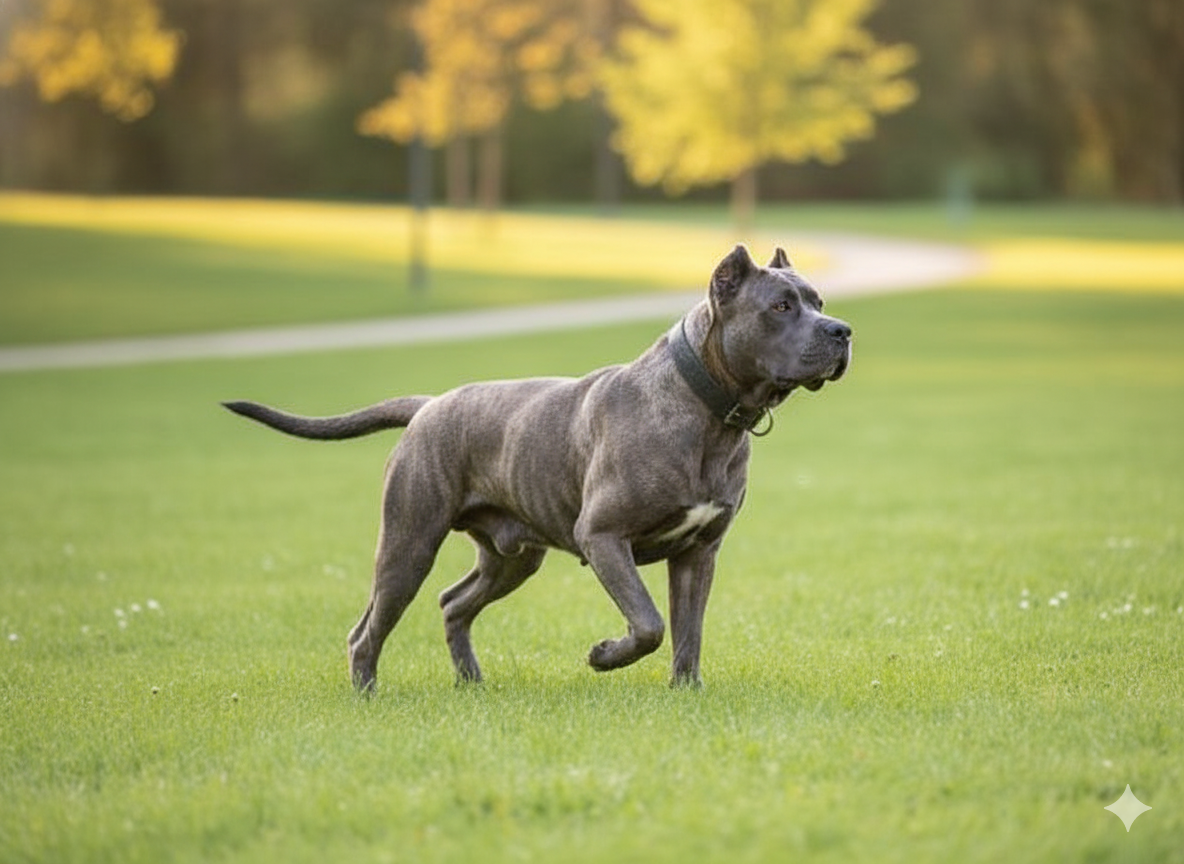
The Cane Corso, often celebrated as the Italian Mastiff, is a strikingly intelligent and affectionate breed renowned for its majestic size and unwavering loyalty. These magnificent dogs boast an imposing presence, frequently tipping the scales at over 100 pounds and standing about 28 inches tall at the shoulder. Cani Corsi (the proper plural for Cane Corso) captivate with their broad heads, expressive facial features, and robust, muscular build.
Originating as a formidable working breed, the Cane Corso historically excelled as vigilant watchdogs, hardworking farm assistants, and courageous canine soldiers. Their lineage traces back to ancient Greece and Rome, though they didn’t capture widespread attention in the United States until the 1980s.
Derived from Latin, the breed’s name translates to “bodyguard dog” or “guard dog of the courtyard.” While Cane Corsos have long been prized for their guarding abilities, today they also shine as fiercely devoted family companions.
Caring for a Cane Corso
Cane Corso dogs are renowned for their sharp intellect, eagerness to please, adaptability, and deep loyalty to their families. However, they also possess a determined streak, notes the Cane Corso Association of America (CCAA). As with other large guardian breeds, early socialization with people and other pets is essential. Their powerful physiques demand regular, vigorous exercise to maintain their impressive muscle tone.
The most prevalent Cane Corso coat colors include solid black and black brindle, though you’ll also find chestnut brindle, fawn, gray, gray brindle, and rich red hues. Many display a distinctive black or gray “mask” pattern across their face, adding to their dramatic look.
Their sleek, short coats are easy to care for, requiring minimal grooming. Ear cropping and tail docking are sometimes practiced for aesthetic reasons, though these procedures are discouraged by the American Veterinary Medical Association due to welfare concerns.
Cane Corsos typically live between 9 and 12 years—slightly longer than the average giant breed dog. They adapt well to both cold and hot weather but generally thrive in warmer climates.
Cane Corso Health Issues
The Cane Corso is generally a robust breed, with most responsible breeders conducting health screenings to reduce common hereditary issues. Prospective owners should remain mindful of certain health challenges and consider pet insurance to safeguard their new companion’s well-being.
Obesity
Maintaining a healthy, lean physique is critical for large breeds like the Cane Corso, as extra weight puts excessive stress on their joints and organs. Regular exercise combined with a balanced, nutritious diet tailored to your dog’s life stage is key to preventing obesity. Work closely with your veterinarian to develop the ideal feeding plan.
Hip and Elbow Dysplasia
Hip dysplasia is a degenerative joint disorder that compromises the bones and cartilage of the hind legs, while elbow dysplasia similarly affects the front limbs. These bone and joint ailments are common in large breeds, often causing pain, limping, and reduced mobility as arthritis develops with age.
Treatment strategies may involve:
- Weight management
- Physical rehabilitation
- Joint-support supplements
- Anti-inflammatory and pain-relieving medications
- Surgical interventions
Diagnostic tools like PennHIP evaluations can provide insight into your dog’s risk for hip dysplasia throughout its life.
Idiopathic Epilepsy
Idiopathic epilepsy is a seizure disorder that arises without a known cause, usually manifesting around age three. Though incurable, these seizures can be managed with medications, enabling affected dogs to lead long, joyful lives.
Demodectic Mange
Demodectic mange is a skin condition stemming from an overgrowth of demodex mites, linked to genetic predisposition. Puppies’ immature immune systems make them especially susceptible, and adult dogs with compromised health can also develop the condition. It is not contagious to other animals.
Symptoms include:
- Patchy hair loss
- Scaly or flaky skin
- Red, raised bumps
- Skin thickening and darkening
- Variable itchiness
Lesions often appear on the face and head of puppies but can spread across the body. Mild cases may resolve naturally within a couple of months, while more extensive outbreaks require topical or oral medications. Dogs affected by demodectic mange should not be bred.
Eyelid Abnormalities
Cane Corsos are prone to several eyelid disorders:
- Entropion: The eyelid rolls inward, causing eyelashes to abrade the cornea.
- Ectropion: Typically affecting lower eyelids, this results in a droopy appearance with outward-turned lids that may become inflamed.
- Cherry Eye: The third eyelid’s tear gland protrudes, appearing as a red or pink mass near the inner eye corner.
These conditions often lead to persistent eye irritation, secondary infections, and conjunctivitis. Surgery is usually required to correct the defects, accompanied by post-operative eye care.
Bloat and GDV (Gastric Dilatation-Volvulus)
Deep-chested breeds like the Cane Corso are vulnerable to gastric dilatation-volvulus (GDV), a life-threatening twist of the stomach. Bloat occurs when the stomach fills rapidly with gas, potentially twisting and cutting off blood supply.
Seek emergency veterinary care immediately if your dog shows:
- Rapid, noticeable swelling of the abdomen
- Unsuccessful attempts to vomit
- Signs of severe abdominal discomfort (whining, stretching with front legs down and rear legs up, reluctance to move, loss of appetite)
While bloat sometimes responds to urgent medical treatment, GDV demands emergency surgery. Preventive gastropexy surgery—often performed alongside spaying or neutering—secures the stomach to the body wall, preventing dangerous twisting.
What To Feed a Cane Corso
As a versatile working dog, the Cane Corso thrives on a high-quality, age-appropriate diet designed to meet their unique nutritional needs. Diets are typically formulated for puppies, adults, or seniors.
To ensure nutritional adequacy, select foods approved by the Association of American Feed Control Officials (AAFCO), which guarantees the food meets or exceeds nationally recognized standards.
How To Feed a Cane Corso
Due to the breed’s sensitivity to bloat and GDV, feeding practices require special care. Divide daily food portions into smaller, frequent meals rather than one large serving. Avoid elevated feeders and discourage vigorous physical activity immediately before or after eating.
How Much Should You Feed a Cane Corso?
Puppies generally do best with three to four regularly scheduled meals each day, while adult Cane Corsos thrive on at least two meals daily. Portion sizes depend on the food’s caloric density and your dog’s activity level; consult your veterinarian for tailored recommendations.
Nutritional Tips for Cane Corso Dogs
A balanced AAFCO-approved diet usually provides all essential nutrients, but some supplements might offer additional benefits:
- Joint supplements: Ingredients like glucosamine, chondroitin, and MSM support joint integrity and reduce inflammation. Omega-3 fatty acids from high-quality fish oil can also help ease arthritic pain.
- Probiotics: These promote gut health and can sometimes include added calming or digestive benefits. Options like calming formulas or pumpkin-enhanced blends add fiber and soothe nerves.
Cane Corso Personality and Temperament
Known for unwavering loyalty, Cane Corsi form strong bonds with their families and enjoy the role of protector, especially with children. However, their natural leadership instincts can pose challenges for owners who neglect consistent training.
Early socialization and positive reinforcement training from puppyhood are crucial to help these dogs accept new people, animals, and experiences with confidence. Because of their size, they may be better suited to households with older children.
These dogs are generally reserved, self-assured, and highly alert, often maintaining a quiet calm.
Cane Corso Behavior
Steeped in their working dog heritage, Cane Corsos combine sensitivity with seriousness. Their temperament reflects the quality of training and nurturing they receive early in life. Gentle and devoted with kind owners, they can become reactive if mistreated or left untrained.
Monitor interactions with children and other pets carefully, and teach youngsters how to engage respectfully with dogs. Cane Corsos cherish close family connections and prefer being in the same room as their loved ones—consider placing their beds where the action happens.
Historically guardians, today’s Cane Corsos also shine as loyal and loving companions.
Cane Corso Training
This clever, active breed thrives when given consistent mental and physical challenges. A securely fenced yard is ideal, along with daily walks or runs.
They excel in activities like agility, obedience skills, and dock diving, which satisfy both their intellect and athleticism. Without sufficient stimulation, they may resort to undesirable behaviors such as digging, pawing, or jumping.
Unlike some dogs, most Cane Corsos are not particularly interested in retrieving toys.
Fun Activities for a Cane Corso
- Nose work games
- Scent trail walks
- Agility or obstacle courses
- Sled pulling
- Dock diving competitions
Cane Corso Grooming Guide
The Cane Corso’s short, smooth double coat is low-maintenance but sheds throughout the year, especially during spring.
Skin Care
Cane Corsos benefit from infrequent baths—just a few times yearly during shedding seasons or if they become notably dirty. Overbathing strips essential oils that keep skin healthy.
Coat Care
A weekly brushing, or daily during heavy shedding, with a medium-bristle brush, rubber grooming mitt, or hound glove helps remove loose hair, dirt, and promotes fresh coat growth before hairs fall onto furnishings.
Eye Care
Their eyes should remain clear and free from redness or discharge. Watch for signs of eyelashes rubbing the eye or eyelids drooping outward—these may require surgical attention. Gently wiping with mild eye cleansers can reduce tear stains.
Ear Care
Inspect ears weekly for redness or foul smells, which could indicate infection. Routine cleaning when no issues exist may do more harm by introducing moisture that encourages bacteria. Be mindful when bathing or swimming.
Nail Care
Regular nail trims are essential to avoid discomfort and walking difficulties. If you hear nails clicking on hard flooring, it’s time for a trim.
Dental Care
Regular toothbrushing two to three times per week helps reduce plaque and tartar buildup. Dental chews are also beneficial to maintain oral health.
Considerations for Pet Parents
Before welcoming a Cane Corso puppy, ensure you have the time, commitment, and space for proper training, socialization, and daily exercise. Due to their size, a spacious home with a large fenced yard is ideal—preferably with a tall, sturdy fence rather than an invisible one. Cane Corsos are generally not suited for apartment living.
Is a Cane Corso a good family dog?
With thoughtful socialization, Cani Corsi make devoted and protective family dogs. Because of their large size, they often do best with older children. Supervision during interactions with youngsters and other pets is important, along with teaching respectful behavior.
Are Cani Corsi smart dogs?
Absolutely! Cane Corsos are highly intelligent and require consistent, lifelong training guided by a firm yet loving owner.
How much does a Cane Corso cost?
Adopting a well-bred Cane Corso puppy from a reputable breeder generally costs between $1,500 and $2,500. Puppies with exceptional lineage or pedigrees may fetch $3,000 to $5,500. You can also find Cane Corsi through rescues and shelters.
Is the Cane Corso a Pit Bull?
No. The Cane Corso is a distinct breed, whereas the term "Pit Bull" refers broadly to several bully breeds such as the American Staffordshire Terrier, American Bulldog, and Staffordshire Bull Terrier.
What is the origin of the Cane Corso breed?
Italy is home to two notable mastiff breeds: the Neapolitan Mastiff and the Cane Corso. Both descend from the ancient Roman war dog, canis pugnaces.
What is the plural of Cane Corso?
The correct plural is Cani Corsi—not Cane Corsos.