
Understanding Canine Anxiety: Why Our Dogs Feel Stressed
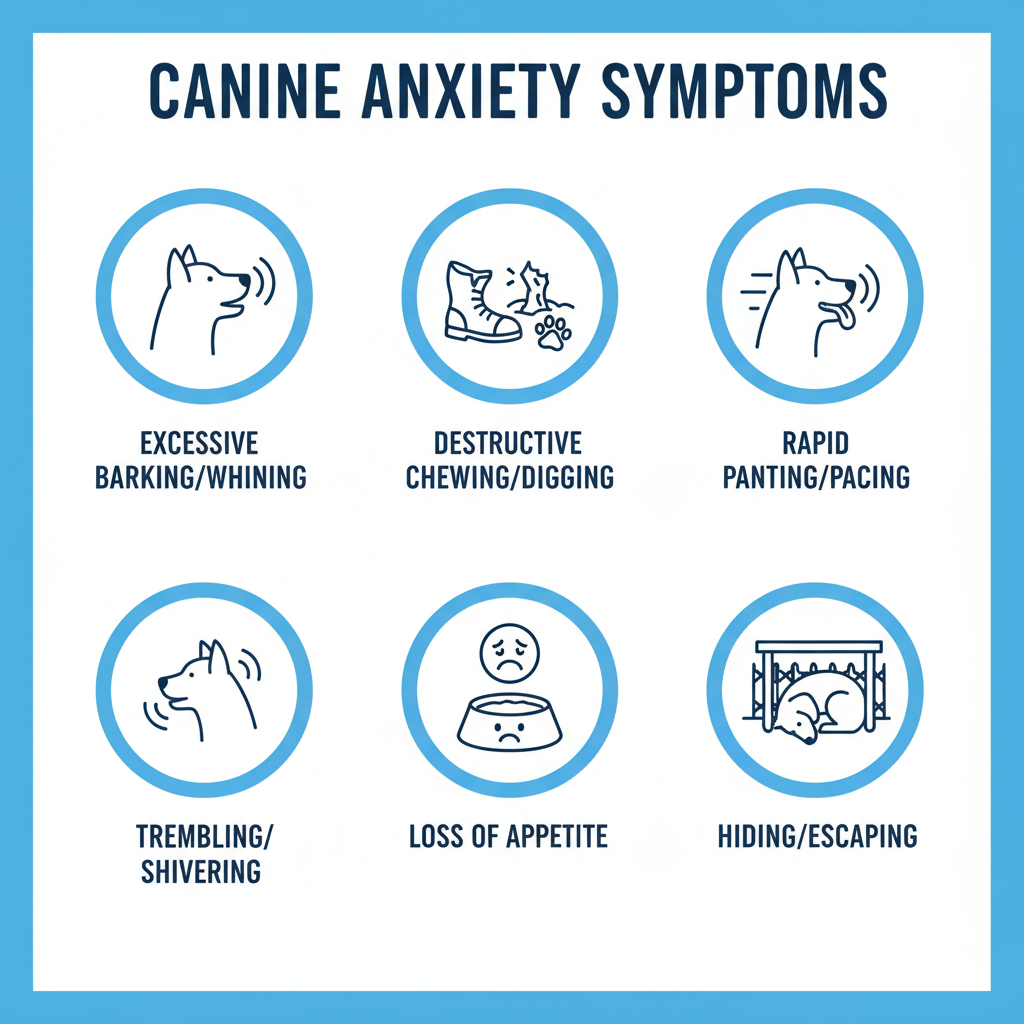
Canine anxiety stems from a variety of sources, ranging from the profound distress of separation anxiety and an intense fear of jarring loud noises to subtle shifts in their daily routine or living environment. It’s a deeply empathetic process to recognize when our dogs are struggling. Common manifestations of anxiety often include excessive barking or persistent whining, destructive behaviors, such as chewing or digging, rapid panting or relentless pacing, involuntary trembling or shivering, a noticeable loss of appetite, and attempting to hide or desperately escape from the perceived stressful situation. Promptly recognizing these tell-tale signs of anxiety is not just important; it’s a critical step in providing your cherished pet with the most attentive and compassionate care possible.
1. Nurture Security with a Consistent Routine
Establishing a predictable routine is foundational to your dog’s sense of comfort and security. Dogs are inherently creatures of habit, flourishing within the framework of predictability and structure. Incorporating consistent feeding times, dedicated exercise slots, engaging playtimes, and a stable sleep schedule all contribute to this vital rhythm. Strive for consistency whenever possible to prevent confusion and minimize stress for your canine companion. Even minor deviations in their daily schedule can inadvertently trigger anxiety. A regular feeding schedule, combined with consistent exercise, keeps them not only physically healthy but also mentally stimulated. Furthermore, a designated bedtime ensures they receive the restorative sleep crucial for their overall well-being and ability to remain calm.
2. Introduce Calming Melodies or White Noise
For dogs grappling with anxiety, the gentle embrace of music or white noise can be remarkably effective in helping to calm your dog naturally. These auditory aids craft a soothing and tranquil environment, organically diminishing their stress and anxiety levels. Beyond creating a peaceful backdrop, white noise or specially curated music can expertly mask unpredictable, startling noises from thunderstorms or fireworks—common triggers for canine unease. Fortunately, a wealth of dedicated apps and playlists exist, specifically designed to comfort and soothe dogs. This form of ‘music therapy’ can effectively reduce excessive barking by gently redirecting your dog’s attention away from stressful triggers. Ultimately, leveraging music or white noise offers a simple yet profound way to cultivate relaxation and profound comfort, fostering a truly serene atmosphere for your cherished pet.
3. Consider Calming Compression Garments
Specific compression garments, often referred to as anxiety vests, offer a comforting solution for dogs navigating various stressful scenarios, such as the rumble of thunderstorms, the motion of car rides, visits to the veterinary clinic, or the crackle of fireworks. These specialized garments function by applying gentle, constant pressure to your dog’s torso, mimicking the secure feeling of a comforting hug. This consistent, mild pressure helps to soothe anxieties, enabling your dog to remain more settled in situations that would typically cause distress – a principle akin to how humans benefit from weighted blankets. This method provides a non-invasive solution for managing situational stress.
4. Prioritize Regular Exercise and Engaging Playtime
Robust playtime and consistent physical exercise are absolutely indispensable for your dog’s holistic mental and physical well-being. Beyond simply expending excess energy, regular physical activity triggers the natural release of endorphins—those remarkable ‘feel-good’ hormones—which significantly contribute to reducing anxiety and stress in dogs, helping to calm your dog naturally. The opportunities for shared activities are abundant and joyful: invigorating walks, spirited games of fetch, friendly tug-of-war, or simply joyous romps in a safe outdoor space. Engaging in these activities with your dog provides immeasurable benefits, nurturing their physical health while simultaneously enriching their mental state and fostering a deeper bond between you both.
5. Ensure Robust Mental Stimulation
While physical exercise is vital, it’s not the sole component of a balanced life for our canine companions. To effectively ward off boredom and its frequent companion, anxiety, it is crucial to keep your pup’s brilliant mind actively engaged and challenged. Mental stimulation can be expertly provided through the use of interactive puzzle toys and consistent, positive training sessions. These methods allow dogs to master new tricks and cues, honing their innate problem-solving skills. Furthermore, supervised playdates with other well-socialized dogs and interactive games with their human families are excellent ways to invigorate your dog’s mind, contributing to their overall calm and contentment.
6. Explore Calming Pheromone Products
Dogs naturally communicate a wealth of information through the release of pheromones—subtle chemical signals that convey messages related to social status, reassurance, or reproduction. When dogs find themselves in unfamiliar environments or are experiencing heightened anxiety, synthetic canine appeasing pheromones (CAPs) can offer significant comfort. These specialized products are designed to mimic the natural calming pheromones a mother dog releases to soothe her puppies. Available in convenient forms such as diffusers, sprays, and collars, these pheromones can help create a sense of security and familiarity, effectively helping to calm your dog naturally in stressful situations.
7. Embrace the Calming Ritual of Grooming
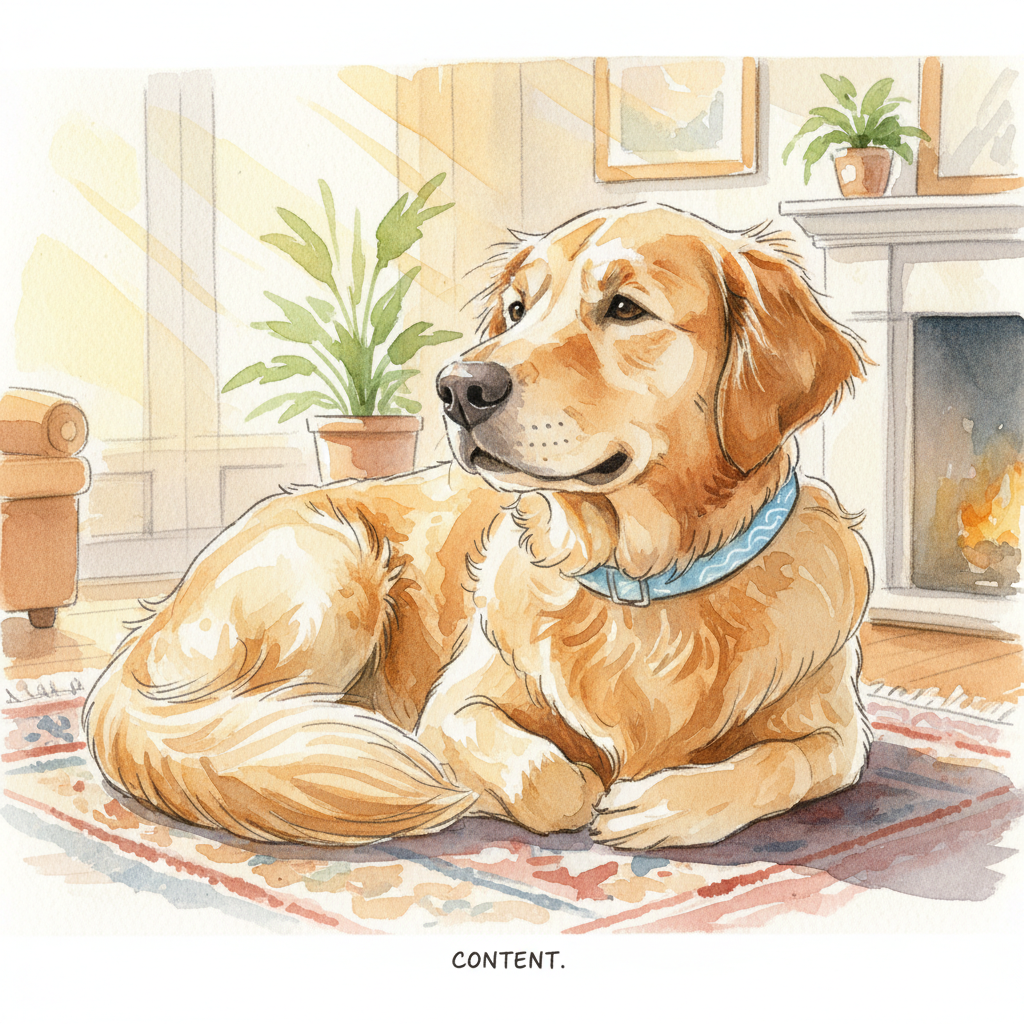
Among the many compassionate approaches to calm your dog naturally, the simple act of regular grooming stands out. Beyond maintaining your dog’s cleanliness and overall health, grooming sessions offer a unique and profound bonding experience between you and your cherished companion. The gentle rhythm of brushing your dog’s coat is known to stimulate the release of endorphins, those wonderful natural chemicals that significantly reduce stress and foster a deep sense of relaxation and contentment for your pet. This practice serves as both a bonding experience and a therapeutic activity.
8. Consider Natural Calming Supplements
For pet owners seeking additional support, certain natural supplements can also play a role in helping to calm your dog naturally. These products typically contain ingredients known for their calming properties. Examples from reputable brands include soft chews and supplement powders specifically formulated for canine anxiety support. However, it is absolutely paramount to consult with your veterinarian before introducing any new supplement into your dog’s regimen. Your vet can provide tailored guidance, considering your dog’s individual health history and specific needs, to determine the most appropriate and safest calming supplement.
9. Implement Desensitization and Counterconditioning Strategies
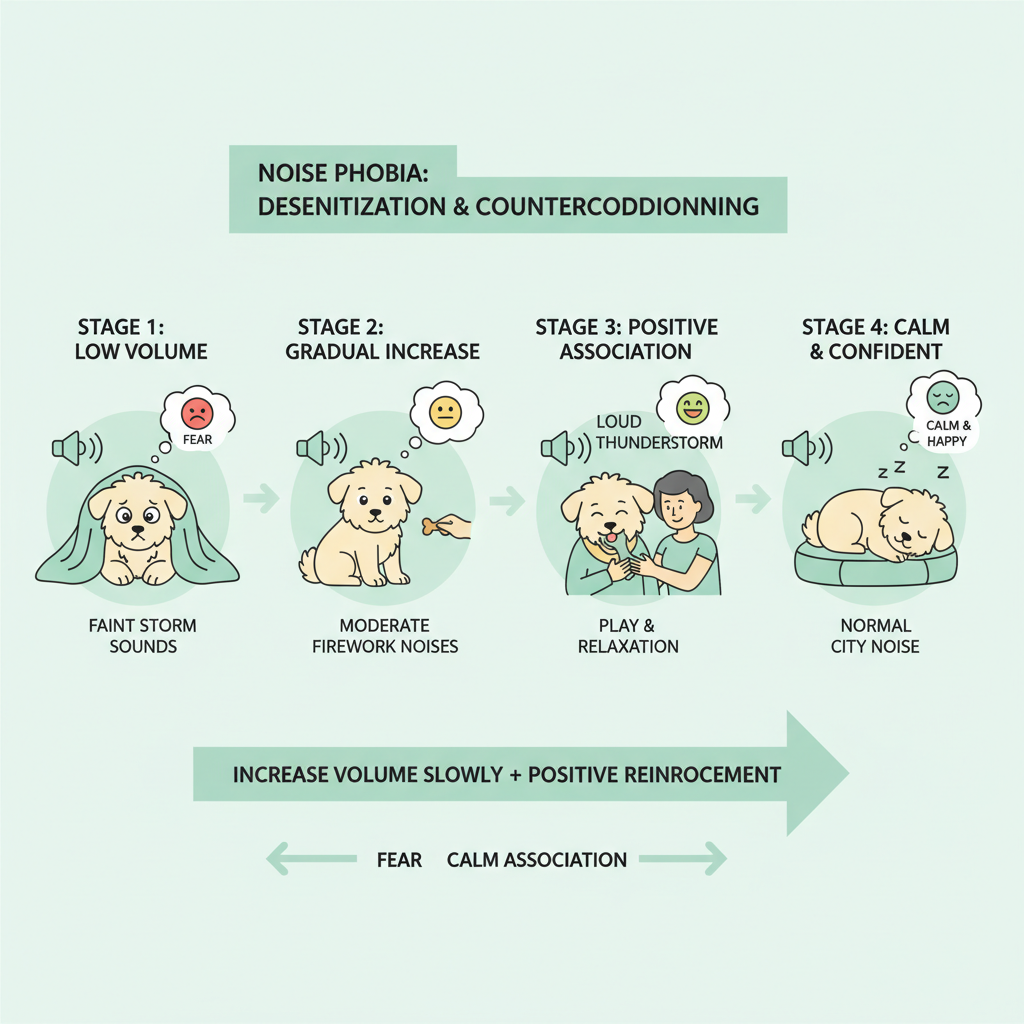
To gently guide your dog in overcoming deeply ingrained fears and anxieties, desensitization and counterconditioning techniques are invaluable. These methods involve gradually and systematically exposing your dog to the anxiety-provoking stimulus within a meticulously controlled and positive environment. For instance, if your dog fears loud noises, you might begin by playing a recording at a barely audible level, incrementally increasing the volume only as your dog remains comfortable and relaxed. Counterconditioning, a complementary technique, focuses on creating positive associations with the source of anxiety, transforming fear into pleasant anticipation. Systematic desensitization, on the other hand, carefully introduces the anxiety trigger while simultaneously fostering relaxation techniques. It is critically important to collaborate closely with your veterinarian or a certified veterinary behaviorist when implementing these strategies.
10. Partner with Your Veterinarian for a Tailored Plan
When your beloved pup exhibits persistent signs of stress and anxiety, the most compassionate and effective path forward involves developing a comprehensive, holistic plan in close consultation with your veterinarian. This collaboration is essential to thoughtfully explore all avenues to calm your dog naturally. Your veterinarian is uniquely positioned to recommend a range of additional treatments, which might include specialized behavior modification therapy, thoughtfully considered prescription medication, or a referral to a highly qualified veterinary behaviorist. Their invaluable insights will guide you in determining the most appropriate and effective natural calming techniques specifically for your dog.
It is a profound truth that every dog possesses a unique personality and set of sensitivities; what brings peace to one may not resonate with another. Therefore, if you harbor any concerns regarding your dog’s anxiety levels, please do not hesitate. Always seek the expert advice of a trusted veterinarian, who can provide personalized care and support.