10 Brilliant Ways to Keep Your Dog's Brain Busy
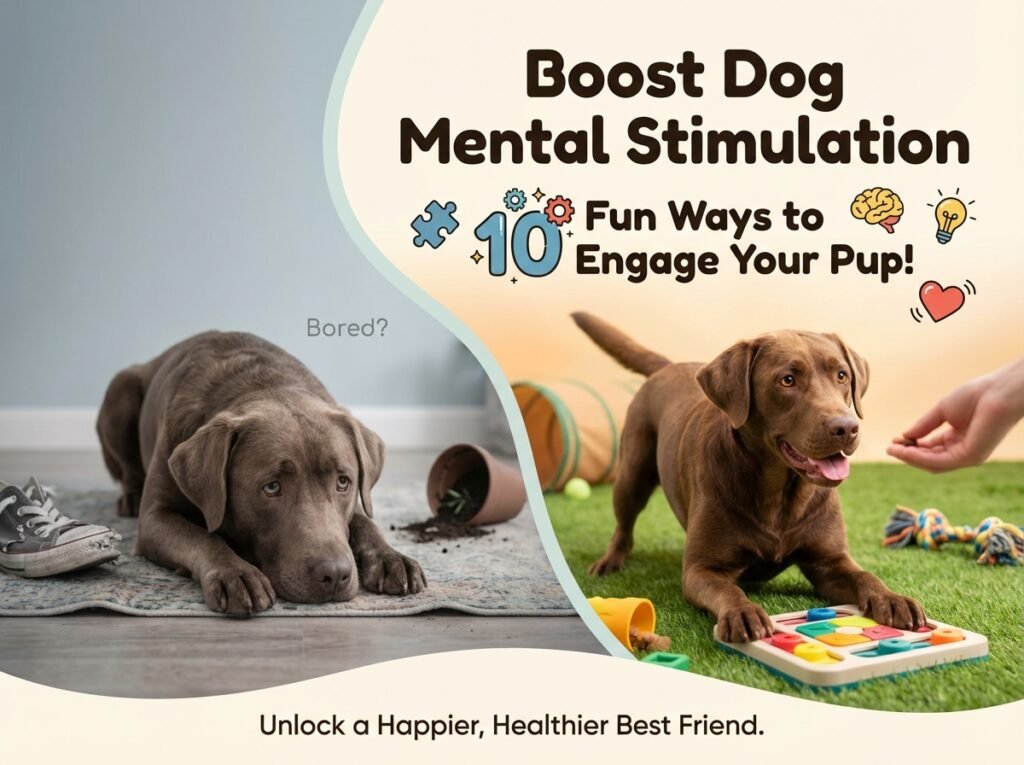
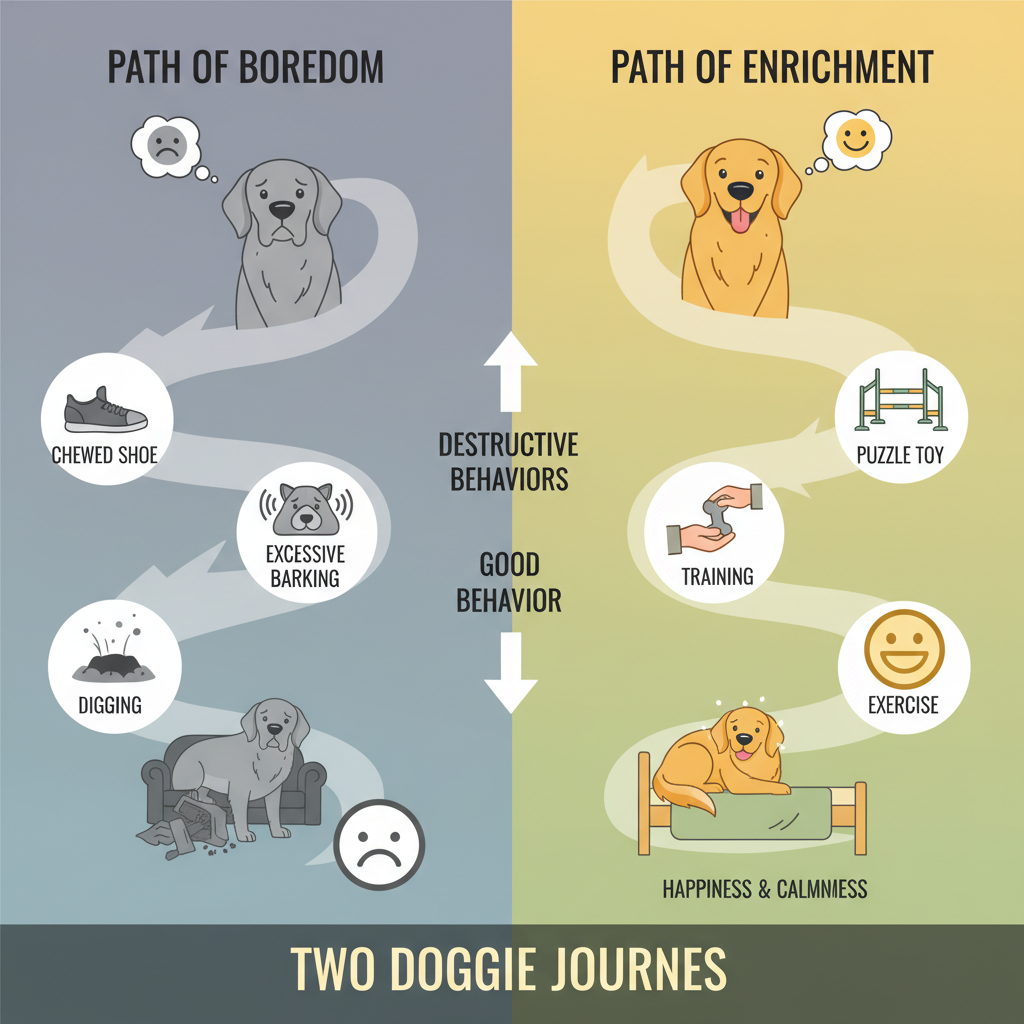
Your dog needs a busy mind just as much as they need a good run! Think about it: a pup without enough dog mental stimulation can get super bored and anxious. That's when you see problem behaviors pop up—things like non-stop barking, chewing up your favorite shoes, or digging craters in the yard.
The good news? Keeping your dog's brain active is totally doable, even if you live in a small apartment or your schedule is packed. Plus, a good mental workout is especially vital for older dogs who might not be able to zoom around like they used to.
Here are 10 fantastic ways to keep your dog's mind sharp and their tail wagging.
1. Get Them Puzzle Toys and Food Dispensers
Puzzle toys are like little brain games for your dog, offering a rewarding challenge that really gets their gears turning. They'll need to nudge parts, push buttons, or figure out a mini-puzzle just to earn a tasty treat.
Food dispensing toys, like a classic Kong stuffed with peanut butter or some kibble, can keep your pup happily focused for ages as they work to get every last crumb out.
How to Use Them:
- Start with easier puzzles first. You want your dog to succeed and build confidence before moving to harder ones.
- Watch your dog when they first try a new toy. Make sure they get how it works and don't get too frustrated.
- Keep things exciting! Rotate different puzzle toys so your dog always has something "new" to explore.
2. Teach New Tricks or Commands
Teaching your dog new tricks or commands is a brilliant way to give their brain a workout and deepen your connection. They'll have to focus, learn, and problem-solve right alongside you.
Go beyond the basics like "sit" and "stay." Imagine teaching them to "shake a paw," "roll over," "fetch a specific toy," or even a fun "play dead."
Tips for Teaching:
- Keep training sessions short and sweet—think 5-10 minute bursts of fun and positivity.
- Always have high-value treats and plenty of praise ready to reward their successes.
- Practice in different places. This helps your dog understand the command works everywhere, not just in the living room.
- Break down complicated tricks into tiny, easy-to-manage steps.
3. Play Scent Games
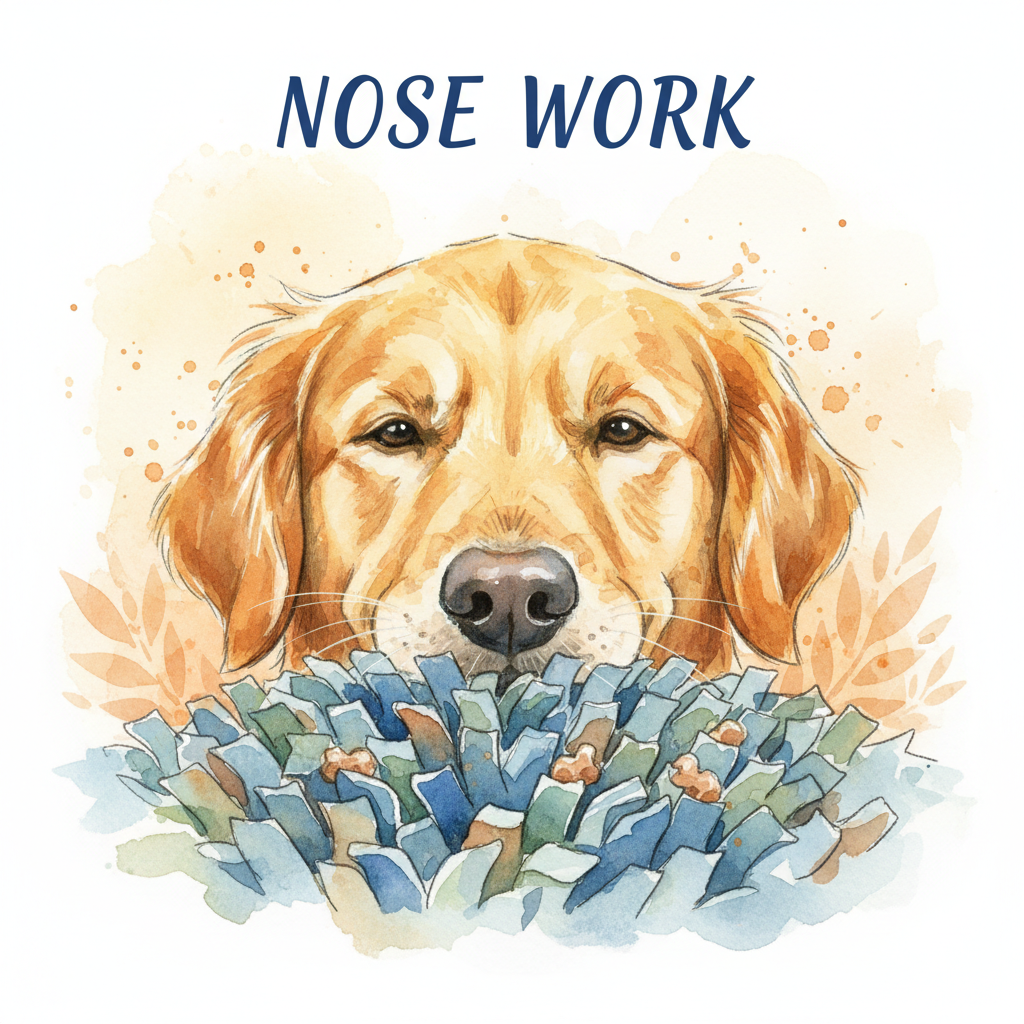
Dogs have an absolutely incredible sense of smell. Tapping into this natural superpower is one of the most stimulating things you can do for them. Scent games, often called "nose work," engage your dog's primal instincts and provide a fantastic mental marathon.
How to Play Scent Games:
- "Find It": Hide a few irresistible treats around a room or in your yard. Then, encourage your dog to sniff them out!
- Shell Game: Get three cups. Place a treat under one, then shuffle them around. Let your dog use their nose to tell you which cup hides the prize.
- Hide-and-Seek: Have a family member hold your dog while you go hide. Then, call your dog to come find you. They'll love it!
4. Rotate Toys
Just like kids, dogs can get bored with the same old toys day after day. Regularly switching out their toys keeps them fresh, novel, and exciting.
How to Rotate Toys:
- Divide your dog's toys into a few different groups.
- Keep one group out for a few days, then put them away and bring out a fresh group.
- Try introducing a "new" toy every few days to keep that spark of interest alive.
5. Walk in New Places
Familiar walks are great for burning off physical energy, but exploring brand-new places offers a treasure trove of dog mental stimulation. New sights, sounds, and smells create a sensory feast for your pup's brain.
Benefits of New Walking Routes:
- Fresh Scents: Dogs gather so much information through their noses. New areas mean a whole world of new smells to investigate.
- Different Textures: Walking on grass, pavement, dirt, or even sand gives them varied tactile experiences under their paws.
- Novelty: It keeps your dog engaged and prevents those everyday walks from becoming a boring routine.
6. Enroll in a Class
Formal classes are a superb way to provide structured mental stimulation and help your dog develop good social skills. They're fun for both of you!
Types of Classes to Consider:
- Obedience Classes: These reinforce good manners and teach new commands, building a solid foundation.
- Agility: A super fun sport where dogs navigate an obstacle course, challenging both their bodies and their brains.
- Nose Work/Scent Detection: These classes specifically train dogs to harness their incredible sense of smell for a job.
- Rally Obedience: This combines elements of obedience and agility in a fun, team-based sport you can do together.
- Canine Freestyle/Dog Dancing: It teaches dogs to perform routines to music, demanding focus, coordination, and serious brainpower.
7. Provide Chew Toys
Chewing is a natural, instinctual behavior for dogs. Giving them appropriate chew toys can be a fantastic way to release mental energy and even help them de-stress.
Choosing Chew Toys:
- Safety First: Always make sure chew toys are the right size and type for your dog's chewing style. This prevents choking or damage to their teeth.
- Variety: Offer different textures and materials, like tough rubber, durable nylon, or dental chews.
- Supervision: Always keep an eye on your dog when they're enjoying a new chew toy, especially if they're a power chewer.
8. Socialization
Letting your dog interact with other dogs and people provides crucial mental stimulation and helps them grow into well-adjusted companions.
Ways to Socialize Your Dog:
- Dog Parks: If your dog loves other dogs and handles themselves well, a dog park can be a great spot for supervised playtime.
- Playdates: Arrange meet-ups with dogs you know are friendly and good playmates.
- Doggy Daycare: This is a solid option for pet parents who work long hours, as it provides supervised play and interaction throughout the day.
- Walks: Simply meeting new, friendly people and other dogs on your daily strolls can also be hugely beneficial.
9. Engage in Training Games
Turn everyday moments into fun training games. This keeps your dog thinking and engaged even during routine activities.
Examples of Training Games:
- "Wait" at the Door: Before heading outside, have your dog "wait" patiently until you give them the release cue.
- "Leave It": Teach your dog to ignore tempting items on the floor or table—a real test of self-control!
- "Go to Your Bed": Practice sending your dog to their designated spot on command, like a little personal retreat.
- Red Light, Green Light: Practice sudden stops and starts during walks or playtime. This game really makes your dog pay attention to your cues.
10. Consider Dog TV or Videos for Dogs
It might sound a little out there, but some dogs truly enjoy watching TV or videos made just for them. These can offer visual and auditory stimulation, especially for dogs who are home alone for a bit.
What to Look For:
- Dog-Specific Content: Many streaming services now have channels or videos tailored for dogs, often featuring other animals, calming nature scenes, or soothing music.
- Safety: Make sure your TV is securely mounted so your dog can't accidentally knock it over or get tangled in wires.
- Observation: Pay close attention to how your dog reacts. Some dogs will be totally captivated, while others might not care.
Why Your Dog Needs Mental Stimulation
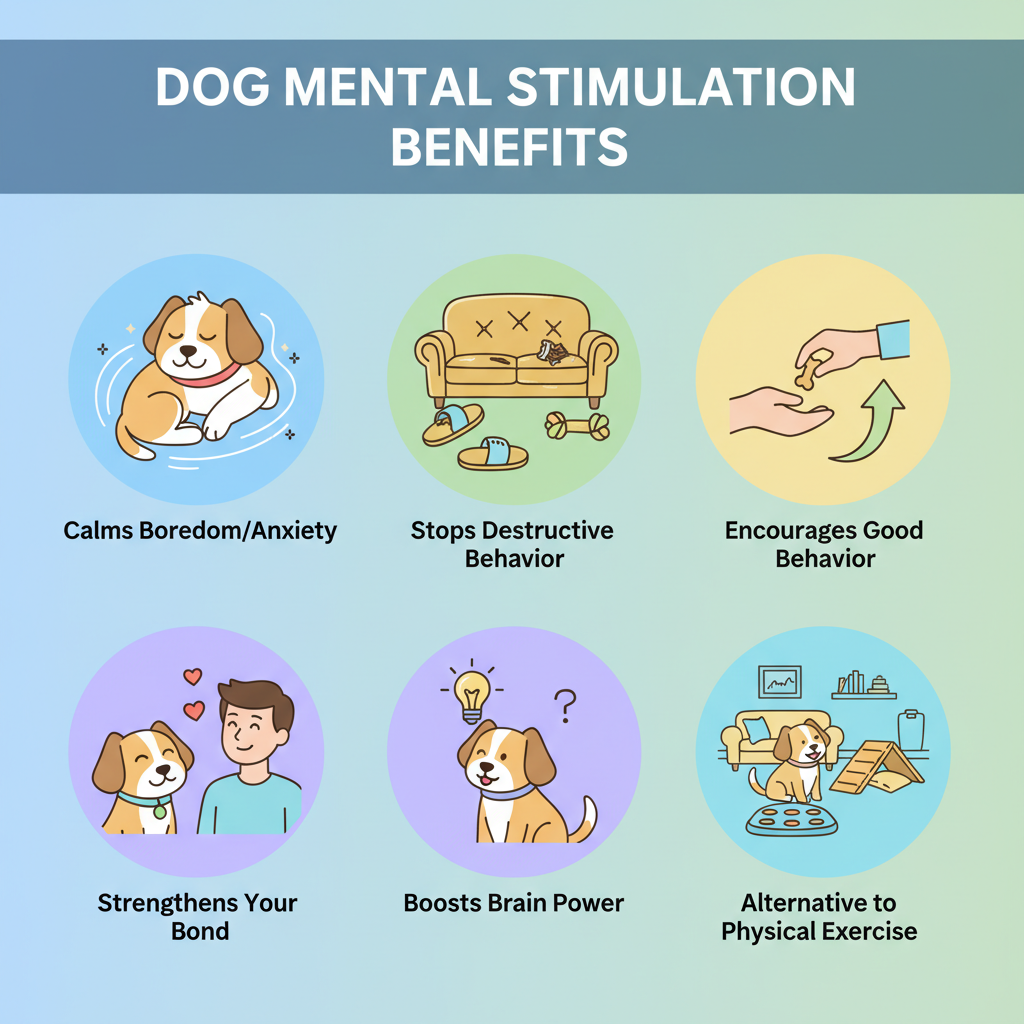
Dog mental stimulation isn't just a nice-to-have; it's a critical part of their well-being. Here's why it matters so much:
- Calms Boredom and Anxiety: A bored pup is often a destructive or anxious one. Mental challenges give them an outlet for all that energy and help head off behavioral issues.
- Stops Destructive Behavior: Dogs with active minds are far less likely to chew up your sofa, dig up the garden, or bark excessively out of sheer boredom.
- Encourages Good Behavior: Training and puzzle-solving actively reinforce positive actions and smart decision-making.
- Strengthens Your Bond: Working on tasks and learning tricks together builds trust and a much deeper connection between you and your furry friend.
- Boosts Brain Power: For older dogs, mental exercises are like brain yoga, helping keep their minds sharp and potentially slowing cognitive decline.
- Offers an Alternative to Physical Exercise: On days when a long walk isn't possible because of bad weather, an injury, or old age, mental stimulation still provides a valuable way to use up energy.
By weaving these mental exercises into your dog's daily life, you'll help them live a happier, healthier, and more fulfilling life. A stimulated dog is a well-behaved dog—and truly a joy to have around.