
Introduction
A Bloodhound’s extraordinary sense of smell is legendary—and for very good reason. Dating back to medieval times, these remarkable dogs aided nobles in tracking game, a proud legacy preserved by pedigree and purpose. Today, Bloodhounds serve as expert detectives and highly skilled search and rescue companions. Their ability to follow a scent trail is so precise that their tracking results can even hold up as courtroom evidence. However, this powerful nose can sometimes cause mischief at home, as these intrepid hounds will relentlessly pursue intriguing scents, potentially leading them into precarious or hazardous situations.
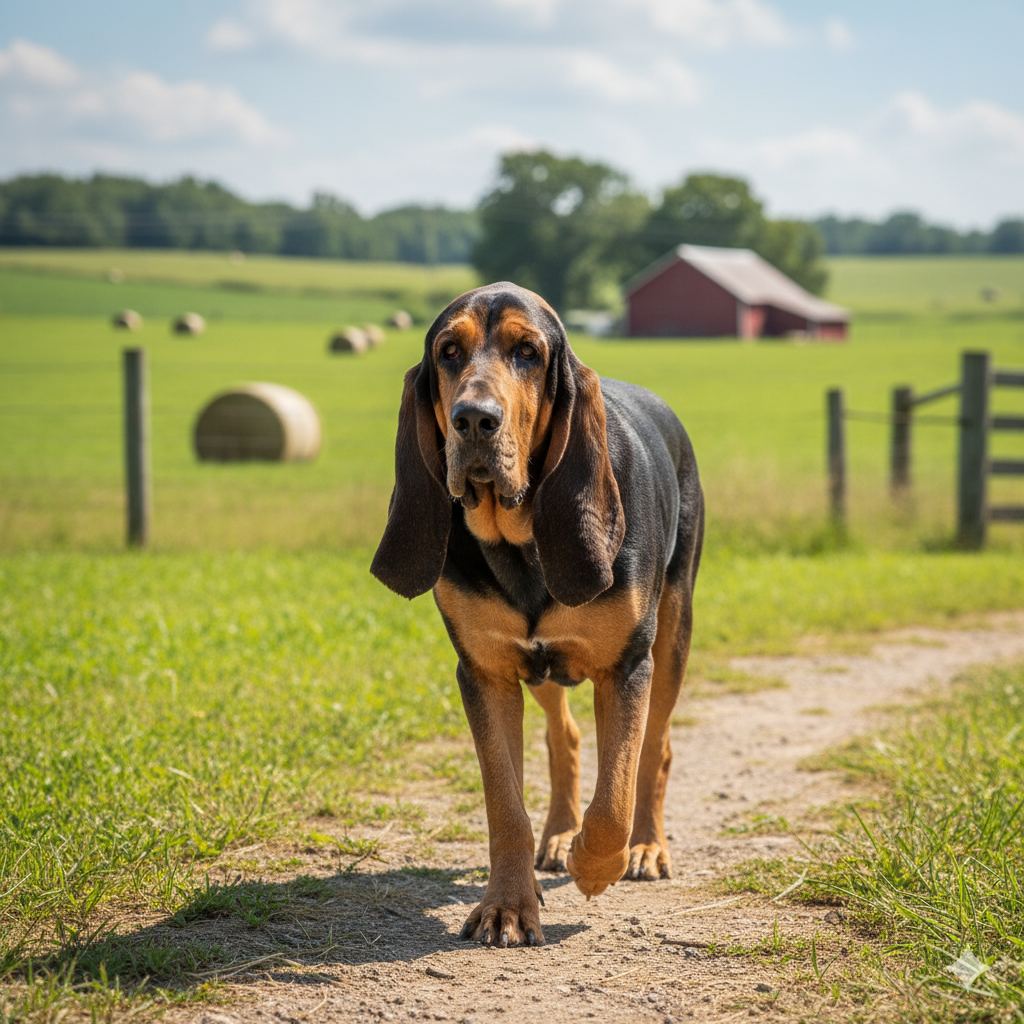
Bloodhounds are large, majestic dogs tipping the scales between 80-110 pounds and standing tall at 23-27 inches. Instantly recognizable by their long, floppy ears and signature skin folds, particularly around the face, they wear a thoughtful, almost mournful expression. These social creatures thrive in a pack environment and warmly embrace the company of other pets and children—especially when introduced early in life. With the right household, Bloodhounds make devoted and loving family members.
Caring for a Bloodhound
Bred over centuries for stamina, Bloodhounds possess an unparalleled ability to track scents for hours on end. Keeping their agile minds and sturdy paws engaged demands plenty of long walks and outdoor adventures. Given their natural propensity to follow a scent trail without hesitation, it's essential to keep them securely leashed or inside a fenced yard.
In spite of their imposing size, well-socialized Bloodhounds tend to be gentle giants, known for their patient demeanor with energetic youngsters. Nonetheless, they can display a streak of stubbornness and are among the most vocal breeds, often using their deep, resonant howl to communicate with their family.
Bloodhounds boast a short, low-maintenance coat that sheds moderately, so grooming needs are generally straightforward. Still, special attention must be given to their distinctive droopy ears to maintain optimal ear health.
Bloodhound Health Issues
The average lifespan of a Bloodhound ranges from 10 to 12 years. While they generally enjoy good health, responsible breeders prioritize screening for breed-specific conditions. Notably, Bloodhounds have a notorious reputation for sampling things they shouldn’t—making pet insurance a smart choice for owners to manage unexpected veterinary expenses.
Hip and Elbow Dysplasia
Hip and elbow dysplasia occur when joint bones fail to align correctly, causing friction and gradual joint deterioration that impairs movement.
These inherited disorders affect many Bloodhounds but can also be influenced by factors such as exercise habits, weight management, and nutrition quality. X-rays help screen for these conditions, and treatments vary based on their severity and progression.
Ear Infections
Otitis is the inflammation of a dog’s ear, which can affect the outer, middle, or inner ear sections. Often caused by bacterial or yeast infections, it usually develops secondary to other underlying issues.
The Bloodhound’s long, floppy ears create an environment where moisture collects effortlessly, fostering bacterial and yeast growth. Regular ear cleaning—especially after swimming or baths—is key to preventing painful and recurring ear infections.
Gastric Dilatation and Volvulus (GDV)
Known as bloat, GDV is a critical condition that affects deep-chested breeds like the Bloodhound. It happens when the stomach fills with food and gas after a large meal, trapping pressure inside and causing it to expand dangerously. This swelling presses on the diaphragm, complicating breathing and restricting blood flow to vital organs, potentially leading to stomach rupture.
Many protective owners opt for prophylactic stomach tacking (gastropexy) surgery to reduce the risk of GDV. Additionally, feeding your Bloodhound two or three smaller meals daily, rather than one large meal, is recommended to lower bloat risk.
Recognizing the warning signs of GDV is crucial. Seek emergency veterinary care immediately if your Bloodhound shows any of these symptoms:
- A swollen or distended abdomen
- Attempting to vomit without bringing anything up
- Signs of abdominal discomfort like standing and stretching or excessive drooling
What To Feed a Bloodhound
Choosing the ideal diet for your Bloodhound hinges on their individual needs. While high-quality ingredients are a must, consulting with your veterinarian ensures the diet matches your dog’s unique medical history and lifestyle.
Generally, Bloodhounds do best on a large-breed formula designed for their current life stage—be it puppy, adult, or senior.
How To Feed a Bloodhound
Because Bloodhounds have deep chests and are prone to GDV, it’s wise to feed them multiple smaller meals (two or three times daily), avoid raised food dishes, and prevent vigorous exercise immediately around mealtimes.
How Much Should You Feed a Bloodhound?
Adult Bloodhounds typically weigh between 80 and 110 pounds. Meal portions can vary from 4 to 8 cups of dry kibble per day, depending on their weight and activity level. Always work with your veterinarian to determine the perfect feeding amount for your furry friend.
Nutritional Tips for Bloodhounds
For those Bloodhounds coping with joint issues like hip or elbow dysplasia, supplements containing glucosamine and chondroitin may promote joint strength and comfort. Omega-3 fatty acids also contribute to healthy joints, as well as maintaining a shiny coat and nourished skin.
Bloodhound Personality and Temperament
Renowned for their unwavering tracking abilities and stamina, Bloodhounds require moderate daily exercise to keep body and mind alert. Long, leisurely walks and joyous outdoor activities fulfill their spirited nature. Because of their strong scent drive, always keep Bloodhounds leashed or safely contained within a secure yard.
Affinity for social packs means Bloodhounds often do well with other pets, provided they are properly socialized. Their kind, tolerant disposition also makes them superb companions for children, though all interactions should be supervised for everyone’s safety.
Bloodhound Behavior
Bloodhounds’ hallmark baying or howling serves as a vital means of communication with their pack, particularly when feeling isolated or lonely. However, this vocal trait can become challenging in urban settings, as Bloodhounds rank among the most expressive and loud breeds. This innate behavior is deeply embedded and usually cannot be eliminated by training.
These dogs are notorious escape artists, known for digging under or vaulting fences when tracking an irresistible scent. A robust, six-foot fence is the minimal recommendation, but some Bloodhounds will always need close supervision outdoors to keep their Houdini tendencies in check.
Bloodhound Training
Their independent streak sometimes poses hurdles during training—Bloodhounds think for themselves and may appear indifferent to commands. Success depends on patient, persistent pet parents employing positive reinforcement to motivate their eager learners.
Fun Activities for Bloodhounds
- Leisurely long walks
- Running alongside companions
- Hiking through trails
- Scent tracking and nose work
Bloodhound Grooming Guide
While training a Bloodhound requires patience and consistency, their grooming needs are fairly manageable.
Skin Care
Bloodhounds’ endearing facial folds and jowls are vulnerable to skin irritation and infections like dermatitis if neglected. Owners should clean these folds daily with a gentle, pet-safe wipe or damp cloth to prevent moisture and debris buildup that fosters discomfort and infection.
Coat Care
With a short, dense coat and moderate shedding, weekly brushing helps minimize loose fur. Bathing is only necessary every few months unless your Bloodhound gets particularly dirty or odorous. Twice annually, during heavy shedding seasons, more frequent brushing may be needed.
Ear Care
Maintaining healthy ears in Bloodhounds is vital due to their pendulous, moisture-trapping ears. Regular cleaning using veterinary-approved solutions keeps infections at bay, especially after swimming or baths.
Considerations for Pet Parents
Their affectionate, gentle nature makes Bloodhounds outstanding family dogs, but prospective owners must be ready to meet the energetic and environmental demands ingrained through centuries of purposeful breeding. Their vocality, independence, and relentless drive to track scents can be a handful without understanding and preparedness. When equipped with consistent positive training, early socialization, and patience, Bloodhounds flourish as cherished, active members of the family.
How long do Bloodhounds live?
On average, Bloodhounds enjoy a lifespan of 10 to 12 years.
Are Bloodhounds good pets?
Yes! Bloodhounds make wonderful companions for families willing to devote time and energy to stimulating them physically and mentally.
Are Bloodhounds cuddly?
Bloodhounds are known for their affectionate nature. Once their physical and mental needs are met, they love to snuggle up and relax with their favorite humans.