Introduction
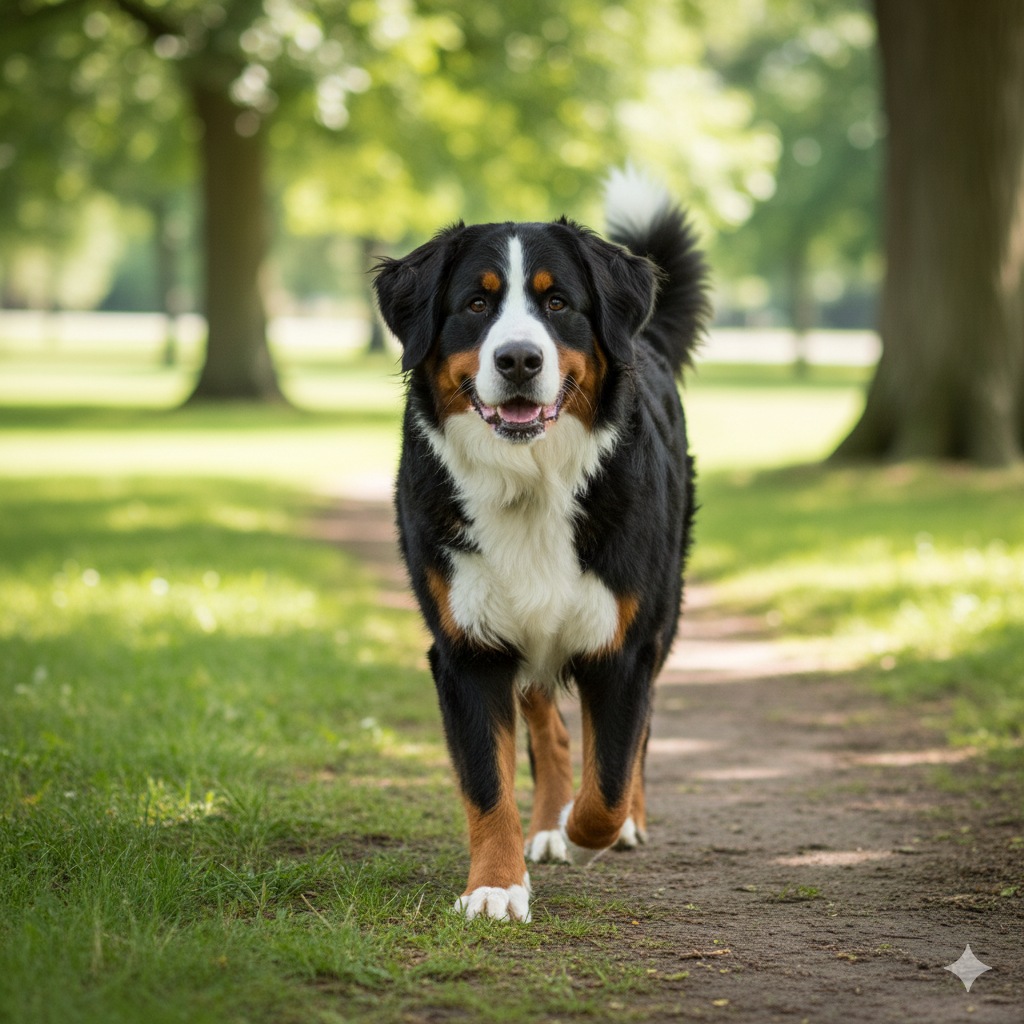
The majestic and robust Bernese Mountain Dog hails from the picturesque landscapes of Switzerland, where it was originally bred as a hardworking farm companion. Introduced to the United States in the 1920s for similar farm duties, these gentle giants have since won hearts as loving family pets, known for their devotion and affectionate nature.
One striking feature of the Bernese Mountain Dog is undoubtedly its impressive size. Adult Berners typically stand between 23 and 27.5 inches tall and weigh anywhere from 70 to 115 pounds. However, beyond their grand stature lies a tender disposition — these large dogs have equally enormous hearts, radiating warmth and kindness to everyone around them.
Caring for Bernese Mountain Dogs
Often affectionately nicknamed “Berners,” these dogs are known for their loving and patient demeanor with both people and other animals. Their calm and composed nature makes them excellent companions, yet they also have a playful side that comes alive with enticing activities. Regular exercise is essential to keep them fit and mentally stimulated.
Their luxurious double coat, showcasing a stunning tricolor blend of black, white, and tan, is a hallmark of this breed. However, this coat requires considerable grooming attention, as Berners shed heavily throughout the year. Prospective owners should be prepared for ongoing fur cleanup on furniture, floors, and clothing, dedicating time to regular brushing to keep their Berner’s coat healthy and beautiful.
Bernese Mountain Dog Health Issues
Bernese Mountain Dogs generally live between 7 and 10 years, which is typical for larger breeds. While they are mostly robust, Berners can be prone to certain health concerns, so pet insurance might be a wise choice for families welcoming a Bernese puppy into their home.
Gastric Dilatation-Volvulus (GDV)
Gastric dilatation-volvulus, commonly known as bloat, is a serious and sudden emergency where the dog’s stomach fills with gas or food and twists, cutting off blood supply. This condition demands immediate veterinary care as it can quickly lead to shock, tissue damage, or even death.
Dogs at higher risk include:
- Deep-chested breeds like the Bernese Mountain Dog, especially older individuals
- Dogs fed from elevated bowls
- Dogs that eat just once daily
Swift veterinary action is critical to save a dog suffering from GDV. The sooner the treatment begins, the better the chance for recovery.
To reduce the risk, many owners opt for a preventive surgical procedure called prophylactic gastropexy, which secures the stomach and prevents twisting. This surgery is often conveniently performed alongside spaying or neutering.
Hip Dysplasia
Hip dysplasia occurs when the hip joint doesn’t develop correctly, resulting in looseness and instability. Factors such as rapid growth, genetics, hormones, diet, and exercise all contribute. Over time, this condition can cause painful arthritis, limping, and difficulty standing or walking.
Maintaining a healthy weight is key to reducing arthritis risk. Veterinarians often recommend gentle, low-impact exercises, omega-3 fatty acid supplements, and joint-supporting nutrients like glucosamine and chondroitin. In severe cases, surgical intervention may be necessary.
Elbow Dysplasia
Elbow dysplasia involves abnormal development of the elbow joint and is influenced by genetics, growth rates, diet, and potential injuries. This condition can cause pain, lameness, and eventual arthritis. Treatment depends on severity but often requires surgery to restore function and relieve discomfort.
Cancer
The Bernese Mountain Dog is unfortunately susceptible to various cancers, with histiocytic sarcoma being among the most common. This aggressive cancer appears in three forms:
- Localized histiocytic sarcoma, which typically forms tumors in bones, skin, lungs, or joints
- Disseminated histiocytic sarcoma that spreads to multiple areas simultaneously
- Hemophagocytic histiocytic sarcoma originating in the spleen and spreading quickly throughout the body
Symptoms vary depending on tumor location but often include lethargy, weight loss, and decreased appetite. If your Berner is losing weight or acting unusually, a veterinarian’s evaluation is crucial.
Treatment options include a combination of surgery, chemotherapy, and radiation therapy, tailored to each dog’s specific case.
What To Feed a Bernese Mountain Dog
Feeding your Bernese Mountain Dog a diet of high-quality commercial kibble or wet food that meets the Association of American Feed Control Officials (AAFCO) standards ensures your dog receives complete and balanced nutrition.
Because Bernese puppies are large breed dogs, they require a carefully managed growth rate. Balanced nutrition helps their bones and muscles develop harmoniously, preventing excessive strain on their joints. Rapid growth can lead to conditions like hip and elbow dysplasia.
For growing Bernese Mountain Dog puppies, diets formulated for giant or large breed puppies provide the right balance of fats, proteins, and carbohydrates. Always consult your veterinarian to select the best food tailored to your puppy’s individual needs.
How To Feed a Bernese Mountain Dog
Adult Bernese Mountain Dogs thrive when their meals are split into two feedings roughly 12 hours apart. Avoid elevated food bowls as they may increase the risk of bloat. Instead, utilize slow feeder bowls designed to prolong mealtime and reduce the possibility of gastric dilatation-volvulus.
Puppies require more frequent meals — often up to four times daily. Discuss the optimal feeding schedule with your vet to ensure your growing Berner’s needs are met.
How Much Should You Feed a Bernese Mountain Dog?
Caloric needs differ widely based on each dog’s size, metabolism, neuter or spay status, and activity level. Furthermore, calorie counts vary between brands of dog food.
The most reliable method to determine your Berner’s food portions is by consulting with your veterinarian. They can provide personalized feeding guidelines, and don’t forget to use the feeding instructions on your dog food package as a helpful reference.
Nutritional Tips for Bernese Mountain Dogs
Many Bernese Mountain Dogs benefit from dietary omega-3 fatty acids, such as DHA and EPA, which your vet can help you incorporate. These fatty acids, often found in fish oil, supplements, or specific dog foods, naturally reduce inflammation and support the health of skin, coat, kidneys, joints, and the heart.
Always consult your veterinarian before adding any supplement, including omega-3s, to your dog’s diet.
Bernese Mountain Dog Personality and Temperament
Bernese Mountain Dogs are known for their affectionate, gentle, and intelligent nature. Their eagerness to please makes training a rewarding experience. Although they may initially be shy around strangers, they warm up quickly and exhibit patience and kindness, especially around children and other animals.
Despite their roots as hardworking farm dogs, today’s Bernese Mountain Dogs prefer cozying up indoors, often happy to spend long hours lounging with their families.
Bernese Mountain Dog Behavior
This breed adapts well to changes and mild stress but can be wary in unfamiliar environments. Proper early socialization with people, dogs, and cats is key to developing confident, well-rounded adults. Without it, some Berners may struggle with anxiety.
Many Bernese Mountain Dogs dislike being left alone for long periods, which can sometimes lead to separation anxiety.
Bernese Mountain Dog Training
Their intelligence and desire to please make Bernese Mountain Dogs quick learners. Training success comes with positive reinforcement and an abundance of tasty rewards.
Because of their size and strength, teaching your Berner to walk calmly on a leash and refrain from jumping on people is essential for safe and pleasant interactions.
Fun Activities for Bernese Mountain Dogs
- Obedience training sessions
- Nose and scent work games
- Scenic hikes in nature
- Pulling carts or wagons
- Leisurely neighborhood strolls
Bernese Mountain Dog Grooming Guide
With their medium to long double coat, Bernese Mountain Dogs require dedicated grooming to manage heavy shedding year-round, which intensifies during seasonal changes.
Skin Care
Bathe your Berner every two to four weeks using a gentle dog shampoo. If you notice unusual skin changes such as redness, irritation, or flakes, consult your veterinarian promptly.
Coat Care
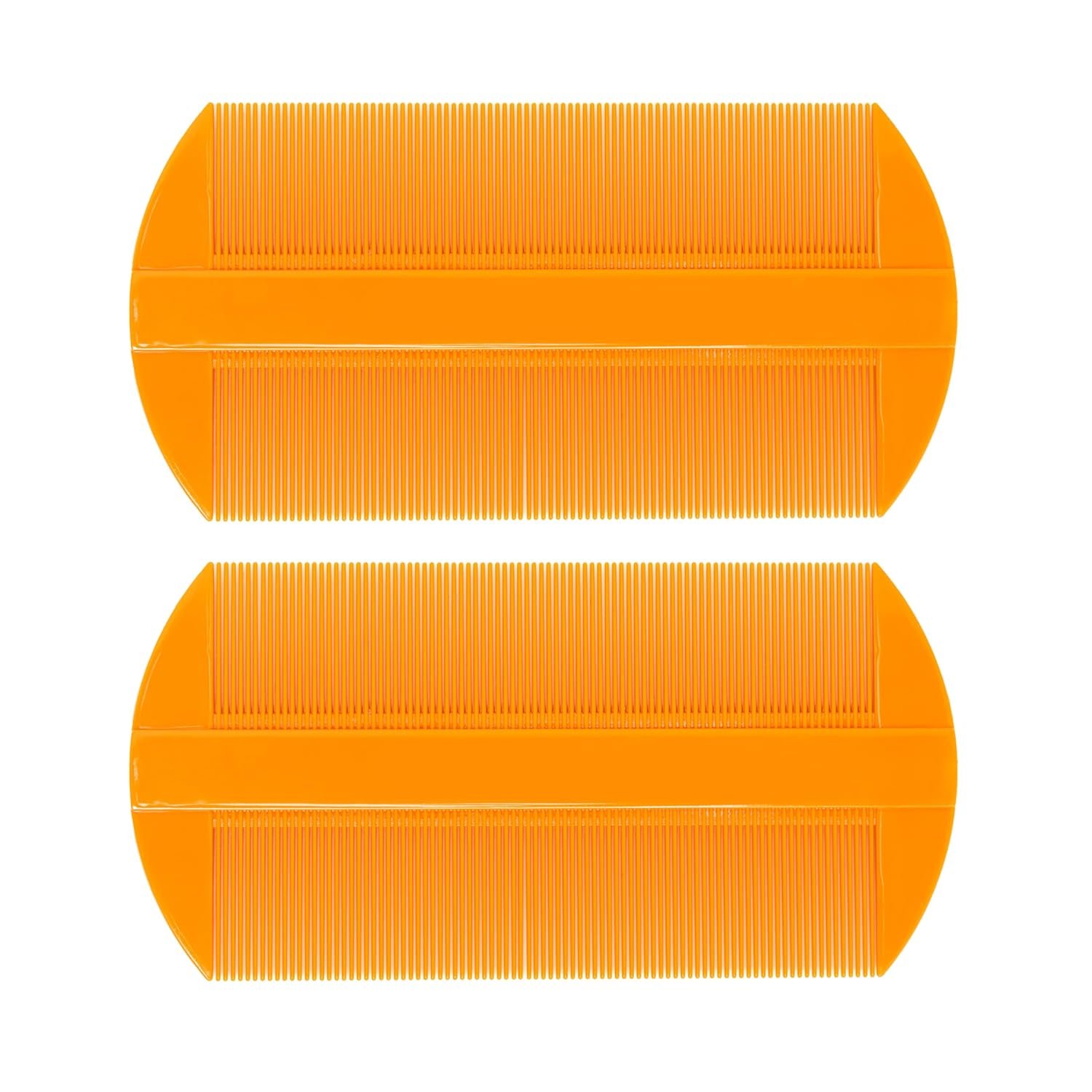
Regular brushing, ideally several times a week or daily, is necessary to prevent painful mats and reduce loose hair. Tools like the FURminator are especially helpful for dethatching the undercoat and managing shedding.
A powerful vacuum cleaner is a valuable investment for keeping your home tidy.
Eye Care
Keep your dog’s eyes clean by gently wiping away debris with a damp cloth or veterinary-approved eye wipes. If excessive discharge or redness develops, seek veterinary advice, as this can indicate an underlying eye condition.
Ear Care
Bernese Mountain Dogs have floppy ears that can trap moisture and become prone to infections. Routine ear cleaning with a vet-recommended solution is important, especially after baths or swimming sessions, to keep ears healthy and free from irritation.
Considerations for Pet Parents
When socialized well from an early age, Bernese Mountain Dogs make wonderful family companions. Their gentle nature and eagerness to please suit families with members of all ages. Due to their thick coat, these dogs should be kept indoors during hot weather to avoid overheating.
Owners should be prepared for substantial shedding and invest in effective cleaning tools like strong vacuums and lint rollers. If you prefer a fur-free home, this breed might not be the best fit.
Is a Bernese Mountain Dog a good family dog?
Yes! With proper socialization and training during puppyhood, Bernese Mountain Dogs are calm, affectionate, and easygoing, making them excellent family pets.
Are Bernese Mountain Dogs smart?
Absolutely. Bernese Mountain Dogs are highly intelligent and respond well to training.
Do Bernese Mountain Dogs have a lot of energy?
Bernese Mountain Dogs enjoy playtime when prompted but generally prefer a relaxed lifestyle, often curled up comfortably at home.
Do Bernese Mountain Dogs shed a lot?
Yes, this breed casts a heavy coat year-round and requires frequent brushing to keep shedding manageable.
What is the Bernese Mountain Dog life expectancy?
With attentive care, Berners live about 7 to 10 years.