
Introduction
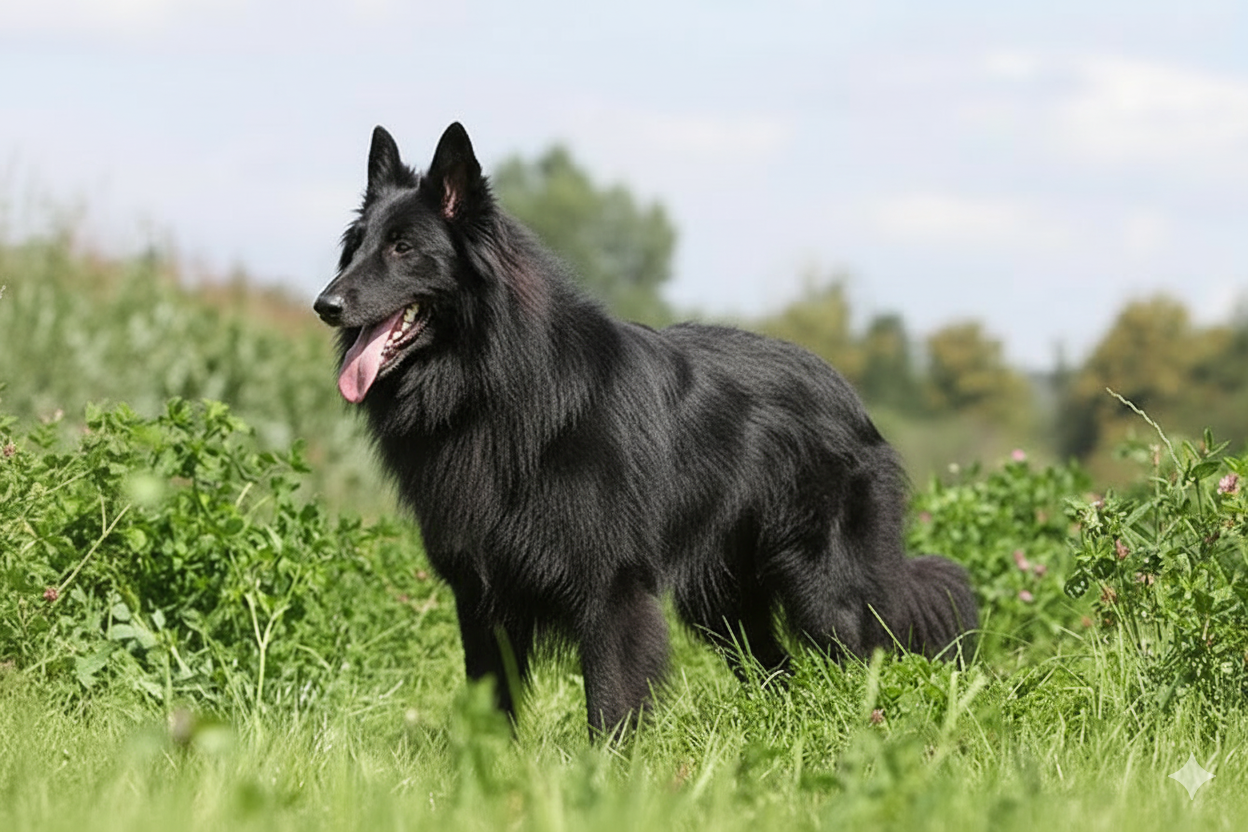
Known for their stunning, long, jet-black coat, Belgian Sheepdogs are a captivating member of the Belgian Shepherd family, which also includes the elegant Belgian Tervuren, the rugged Belgian Laekenois, and the agile Belgian Malinois. Often called Groenendael, these graceful dogs trace their heritage back to 19th-century Belgium, where they were prized for their skills in herding livestock and guarding property.
Over time, their remarkable obedience and intelligence made them favored police dogs. They played heroic roles during both world wars—as message carriers, vigilant watch dogs, and even Red Cross service dogs, according to the Belgian Sheepdog Association. Today, Belgian Sheepdogs continue to work alongside humans in police roles and search-and-rescue missions, while also serving as guide dogs and devoted service animals.
Male Belgian Sheepdogs typically stand up to 26 inches tall, weighing between 55 and 75 pounds, while females reach up to 24 inches in height and weigh 45 to 60 pounds.
Caring for a Belgian Sheepdog
Belgian Sheepdogs forge deep, loyal bonds with their human companions. These alert and smart dogs flourish when given plenty of daily exercise and mental challenges.
According to the Belgian Sheepdog Association, they thrive best under the care of experienced pet owners who understand dog training. Though bright and quick learners, their independent, hardworking nature means they benefit greatly from patient and positive reinforcement techniques.
While they take their work seriously, Belgian Sheepdogs also have a playful side, especially during puppyhood. Along with regular physical activity and training, their luxurious long coat requires frequent brushing to remove loose hairs and prevent mats—especially during shedding season.
Belgian Sheepdog Health Issues
Belgian Sheepdogs enjoy a lifespan of around 12 to 14 years and are generally robust. However, like many breeds, they can be prone to certain health concerns.
Elbow and Hip Dysplasia
Elbow and hip dysplasia occur when the joints do not develop correctly, causing looseness and potentially leading to painful arthritis if left untreated.
If you notice your dog limping, favoring a leg, walking awkwardly, or showing swelling in a joint, ask your vet about health screenings. Treatment options may include joint supplements, weight control, or surgery in severe cases.
Hypothyroidism
Hypothyroidism is a relatively common condition where the thyroid glands produce insufficient thyroid hormones, which play a vital role in regulating metabolism.
Signs include weight gain, reduced energy, craving warmth, persistent skin and ear infections, dry or brittle hair, a thinning coat, darker pigmentation of the skin, and failure to regrow hair after shaving.
This condition is managed with a daily oral medication called levothyroxine, a synthetic thyroid hormone replacement. While hypothyroidism isn’t curable, it can be effectively controlled with lifelong treatment and regular veterinary checkups.
Sensitivity to Anesthesia
Due to their low body fat percentage, Belgian Sheepdogs are particularly sensitive to anesthesia, warns the Belgian Sheepdog Association. Always consult with your veterinarian before any procedure requiring anesthesia, such as spaying or neutering, to ensure your dog's safety.
Progressive Retinal Atrophy (PRA)
PRA refers to inherited disorders affecting the rods and cones of the eye, leading to gradual vision loss that may include cataracts, diminished night vision, increased eye reflectivity in darkness, and eventually total blindness.
Though untreatable, dogs afflicted with PRA can live fulfilling lives when given proper care and support.
Epilepsy
Epilepsy, a neurological seizure disorder, can be passed down genetically in Belgian Sheepdogs. Symptoms typically appear between ages two and three; responsible breeders wait until dogs reach at least three years before breeding to minimize risks.
If you observe signs like body stiffening, collapse, leg paddling, excessive drooling, or shaking, consult your vet promptly. While epilepsy is not curable, lifelong medication can help most dogs manage their condition successfully.
What To Feed a Belgian Sheepdog
Belgian Sheepdogs don’t require a special diet, but it’s essential to feed them age-appropriate food. Puppy formula should be fed until your dog is at least one year old, after which a high-quality adult dog food is appropriate.
Choose food that meets nutritional standards established by the Association of American Feed Control Officials (AAFCO). For tailored advice, consult your veterinarian about the best food choices for your Belgian Sheepdog.
How To Feed a Belgian Sheepdog
Adult Belgian Sheepdogs generally do well with two meals daily—once in the morning and once in the evening. Puppies benefit from three smaller meals throughout the day.
How Much Should You Feed a Belgian Sheepdog?
Food quantities vary based on your dog’s size and activity levels. Most dog food packages include a feeding guide tailored to your dog’s weight.
For the most accurate feeding plan, ask your vet, who can personalize recommendations considering your Belgian Sheepdog’s age, health, and lifestyle.
Nutritional Tips for Belgian Sheepdogs
If your Belgian Sheepdog is healthy and receiving a balanced, complete diet of high quality, supplements aren’t usually necessary unless your vet advises otherwise. Joint supplements can be beneficial for maintaining the mobility and comfort of active, larger breeds like the Belgian Sheepdog.
Belgian Sheepdog Personality and Temperament
Energetic and engaging, Belgian Sheepdogs are known for their high energy and love of being active participants in outdoor adventures such as hiking, jogging, and competitive dog sports like agility, says the Belgian Sheepdog Association. After a busy day, they also cherish relaxing closely with their humans.
They generally interact well with children, particularly when raised together and when kids are properly taught respectful and safe ways to engage with dogs. Introducing Belgian Sheepdog puppies to children during socialization helps foster positive relationships.
Belgian Sheepdog Behavior
Highly social and people-oriented, Belgian Sheepdogs naturally make great family companions. However, their innate herding instincts might lead them to attempt to herd children, other animals like cats, or even their owners.
Many Belgian Sheepdogs may approach strangers or unfamiliar animals with caution, underscoring the importance of early positive socialization and training.
As eager working dogs, they require an outlet for their energy, making them a great fit for active families with fenced yards.
Belgian Sheepdog Training
First-time Belgian Sheepdog owners are often impressed by the breed’s quick learning ability, according to the Belgian Sheepdog Association. Consistent training is critical to shaping appropriate behaviors, especially regarding interactions with children and other pets.
Training should blend obedience, mental challenges, and play, always keeping sessions positive and enjoyable.
Fun Activities for Belgian Sheepdogs
- Hiking
- Jogging
- Agility training
- Fetch
- Dock diving
- Obedience training
- Nose work
- Tracking
Belgian Sheepdog Grooming Guide
Belgian Sheepdogs flaunt a magnificent black coat that, while beautiful, requires thoughtful upkeep. Thankfully, grooming doesn't demand excessive time—saving that energy for exercise is a win-win!
Skin Care
Though generally free from skin problems, always check your dog's coat for ticks or mats, particularly after outdoor activities. Bathing after messy adventures will also help maintain their skin’s health and cleanliness.
Coat Care
The breed standard calls for a long, straight coat with medium coarseness—it should neither be silky nor wiry. Their hair is noticeably shorter on the head, around the outer ears, and along the lower legs.
Weekly brushing is essential to sustaining the coat’s beauty and health, preventing mats, and minimizing shedding.
Eye Care
Belgian Sheepdogs’ expressive eyes typically require minimal grooming attention. However, if you notice any cloudiness or unusual discharge, consult your veterinarian.
Ear Care
Their ears are erect and triangular. To ward off infections, clean your dog’s ears once or twice monthly using a vet-approved ear cleanser.
Considerations for Pet Parents
If you’re thinking about welcoming a Belgian Sheepdog into your family, be prepared for their high energy and distinctive personality. These dogs have a longstanding heritage as hardworking partners and need ample exercise, mental stimulation, and early training to flourish.
Commitment to socializing and training from a young age is crucial for a happy, well-rounded companion.
Are Belgian Sheepdogs good pets?
With dedicated time for exercise and training, Belgian Sheepdogs make affectionate and loyal companions.
Is a Belgian Sheepdog the same as a Belgian Shepherd?
Yes, the Belgian Sheepdog belongs to the larger Belgian Shepherd family, which also includes the Belgian Tervuren, Belgian Laekenois, and Belgian Malinois.
What's the difference between a Belgian Sheepdog and a Belgian Malinois?
The primary distinctions lie in coat color and length: Belgian Malinois feature a short, waterproof coat that varies from red to fawn and gray shades with a black overlay, while Belgian Sheepdogs always have long, luxurious black fur.