Introduction
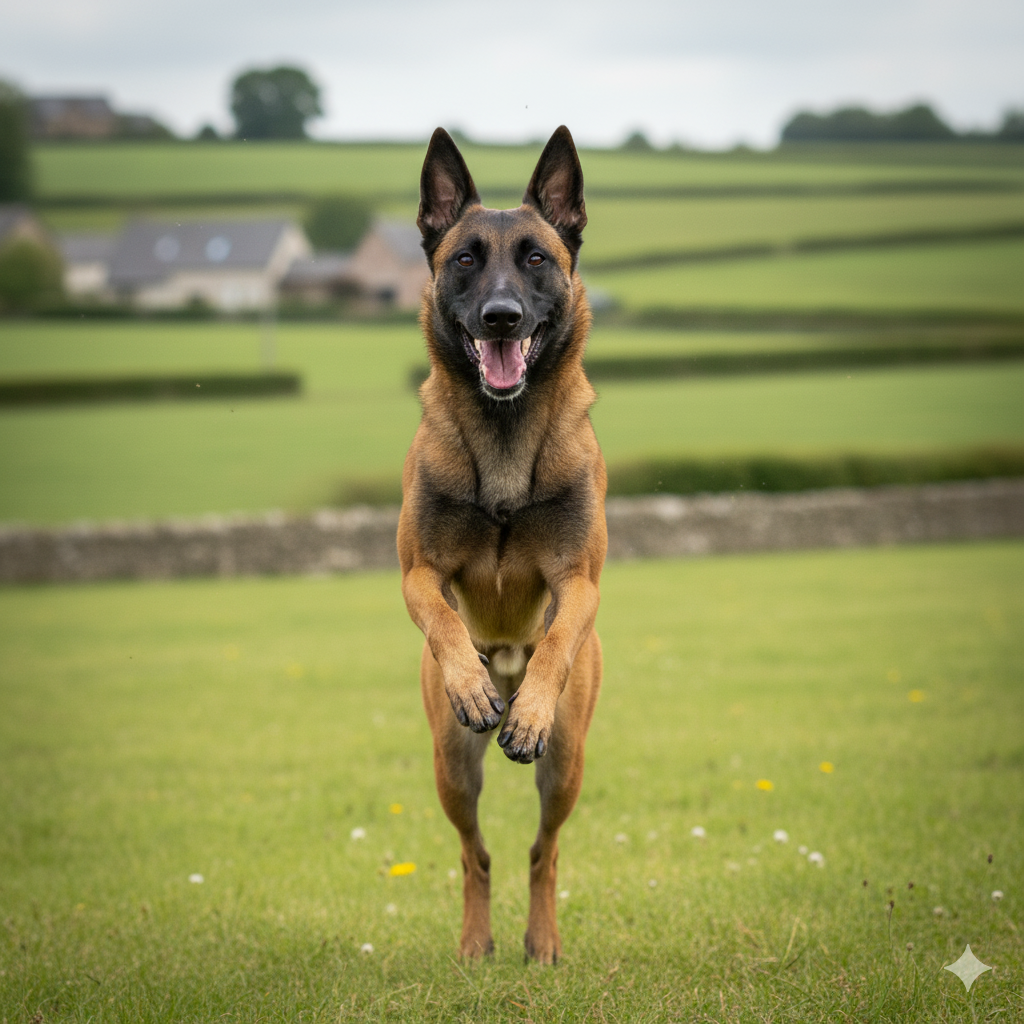
Belgian Malinois are renowned for their remarkable confidence, intelligence, and tireless work ethic. These qualities make them extraordinary companions—when matched with the right family. Belgian Malinois thrive with dedicated, experienced owners who are eager to embrace an active lifestyle alongside their dynamic four-legged friend.
Originating near the city of Malines in Belgium, the Belgian Malinois earned their name from this region. Initially bred as herding dogs, their impressive trainability and relentless drive paved the way for diverse roles such as police service, search and rescue missions, and detection of explosives and narcotics. These dogs truly flourish in homes where they’re given purposeful tasks—whether it’s agility training, tracking exercises, or obedience challenges.
At maturity, male Belgian Malinois stand tall at about 24 to 26 inches and weigh between 60 and 80 pounds, whereas females typically reach 22 to 24 inches and weigh 40 to 60 pounds.
Caring for a Belgian Malinois
While Belgian Malinois are fiercely loyal and exceptionally bright, they also possess boundless energy, demanding ample physical activity and mental stimulation. A simple daily walk won’t suffice; these dogs require vigorous aerobic activities—think a brisk five-mile run each morning—to stay balanced and content.
Training and exercise need to be long-term commitments. Malinois excel as running, hiking, and biking partners, and they shine in competitions like agility, obedience trials, herding, and tracking. Without sufficient outlets for their stamina and intellect, these dogs can develop destructive behaviors as they invent ways to entertain themselves.
Belgian Malinois Health Issues
Typically living between 10 and 14 years, Belgian Malinois are generally healthy dogs, especially when sourced from responsible breeders. Still, like all breeds, they have predispositions to certain health conditions that pet insurance can help cover.
Elbow and Hip Dysplasia
A hereditary concern in Belgian Malinois involves elbow and hip dysplasia, structural joint issues that can lead to pain and arthritis. Watch for these signs at home:
- Limping without injury history
- Popping noises from joints
- “Bunny hopping” gait while running
- Difficulty rising or sitting
- Unusual sitting postures
- Troubles climbing stairs or getting onto furniture
When choosing a puppy, ensure the breeder tested the parents for these conditions. Treatment options vary from pain management and supplements to surgical intervention if necessary.
Cataracts
Belgian Malinois may develop cataracts, a progressive clouding and hardening of the eye lens that can eventually cause blindness. Veterinary ophthalmologists can surgically replace the affected lens if needed.
Progressive Retinal Atrophy (PRA)
Progressive retinal atrophy causes gradual deterioration of the retina—the light-sensitive tissue at the back of the eye—leading to blindness. As PRA isn’t painful, you might notice your dog bumping into objects, struggling to catch treats, or tripping on steps.
While no treatment exists for PRA, reputable breeders screen for this condition to prevent transmission to puppies.
What To Feed a Belgian Malinois
A Belgian Malinois thrives on a premium-quality diet that meets the nutritional standards set by the Association of American Feed Control Officials (AAFCO), ensuring the food is complete and balanced.
Always consult with your veterinarian to select the right food based on your dog’s age, activity level, and specific health needs. Given their high energy, Malinois generally require a diet rich in protein to fuel their active lives.
Feeding your pup an age-appropriate diet is crucial. Continue feeding puppy food until your Malinois is at least one year old, then gradually transition to adult formulas.
How To Feed a Belgian Malinois
Feeding frequency varies by dog, but the general guideline is to offer meals twice daily—morning and evening. Puppies may need more frequent meals, up to four times daily.
Always seek veterinary advice to tailor feeding routines to your dog's unique needs.
How Much Should You Feed a Belgian Malinois?
Portion sizes depend on numerous factors including age, weight, and activity. The feeding chart on your dog food packaging is a good starting point, but regular adjustments may be necessary as your puppy grows and their energy demands evolve.
Consult your vet to establish the ideal feeding amount for your pet.
Nutritional Tips for a Belgian Malinois
If your dog is healthy and enjoying a well-rounded, quality diet, supplements typically aren’t required unless prescribed by your veterinarian.
Treats are valuable training tools for Belgian Malinois, but moderation is key. Treats should never exceed 10% of your dog’s total daily caloric intake to prevent weight gain and maintain nutritional balance.
Behavior and Training Tips for Belgian Malinois
Belgian Malinois thrive with daily, consistent training to prevent behavioral issues and keep their minds sharp.
Early and ongoing socialization and training are essential, cultivating excellent manners while providing the mental engagement these dogs crave for happiness and well-being.
Belgian Malinois Personality and Temperament
These dogs are fiercely loyal and quickly form deep, unbreakable bonds with their families. They aren’t the type to happily entertain themselves in the backyard; instead, they crave constant companionship and interaction.
Their energy levels are sky-high, requiring more than 40 minutes of active exercise daily, ideally with their human companion by their side. Belgian Malinois relish activities such as herding, agility, scent tracking, and obedience work.
Belgian Malinois Behavior
When they don’t receive enough exercise or stimulation, Belgian Malinois may display destructive behaviors, including:
- Damaging furniture, rugs, curtains, or houseplants
- Chewing on shoes and personal belongings
- Gnawing door or window frames, or breaking glass
- Digging holes in the yard
Proper training and socialization transform a Belgian Malinois into a wonderful family member, though their naturally protective instincts can make them watchful—and sometimes wary—of strangers and guests.
Remember, Belgian Malinois should receive more than 40 minutes of exercise daily—with you by their side.
Their strong prey drive means they’re drawn to moving objects, so supervision around cars, other animals, and children is vital. Their herding instincts might lead them to "round up" toddlers and kids, further emphasizing the need for careful oversight during interactions.
Belgian Malinois Training
Known as one of the smartest breeds, Belgian Malinois quickly absorb commands and training. Enlisting a professional trainer well-versed in this breed is highly recommended, especially during puppyhood.
An expert trainer can help channel their energy into fulfilling jobs that challenge their minds—turning training into an enjoyable and essential routine. Your active involvement in training deepens the bond between you and your dog.
Fun Activities for a Belgian Malinois
- Herding
- Tracking
- Obedience trials
- Sledding
- Agility courses
- Playing fetch
- Therapy assistance work
Belgian Malinois Grooming Guide
Unlike some Belgian breeds with longer hair, Belgian Malinois sport a short, waterproof coat that’s remarkably low-maintenance.
They shed seasonally twice a year in “blowout” periods lasting two to three weeks, when their undercoat releases to prep their body for seasonal temperature changes.
Skin Care
Their waterproof coats help shield the skin, which is rarely afflicted by allergies. Still, due to their outdoor lifestyle, maintain year-round flea, tick, and heartworm prevention.
Bath your Malinois as needed after outdoor adventures to keep them clean, reduce allergens, and promote healthy skin and coat. Always use shampoos formulated specifically for dogs, avoiding human products.
Coat Care
Regular brushing with a medium-bristle brush or grooming glove encourages healthy hair growth and evenly distributes natural oils, keeping your Malinois's coat sleek and shiny.
Eye Care
Active Belgian Malinois may occasionally injure their eyes. If you notice redness or excessive rubbing, consult your veterinarian promptly.
Since this breed is prone to PRA and cataracts, any sign of vision problems, blurred or cloudy eyes warrants immediate vet attention.
Ear Care
Inspect your dog’s ears monthly for signs of infection such as excessive wax, redness, or swelling. For healthy Malinois, a monthly cleaning with a vet-recommended solution helps maintain ear health.
Nail Care
Trim your dog’s nails regularly; if you hear clicking on floors, it’s time for a trim.
Dental Care
Daily dental hygiene is vital to keep tartar, plaque, and bacteria at bay. Brush your dog’s teeth at home and schedule professional cleanings with your veterinarian.
Considerations for Pet Parents
Bringing a Belgian Malinois puppy into your home is a significant commitment. Consider these questions carefully to determine if this energetic breed matches your lifestyle:
- Can you provide the physical and mental challenges this high-energy dog requires?
- Are you ready to invest in early and ongoing professional training?
- Will your dog have purpose-driven activities to stay engaged?
If you confidently answer yes, you may be well-prepared to welcome a spirited Belgian Malinois into your life.
Is a Belgian Malinois a good family dog?
When placed in an active household that can meet their mental and physical needs, Belgian Malinois are exceptional family dogs. However, because of their intense exercise demands, they may not be suitable for average households.
Are Belgian Malinois smart dogs?
Absolutely! Their keen intelligence makes them quick, eager learners. Training is both enjoyable and crucial for their mental health.
How much does a Belgian Malinois cost? Why are Belgian Malinois so expensive?
Prices vary widely based on the dog's lineage, age, and training. Professionally trained dogs generally command higher prices. Expect to pay roughly $2,000 to $3,500 for a purebred puppy from reputable breeding stock, with fluctuations depending on region and pedigree.
What’s the difference between Belgian Malinois vs. German Shepherds?
Though often mistaken for one another due to similar coat patterns and temperament, key differences include:
- Belgian Malinois originated in Belgium, German Shepherds in Germany.
- Belgian Malinois tend to be lighter, weighing 40–80 pounds; German Shepherds weigh 50–90 pounds.
- Malinois have short, fawn-colored coats with black masks and ears; German Shepherds possess longer fur with black-and-tan or black-and-silver markings and a distinct black saddle pattern.
- Both breeds need active engagement, but Malinois typically display even higher energy levels.
When choosing between these two iconic breeds, carefully consider your lifestyle and energy to ensure the best fit.