Introduction
The Australian Kelpie is a remarkably intelligent and energetic breed, originally brought from Scotland to Australia in the late 1800s. These dogs were expertly bred as sheep herders, showcasing incredible stamina and working instincts. Contrary to old myths linking them to foxes, Australian Kelpies are actually descendants of the smooth Collie, another distinguished Scottish breed.
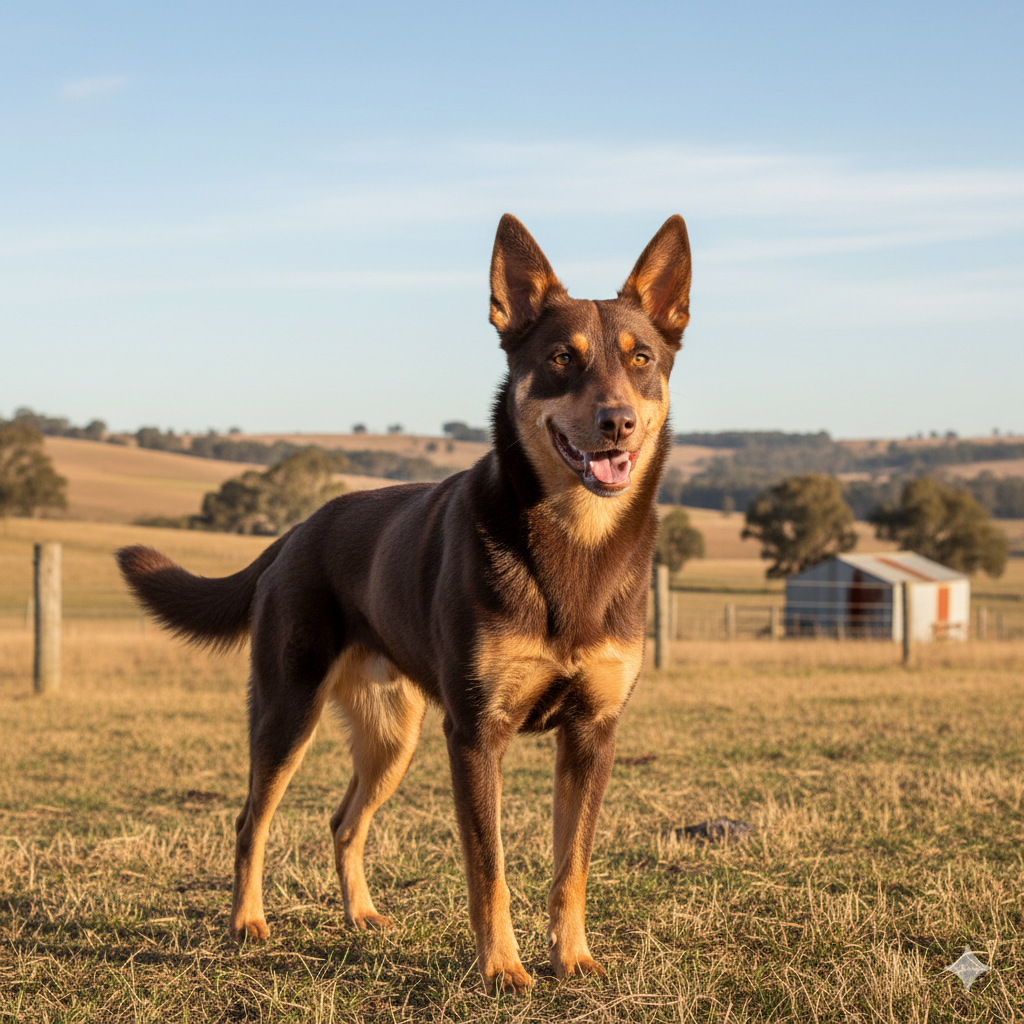
Australian Kelpies are medium-sized canines, standing between 17 and 20 inches tall and weighing from 35 to 50 pounds. Their distinct features include large, alert ears that stand upright, sleek and shiny coats, and a vibrant palette ranging from rich reds and browns to tan and jet black.
Caring for an Australian Kelpie
Devoted and intelligent, the Australian Kelpie thrives when given plenty of physical activity and mental challenges. Originally bred for demanding work, these dogs excel in environments where they have clear goals or tasks. Activities like navigating agility courses or competing in dock diving not only entertain but enrich these spirited dogs.
Once their boundless energy is expended, Kelpies become incredibly affectionate companions who relish cuddling up with their favorite humans. Early and consistent socialization is key for Kelpie puppies, guiding them to grow into balanced, confident adults.
Australian Kelpie Health Issues
Known for their robustness, Australian Kelpies generally enjoy a lifespan of 10 to 13 years. However, like all breeds, they can be susceptible to certain health conditions.
Hip Dysplasia
Hip dysplasia is a genetic disorder where the hip joint fails to form properly, resulting in looseness that gradually wears away cartilage and bone. The body’s efforts to stabilize the joint can lead to painful arthritis and degenerative joint disease, causing limping and difficulty in movement.
Maintaining a healthy, lean weight is crucial for preventing arthritis in Kelpies. Veterinarians often recommend gentle exercise and supplements such as omega-3 fatty acids, glucosamine, and chondroitin for those affected by hip dysplasia.
When discomfort arises, non-steroidal anti-inflammatory drugs (NSAIDs) are commonly prescribed to manage inflammation and pain. In severe cases where medication doesn’t suffice, surgical options may be considered.
Luxating Patella
A luxating patella occurs when the kneecap slips out of its natural groove on the femur during movement, causing discomfort and potentially leading to arthritis.
Affected dogs may skip or limp, sometimes favoring three legs until the patella realigns itself. For mild cases, joint supplements and anti-inflammatory treatments can ease symptoms. However, more severe instances might require surgical intervention.
Progressive Retinal Atrophy
Progressive retinal atrophy (PRA) comprises a group of degenerative eye diseases that destroy photoreceptor cells in the retina. Early signs include trouble seeing in low light, eventually progressing to complete blindness.
Since PRA is inherited, responsible breeders ensure testing of the dog’s parents before breeding. Unfortunately, no effective treatments currently exist for this condition.
Cerebellar Abiotrophy
Cerebellar abiotrophy (CA) is a hereditary, degenerative disorder where the immune system attacks neurons in the cerebellum, a brain region essential for coordination and balance.
In Kelpies, symptoms generally appear between 6 weeks and 6 months of age and worsen progressively, impairing walking and balance.
What To Feed an Australian Kelpie
Providing your Australian Kelpie with dog food that meets the Association of American Feed Control Officials (AAFCO) standards ensures they receive a nutritionally balanced and complete diet.
Puppies should enjoy food specifically formulated for their growth stage or those labeled for “all life stages” before switching to an adult formula as they mature.
How To Feed an Australian Kelpie
Australian Kelpies benefit from portioned meals twice daily, while growing puppies require three to four measured feedings each day. Despite their active nature reducing obesity risk, free-feeding is discouraged to maintain optimal health.
How Much Should You Feed an Australian Kelpie?
Caloric needs vary based on your dog’s size, metabolism, neuter status, activity level, and overall health. Consulting your veterinarian is the best approach to tailor feeding amounts precisely for your Kelpie. Feeding guidelines on dog food packaging also offer helpful recommendations.
Nutritional Tips for Australian Kelpies
Incorporating omega-3 fatty acids into your Kelpie’s diet can support healthy skin, a shiny coat, robust joint function, and heart and kidney health. These fatty acids are found in fish oils, specialized supplements, and certain premium dog foods.
Always discuss supplement use with your veterinarian to ensure safety and proper dosing.
Australian Kelpie Personality and Temperament
Australian Kelpies are highly energetic and fiercely devoted to their families. They require ample physical exercise to satisfy their active minds and bodies, making apartment living a challenge. Ideal homes provide them with space to run freely and opportunities to focus on purposeful work.
Australian Kelpie Behavior
Without sufficient exercise, Australian Kelpies may develop anxiety and exhibit destructive behaviors such as chewing or digging. Well-socialized Kelpies generally interact nicely with children and other animals but may try to herd them due to their instinctive drives.
Consistent training and supervision teach Kelpies that children and other pets are companions, not livestock.
Australian Kelpie Training
Starting obedience training and socialization early is vital for Australian Kelpie puppies. Introducing them to new experiences—like meeting children and other pets—in controlled settings helps build confidence for life’s various situations.
Their loyal nature means they’re eager to please, making training a rewarding experience. Using positive reinforcement and engaging games keeps their sharp minds stimulated. Beyond basic training, involvement in dog sports or assigned “jobs” helps prevent behavioral problems by channeling their energy productively.
Fun Activities for Australian Kelpies
- Agility training
- Hiking adventures
- Swimming sessions
- Flyball competitions
- Herding exercises
Australian Kelpie Grooming Guide
This breed sports a smooth, double-layered coat that demands minimal grooming, but regular brushing helps manage shedding and keeps their coat radiant.
Skin Care
Australian Kelpies generally have resilient, healthy skin and rarely require special treatments. Unless they become noticeably dirty or develop odors after outdoor play, baths a few times per year suffice.
Coat Care
A weekly brushing session efficiently removes loose hair and curtails shedding, keeping your Kelpie’s coat sleek and healthy.
Eye Care
No specialized eye maintenance is necessary, though you should monitor for signs like squinting or unusual discharge. If such symptoms appear, consulting your veterinarian is advised, as they might indicate underlying eye issues.
Ear Care
Cleaning your Kelpie’s ears biweekly helps prevent infections. If you observe excessive ear debris, head shaking, or persistent scratching, seek veterinary advice promptly.
Considerations for Pet Parents
Australian Kelpies demand a physically and mentally engaging lifestyle to flourish. Their unwavering loyalty and zest for activity make them exceptional companions for active households.
Without adequate outlets for their energy, Kelpies may develop undesirable behaviors. Their herding heritage can lead to attempts to herd other pets and children, but with proper management, this trait can be controlled. When you meet their exercise and mental stimulation needs, Australian Kelpies provide years of devoted companionship.
Are Australian Kelpies common in the US?
Australian Kelpies are relatively rare in the United States. Many serve as hardworking herding dogs rather than typical pets. With appropriate structure and socialization, they make remarkably loyal and engaging companions.
How smart are Australian Kelpies?
This breed ranks among the most intelligent. Without consistent mental and physical outlets, however, they can develop problematic behaviors stemming from boredom.
What’s the difference between Australian Kelpies and Australian Cattle Dogs?
Though similar in energy and size, Australian Kelpies and Australian Cattle Dogs are distinct breeds. The most straightforward way to tell them apart is by their coat patterns.
Kelpies feature either solid colors or bi-colored coats—combinations such as red and tan or black and tan are common. In contrast, Australian Cattle Dogs usually display speckled or mottled patterns.