Ascites in Dogs: What Every Pet Parent Needs to Know
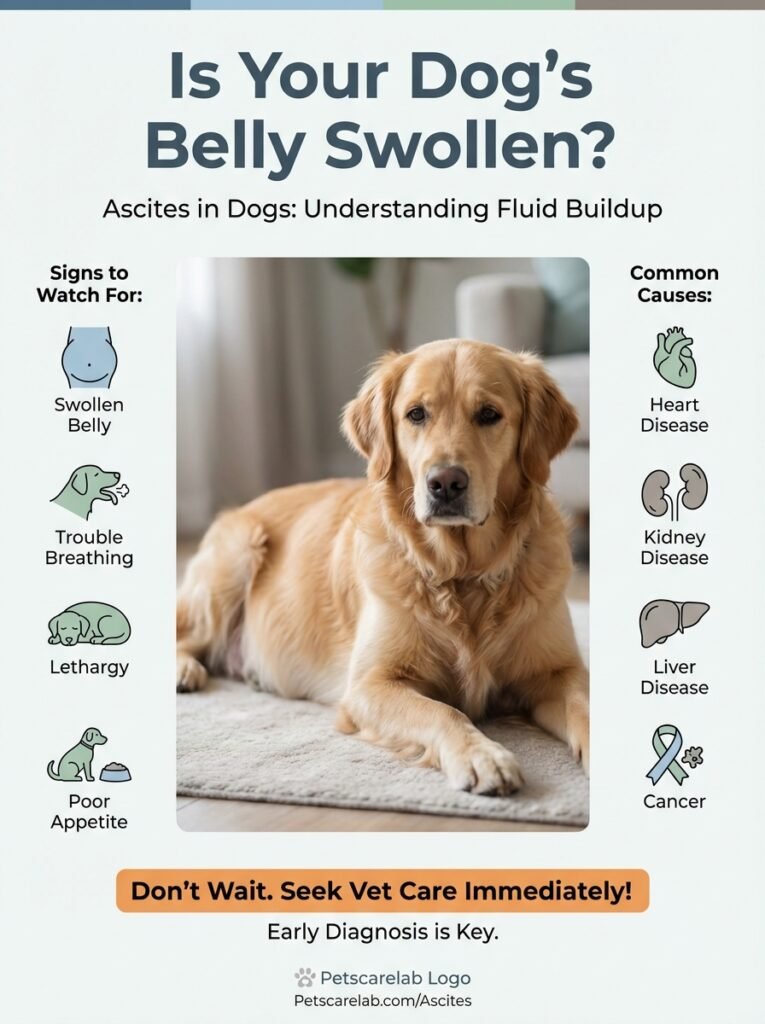
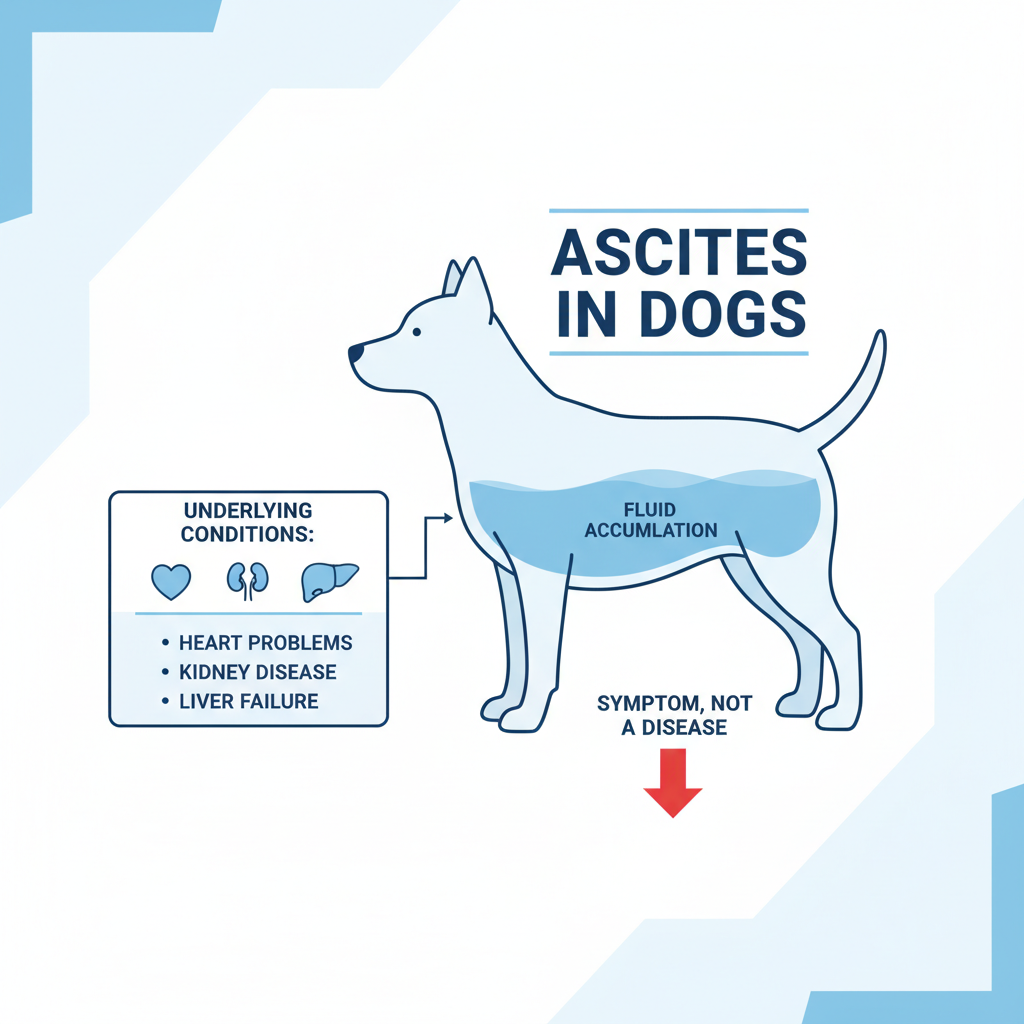
As a pet parent, seeing your beloved dog uncomfortable is heartbreaking. When you notice their belly looking swollen or bloated, it’s natural to worry. This common symptom could point to ascites in dogs, a condition where fluid builds up in the abdomen. It’s not a disease on its own, but rather a crucial sign that something serious is happening inside your dog’s body, from heart or kidney problems to liver disease or even cancer. Our team at Petscarelab wants you to know what to look for and what steps to take, because catching this early can make all the difference for your pup.
What Does Ascites Look Like in Dogs?
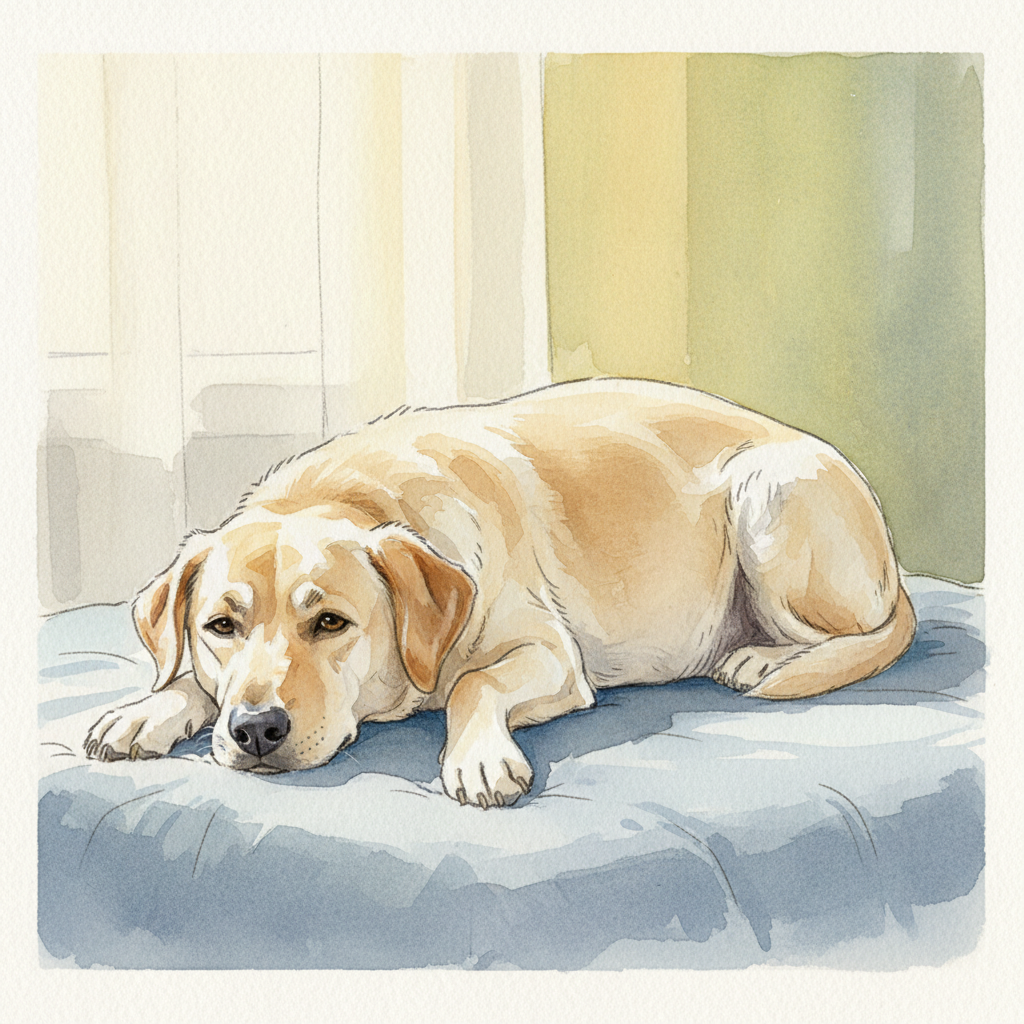
The most noticeable sign of ascites is usually a belly that appears distended, often described as a "potbelly." When you gently touch your dog’s abdomen, it might feel firm or tight. Other symptoms can pop up depending on what's causing the fluid buildup:
- Trouble breathing: A swollen belly can push on your dog's diaphragm, making each breath a struggle.
- Vomiting or diarrhea: These can be side effects of the underlying illness or from the fluid putting pressure on their digestive organs.
- Loss of appetite and weight loss: Your dog might just not feel like eating, leading to a gradual drop in weight.
- Lethargy and weakness: They may seem unusually tired, weak, and just not themselves.
- Increased thirst and urination: These symptoms can signal kidney issues, which often lead to fluid retention.
- Pale gums: This might point to anemia, a possible side effect of some conditions that cause ascites.
- Coughing: If your dog has heart disease, a common cause of ascites, they might develop a cough.
- Swelling in the limbs: Conditions like heart failure or kidney disease can cause swelling not just in the belly, but also in their legs.
If you spot any of these signs, don’t wait. Get your dog to the vet right away.
Why Does a Dog Get Ascites? Common Causes
Fluid in the abdomen, or ascites, almost always points to an underlying health problem. Here are some of the most common reasons your dog might develop this issue:
- Heart Disease: Conditions like congestive heart failure mean your dog's heart can't pump blood effectively. This leads to increased pressure in their blood vessels and poor circulation, causing fluid to leak out and collect in the belly.
- Kidney Disease: When your dog’s kidneys aren’t working properly, they struggle to filter waste and excess fluid from the body. This fluid then builds up where it shouldn’t.
- Liver Disease: Your dog’s liver creates crucial proteins that help keep fluid levels balanced. If the liver is sick, it can't make enough of these proteins, and fluid starts to accumulate.
- Cancer: Abdominal tumors, for example, can cause fluid to gather in the belly cavity.
- Severe Infection or Inflammation: An infection or inflammation inside your dog's abdomen can make fluid seep out of blood vessels.
- Low Protein Levels (Hypoproteinemia): This can happen if your dog is severely malnourished, has trouble absorbing nutrients, or loses protein through their intestines (a condition known as protein-losing enteropathy).
- Ruptured Bladder or Bile Duct: If your dog experiences trauma, urine or bile can leak into the abdomen, causing fluid buildup.
- Internal Bleeding: Accidents or certain medical conditions can lead to internal bleeding, and that blood can collect in the abdominal cavity.
Some dog breeds are more prone to conditions that cause ascites. For instance, breeds like Doberman Pinschers, Boxers, and Cocker Spaniels are known to be more susceptible to heart conditions that cause fluid retention.

How Your Vet Diagnoses Ascites
When you bring your dog in with a swollen belly, your vet will start with a thorough physical exam. They'll likely notice the distended, possibly taut, abdomen. They might gently tap or feel your dog's belly to confirm the presence of fluid. They’ll also check for other symptoms like pale gums, difficulty breathing, or lethargy that could give clues to the underlying cause.
Beyond the physical exam, your vet will likely recommend several diagnostic tests to get to the bottom of your dog’s ascites:
- Blood Tests: A complete blood count (CBC) and biochemistry profile help your vet check organ function, protein levels, and red blood cell count.
- Urinalysis: This simple test helps evaluate kidney function and looks for signs of infection.
- Abdominal Ultrasound: This imaging technique gives your vet a clear picture of the abdominal organs, helping them spot tumors, other abnormalities, and, of course, confirm the presence of fluid.
- X-rays: Abdominal X-rays offer another view, showing the size and shape of organs and further confirming fluid buildup.
- Abdominocentesis (Fluid Tap): In this procedure, your vet carefully inserts a needle into the abdomen to collect a fluid sample. They'll then send this sample to a lab to analyze its makeup, looking for bacteria, cancer cells, or other issues.
These diagnostic tests are crucial. They help your vet pinpoint the exact cause of your dog's ascites, which is the key to finding the most effective treatment.
Treating Ascites in Dogs
Treating ascites means tackling the medical condition causing the fluid buildup. Your vet will tailor a treatment plan based on your dog's specific diagnosis. Here are some common approaches:
- Diuretics: These medications help your dog's body get rid of excess fluid, bringing down that uncomfortable abdominal swelling. Furosemide is a common one vets prescribe.
- Dietary Changes: If your dog has heart or kidney disease, a low-sodium diet can be really helpful in reducing fluid retention.
- Medications for Heart Disease: If heart failure is the culprit, your vet might prescribe medications like ACE inhibitors, beta-blockers, or other heart drugs to improve heart function.
- Medications for Liver Disease: The treatment for liver disease depends on its type and severity. Your vet might recommend medications to support liver function, reduce inflammation, or manage specific symptoms.
- Antibiotics: If an infection is causing the fluid, antibiotics will be prescribed to clear up the bacteria.
- Chemotherapy or Surgery: If cancer is the underlying cause, your vet might suggest chemotherapy, radiation, or surgically removing tumors.
- Abdominocentesis: Sometimes, your vet may drain excess fluid directly from the abdomen. This offers temporary relief from discomfort and makes breathing easier, but remember, it doesn’t fix the root problem.
It’s vital to follow your vet's recommendations closely and keep a close eye on your dog for any changes.
Recovery and Long-Term Management of Ascites
How well a dog recovers from ascites truly depends on what caused it and how severe the condition was. With the right diagnosis and treatment, some dogs can bounce back completely, while others might need ongoing management for the rest of their lives.
After treatment, your vet will likely schedule regular follow-up appointments. These visits are important for monitoring your dog’s progress and adjusting medications as needed. This might involve repeat blood tests, ultrasounds, or X-rays to see how well the treatment is working and to check for any fluid recurrence.
At home, you play a huge role. Keep a close watch on your dog for any worsening symptoms or new concerns. Making sure they eat a healthy diet, always have fresh water, and get appropriate exercise can greatly support their overall health and well-being.
Preventing Ascites in Dogs
While we can't always stop ascites from happening, you can significantly reduce your dog’s risk by proactively addressing underlying health conditions. Here’s what you can do:
- Regular Vet Check-ups: Routine exams help catch medical conditions early, often before they become severe enough to cause ascites.
- Balanced Diet: Feed your dog a high-quality, balanced diet that’s right for their age, breed, and activity level. This supports overall health and helps prevent issues like malnutrition.
- Exercise: Regular activity keeps your dog at a healthy weight and boosts their cardiovascular health.
- Parasite Control: Stick to a regular parasite control program. This prevents infections that can lead to inflammation or fluid buildup.
- Vaccinations: Keep your dog up-to-date on vaccinations. This protects them from diseases that could lead to serious health problems.
By prioritizing your dog’s health and well-being, you help lower their risk of developing ascites and other serious medical conditions, ensuring they live their best, happiest life.