Appetite Stimulants for Dogs: Helping Your Pup Eat Again
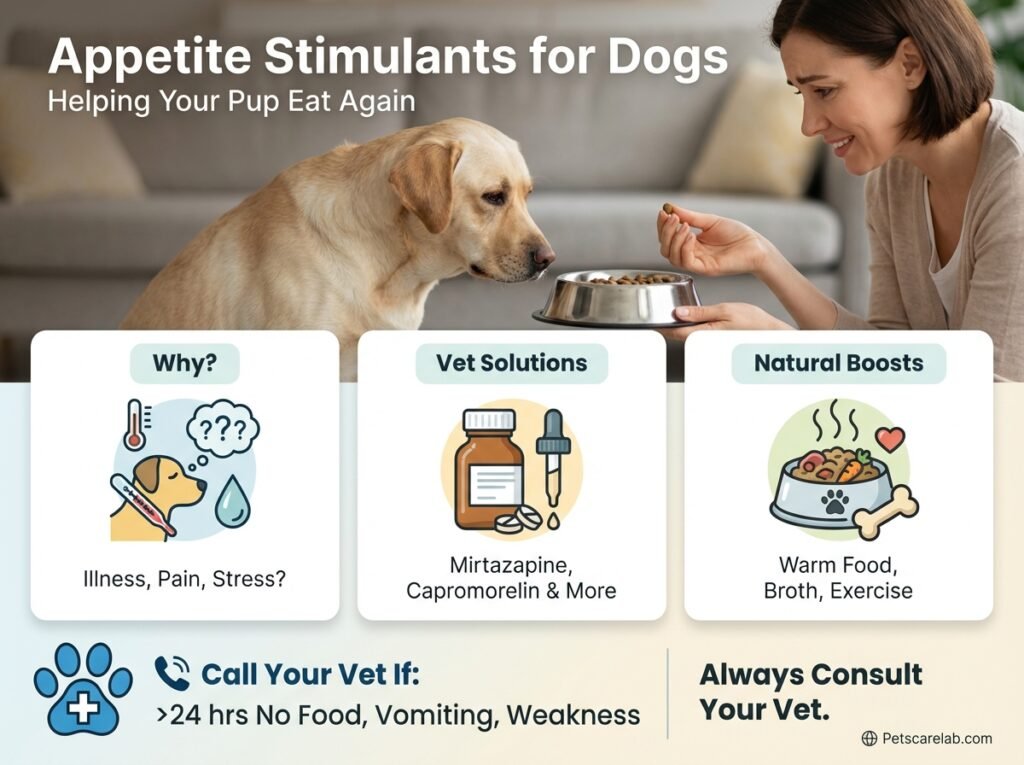
It can be really worrying when your dog suddenly loses interest in food. Maybe they're just a picky eater, but if your pup skips meals for too long, or if it's joined by other signs like sluggishness or an upset tummy, something more serious might be going on. This is when your vet might suggest appetite stimulants for dogs to get them back on track. These medications can be a short-term boost, helping your dog feel hungry while you and your vet figure out and treat the root cause of why they're not eating.

Why Does a Dog Need Help Eating?
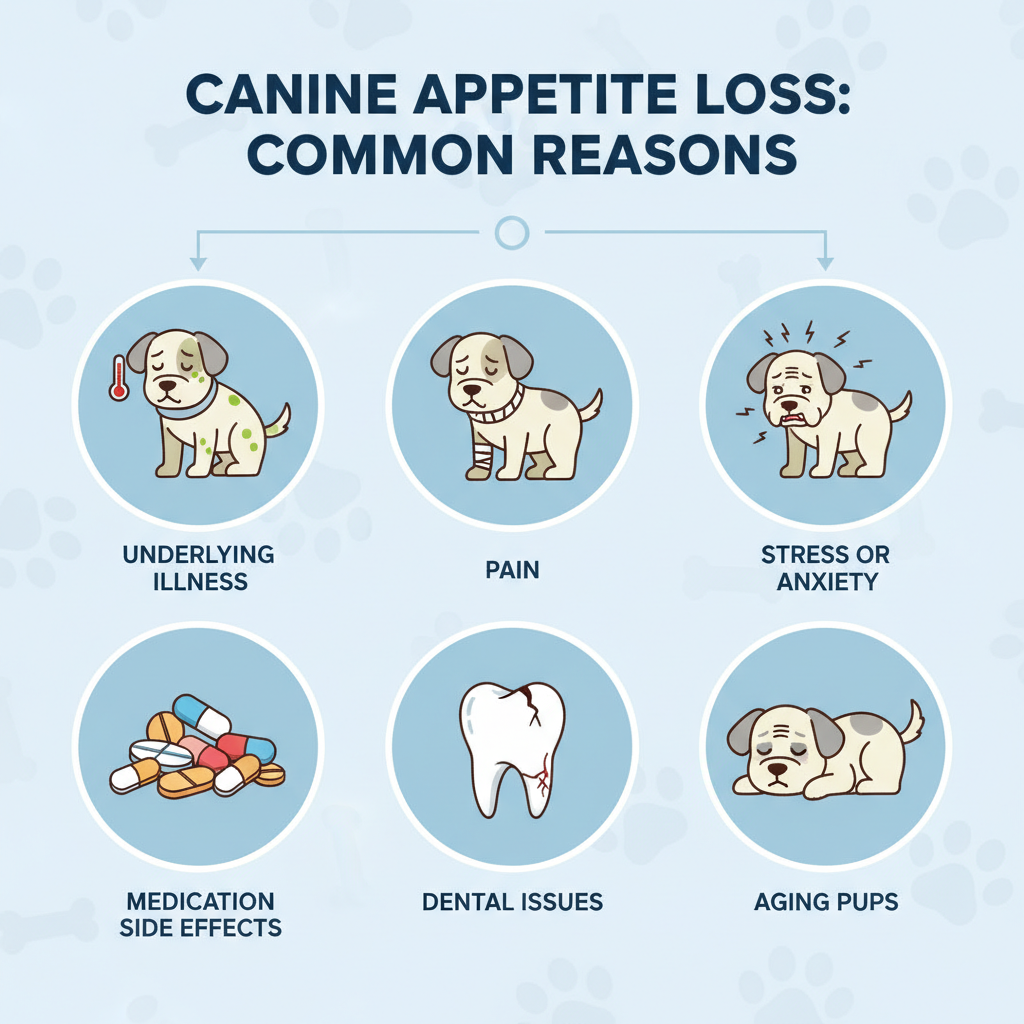
Dogs might need a little nudge to eat for many reasons. Sometimes it's obvious, other times it's a puzzle you'll solve with your vet. Here are some common situations where a pup might lose their appetite:
- Underlying Illness: Conditions like kidney disease, cancer, pancreatitis, or liver problems can make a dog feel nauseous and turn their nose up at food.
- Pain: Whether it's from an injury, arthritis, or recovering after surgery, a dog in pain often won't feel like eating.
- Stress or Anxiety: Moving to a new home, separation anxiety, or loud noises can throw a dog off their routine and make them lose their hunger.
- Medication Side Effects: Some medications can unfortunately cause an upset stomach or decrease a dog's desire to eat.
- Dental Issues: A painful tooth or sore gums can make munching on even the tastiest food feel like a chore.
- Aging Pups: Older dogs might eat less because their sense of smell isn't as sharp, or they have other age-related health changes.
If your dog isn't eating, it's always best to talk to your vet right away. They can help pinpoint the problem before you try any appetite stimulants.
Kinds of Appetite Stimulants for Dogs
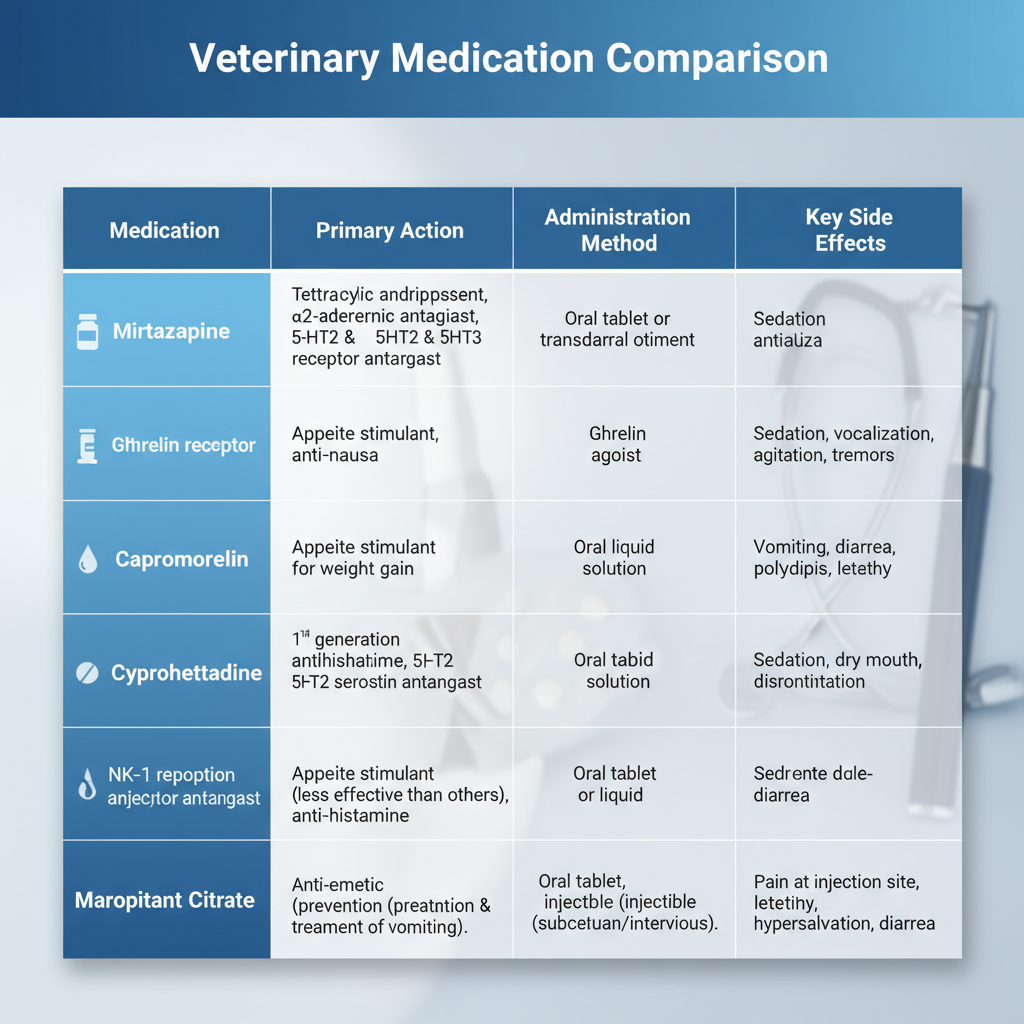
When a dog needs help eating, there are several types of appetite stimulants that your vet might recommend. Each one works a bit differently:
Mirtazapine (Generic, Mirataz)
Mirtazapine is a medication that's actually an antidepressant, but it works wonders for stimulating appetite in dogs. It helps calm nausea and sparks hunger by working with certain brain chemicals.
- Uses: Vets often prescribe mirtazapine for dogs who've lost their appetite due to ongoing issues like kidney disease or cancer.
- How it's Given: You can give it as an oral tablet, or as an ointment rubbed inside your dog's ear.
- Things to Watch For: Your dog might seem a bit drowsy, more vocal, or a little more active than usual. Rarely, you might notice panting, agitation, muscle tremors, excessive licking, vomiting, or diarrhea.
Capromorelin (Entyce, Elura)
This medication is pretty special because it directly mimics ghrelin, the natural "hunger hormone" in the body. It tells your dog's brain it's time to eat!
- Uses: Veterinary specialists frequently prescribe capromorelin to boost appetite and help dogs who are struggling with long-term weight loss.
- How it's Given: It comes as a liquid you give your dog by mouth once a day.
- Things to Watch For: Some pups might experience mild diarrhea, throw up a little, seem tired, drool more, or drink more water.
Cyproheptadine (Generic)
Cyproheptadine is an antihistamine that can also help bring back a dog's hunger. Similar to mirtazapine, it works on brain receptors to make a dog feel less full and more ready for food.
- Uses: While not specifically designed as an appetite stimulant for dogs, some veterinary professionals use it, especially for smaller dogs or those with liver issues.
- How it's Given: You can give it as an oral tablet or a liquid.
- Things to Watch For: Your dog might get sleepy, have a dry mouth, or have trouble peeing.
Maropitant Citrate (Cerenia)
Cerenia is primarily known for stopping vomiting. It doesn't directly make your dog hungry, but by calming their stomach and easing nausea, it can certainly make them feel much more willing to eat.
- Uses: Vets often prescribe Cerenia to prevent or treat acute vomiting in dogs. When a dog isn't nauseous, they're much more likely to want their food.
- How it's Given: It's available as an oral tablet or an injection.
- Things to Watch For: After an injection, your dog might have a bit of pain at the site. Other common side effects include vomiting, diarrhea, or appearing tired.
Over-the-Counter "Appetite Stimulants"
You might see many supplements sold online or in stores that claim to be appetite stimulants for dogs. It's really important to be careful with these. Many don't have solid science to back up their claims, and some could even be harmful if not used correctly.
Always, always chat with your vet before giving your dog any over-the-counter supplement. This is especially true if your dog has any other health problems or is already taking medication.
Natural Ways to Encourage Eating
After you've talked to your vet and ruled out any serious health issues, there are some simple, natural things you can try at home to tempt your dog to eat:
- Warm it Up: Gently warming your dog's food can release its yummy smell, making it much more inviting. Think about how good warm soup smells!
- Add Broth: A splash of low-sodium, plain chicken or beef broth mixed into their meal can make it taste (and smell) amazing.
- Switch Textures: If your dog usually eats dry kibble, trying a high-quality canned food might be more appealing. It often has a stronger aroma and a different texture that some dogs adore.
- Get Them Moving: A good walk or some playful activity can sometimes work up an appetite.
- Peace and Quiet: Make sure your dog has a calm, distraction-free spot to eat. No loud noises or busy foot traffic during mealtime.
When It's Time to Call the Vet
If your dog goes without food for more than 24 hours, or if they're also showing any of these worrying signs, don't wait — call your vet immediately:
- Throwing up or diarrhea
- Acting lethargic or weak
- Drinking more or less water, or changes in urination
- Losing weight
- Showing signs of pain or discomfort
- Having trouble breathing
- A swollen belly
Quick veterinary care is vital to figure out why your dog isn't eating and to get them the treatment they need. Our team at Petscarelab knows how important it is to keep your furry friend healthy and happy.