
Introduction
Pit Bulls, formally known as American Pit Bull Terriers, are a breed with a complex and often misunderstood legacy. Originating in England, they were initially bred for the brutal sport of bull baiting before being introduced to the United States, where some were regrettably used in dog fighting rings. Despite this fraught history, countless Pit Bulls today are celebrated for their fierce loyalty and deep affection toward their beloved humans.
So, what exactly defines a Pit Bull? It’s essential to understand that "Pit Bull" isn’t an official breed recognized by major kennel clubs. Instead, it’s an umbrella term that encompasses several breeds, including:
- American Staffordshire Terriers
- American Bulldogs
- Bull Terriers
- Staffordshire Bull Terriers
- And various mixes of these breeds
If you’re curious about your dog’s lineage, dog DNA testing kits can help clarify whether your furry friend falls under the Pit Bull category.
Physically, Pit Bulls are medium-sized dogs. Males typically weigh between 35 and 70 pounds and stand about 18 to 21 inches tall. Females tend to be slightly smaller, averaging 30 to 60 pounds and standing 17 to 20 inches tall. Their physique is muscular and powerful, complemented by a short, smooth coat that comes in a stunning array of colors such as black, blue, brindle, and fawn.
Caring for a Pit Bull
Renowned for their affectionate and outgoing personality, Pit Bulls form strong bonds with their families. With appropriate socialization and consistent training, they can blossom into wonderful family companions.
Although they can sometimes display a determined streak, Pit Bulls are intelligent and eager to please, making obedience training a rewarding experience for both dog and owner. Without adequate guidance and social exposure, however, they may react nervously in new environments.
Energy-wise, Pit Bulls are quite vigorous, requiring daily exercise and play—ideally between 45 minutes to an hour. They thrive on activities such as long walks, spirited games of fetch, agility courses, and any interactive play that strengthens their connection with you.
Keep in mind, the term "Pit Bull" is not a formal breed recognized by major kennel clubs but rather a catch-all phrase that describes several distinct breeds.
Like many bright and dynamic dogs, Pit Bulls flourish with routine and structure, making them excellent companions for those ready to commit to their needs. Before welcoming a Pit Bull puppy into your home, be sure to familiarize yourself with their distinct traits and care requirements.
Pit Bull Health Issues
While generally robust and healthy, Pit Bulls, like all dogs, can be susceptible to certain health conditions.
To prepare for unexpected vet expenses, pet insurance is a prudent choice. Regular vet visits, vaccinations, and parasite control are key to maintaining your dog’s vitality and catching issues early.
Allergies
Allergies are common among Pit Bulls and can lead to symptoms such as itchy skin, hair loss, and irritation. They may be caused by food sensitivities, flea bites, or environmental triggers like pollen and dust mites.
Treatment usually involves pinpointing the allergen and avoiding it when possible, alongside medications, medicated shampoos, and topical treatments that soothe symptoms. In severe cases, your vet might recommend a specialized diet or other therapeutic options.
As a caring pet owner, recognizing allergy signs early and consulting your vet is crucial. With proper care, many Pit Bulls lead comfortable lives despite their allergies, though some may need ongoing management.
Hip Dysplasia
Hip dysplasia is a hereditary condition affecting the hip joints, causing improper development that can lead to arthritis and pain. Signs include limping, trouble standing or jumping, and a drop in activity levels.
Managing this condition focuses on alleviating pain and minimizing joint stress, often through weight management and anti-inflammatory treatments. In severe scenarios, surgical intervention may be necessary to restore mobility.
Because it’s a progressive issue, ongoing care might be essential for dogs affected by hip dysplasia.
Cataracts
Cataracts, which cloud the lens of the eye, affect many breeds including Pit Bulls. This condition impairs vision and can progress to blindness. Symptoms might include hazy vision, light sensitivity, and changes in behavior such as bumping into objects.
Surgical removal and replacement of the lens is the most common treatment, typically performed by veterinary eye specialists, and it often successfully restores vision.
Obesity
Pit Bulls have a tendency to gain excess weight, which can contribute to various health complications. Maintaining a balanced diet paired with regular exercise is vital to keeping your Pit Bull fit and healthy.
What To Feed a Pit Bull
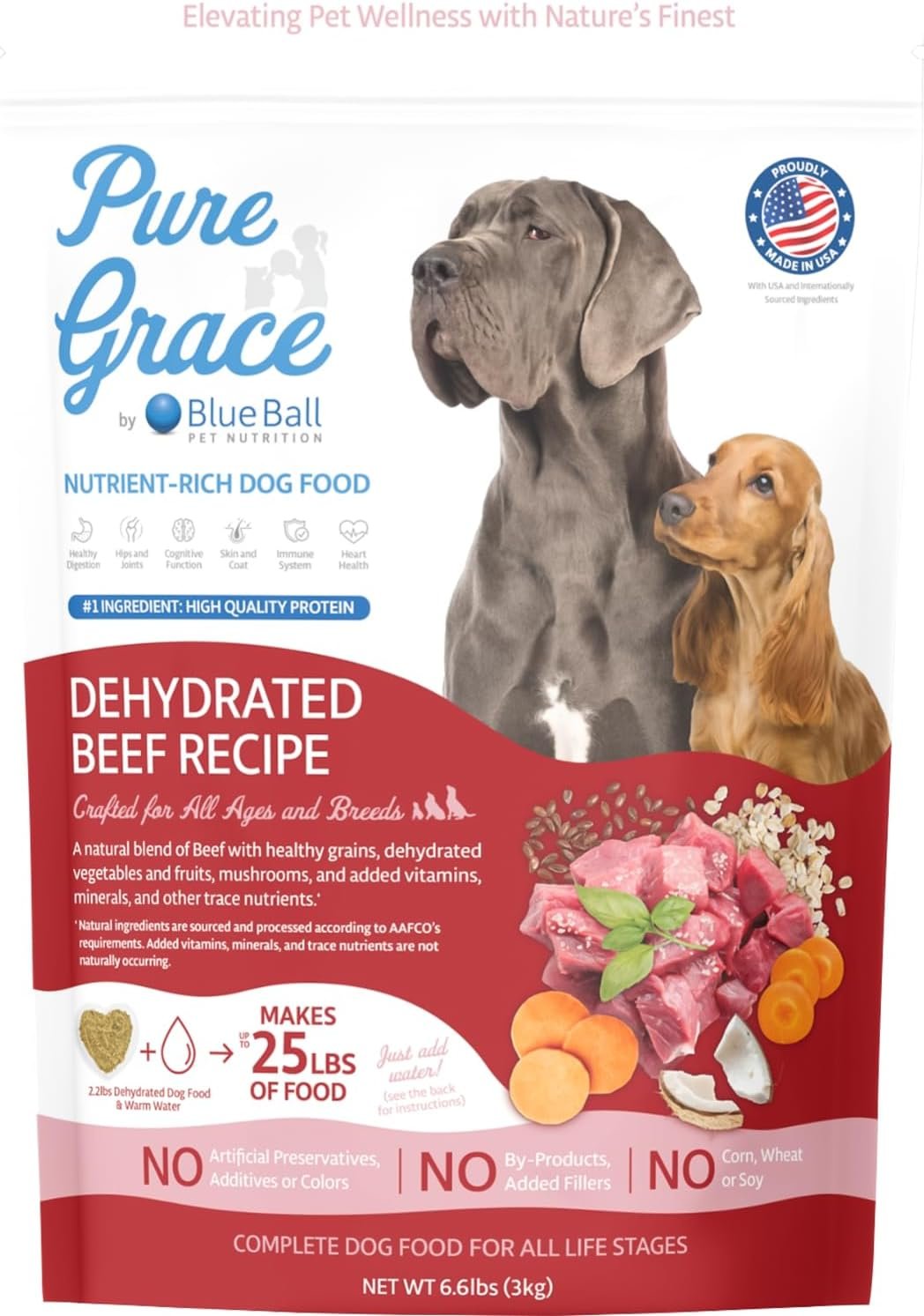
A well-chosen diet is fundamental to your Pit Bull’s health and vitality. Opt for high-quality dog food that offers balanced nutrition, suits their age and activity level, and is approved by the Association of American Feed Control Officials (AAFCO). Given their propensity to gain weight easily, selecting food low in fats and calories, yet rich in protein to support their muscular frame, is ideal.
Collaborate with your veterinarian to tailor your dog’s diet based on their unique age, health conditions, and nutritional needs.
How To Feed a Pit Bull
Adult Pit Bulls typically thrive on two meals a day—morning and evening. Puppies and senior dogs may require smaller, more frequent meals to meet their specific metabolic demands. Due to their strong jaws, consider using heavy-duty stainless steel or ceramic bowls to prevent damage and ensure durability.
How Much Should You Feed a Pit Bull?
Determining the right portion sizes involves balancing your dog’s activity, age, and general health. Most dog food products provide feeding guidelines based on weight, but individual adjustments might be necessary.
Keep a close eye on your Pit Bull’s body shape—ideally, they should be lean and muscular with a clearly visible waist and ribs you can feel but not see. If you observe weight fluctuations, adjust their intake accordingly.
Regular veterinary visits are essential to verify that your Pit Bull maintains a nutritious and well-rounded diet throughout their life.
Nutritional Tips for Pit Bulls
While supplements shouldn’t replace a complete diet, certain additions may enhance your Pit Bull’s health:
- Joint supplements: Compounds like glucosamine and chondroitin support joint health and help combat inflammation common in breeds prone to hip dysplasia.
- Omega-3 fatty acids: Beneficial for skin, coat, and immune function, these fats also reduce inflammation and promote overall wellness.
- Vitamin E: A potent antioxidant, Vitamin E protects cells, bolsters the immune system, supports skin and coat health, and may lower the risk of cataracts.
- Probiotics: These promote digestive and gut health, aiding nutrient absorption and reinforcing your dog’s overall well-being.
Pit Bull Personality and Temperament
American Pit Bull Terriers are famously friendly, outgoing, and loyal but can exhibit a strong-willed nature. Their intelligence and energy require committed owners who can provide ample exercise and mentally stimulating activities to keep their minds sharp.
Properly trained and socialized Pit Bulls often mix well with children and other pets. Due to their “Velcro dog” reputation—always by their owner’s side—they make excellent, lively companions, especially for older kids eager for a constant buddy.
Pit Bull Behavior
Without sufficient physical activity, mental engagement, and social interaction, Pit Bulls may develop anxiety, including separation anxiety when left alone for extended periods.
Being naturally curious and adventurous, they can sometimes wander off if not carefully supervised. Always use a leash or secure a fenced yard to keep them safe.
Pit Bull Training
Pit Bulls respond well to positive reinforcement techniques, thriving on praise, treats, and affectionate encouragement. To avoid boredom and rebelliousness, keep training sessions fresh and engaging.
Consistency is key: establish clear rules, routines, and boundaries to help your Pit Bull flourish and behave reliably.
Their high energy and sharp minds mean Pit Bulls need extra attention to keep both their bodies and brains active and happy.
Fun Activities for Pit Bulls
- Agility courses
- Nose work games
- Dock diving
- Frisbee catching
- Hunting exercises
- Obedience training
Pit Bull Grooming Guide
With their sleek, short coat, Pit Bulls are relatively low-maintenance when it comes to grooming. Their dense fur is smooth and shiny, requiring minimal professional grooming or trimming.
However, they tend to shed moderately year-round, ramping up during spring and fall. Regular brushing with a slicker brush or rubber grooming tool helps control shedding while distributing natural oils for a healthy coat.
Skin Care
Though their coat provides good protection, Pit Bulls can develop skin irritations, especially if exposed to allergens or parasites. Watch for excessive licking, redness, swelling, or flakes, and consult your vet if these signs appear.
Coat Care
Brushing once a week or every two weeks is typically sufficient, though more frequent grooming might be needed during heavy shedding seasons. Baths aren’t required often—just as needed to keep them fresh and clean using gentle, dog-safe shampoos.
Eye Care
Tear stains—dark rusty streaks beneath the eyes—can sometimes affect Pit Bulls. Keep the area clean and dry using a soft cloth or dog-specific eye wipes to reduce staining.
Ear Care
Pit Bulls have floppy ears, which can be prone to infections because of trapped moisture encouraging bacterial or yeast growth.
Routine ear cleaning with a vet-approved solution using a cotton ball or soft cloth is vital to prevent buildup and infections. Avoid cotton swabs, since these can harm the delicate ear canal.
Regularly check for redness, swelling, discharge, or foul odor, and visit the vet promptly if symptoms arise.
Considerations for Pet Parents
Pit Bulls thrive in active homes where their energy and enthusiasm are embraced through outdoor play and exercise.
Prospective owners should dedicate time to patient training, socialization, and plenty of daily activity. These smart and energetic dogs sometimes overexcite and benefit from clear guidance in novel situations.
Due to their size and exuberance, homes with very small children might not be ideal, as Pit Bulls may unintentionally knock over little ones. Nonetheless, with ongoing care, training, and affection, a Pit Bull can be an incredibly devoted, fun-loving, and steadfast companion.
Is the Pit Bull a dog breed?
"Pit Bull" is an umbrella term for several breeds, including American Staffordshire Terriers, Staffordshire Bull Terriers, American Bulldogs, Bull Terriers, and mixes thereof. While not a single recognized breed, these dogs share many notable traits.
What was the Pit Bull bred for?
Originally bred in 19th-century England for bull baiting—a challenging and violent blood sport—Pit Bulls were later brought to America, where they served as hunters and farm workers.
What do Pit Bulls weigh?
Typical American Pit Bull Terriers weigh between 30 and 75 pounds, with males generally larger than females. Actual weight depends on factors like genetics, diet, and overall health.
Is an American Pit Bull Terrier a good family dog?
Absolutely—when raised with care, proper training, and early socialization, American Pit Bull Terriers can be loyal and affectionate family members. Like all breeds, they require consistent exercise and mental stimulation to avoid behavioral issues. With a devoted owner, they thrive as loving and well-mannered companions.