Introduction
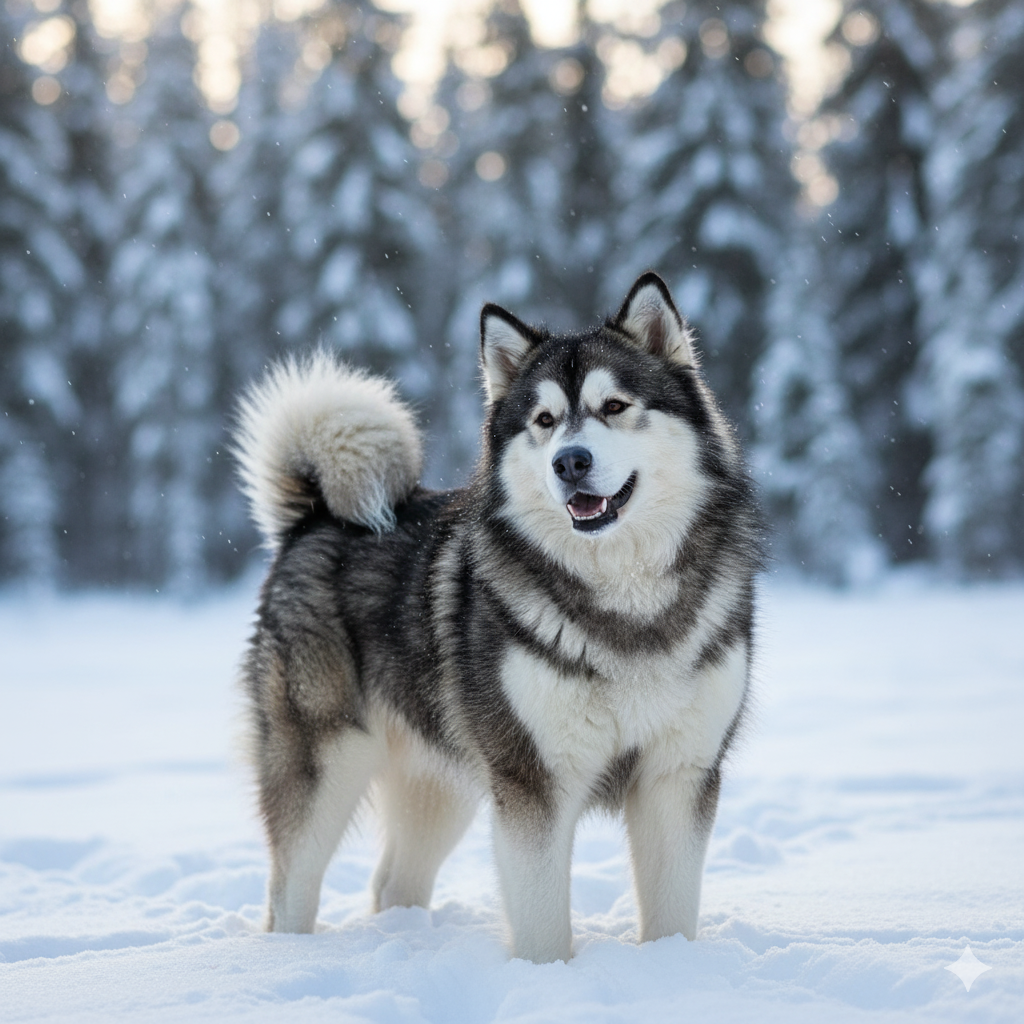
Alaskan Malamutes boast a rich and fascinating history, celebrated for their unwavering dedication to some of humanity's toughest tasks. These remarkable dogs originated alongside the native Mahlemut tribe in Alaska, where they played a vital role in survival—hunting seals, warding off polar bears, and hauling hefty loads across icy terrains.
During the Klondike Gold Rush of 1896, Alaskan Malamutes gained widespread admiration for their tireless work ethic and dependable strength in pulling sleds. Nowadays, they are treasured by dog lovers everywhere not just for their stamina and intelligence, but for the vibrant zest they bring to family life—even far from the frozen wilderness they were bred for.
Caring for an Alaskan Malamute
Alaskan Malamutes are affectionate and loyal companions, but they thrive best when given plenty of attention and active engagement. These dogs are bred for endurance and power; their ancestors spent generations pulling sleds across harsh Alaskan landscapes. Although most pet parents won’t be harnessing them to sleds, daily vigorous exercise—such as running alongside you or cycling together—is essential to keeping their lively spirits content.
Quirky and vocal, Alaskan Malamutes often communicate back with distinctive "awoos," as if playfully debating with you. Their sharp intelligence and cunning sometimes lead them to cleverly secure treats perched atop counters or to stage daring escapes for unsupervised neighborhood explorations.
Meeting their grooming needs is equally important—Alaskan Malamutes sport thick, dense coats that require frequent brushing to stay healthy and beautiful.
Alaskan Malamute Health Issues
Generally robust, Alaskan Malamutes enjoy a lifespan of 10-14 years, but certain health challenges are more common in the breed. Responsible pet parents should consider securing pet insurance to ease the costs of potential medical care.
Hip and Elbow Dysplasia
Large breeds like Alaskan Malamutes are prone to hip and elbow dysplasia—conditions caused by abnormal joint development leading to pain and arthritis if left untreated. Warning signs include limping, difficulty standing, and odd sitting postures. Mild cases may respond well to pain management, while severe instances could require surgical intervention.
Cataracts
This progressive eye disorder gradually blurs vision and may stem from aging, inflammation, or low blood calcium. Without timely surgical removal, cataracts typically worsen, compromising your Malamute’s eyesight.
Hypothyroidism
Hypothyroidism is a thyroid hormone deficiency affecting many Malamutes. Symptoms to watch for include unexpected weight gain, decreased energy, craving warmth, brittle or dry fur, and frequent skin or ear infections. If you notice these warning signs, consult your veterinarian promptly.
Chondrodysplasia
Chondrodysplasia is a hereditary condition where puppies are born with limb deformities, commonly referred to as "dwarf puppies." Ethical Malamute breeders rigorously test their dogs to prevent passing on this genetic disorder.
Polyneuropathy
Polyneuropathy is a nervous system disorder affecting Alaskan Malamutes, presenting symptoms such as:
- Frequent trips and falls
- Walking on the tops of their feet
- Unusual gait patterns
- Reduced exercise tolerance
- Muscle wasting
- Changes in voice
While no cure exists, dogs with mild polyneuropathy often maintain a decent quality of life. Unfortunately, severe cases may necessitate euthanasia.
What To Feed an Alaskan Malamute
To support their health, Alaskan Malamutes should be fed dog food certified by the Association of American Feed Control Officials (AAFCO) to ensure a balanced and complete diet.
How To Feed an Alaskan Malamute
Adult Alaskan Malamutes thrive on two well-portioned meals a day, while growing puppies do best with three smaller feedings. According to Petscarelab Rescue guidelines, puppies should never have free access to food since they tend to overeat greedily, risking dangerous weight gain. Using a slow feeder bowl can help your Malamute pace itself and promote healthier eating habits.
How Much Should You Feed an Alaskan Malamute?
Portion size varies depending on your dog’s age, weight, activity level, and overall health. While dog food packages offer general feeding recommendations, the most accurate guidance will come from your trusted veterinarian.
Nutritional Tips for Alaskan Malamutes
Incorporate supplements designed to support joint health, vision, and coat condition. Adding fatty acids rich in omega-3s and vitamin C can also do wonders to keep your Malamute vibrant and thriving.
Alaskan Malamute Personality and Temperament
Living with an Alaskan Malamute offers a deeply rewarding experience, though it requires understanding their unique temperament. These sociable dogs flourish when regarded as intelligent partners, eager to engage and please. With positive reinforcement, they become devoted family members and loyal friends.
However, their large size and boundless energy may overwhelm young children, so all interactions should be supervised to ensure safety for both parties. Early socialization is key to helping your Malamute peacefully coexist with other pets and understand that smaller animals are not playthings for chasing.
Alaskan Malamute Behavior
As the mantra from Alaskan Malamute Rescue of New England goes: "A tired Malamute is a happy Malamute!" This breed demands an active lifestyle through running, sled pulling, or skijoring—a thrilling blend of cross-country skiing with dog sledding. Without sufficient exercise, boredom sets in, and your Malamute might resort to destructive habits like chewing furniture.
After a good workout, they become affectionate couch companions, delighting in attention from their favorite humans. Their curious nature and vocal tendencies ensure they will make their feelings heard loud and clear when needing mental stimulation or physical activity.
Alaskan Malamute Training
While exceptionally intelligent, Alaskan Malamutes can exhibit what’s colloquially called "selective hearing." They understand commands but might choose when to obey, depending on their mood. Consistent patience and positive reward-based training methods work best with this clever breed.
Fun Activities for Alaskan Malamutes
- Brisk walking
- Jogging alongside you
- Biking excursions
- Backpacking adventures
- Skijoring in winter
- Tracking scents
- Traditional sled pulling
Alaskan Malamute Grooming Guide
With their stunning double coat built to withstand frigid climates, Alaskan Malamutes require diligent grooming care to keep their fur and skin in prime condition.
Skin Care
Healthy skin begins with maintaining their coat. Their thick fur demands daily brushing to remove dirt, loose hair, and debris, prevent matting, and evenly distribute natural oils that moisturize the skin.
Coat Care
A thorough bath every 6-8 weeks helps keep their luxurious coats clean, fragrant, and tangle-free. Regular brushing not only controls shedding but also minimizes the hair that clings to your furniture and clothes.
Eye Care
Daily inspection of your Malamute’s eyes helps catch any dirt or debris build-up early. Gently wiping the corners with a damp cloth prevents bacteria buildup and eye infections.
Ear Care
Check your dog’s ears weekly to ensure they are clear of infection or wax accumulation. Healthy ears should be pink and free from odor or discharge. Using disposable ear wipes can make this routine easier and more hygienic.
Considerations for Pet Parents
Alaskan Malamutes do not thrive when isolated or left alone for long hours. They crave mental engagement, consistent physical exertion, and care, including hands-on training and frequent grooming. If you’re prepared to invest time and energy, this energetic breed can become a deeply rewarding companion.
How big do Alaskan Malamutes get?
On average, adult Alaskan Malamutes stand 23-25 inches tall at the shoulder and weigh between 75 and 85 pounds.
Are Alaskan Malamutes good pets?
Absolutely! With proper exercise, socialization, and training, Malamutes make wonderful, loving family pets.
Do Alaskan Malamutes bark a lot?
They are known to be quite vocal, often communicating with distinctive howls or "awoos." Regular exercise can help reduce excessive noise.
What's the difference between Alaskan Malamutes and Huskies?
While Alaskan Malamutes and Siberian Huskies share northern origins and physical similarities, Malamutes are larger—standing 23-25 inches and weighing up to 85 pounds, compared to Huskies at 20-23.5 inches. Huskies are also more adaptable to warmer climates, whereas Malamutes' dense coats make them better suited to colder environments.