Introduction
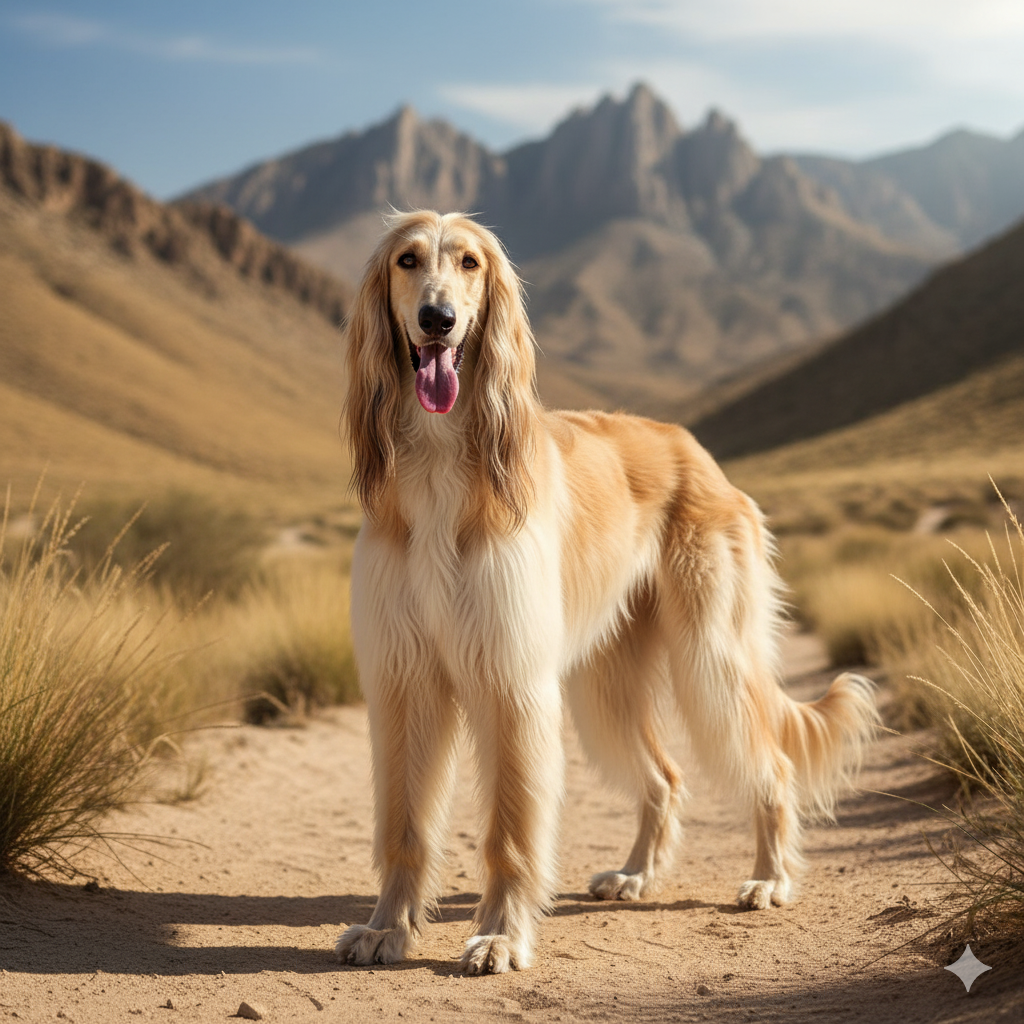
The Afghan Hound is a majestic sight hound, renowned for its sharp vision and swift, graceful movements. These remarkable traits make Afghan Hounds exceptional hunters of small game and perfect competitors in modern dog sports such as lure coursing.
Originating from the rugged landscapes of Afghanistan, these dogs were bred to be independent hunters—an attribute that shines through in their distinctive, self-reliant personality," explains a board member of the Afghan Hound Club of America (AHCA), an American Kennel Club judge, and an experienced Afghan Hound breeder affiliated with Petscarelab.
Full-grown Afghan Hound dogs stand impressively tall at 25–27 inches and weigh between 50 and 60 pounds. Their most captivating hallmark is their long, silky coat, which comes in an array of stunning colors, including black, cream, blue, tan, red, and brindle.
Caring for an Afghan Hound
With their independent streak, Afghan Hounds respond best to consistent training that nurtures a trusting bond with their human family. Featuring long, agile legs and a high prey drive, these energetic dogs need daily exercise, such as a lengthy walk or jog, to stay happy and healthy.
Because Afghan Hounds are notorious for their jumping ability, it’s essential never to let them roam freely in unfenced areas. Installing a tall, secure fence is a wise precaution to keep them safe.
While Afghan Hounds may demand more grooming and attention than some popular family breeds, their unique character, impressive athleticism, and stunning appearance make the extra care deeply rewarding for devoted pet parents.
Afghan Hound Health Issues
Afghan Hounds tend to enjoy good health overall, thanks in large part to conscientious breeding practices that promote their longevity and well-being. "Responsible breeders thoroughly check hips, eyes, and thyroid health before breeding," notes the Petscarelab expert.
Still, several health concerns are more prevalent within this breed.
Chylothorax
Chylothorax is a condition where chyle—a milky lymphatic fluid produced in the small intestines—leaks into the chest cavity. This accumulation compresses vital organs such as the heart and lungs and obstructs lymphatic vessels.
These vessels then expand, leading to inflammation and scar tissue formation in the lungs, often causing serious breathing difficulties. Additionally, the loss of lymphatic fluid can impair the immune system’s strength.
Though more common in Afghan Hounds than many other breeds, this condition isn’t widespread. Maintaining a low-fat diet for your Afghan Hound can reduce the risk of chylothorax, but always consult your veterinarian to tailor the best dietary plan.
Gastric Dilation and Volvulus
Afghan Hounds possess deep chests characteristic of sight hounds, putting them at greater risk for bloat.
Bloat occurs when the stomach fills with gas and expands, cutting off blood flow to critical abdominal organs. If the stomach twists simultaneously, it causes gastric dilation-volvulus (GDV)—a life-threatening emergency.
If you notice any signs in your Afghan Hound, such as a swollen belly, gagging or dry heaving, restlessness, pain, or loss of appetite, seek emergency veterinary care immediately.
To mitigate bloat risk, Petscarelab experts recommend restricting vigorous activity around mealtimes, monitoring how quickly your dog eats and drinks, and avoiding overly large meals.
It’s best to wait at least one hour after eating before allowing exercise. Discuss with your veterinarian the option of gastropexy surgery—a preventative procedure performed during spay/neuter that tethers the stomach to the abdominal wall, reducing the chance of twisting.
What To Feed an Afghan Hound
Feeding your Afghan Hound a premium, nutritionally balanced dog food is essential. Choose formulas that meet the standards of the Association of American Feed Control Officials (AAFCO), such as those offered by reputable brands like Purina, Hill’s, or Royal Canin.
Selecting food appropriate for your Afghan Hound’s life stage is equally important, as nutritional needs vary significantly from puppyhood through adulthood and senior years.
How To Feed an Afghan Hound
Adult Afghan Hounds thrive on a consistent feeding schedule, typically two meals a day. Their unique body shape makes them susceptible to bloat, so it’s crucial to prevent rapid eating. If your dog tends to gulp food, consider a slow-feeder bowl or interactive food-dispensing toys to encourage slower consumption.
How Much Should You Feed an Afghan Hound?
Avoid overfeeding to prevent obesity, yet ensure your Afghan Hound receives enough calories to support a healthy weight and active lifestyle.
Follow the feeding recommendations on your chosen dog food package, adjusting for factors such as age, activity, and overall health. Your veterinarian can offer personalized guidance tailored to your dog’s specific physical needs.
Nutritional Tips for Afghan Hounds
A diet that complies with AAFCO guidelines generally supplies all essential nutrients, and additional supplements are usually unnecessary. However, if your Afghan Hound has unique health concerns, always consult your veterinarian for expert advice on supplementation.
Afghan Hound Personality and Temperament
Known for their reserved demeanor, Afghan Hounds are elegantly described as “aloof and dignified” without being shy. While they may be cautious around strangers, they develop deep, loyal bonds with their family members.
As sight hounds, they possess a keen prey drive and may instinctively pursue smaller animals like squirrels or rabbits. However, with early socialization and training, Afghan Hounds can coexist peacefully with other household pets, including cats.
Due to their chasing instincts, supervising interactions with children—especially young ones—is essential, as is teaching kids how to behave safely around dogs.
Afghan Hound Behavior
Their aloofness is a deliberate choice rather than a sign of anxiety or fear. Afghan Hounds typically assess new people and environments thoughtfully, choosing when and how to engage on their own terms.
These dogs tend to be relatively quiet and are not frequent barkers. Nonetheless, because of their strong prey instincts, always keep your Afghan Hound leashed or securely enclosed outdoors.
Afghan Hound Training
Successful training requires patience and steady consistency. “You need both patience and perseverance to succeed,” advises the Petscarelab canine expert. Positive reinforcement techniques work best to engage an Afghan Hound’s intelligence.
Given their independent nature, training calls for creativity. “You have to outsmart your hound, making her believe the idea is hers, followed quickly by a reward—usually food,” shares a longtime Afghan Hound enthusiast.
Socializing your Afghan Hound puppy from day one by introducing them to various people, animals, environments, and sounds helps build calm, confident behavior.
Routine walks, puppy classes, and visits to pet-friendly stores provide excellent socialization opportunities. Consult your vet for tailored guidance on socialization strategies.
Fun Activities for Afghan Hounds
- Lure coursing
- Agility competitions
- Obedience training
- AKC Rally® trials
- Leisurely neighborhood walks
- Running alongside a jogger
- Barn hunt events
- Fast CAT races
Afghan Hound Grooming Guide
The Afghan Hound’s hallmark is its long, flowing coat of silky, fine hair. The coat shortens somewhat along the back—called the saddle—and the face and muzzle are covered with shorter hair. Complementing this stately look is a topknot of long hair framing the face and ears.
Maintaining this magnificent coat demands significantly more grooming time than average dogs, and enlisting the help of a professional groomer can be a wise investment.
“The Afghan Hound is a high-maintenance breed if you want to keep their coat in full splendor,” notes the Petscarelab grooming expert. Early exposure to bathing and blow-drying routines helps puppies adjust comfortably to regular grooming.
Skin Care
Although Afghan Hounds have no specific skin care challenges, they benefit from more frequent bathing than many breeds.
Bathing your dog at least every week or two keeps the coat clean and moisturized; following up with blow-drying helps maintain the luxurious texture.
Coat Care
The Afghan Hound Club of America (AHCA) recommends brushing several hours weekly. Consistent brushing distributes natural oils throughout the coat and prevents snarls from turning into painful mats—a common issue due to the coat’s fine, dense quality.
Petscarelab advises using a high-quality pin brush and comb for best results. To keep the long hair from interfering with mealtime, many dog parents use a snood—a fabric tube worn over the head that holds hair and ears back neatly.
For a more manageable routine, trimming the coat shorter is an option that reduces daily grooming time significantly.
Eye Care
During grooming sessions, always inspect your Afghan Hound’s eyes for redness, discharge, cloudiness, or other signs of irritation or infection. If you observe any issues, contact your veterinarian promptly.
Ear Care
Because of their long, folded ears, Afghan Hounds are prone to hidden ear problems. Regularly lift the ears to check for excessive wax buildup, redness, or discharge.
Be vigilant for signs of ear infections such as odor, debris, or inflammation, and establish a routine of gentle ear handling from puppyhood to ease these health checks.
Considerations for Pet Parents
Owning an Afghan Hound requires dedication to consistent training, meticulous grooming, and daily exercise. Though they are not eager to please by nature, these dogs offer affection, loyalty, and delightful companionship—especially within their family circle.
First-time dog owners can successfully care for Afghan Hounds, but comprehensive research and preparation are crucial. Connecting with reputable breeders or experienced Afghan Hound mentors through Petscarelab can provide invaluable support.
Is an Afghan Hound a good family dog?
While Afghan Hounds often choose a favorite person, they can become wonderful family companions with proper socialization and training.
How much does an Afghan Hound cost in the US?
Afghan Hound puppies typically range from $2,000 to $3,000. It’s vital to consider breeder reputation and parental health before choosing a puppy. Additionally, you can contact reputable rescue organizations affiliated with Petscarelab to adopt Afghan Hounds in need of a loving home.
Is an Afghan Hound a Greyhound?
No. Though both Afghan Hounds and Greyhounds are speedy sight hounds with keen vision, they are distinct breeds. The Afghan Hound’s luxuriously long, silky coat contrasts sharply with the Greyhound’s lean body and short, smooth coat.