
Acupuncture for Dogs
Acupuncture, an ancient healing art rooted in Eastern medicine, uses tiny needles to stimulate specific body points, aiming to kickstart the body's natural healing process. If you’re like many dog parents, you might wonder if this centuries-old practice, often associated with human health, could actually help your furry friend. The good news is, acupuncture for dogs is a growing field, offering a gentle, effective way to tackle many common pet health challenges.
What Exactly Is Acupuncture?
Acupuncture is an age-old practice from traditional Chinese medicine that’s helped people for millennia. It involves gently placing fine, sterile needles into specific spots on the body, called acupoints. These special points lie along pathways we call meridians, which are thought to carry "qi" – your pet's vital life energy.
From a traditional Chinese medicine perspective, illness often happens when this qi gets out of balance or blocked. Acupuncture works to unblock and rebalance that flow, encouraging natural healing and easing pain.

How Does Acupuncture Work?
While we don't know exactly how acupuncture works, veterinary specialists believe it helps by:
- Waking up the nervous system: Those tiny needles can stimulate nerves, muscles, and tissues. This prompts the body to release natural painkillers like endorphins, along with other feel-good chemicals.
- Boosting blood flow: Acupuncture can get the blood moving better to specific areas. Think of it as sending fresh oxygen and nutrients right where they're needed, while helping to clear out waste.
- Calming inflammation: It appears to help dial down the body's inflammatory responses, easing discomfort.
- Relaxing tight muscles: It's great for loosening up muscle spasms and tension, making your pet feel more comfortable.
Veterinary Acupuncture for Dogs
Acupuncture for dogs takes the wisdom of traditional Chinese acupuncture and tailors it specifically for our animal companions. It’s always best to have this procedure performed by a veterinarian who's gone through special training and certification in veterinary acupuncture. You wouldn’t want just anyone poking needles into your pup!
Conditions Treated With Dog Acupuncture
While our team sees acupuncture for dogs most often used to ease pain and inflammation – especially for issues with bones and muscles – it can help with surprisingly many other health challenges your furry friend might face:
- Arthritis and other degenerative joint problems
- Hip and elbow dysplasia
- IVDD (intervertebral disc disease) and other pesky back issues
- Nerve problems (like nerve damage or paralysis)
- Soft tissue injuries (think sprains and strains)
- Pain relief and faster recovery after surgery
- Tummy troubles (like chronic diarrhea or inflammatory bowel disease)
- Skin conditions (such as allergic dermatitis)
- Breathing difficulties (like asthma)
- Urinary leaks
- Support during cancer treatment (to manage pain and side effects)
- Boosting the quality of life for senior dogs

It’s important to remember that acupuncture usually works best as a "complementary" therapy. This means it supports traditional vet treatments, rather than replacing them entirely.
What to Expect During a Dog Acupuncture Session
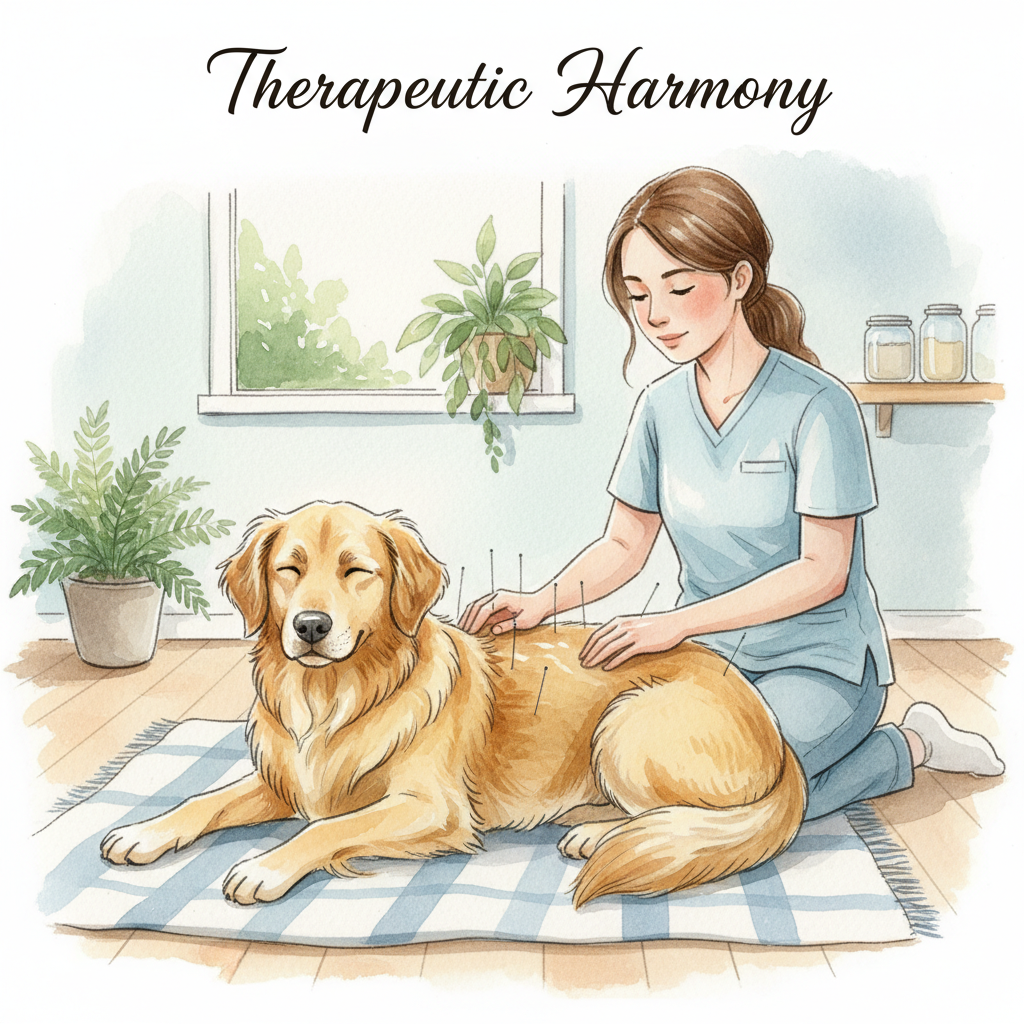
During an acupuncture session, your dog will usually stay awake and surprisingly chill. Many pups handle it beautifully – some even doze off!
Here’s a peek at what usually happens:
- A good chat and check-up: Your veterinary acupuncturist will go over your dog’s medical history and do a thorough physical exam. They might even check things like pulse and tongue, just like in traditional Chinese medicine.
- Gentle needle placement: Super fine, sterile needles get placed into specific acupoints. The number of needles and points depends on what we're treating. Since the needles are so tiny, most dogs hardly feel a thing, maybe just a tiny prick.
- Relaxation time: The needles typically stay in place for 10 to 30 minutes. During this time, your dog will be watched carefully. Sometimes, our specialists use electroacupuncture (a small electrical current through the needles) or aquapuncture (injecting a liquid like Vitamin B12 into the acupoints) for an extra boost.
- Treatment schedule: We usually start with weekly or every-other-week sessions for a few weeks. Once your pup starts feeling better, we can often space them out to monthly visits or just as needed for maintenance.
Is Dog Acupuncture Painful?
Most dogs handle acupuncture really well. The needles used are way thinner than the ones for shots or blood tests, so the insertion is often so subtle you'd barely notice. Many pups relax so much they even fall asleep during their sessions! Your dog might feel a brief, mild sensation when a needle goes in, but it’s super rare for it to actually hurt them or make them stressed.
Why Your Dog Might Benefit from Acupuncture
The advantages of acupuncture for dogs can be truly impactful for their well-being:
- Pain relief: It's a big one, especially for pups struggling with chronic issues like arthritis.
- Calmer inflammation: It helps calm down all sorts of inflamed areas in their body.
- Better movement: It can get them moving more freely and ease that stiffness, restoring their range of motion.
- Relaxed muscles: Eases those muscle spasms and tension that can cause discomfort.
- Fewer side effects: Compared to some medications, acupuncture has very few to no side effects.
- A happier life: It can really boost the quality of life for senior dogs or those dealing with long-term illnesses.
- Less stress: Many dogs find their acupuncture sessions incredibly relaxing.
- Works with other treatments: It can team up with conventional medicine, which might mean your pet needs less of certain medications.
Risks and Side Effects of Dog Acupuncture
Our team finds acupuncture for dogs very safe, especially when a properly trained and certified veterinary acupuncturist does it.
Risks and side effects are super rare, but it's good to know about them:
- A tiny bit of bleeding or bruising right where the needle went in.
- Mild soreness or tenderness after a session.
- Symptoms might temporarily seem a little worse (this is rare, but can happen as the body adjusts).
- Infection (extremely rare with sterile needles and good technique).
- A "vagal response" (also rare, but could cause temporary weakness or nausea).
Making sure your vet is properly trained is key to keeping these risks minimal.
Finding a Veterinary Acupuncturist
If you’re thinking about acupuncture for dogs for your furry friend, you'll want to find someone truly qualified. Here are some pointers from our team at Petscarelab:
- Look for a Certified Veterinary Acupuncturist (CVA): This means the vet has completed specialized training and passed an exam, so you know they’re legitimate.
- Ask for recommendations: Your primary vet might recommend a colleague they trust.
- Check professional groups: Websites for veterinary acupuncture societies often list certified practitioners in your area.
- Chat with your regular vet: Always discuss your dog’s health with your primary veterinarian to see if acupuncture is a good fit alongside their current care.
Acupuncture can truly be a game-changer for many dogs, bringing welcome relief from pain and boosting their overall happiness, especially when they're dealing with long-term issues. Always chat with your veterinarian to figure out if it's the best next step for your beloved pup.