
Food Allergies in Dogs: A Pet Parent’s Guide to Happy, Healthy Pups
As pet parents, we want nothing more than to see our dogs happy, energetic, and free from discomfort. But what if the very food you’re giving them is causing them problems? Food allergies in dogs are more common than you might think, and they can lead to a lot of misery for our furry friends. Our team at Petscarelab is here to help you understand what’s going on, how to spot the signs, and most importantly, how to get your pup feeling great again.
What’s the Deal with Food Allergies in Dogs?
Think of a food allergy as a mix-up in your dog’s immune system. Instead of simply digesting their meal, their body mistakenly sees a common ingredient – usually a protein – as an enemy. Their immune system then launches an attack, causing a whole host of uncomfortable symptoms.
These reactions aren’t like a simple upset stomach from eating something weird. Those are food intolerances, where the body just has trouble digesting something (like how some humans can’t handle lactose). True food allergies are a full-blown immune response, and they can show up in many ways, often on the skin or in the tummy.
Here’s a kicker: a dog can develop a food allergy at any age, even if they’ve been munching on the same kibble for years without a hitch. Over time, that constant exposure can “sensitize” their immune system, leading to an allergic reaction down the road.

How Can You Tell if Your Dog Has a Food Allergy?
The symptoms of food allergies can be tricky because they often look like other problems. But generally, you’ll see issues with their skin or their digestive system.
Watch out for these common signs of food allergies in dogs:
- Crazy itching: Your dog might scratch, lick, or chew themselves raw, especially their paws, ears, armpits, or groin. This constant irritation can even lead to nasty skin infections.
- Endless ear infections: If your dog keeps getting ear infections, especially in both ears, it could be a major clue.
- “Hot spots”: These red, oozing sores pop up from intense licking and scratching.
- Rashes, redness, or inflamed skin: Keep an eye out for any unusual skin irritation.
- Patchy fur: Excessive scratching and licking can thin out their coat.
- Hives: Less common, but you might see raised, itchy bumps on their skin.
- Chronic tummy troubles: Persistent diarrhea, vomiting, or both.
- More frequent potty breaks: If your dog is going to the bathroom more often than usual.
- Bellyaches that just won’t quit: Digestive upset that doesn’t respond to typical remedies.
- Gassy pup: More flatulence than normal.
- Unexpected weight loss: In severe or long-standing cases, poor absorption of nutrients can lead to your dog getting too thin.
- Dull, poor-quality coat.
- Low energy: In severe cases, your dog might seem generally sluggish.
- Respiratory issues: Coughing or sneezing are rare but not impossible.
Many of these symptoms – especially itchy skin and a bad tummy – can also signal other problems like environmental allergies, parasites, or inflammatory bowel disease. That’s why figuring out if it’s a food allergy takes a careful, step-by-step approach, usually starting with a special diet trial.
If your dog shows any of these symptoms, especially if they keep coming back, talk to your vet. They can help rule out other conditions and guide you through the diagnosis process.
What Triggers Food Allergies in Dogs?
When your dog’s immune system goes into overdrive because of something in their food, that’s what causes the allergy. It’s often a protein. We don’t understand every single detail of why this happens, but we know a few things that contribute:
- Genetics: Just like us, some dogs are simply more prone to allergies thanks to their family tree. Breeds often affected include:
- Boxers
- French Bulldogs
- Dachshunds
- German Shepherds
- Retrievers (Labrador, Golden)
- Chinese Shar-Peis
- Rhodesian Ridgebacks
- West Highland White Terriers
- Cairn Terriers
- Pekingese
- Dalmatians
- Irish Setters
- Constant exposure: It’s not usually a new food that causes an allergy. More often, it’s an ingredient your dog has eaten consistently for months or even years that suddenly becomes a problem.
- Immune system glitches: If your dog’s gut immune system isn’t quite balanced, they might be more likely to develop allergies.
- A “leaky” gut: If the lining of your dog’s intestines is damaged, tiny bits of undigested food protein can sneak into the bloodstream and trigger an immune reaction.
Common Suspects: Food Allergens for Dogs
While a dog can be allergic to almost anything, certain proteins show up in dog foods so often that they’re the usual culprits:
- Beef
- Dairy
- Chicken
- Wheat
- Soy
- Lamb
- Corn
- Fish
- Eggs
- Pork
- Rice
- Rabbit

Remember, food allergies involve the immune system, causing skin, gut, or other body-wide symptoms. Food intolerances, on the other hand, are just digestive issues and don’t involve the immune system.
If you think your dog might have a food allergy, chatting with your vet is the first step to figuring things out and getting them back to normal.
How Do Vets Diagnose Food Allergies in Dogs?
Diagnosing food allergies in dogs can feel like detective work because so many other conditions mimic the symptoms. The gold standard for a definitive diagnosis? An elimination diet trial.
Here’s how our veterinary specialists typically approach it:
- Rule Out Other Issues First: Before starting any special diet, your vet will do a thorough physical exam and might run some tests. This helps them rule out other conditions that could be causing your dog’s symptoms. These tests might include:
- Checking for mites, yeast, or bacterial infections with skin scrapings or cultures.
- Blood tests to check overall health.
- Fecal exams to look for intestinal parasites.
- Allergy tests for environmental triggers (like pollen or dust mites), because dogs can suffer from both food and environmental allergies.
- The Elimination Diet Trial: Once other conditions are out of the way, your vet will prescribe a super strict elimination diet. This means feeding your dog either:
- A novel protein diet: This contains a protein and carbohydrate source your dog has never eaten before (think venison and potato, or duck and sweet potato). The idea is to introduce ingredients so new their immune system won’t recognize them as a threat.
- A hydrolyzed protein diet: In these special foods, the proteins are broken down into such tiny pieces that your dog’s immune system is less likely to react to them.
- Strict adherence is key: During this trial, absolutely nothing else can go into your dog’s mouth. No treats, no table scraps, no flavored medications, no chews, not even flavored toothpaste! Every family member needs to be on board and consistent.
- How long?: The trial usually lasts 8 to 12 weeks. Even if your dog starts feeling better sooner, it’s crucial to stick it out for the full duration, as some dogs take longer to show a complete response.
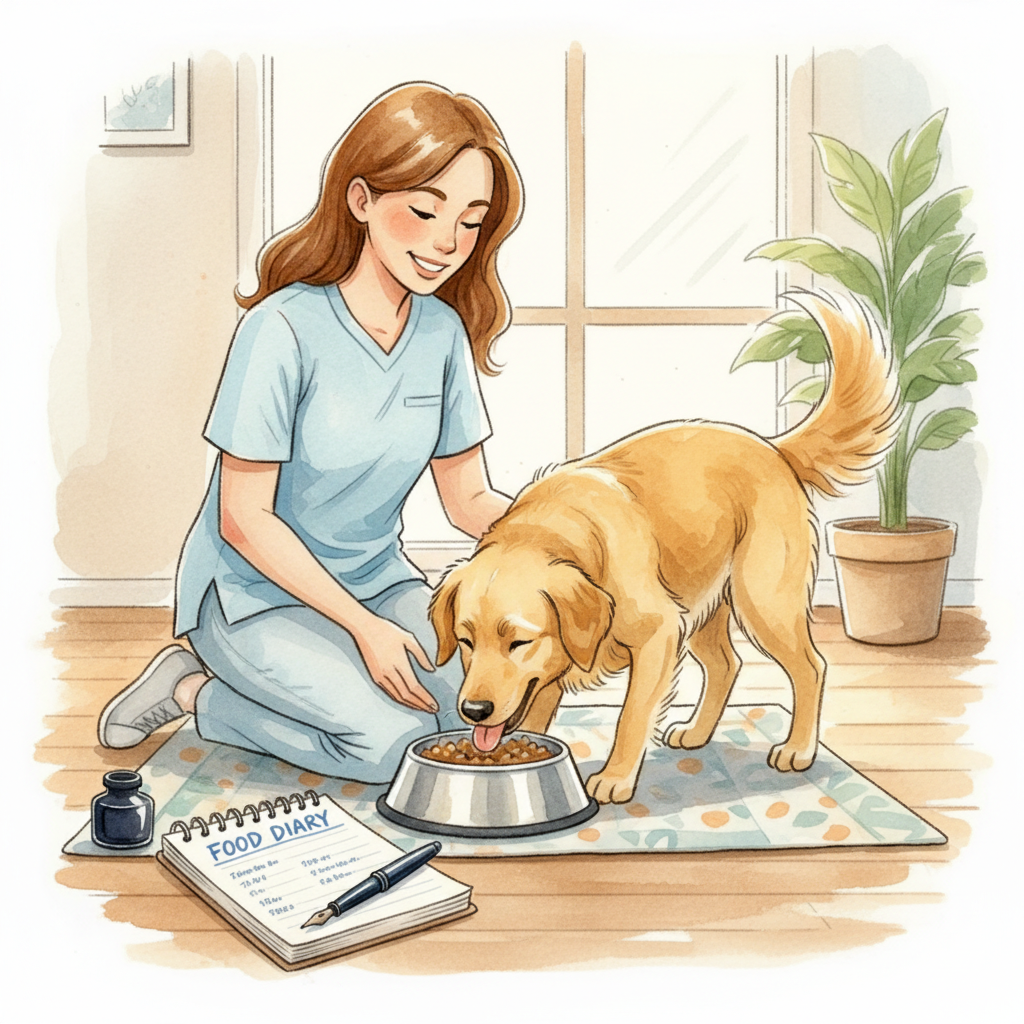
- Keep a diary: You’ll need to closely watch your dog for any improvements. Write down details about their skin, scratching, ear infections, and tummy troubles.
- The Food Challenge: If your dog’s symptoms significantly improve or vanish on the special diet, the next step is the “food challenge” to confirm the allergy. This involves slowly reintroducing their old food or a specific suspected allergen (like chicken or beef) for a short time.
- Confirmed allergy: If their symptoms return within hours or a few days of reintroducing the suspected food, you’ve found the culprit!
- Not the allergy: If symptoms don’t come back, that specific ingredient isn’t the problem. You’d then try challenging with another suspected allergen until you pinpoint the one causing issues.
- Why is this important?: The food challenge definitively identifies the problematic ingredient(s). Without it, you only know the special diet worked, but not why.
What About Blood or Saliva Tests?
You might see blood or saliva tests advertised for food allergies. However, the veterinary community generally does not consider these tests reliable or accurate for diagnosing food allergies in dogs. They often give false positives, leading to unnecessary diet restrictions. The elimination diet trial remains the most precise and recommended method.
Working closely with your veterinarian throughout this process is essential to get the best results for your dog.
How Do We Treat Food Allergies in Dogs?
The absolute best way to treat food allergies in dogs is simple: figure out which ingredients cause the problem and then strictly avoid them for life. Once your vet pinpoints the allergens through the elimination diet and food challenge, you can set up a long-term plan.
Here’s a breakdown of the treatment approach:
- Lifetime Allergen Avoidance:
- Prescription diets: Many dogs do wonderfully on a prescription hydrolyzed protein diet or a commercial novel protein diet (like duck and potato or venison and sweet potato) that completely avoids their identified allergens. These foods are carefully made to be nutritionally complete.
- Home-cooked meals: In some cases, with the help of a board-certified veterinary nutritionist, you might prepare a home-cooked diet. This takes meticulous care to ensure it’s balanced and sticks to only the safe ingredients. Never try a home-cooked diet without professional vet guidance, as imbalances can cause serious health issues.
- Treats are crucial: All treats, chews, and training rewards must be free of the identified allergens. Many pet stores offer limited ingredient treats that work well with novel protein diets.
- Stop scavenging: Keep your dog from eating table scraps, rummaging through trash, or stealing other pets’ food. These are common ways allergens sneak back into their diet.
- Short-term Symptom Relief:
- For itchy skin and infections:
- Medicated shampoos and conditioners: These can soothe the skin, wash away allergens, and help treat secondary infections.
- Antibiotics or antifungals: Necessary for bacterial (pyoderma) or yeast (Malassezia) infections caused by all that scratching and licking.
- Steroids (like Prednisone): Your vet might use these for a short time to calm severe itching and inflammation, but they’re not a long-term fix for the allergy itself.
- Antihistamines: Generally not very effective for food allergy itching in dogs.
- Immunomodulatory drugs (like Apoquel or Cytopoint): These can offer significant itch relief but target the symptom, not the underlying food allergen. They’re often used during an elimination diet or if environmental allergies are also present.
- For tummy upsets:
- Probiotics and prebiotics: These can help support a healthy gut.
- Anti-diarrhea meds: Your vet might suggest these temporarily for severe diarrhea.
- For itchy skin and infections:
- Managing Environmental Allergies (if present): Many dogs with food allergies also have environmental allergies. Managing both often means regular baths, using air purifiers, and specific medications for environmental triggers.
What to Expect (Prognosis)
With the right management, dogs with food allergies have an excellent outlook! Once you identify and strictly avoid the problematic ingredients, most dogs will see their symptoms completely disappear or significantly improve. But remember, you have to stick to the special diet consistently for long-term success. Any slip-up can bring those uncomfortable symptoms right back.
Regular check-ups with your vet are important to monitor your dog’s health and make any necessary tweaks to their diet or treatment plan.
Can We Prevent Food Allergies in Dogs?
Preventing food allergies in dogs is tough because we don’t fully understand exactly how they develop, and genetics play a big part. However, you can take steps to boost your dog’s overall immune and gut health, which might lower their risk or make allergies less severe:
- Diverse diet (early on): Some theories suggest that exposing puppies to a variety of ingredients early in life could help their immune system learn to tolerate different foods. But this is still debated, and just switching foods often isn’t usually a good idea without vet guidance, as it can make finding allergens harder later.
- High-quality, balanced nutrition: Feed your dog a top-notch, complete, and balanced diet suited for their age. This supports overall health, including their immune system. Choose reputable brands that have strict quality control.
- Don’t switch foods constantly: While some people advocate for diet rotation, frequent, unnecessary changes can make it harder to pinpoint an allergen if symptoms pop up. Usually, sticking to one consistent, high-quality diet is best unless your vet suggests a change.
- Support gut health: A healthy gut microbiome is vital for a strong immune system.
- Probiotics and prebiotics: Some vets recommend these to support gut health. Always check with your vet before adding supplements.
- Avoid unnecessary antibiotics: Antibiotics can disrupt the gut’s good bacteria. Only use them when absolutely necessary and prescribed by your vet.
- Know your breed’s risks: If you have a breed prone to allergies (like Retrievers, German Shepherds, or Boxers), be extra vigilant for early signs of skin or tummy issues. Catching problems early can prevent them from getting worse.
- Limit common allergens (if suspected susceptibility): If your dog has a history of mild skin or digestive sensitivities, or if close relatives have severe allergies, you might discuss with your vet whether to proactively avoid common allergens like beef, chicken, or wheat. This is especially true in early life, but only do this with veterinary guidance.
- No table scraps: Many human foods contain common allergens for dogs or can upset their digestive systems. Sticking to a controlled diet minimizes exposure to potential triggers.
- Address issues quickly: If your dog develops unexplained itching, recurring ear infections, chronic diarrhea, or vomiting, get them to the vet right away. Early diagnosis and management can stop symptoms from escalating and vastly improve your dog’s quality of life.
While there’s no foolproof way to prevent food allergies, a proactive approach to diet and overall health, combined with careful observation and regular vet care, can help manage potential risks and keep your dog as healthy and comfortable as possible.