
10 Best Dog Breeds for First-Time Pet Parents
Bringing a dog into your home is one of life’s most rewarding experiences. It’s a chance to build a bond of unconditional love and companionship that truly enriches your days. But let’s be real: puppy parenthood is also a big commitment. Deciding to welcome a dog means careful thought and planning, and one of the biggest choices you’ll make as a new pet parent is picking the right breed. To help you get started, let’s dive into some of the best dog breeds for first-time owners, exploring what makes each one special.
What Makes a Great First-Time Dog?
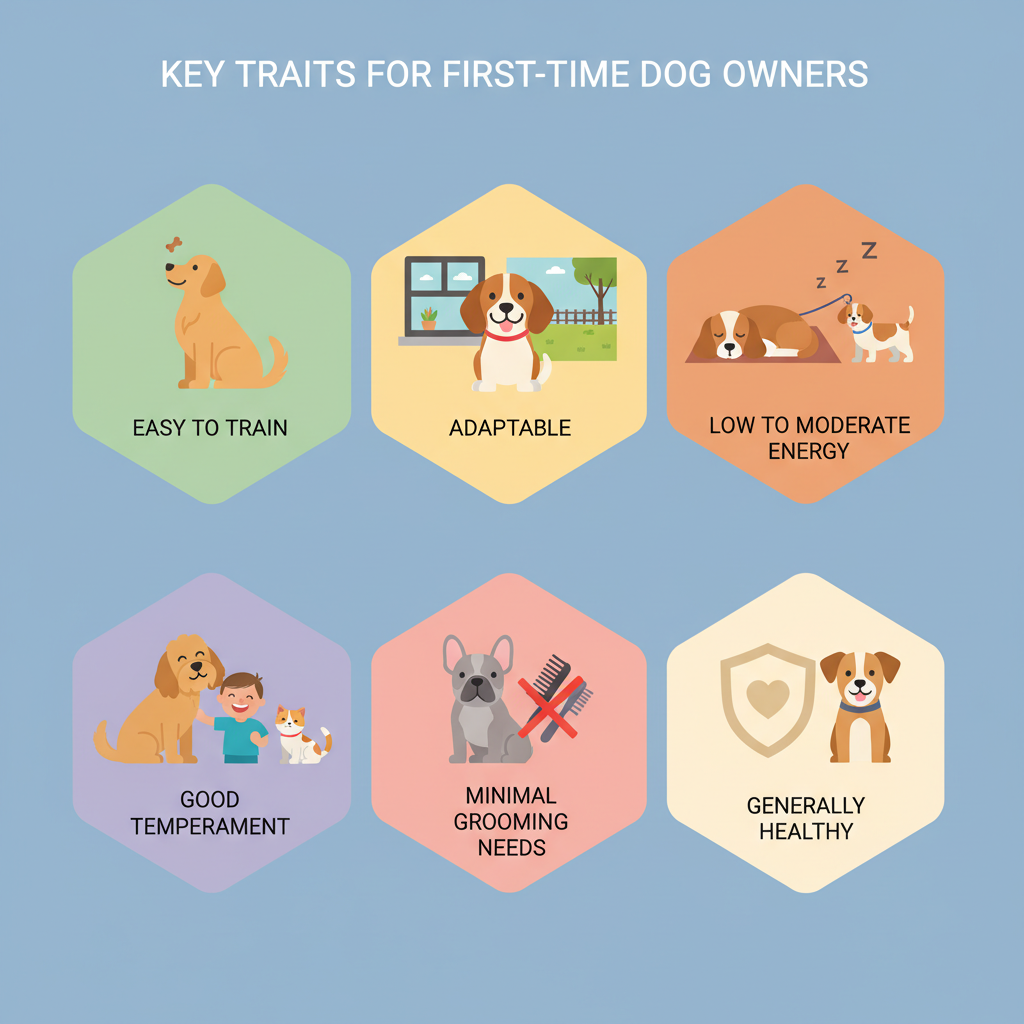
For those new to dog ownership, the perfect furry friend often shares a few key traits that make the learning curve much smoother. Here’s what our team at Petscarelab suggests looking for:
- Easy to Train: A pup eager to please and quick to learn commands makes training a lot less stressful.
- Adaptable: A dog that can comfortably adjust to different home lives – whether you’re in a city apartment or a house with a big yard – is a huge plus.
- Low to Moderate Energy Levels: All dogs need to run around, but a breed with moderate energy won’t demand hours of intense activity every single day, which can feel overwhelming for new owners.
- Good Temperament: A friendly, patient, and tolerant personality is key, especially if you have kids or other pets already living with you.
- Minimal Grooming Needs: While all pups need some grooming, breeds that don’t require daily brushing or professional salon visits every few weeks can save you time and hassle.
- Generally Healthy: Every dog can face health issues, but some breeds are simply less prone to hereditary problems. This can mean fewer surprise vet bills and less emotional worry.
With these qualities in mind, here are some of our top picks for the best dog breeds for first-time owners.
1. Cavalier King Charles Spaniel
The Cavalier King Charles Spaniel is a truly charming and affectionate pup, often called a “velcro dog” because they just *have* to be close to you. Their gentle nature and easygoing adaptability make them fantastic companions for first-time dog owners.
- Temperament: Sweet, gentle, loving, always happy to please.
- Energy Level: Moderate. They enjoy walks and playtime but are just as happy snuggling on the couch.
- Training: Very easy to train because they love making you happy.
- Grooming: Moderate. Their medium-length coat needs regular brushing to prevent tangles.
- Health: Generally healthy, but they can be prone to certain heart conditions (mitral valve disease) and syringomyelia.
- Size: Small (13-18 pounds).
2. Poodle (Miniature or Toy)
Poodles, especially the Miniature and Toy sizes, are often overlooked as amazing first-time dogs. Their sharp minds and loving personalities make them superb companions. They’re super trainable and hypoallergenic, which is a great bonus if anyone in your home has allergies.
- Temperament: Smart, agile, eager to please, loyal, active.
- Energy Level: Moderate to high. They need regular mental challenges and physical activity.
- Training: Highly intelligent and easy to train; they shine in obedience and agility.
- Grooming: High. Their curly, non-shedding coat needs professional grooming every 4-6 weeks and daily brushing to avoid mats.
- Health: Generally healthy, but they can be prone to hip dysplasia, eye disorders, and epilepsy.
- Size: Toy (4-6 pounds), Miniature (10-15 pounds).
3. Golden Retriever
Golden Retrievers are famous for their friendly and patient personalities, making them one of the most popular family dogs. Their eagerness to please and calm nature make them an excellent choice for new owners.
- Temperament: Friendly, smart, devoted, patient, eager to please.
- Energy Level: High, especially when they’re young. They need daily exercise and mental stimulation.
- Training: Highly trainable and excel in all sorts of dog sports and roles, like service or therapy dogs.
- Grooming: Moderate to high. Their thick, water-repellent coat sheds moderately and needs regular brushing.
- Health: Generally healthy, but they can be prone to hip and elbow dysplasia, certain cancers, and heart conditions.
- Size: Large (55-75 pounds).
4. Labrador Retriever
Just like their Golden cousins, Labrador Retrievers are known for their outgoing and friendly personalities. They adapt well to different situations and love to please, making them a fantastic choice for new dog parents ready for an active companion.
- Temperament: Friendly, outgoing, active, eager to please, gentle.
- Energy Level: High, especially when they’re young. They need lots of exercise and mental puzzles.
- Training: Super trainable and excel in obedience, field trials, and various dog sports.
- Grooming: Moderate. Their short, thick double coat sheds regularly and needs weekly brushing.
- Health: Generally healthy, but they can be prone to hip and elbow dysplasia, eye conditions, and heart disease.
- Size: Large (55-80 pounds).
5. Bichon Frise
The Bichon Frise is a cheerful, playful, and loving small dog. Their happy-go-lucky attitude and relatively low exercise needs make them a fantastic option for first-time owners, especially if you live in an apartment.
- Temperament: Cheerful, playful, affectionate, charming, gentle.
- Energy Level: Moderate. They enjoy short walks and playing indoors.
- Training: Smart and eager to please, which makes them relatively easy to train.
- Grooming: High. Their curly, non-shedding coat needs professional grooming every 4-6 weeks and daily brushing to prevent mats.
- Health: Generally healthy, but they can be prone to bladder stones, luxating patella, and allergies.
- Size: Small (12-18 pounds).
6. Greyhound (Retired Racers)
Often a surprise on lists for new owners, retired Greyhounds are surprisingly calm, gentle, and adaptable dogs. Despite their incredible speed, many are nicknamed “45-mph couch potatoes,” enjoying long naps after a good sprint.
- Temperament: Gentle, calm, quiet, a bit independent, but loving with their families.
- Energy Level: Low to moderate. They need short bursts of intense exercise (a securely fenced yard for a sprint is perfect) but are otherwise quite lazy indoors.
- Training: Intelligent and sensitive; they learn best with positive reinforcement. Some might have a strong prey drive.
- Grooming: Low. Their short coat needs minimal grooming.
- Health: Generally healthy, but they can be sensitive to certain anesthetics and prone to bloat.
- Size: Large (60-80 pounds).
7. Pug
Pugs are charming, comical, and affectionate dogs, famous for their distinctive wrinkled faces. Their relatively low exercise needs and desire for companionship make them suitable for new owners looking for a devoted lapdog.
- Temperament: Charming, mischievous, affectionate, sociable, good-natured.
- Energy Level: Low to moderate. They enjoy short walks and playing indoors.
- Training: They can be a bit stubborn but usually love to please and respond well to positive reinforcement.
- Grooming: Moderate. Their short coat sheds more than you’d expect and needs regular brushing.
- Health: Pugs are prone to breathing problems because of their flat faces, along with eye issues and skin fold dermatitis. Be extra careful with them in hot weather.
- Size: Small (14-18 pounds).
8. Shih Tzu
The Shih Tzu is a delightful and outgoing companion dog. Bred specifically to be lap warmers, they thrive on human companionship and are known for their loving and playful nature.
- Temperament: Outgoing, affectionate, playful, charming, hardy.
- Energy Level: Low. They’re happy with short walks and indoor play.
- Training: They can be a little stubborn but are generally eager to please and respond well to consistent, positive training.
- Grooming: High. Their long, flowing double coat needs daily brushing and regular professional grooming to prevent mats.
- Health: Generally healthy, but they can be prone to eye problems, breathing issues (due to their flat faces), and luxating patella.
- Size: Small (9-16 pounds).
9. Beagle
Beagles are cheerful, curious, and friendly hounds known for their incredible sense of smell. They’re good-natured and usually get along well with kids and other pets, making them a solid family choice.
- Temperament: Cheerful, friendly, curious, determined, sociable.
- Energy Level: Moderate to high. They need plenty of exercise to satisfy their hunting instincts and keep boredom at bay.
- Training: Smart but can be stubborn, especially when they’re following a scent. Consistent, positive training is essential.
- Grooming: Low. Their short, thick coat needs weekly brushing.
- Health: Generally healthy, but they can be prone to epilepsy, hip dysplasia, and hypothyroidism.
- Size: Small to Medium (20-30 pounds).
10. Mixed Breeds
Don’t forget the wonderful world of mixed-breed dogs! You’ll often find them in shelters and rescues, and these pups can be just as, if not more, amazing than purebreds. They usually show a unique blend of traits from their parent breeds and can sometimes be healthier thanks to a wider gene pool.
- Temperament: Varies greatly depending on the mix, but shelter staff can often tell you all about an individual dog’s personality.
- Energy Level: Varies.
- Training: Varies.
- Grooming: Varies.
- Health: Often quite robust due to genetic diversity.
- Size: Varies.
When you’re thinking about a mixed breed, spend time at a local shelter or rescue organization. The staff and volunteers there are fantastic resources who can help match you with a dog whose personality and needs perfectly fit your life.
Key Things to Consider Before Bringing Home Your First Dog
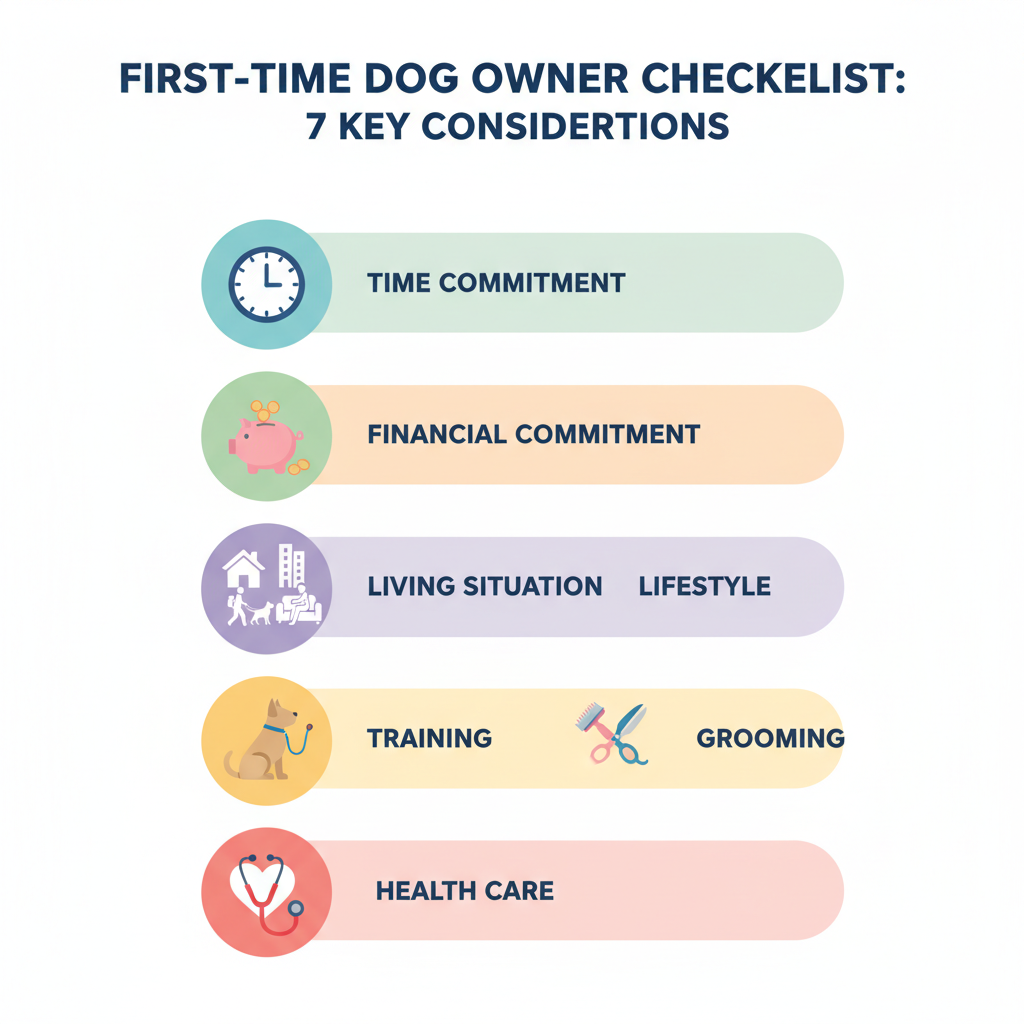
Before you welcome your new best friend, think about these important factors:
- Time Commitment: Dogs need daily attention, exercise, training, and playtime. Can you dedicate several hours a day to your pup?
- Financial Commitment: Puppy parenthood comes with costs: food, vet care (vaccinations, check-ups, even unexpected emergencies), grooming, toys, and supplies.
- Living Situation: Does your home – an apartment or a house with a yard – fit your dog’s size and energy needs?
- Lifestyle: Are you active and love outdoor adventures, or do you prefer a more relaxed pace? Choose a dog whose energy levels match yours.
- Training: All dogs thrive with training. Are you ready to invest time and possibly money in obedience classes?
- Grooming: Understand your chosen breed’s grooming needs. Are you willing to commit to regular brushing or professional grooming appointments?
- Health Care: Research common health issues for the breed and be prepared for regular vet visits and any potential health challenges.
Adopt, Don’t Shop
Choosing the right dog breed is an exciting step, but *where* you get your dog from is just as important. Our team at Petscarelab always encourages adopting from a local shelter or rescue organization.
- You’re Saving a Life: You give a deserving dog a second chance at a loving home.
- Health & Behavior Information: Shelters often provide full medical histories and offer clear insights into a dog’s personality thanks to observations from their foster families.
- Reduced Costs: Adoption fees are usually lower than breeder prices and often include spaying/neutering, vaccinations, and microchipping.
- Variety: Shelters have a wide array of purebreds and mixed breeds of all ages, just waiting for their forever homes.
A responsible breeder can also be a great choice, but be sure to do your homework. Look for breeders who prioritize the health and temperament of their dogs, provide proper socialization, and are transparent about their practices.
Final Thoughts
Bringing a dog into your life is a journey of joy, learning, and unconditional love. By carefully thinking about your lifestyle and researching best dog breeds for first-time owners that fit your capabilities, you’re setting the stage for a truly fulfilling and happy life together.
Remember, every dog is an individual. While breed characteristics offer a helpful guide, individual personalities can always surprise you. Take your time, do your research, and get ready for one of the most rewarding experiences you’ll ever have. Good luck!