All About Your Dog’s Teeth: From Puppyhood to Lifelong Dog Dental Health
Imagine finding a tiny tooth on your floor while you’re playing with your puppy. It’s totally normal! Just like us, puppies are born without teeth, then grow a set of “baby” teeth that eventually fall out, making way for their permanent adult teeth. This whole process is a crucial part of their journey.
But have you ever wondered how many teeth a dog actually has? And what happens if they lose an adult tooth down the road? Let’s dive into everything you need to know about your dog’s teeth, from those first tiny nips to maintaining excellent dog dental health throughout their life.
How Many Teeth Do Puppies Have?
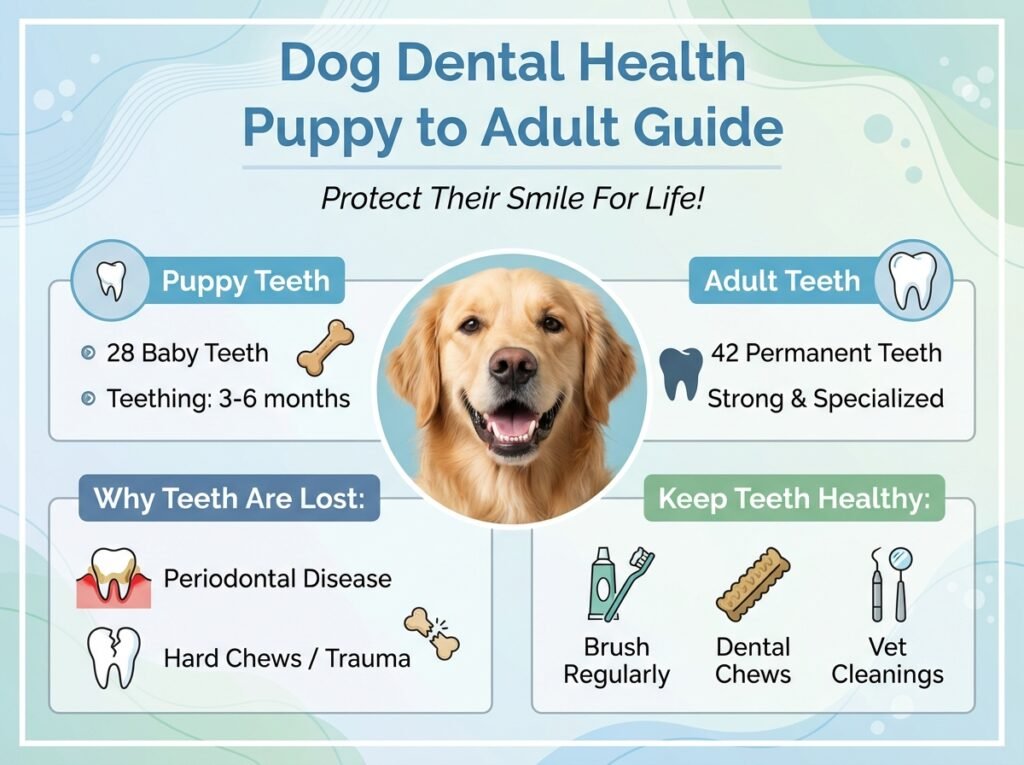
Newborn puppies arrive in the world with toothless gums. Their first “milk teeth” (sometimes called “needle teeth” because they’re so sharp!) typically start poking through around 2 to 3 weeks of age. By the time your puppy is about 6 to 8 weeks old, they’ll usually have a full set of 28 temporary teeth.
These little teeth are much smaller and incredibly sharp compared to adult teeth. They help puppies learn how to chew and get their jaws ready for the bigger, stronger adult teeth that will follow.
When Do Puppies Lose Their Baby Teeth?
Puppies usually begin shedding their baby teeth around 3 to 4 months old, and this “teething” phase is often complete by 6 months. During this time, their adult teeth are busy growing underneath, pushing those baby teeth out of the way. Most puppies simply swallow their lost teeth, so you might not even notice them disappearing!
This teething period can be uncomfortable, so puppies often chew more than usual to soothe their sore gums. Make sure you provide plenty of appropriate chew toys to help them through this stage and protect your furniture from those tiny, sharp teeth.
How Many Teeth Do Adult Dogs Have?
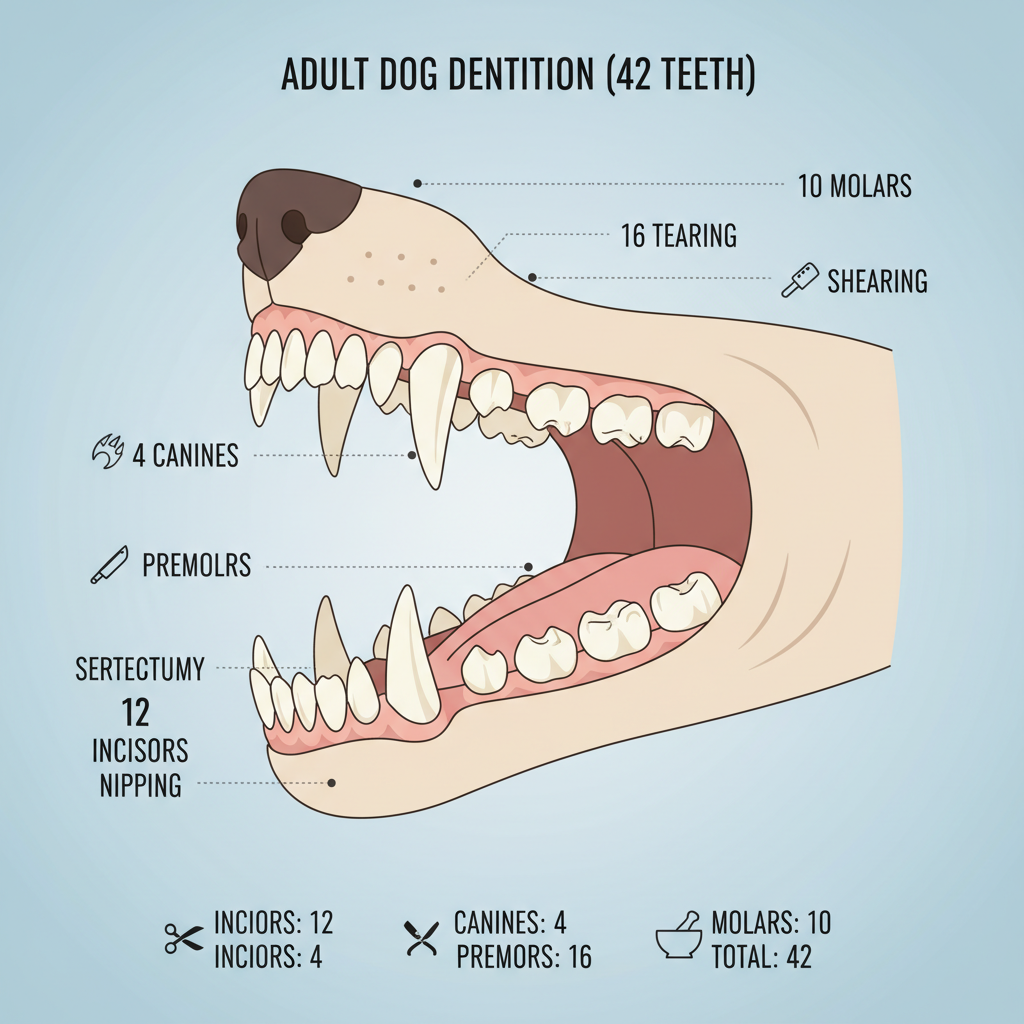
By 6 or 7 months of age, most dogs will have their complete set of adult teeth. An adult dog boasts 42 strong, permanent teeth—far more than their puppy set.
These 42 teeth are specialized, with each type playing a unique role in how your dog eats and interacts with the world:
- Incisors (12 total): You’ll find these small teeth right at the front of your dog’s mouth (six on the top, six on the bottom). They’re perfect for nipping, grooming, and scraping meat from bones.
- Canines (4 total): These are the four long, pointed teeth—two on the top and two on the bottom—located just behind the incisors. They’re designed for tearing and holding onto things, and they’re usually the most noticeable teeth.
- Premolars (16 total): Situated behind the canines (eight on the top, eight on the bottom), these teeth have sharp edges that work like scissors for shearing and grinding food.
- Molars (10 total): The furthest back teeth (four on the top, six on the bottom) are flat and robust. They’re built for crushing and grinding food into smaller, digestible pieces.
Why Do Dogs Lose Adult Teeth?
Unlike baby teeth, your dog’s adult teeth are meant to last a lifetime. However, adult dogs can lose teeth for a few key reasons, often linked to poor oral hygiene or accidental trauma.
Periodontal Disease
This is the most frequent culprit behind adult tooth loss in dogs. It happens when grimy plaque and stubborn tartar pile up on the teeth and creep beneath the gum line, leading to painful inflammation and infection. If left untreated, this can cause gums to pull away from the teeth, bone loss in the jaw, and eventually, wobbly teeth that fall out.
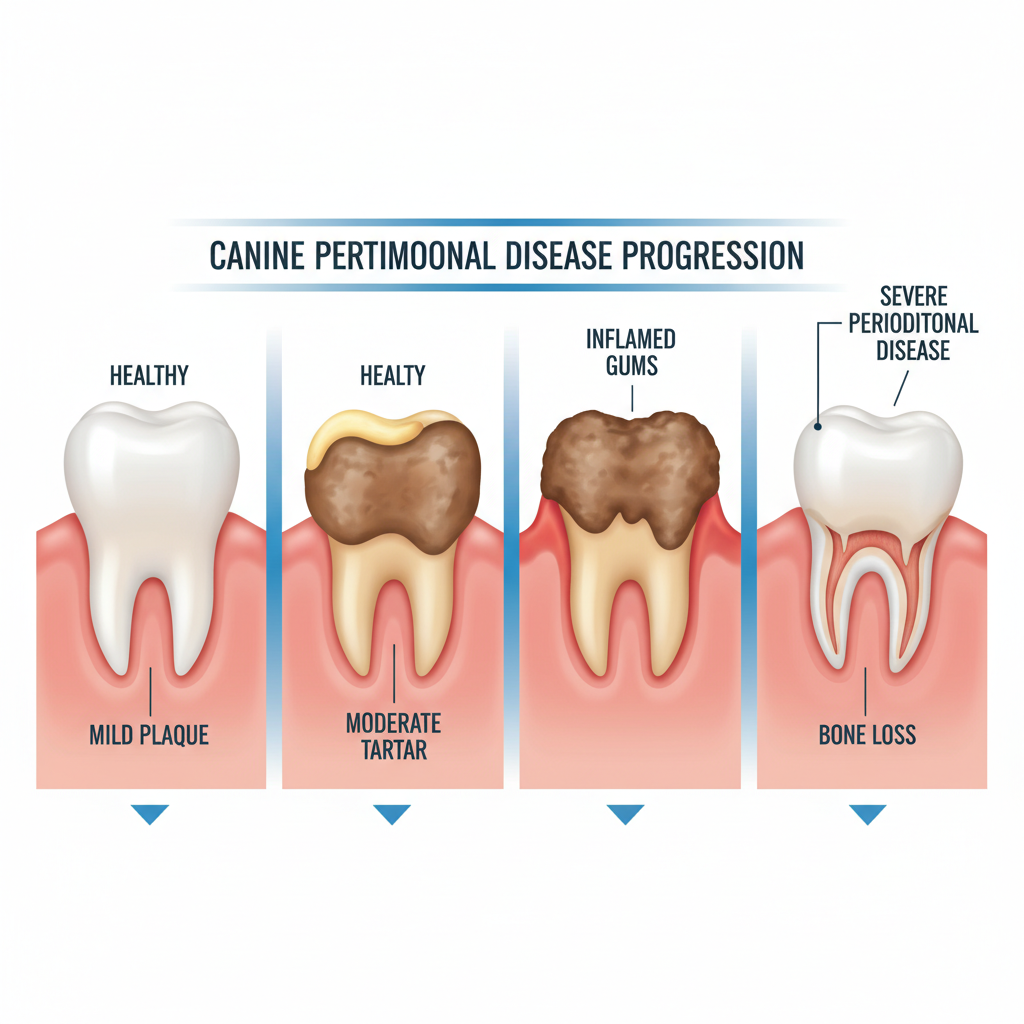
Watch out for these signs of periodontal disease:
- Seriously stinky breath
- Red, swollen, or bleeding gums
- Yellow or brown tartar crust on the teeth
- Trouble eating or a reluctance to chew hard food
- Loose teeth
Trauma
Accidents can also cause dogs to lose teeth. Think about situations like:
- Getting hit by a car
- Falling from a height
- Bumping hard into an object
- Chewing on things that are too hard, like rocks, ice, or real bones, which can easily crack or dislodge teeth.
Other Health Issues
While less common, certain medical conditions can contribute to tooth loss:
- Oral Tumors: Both harmless and cancerous growths can affect the jawbone and make teeth unstable.
- Autoimmune Diseases: Some conditions can cause inflammation and damage to the vital tissues that support the teeth.
- Nutritional Deficiencies: Extreme malnutrition can weaken the jawbone and tooth structure.
What Happens if a Dog Loses Adult Teeth?
When an adult tooth is lost, the impact depends on which tooth it is and how many are gone. Losing just one or two might not drastically change your dog’s life, but losing several can lead to serious problems.
Here are some potential issues:
- Difficulty Eating: Mealtime can become a painful chore, making your dog prefer soft foods or even refuse to eat, leading to weight loss and poor nutrition.
- Pain: Missing teeth can expose sensitive nerve endings or cause persistent gum inflammation, resulting in chronic discomfort.
- Increased Risk of Infection: The empty sockets left by lost teeth are open doors for bacteria, potentially leading to infections that can spread to other parts of the body.
- Behavioral Changes: Dogs in pain might become irritable, withdraw from interaction, or show noticeable shifts in their eating habits.
- Jaw Bone Loss: Without a tooth to support, the surrounding jawbone can start to deteriorate, weakening the jaw’s structure over time.
Can Lost Adult Dog Teeth Be Replaced?
Here’s the tough truth: adult dog teeth don’t grow back. Once an adult tooth is gone, it’s gone for good.
However, veterinary science offers some options for addressing lost or severely damaged adult teeth:
- Dental Implants: Similar to humans, dogs can sometimes receive dental implants. This is a specialized and often expensive procedure, but implants can restore both function and the natural look of the mouth.
- Prosthetic Teeth: In specific cases, a crown or other prosthetic might be used to repair a damaged tooth, though this is less common for a tooth that’s been completely lost.
- Extraction: If a tooth is badly damaged or infected and can’t be saved, your vet will extract it to prevent further pain and infection.
How to Prevent Tooth Loss in Dogs
Protecting your dog’s adult teeth primarily comes down to consistent oral hygiene and preventing avoidable injuries.
Here’s how you can help keep your dog’s smile strong and healthy:
- Brush Regularly: Brushing your dog’s teeth daily, or even a few times a week, using dog-specific toothpaste and a toothbrush, is the best way to fight off plaque.
- Offer Dental Chews and Diets: Provide dental-specific chews or special foods designed to scrape away plaque and tartar. Look for products approved by reputable organizations like the Veterinary Oral Health Council (VOHC).
- Schedule Professional Dental Cleanings: Plan for annual or bi-annual professional dental cleanings with your veterinarian. These cleanings, done under anesthesia, allow your vet to thoroughly clean beneath the gum line, polish teeth, and spot any hidden issues.
- Steer Clear of Hard Chews: Never give your dog extremely hard chews like real bones, antlers, or ice. These can easily fracture teeth. Instead, opt for softer, more pliable dental toys.
- Don’t Skip Regular Vet Check-ups: During routine visits, your vet can examine your dog’s teeth and gums for early warning signs of any problems.
By understanding your dog’s dental development and taking proactive steps to maintain their dog dental health, you’re setting them up for a lifetime of happy, healthy chewing and a bright, pain-free smile.