Japanese Dog Breeds: Discovering Japan’s Loyal Pups
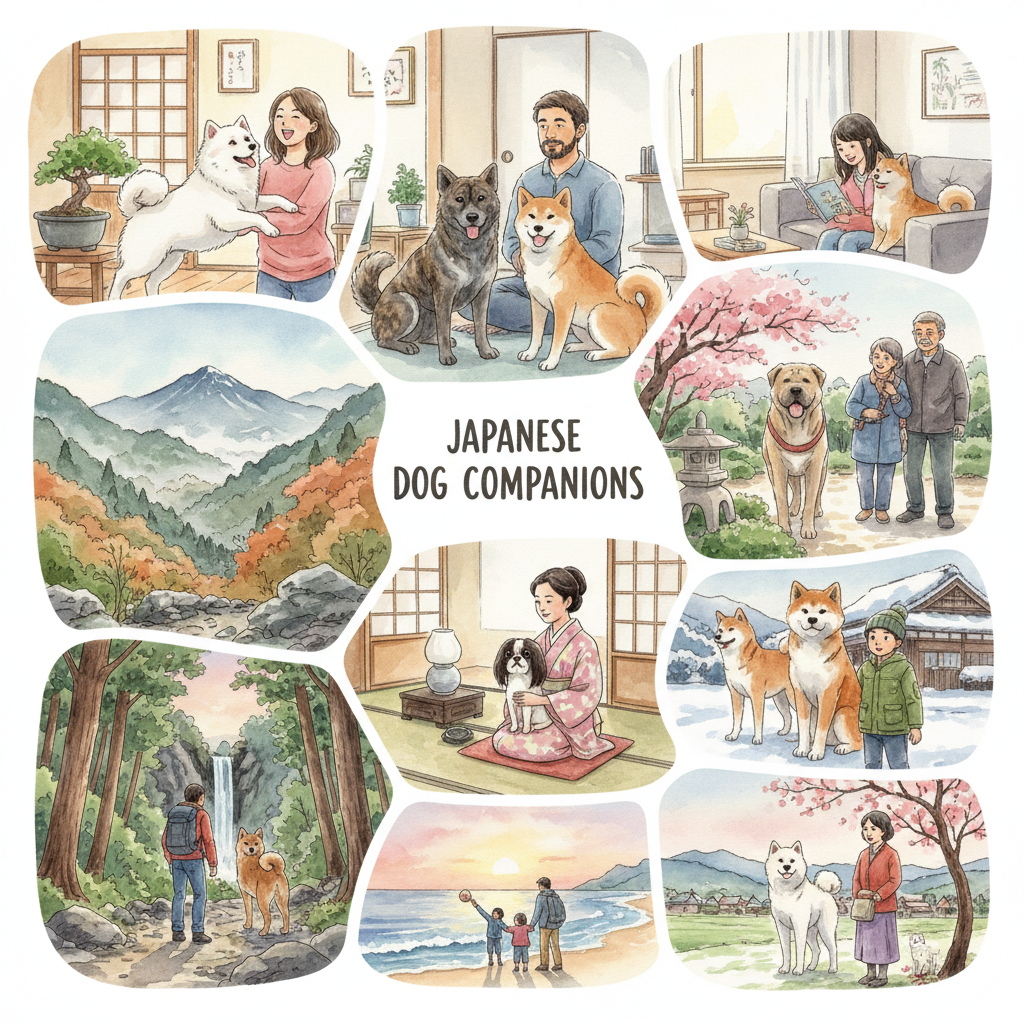
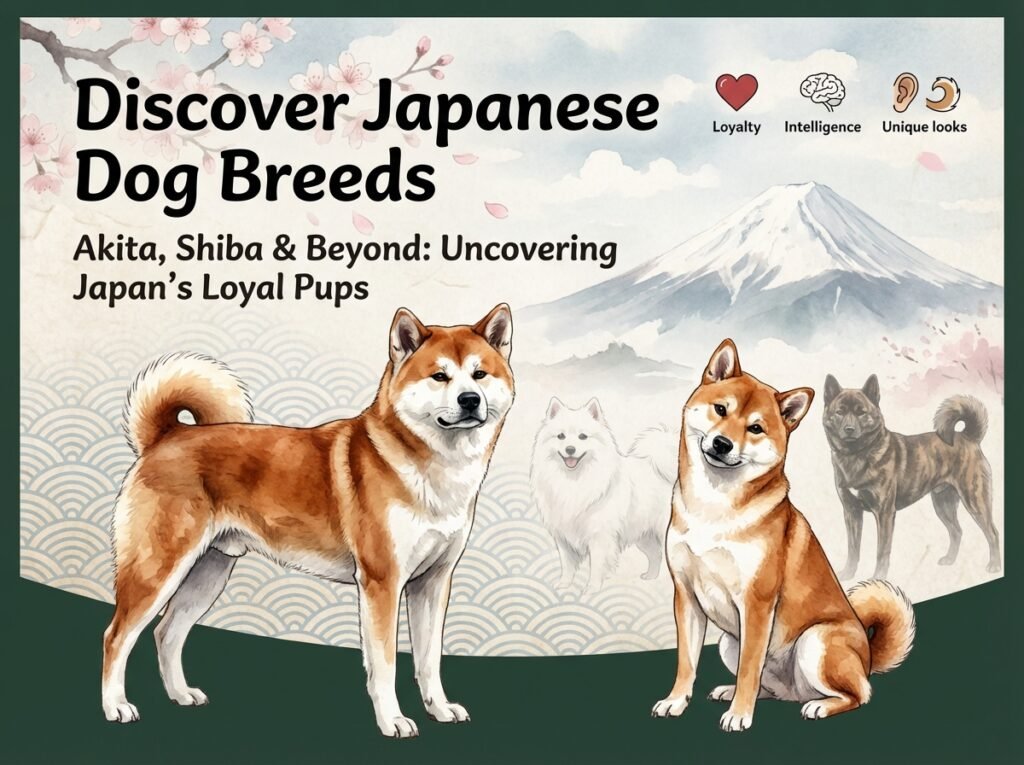
Japan, a country rich in history and tradition, also boasts an amazing collection of dog breeds. You might already know the impressive Akita Inu, the lively Shiba Inu, or the elegant Japanese Spitz. But this island nation has an even deeper history of unique Japanese dog breeds, each with its own special charm.
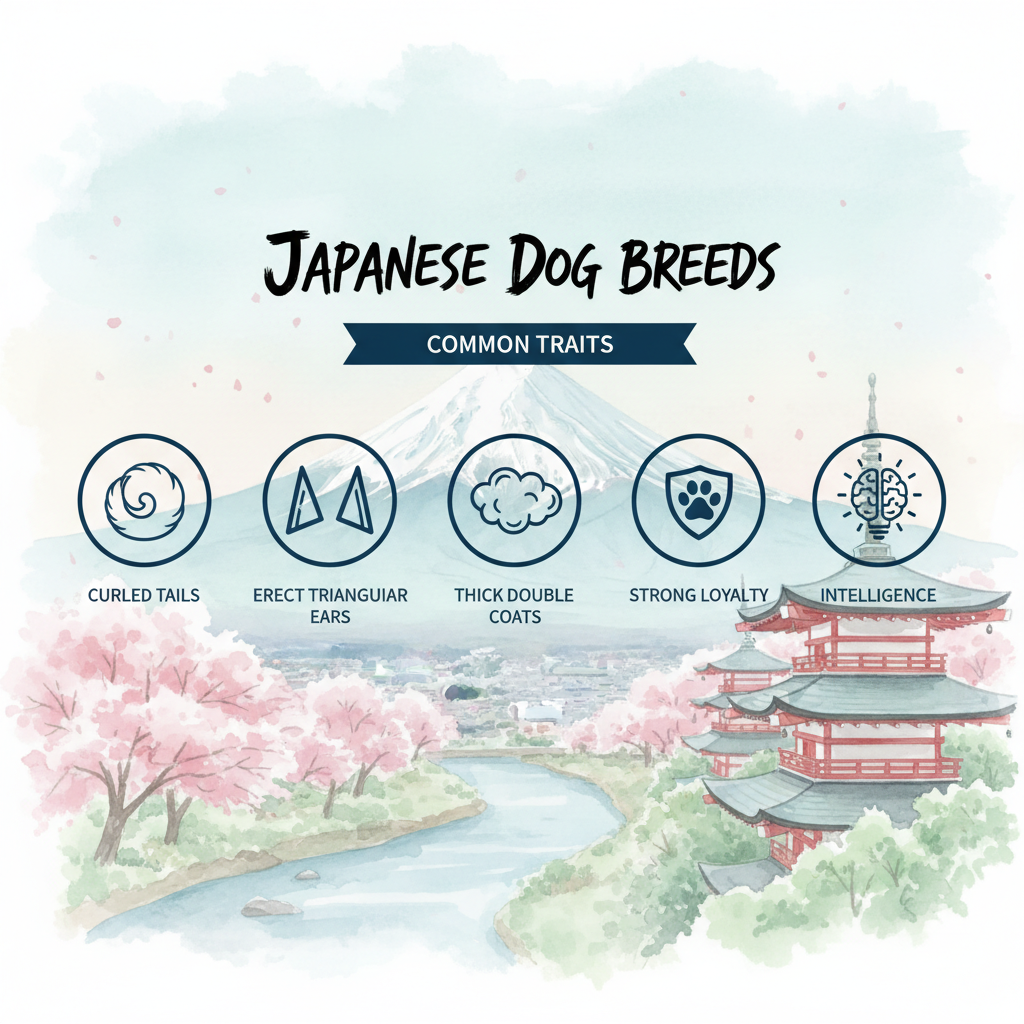
From ancient hunting partners to beloved modern companions, these dogs are famous for their unwavering loyalty, sharp intelligence, and distinct looks. Think curled tails, alert, upright ears, and thick double coats perfectly suited for Japan’s varied weather.
Let’s dive into some of the most cherished and well-known Japanese dog breeds, exploring what makes each one so special.
Akita Inu
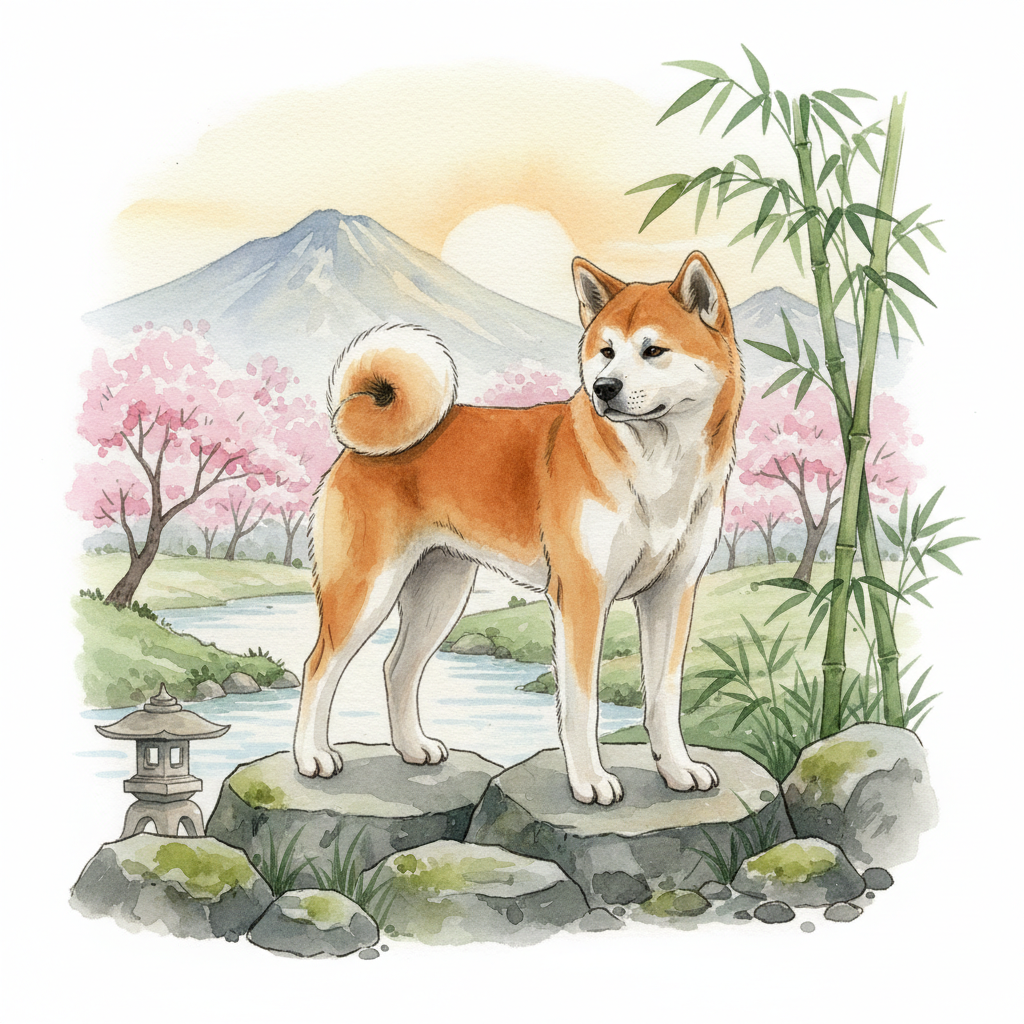
The Akita Inu is truly iconic among Japanese dog breeds, known around the world for its majestic appearance and deep loyalty. These powerful dogs originated in the Akita prefecture of northern Japan, where they once hunted big game like bears, boars, and deer.
What makes the Akita Inu stand out:
- Size: Big, strong, and muscular.
- Coat: A thick double coat, often seen in red fawn, sesame, brindle, or white.
- Personality: Dignified, brave, and incredibly protective of their families. Akitas are a bit like cats when it comes to keeping themselves clean, and they tend to be pretty quiet inside.
- Health: Generally healthy, though they can face issues like hip and elbow problems, eye conditions, and some autoimmune disorders.
- Grooming: You’ll need to brush them often, especially when they’re shedding, to keep their dense coat tidy.
An Akita’s loyalty is legendary. Just think of Hachiko, the Akita who famously waited for his deceased owner at a train station every day for almost a decade.
Shiba Inu
The Shiba Inu is a smaller, zippier hunting dog that comes from Japan’s mountainous areas. The name “Shiba” might mean “brushwood” in Japanese, referring to the bushes where these dogs hunted, or it could simply mean “small.” “Inu” just means “dog.”
What makes the Shiba Inu stand out:
- Size: Small to medium-sized, compact, and muscular.
- Coat: A short, rough outer coat with a soft, thick undercoat. Common colors include red, black and tan, and sesame.
- Personality: Full of spirit, always alert, and confident. Shibas are known for their independent nature and their famous “Shiba scream”—that high-pitched sound they make when they’re super excited or not happy.
- Health: Generally robust, but they can be prone to allergies, hip dysplasia, and kneecap issues.
- Grooming: They don’t need a ton of grooming; weekly brushing is usually enough, with more frequent brushing during shedding season.
Shibas are smart and can be a joy to train, but that independent streak means you’ll need consistent, positive training from day one.
Shikoku Inu
Also called the Kochi-ken, the Shikoku Inu is a medium-sized Japanese dog breed named after the island of Shikoku. These dogs traditionally hunted wild boar in the mountains of their namesake island.
What makes the Shikoku Inu stand out:
- Size: Medium-sized, athletic, and well-muscled.
- Coat: A double coat, typically sesame (red sesame, black sesame), red, or black and tan.
- Personality: Loyal, smart, and alert. Shikokus have amazing stamina and sharp senses. They might be a bit shy with strangers, but they truly bond with their family.
- Health: Generally healthy, and they don’t usually have many breed-specific health worries.
- Grooming: They need regular brushing, especially when shedding, to maintain their dense coat.
The Shikoku is less common outside of Japan than the Akita or Shiba, but it’s getting more attention for its striking looks and tough nature.
Kai Ken
The Kai Ken is a rare, striking Japanese dog breed that comes from the mountains of Kai Province (now Yamanashi Prefecture). These dogs historically hunted wild boar and deer and are known for being incredibly agile and smart.
What makes the Kai Ken stand out:
- Size: Medium-sized, well-built, and athletic.
- Coat: The only color you’ll see them in is brindle, with variations like red brindle (Akatora), black brindle (Kurotora), and medium brindle (Chutora).
- Personality: Highly intelligent, loyal, and watchful. Kai Kens are devoted to their families and can be great with kids if they’re socialized right. They love to climb and enjoy being active.
- Health: Generally healthy, and they don’t typically have serious breed-specific health issues.
- Grooming: Moderate grooming needs; regular brushing helps keep their double coat healthy.
Because of their mountain origins, Kai Kens are amazing swimmers and love outdoor activities, making them wonderful companions for active people or families.
Kishu Ken
The Kishu Ken is another medium-sized Japanese hunting dog, hailing from the mountainous region of Kishu (now Wakayama Prefecture). Traditionally, they hunted boar and deer and are respected for their strength and bravery.
What makes the Kishu Ken stand out:
- Size: Medium-sized, muscular, and athletic.
- Coat: A short, stiff double coat, usually white. Historically, other colors like red and sesame were common, but white became dominant because hunters preferred to spot them easily.
- Personality: Brave, loyal, and focused. Kishus are known for their quiet focus and strong hunting instincts. They’re generally good with kids and make wonderful family guardians.
- Health: Tough and generally healthy, with hardly any genetic issues popping up.
- Grooming: Relatively low maintenance; they need regular brushing to keep their coat healthy.
The Kishu Ken is considered a very pure breed; they haven’t been mixed with others much, showing off their protected status in Japan.
Hokkaido Inu
The Hokkaido Inu, also known as the Ainu-ken, is an ancient Japanese dog breed that comes from the island of Hokkaido, Japan’s northernmost prefecture. The indigenous Ainu people bred these dogs to hunt big game, including bears.
What makes the Hokkaido Inu stand out:
- Size: Medium-sized, robust, and strongly built.
- Coat: A thick double coat, dense and rough, with common colors including red, white, black, brindle, sesame, and black and tan.
- Personality: Brave, intelligent, and deeply devoted to their families. Hokkaido Inus are known for their toughness in cold weather and their strong instinct to chase.
- Health: Generally healthy, though hip and elbow problems can sometimes occur.
- Grooming: They need regular brushing, especially during shedding seasons, to manage their thick coat.
Hokkaido Inus make fantastic working dogs and love being active. Their toughness and sharp senses make them exceptional companions for outdoor enthusiasts.
Japanese Spitz
The Japanese Spitz is a small to medium-sized companion dog famous for its striking white coat and lively personality. While we’re not totally sure where they came from exactly, our team believes they likely came from bigger white Spitz dogs brought to Japan in the early 20th century.
What makes the Japanese Spitz stand out:
- Size: Small to medium-sized, elegant, and well-proportioned.
- Coat: A long, profuse, pure white double coat with a lion-like mane around the neck.
- Personality: Intelligent, playful, and affectionate. Japanese Spitz make super family dogs, good with kids and other pets. They’re great watchdogs, but they can be barkers.
- Health: Generally healthy, but they can be prone to kneecap issues and tear stains.
- Grooming: They need regular brushing to prevent matting and keep their white coat pristine. Despite its volume, the coat is actually pretty good at staying clean.
The Japanese Spitz is a popular choice for families looking for an energetic yet loving companion.
Japanese Chin
The Japanese Chin is a charming toy breed known for its distinctive look and fancy attitude. Despite its name, some folks think they actually came from China, with evidence of similar dogs being gifted to the Japanese imperial court centuries ago.
What makes the Japanese Chin stand out:
- Size: Small, delicate, and compact.
- Coat: A long, silky single coat, typically white with patches of black or red (sable, lemon, orange).
- Personality: Playful, affectionate, and charming. Like a cat, they love to climb and are known for their quiet, gentle nature. They love being spoiled and are perfect lap dogs.
- Health: They can be prone to kneecap problems, heart murmurs, and breathing issues because of their flat faces.
- Grooming: They need regular brushing to prevent matting and keep their long coat healthy.
The Japanese Chin makes a delightful companion for anyone seeking a small, elegant, and affectionate dog.
Tosa Inu
The Tosa Inu, also known as the Japanese Mastiff, is a powerful, imposing dog breed from Tosa Province (now Kochi Prefecture). These dogs were specifically bred for dog fighting in the late 19th century, resulting in a breed with incredible strength and bravery.
What makes the Tosa Inu stand out:
- Size: Large to giant, heavily muscled, and quite impressive.
- Coat: A short, smooth coat, with common colors including red, fawn, brindle, black, and sometimes blue or black and tan.
- Personality: Patient, brave, and protective. Tosas are known for their calm, but they can be wary of strangers. Early socialization and consistent training are key because of their size and strength.
- Health: Generally healthy, but they can be prone to hip and elbow issues, bloat, and some eye problems.
- Grooming: Low maintenance because of their short coat; they just need occasional brushing.
Because of their history and protective nature, Tosa Inus are sometimes restricted by laws in different places. They definitely need experienced owners who can provide proper training and socialization.
Finding Your Perfect Japanese Pup
Japanese dog breeds offer a fascinating look into the country’s history, culture, and natural environment. From the ancient hunting dogs that roamed its mountains to the elegant companions that graced imperial courts, each breed tells a unique story. Whether you’re drawn to the loyal Akita, the spirited Shiba, or the dignified Tosa, these dogs embody a blend of beauty, intelligence, and unwavering devotion that makes them cherished companions around the world.
Bringing any dog into your home is a big commitment. Our team at Petscarelab advises you to make sure you really dig into a breed’s specific needs, potential health issues, and personality before welcoming a new pup into your life.