Can Dogs Eat Honey? Your Pup’s Sweet Treat Guide
Many pet parents wonder if it’s safe to share a spoonful of honey with their furry friends. Good news: can dogs eat honey? Yes, they absolutely can, but only in tiny amounts. Honey isn’t just a sweet treat for us; it’s been used for ages for its medicinal properties, and our pups can sometimes benefit from it too!
Like with any good thing, moderation is key. Here’s everything our team at Petscarelab wants you to know about feeding honey to your dog.
Is Honey Good for Dogs?
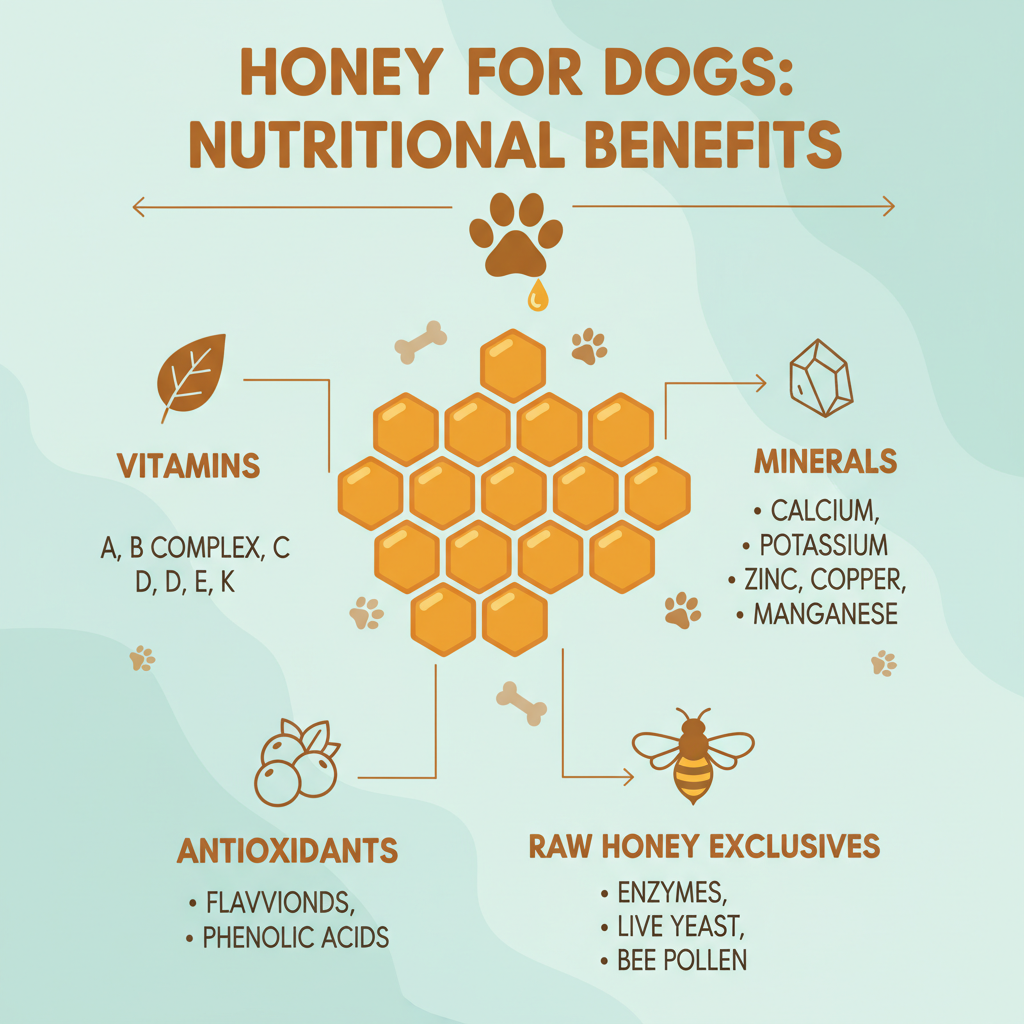
Honey isn’t just sugar; it’s packed with a surprising mix of vitamins and minerals. Think of it as nature’s little powerhouse, containing:
- Vitamins A, B complex, C, D, E, and K
- Calcium
- Magnesium
- Potassium
- Zinc
- Copper
- Manganese
- Trace amounts of hydrogen peroxide (which gives it some of its germ-fighting power)
- Antioxidants (like flavonoids and phenolic acids)
Raw honey, in particular, also offers beneficial enzymes, live yeast, and bee pollen, which are often lost during pasteurization.
What Are the Benefits of Honey for Dogs?
The natural compounds in honey mean it can offer several health perks for your dog.
Allergy Relief
One common reason pet parents reach for honey is to help with seasonal allergies. The idea is that local raw honey contains tiny bits of the pollens causing those sniffles and itchy paws. By giving your dog these pollens in small doses, their immune system might build up a tolerance, much like how allergy shots work for people.
While scientific studies haven’t fully backed this up, many pet parents swear by it. A little honey won’t hurt, so it’s worth trying if your dog struggles with seasonal irritations. Just be sure to grab local honey if you go this route!
Soothes Digestive Issues
Honey can be a real helper for a rumbling tummy. It can ease things like:
- Indigestion
- Loose stools
- Constipation
- General upset stomach
Plus, honey works like a pre- and probiotic. The good bacteria it contains can help balance the microbes in your dog’s gut, which is vital for overall digestive health.
Immune System Support
The antioxidants, vitamins, and minerals in honey give your dog’s immune system a healthy boost. Antioxidants protect cells from damage caused by free radicals, which can contribute to chronic diseases and early aging. This immune-boosting power can help your dog fight off infections and stay healthy and vibrant.
Wound Healing and Skin Conditions
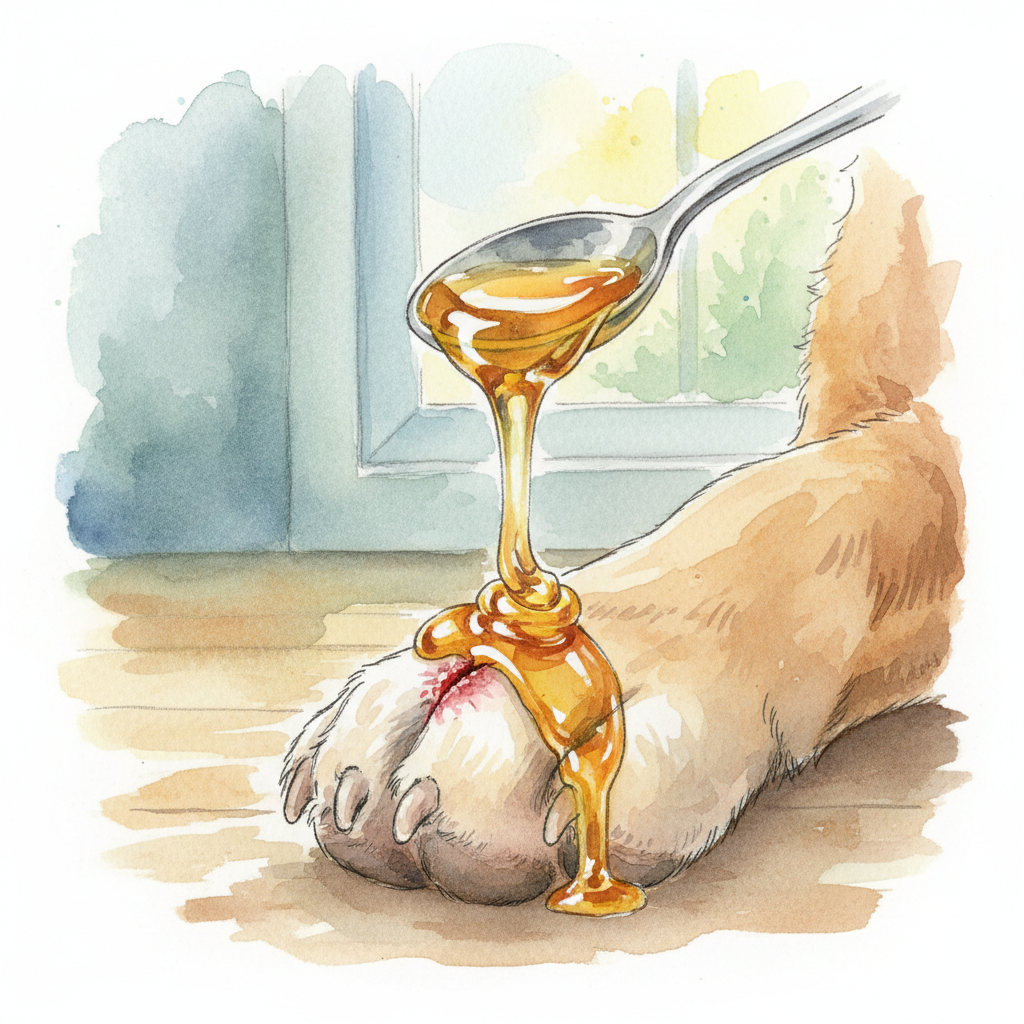
Dabbing a little honey on a minor scrape or skin irritation can work wonders. Its natural antibacterial and anti-inflammatory properties can:
- Keep infections away
- Reduce swelling
- Speed up healing
- Soothe the itch and burn of hot spots
Even some veterinary specialists use it for its healing power on tough wounds.
Energy Boost
Honey is a natural source of sugars (fructose and glucose), offering a quick, natural energy kick. This can be great for:
- Active dogs after a long run or play session
- Pups recovering from an illness
- Any dog who needs a little extra pep in their step
Cough and Sore Throat Relief
Just like it does for us, a small amount of honey can help soothe a dog’s sore throat or quiet a minor cough. Its thick, soothing texture can coat a scratchy throat, bringing some comfort.
How Much Honey Can a Dog Have?
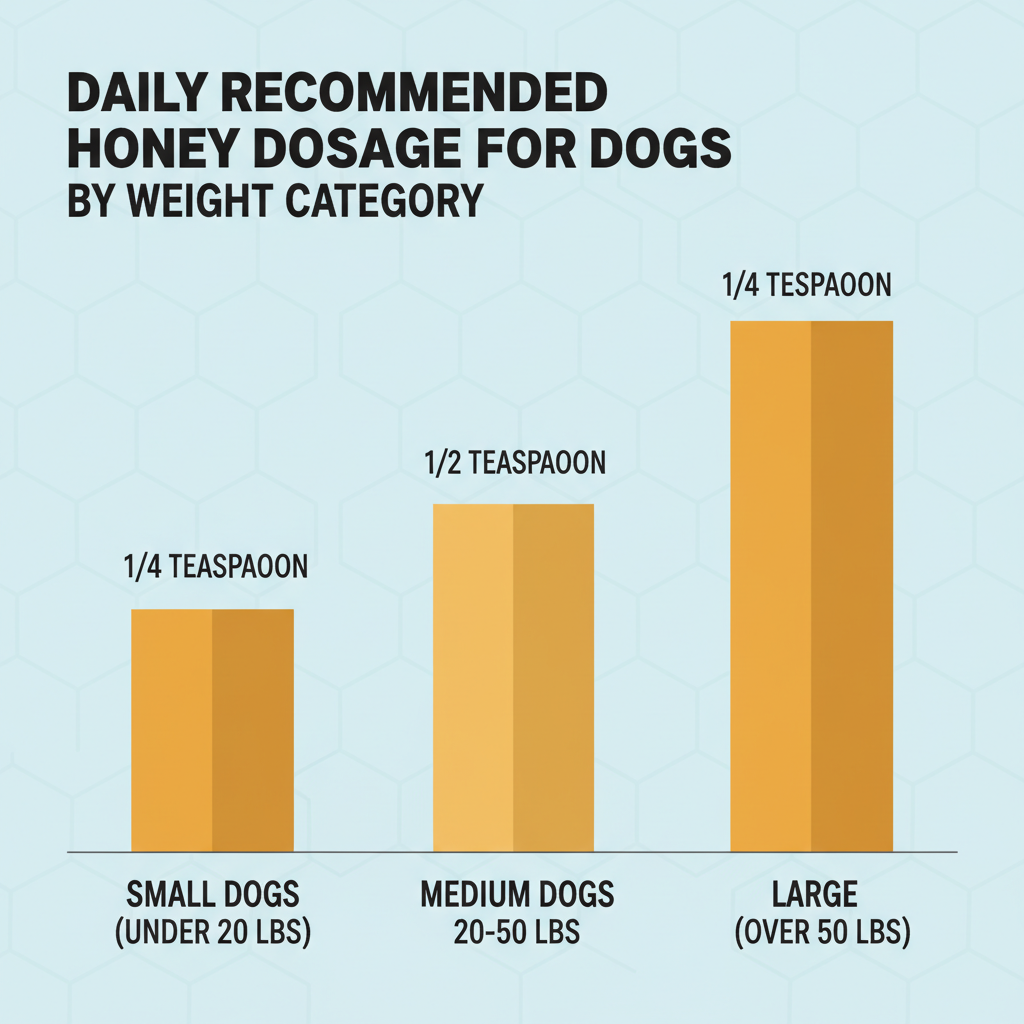
Because honey is loaded with sugar, it’s crucial to give it to dogs in moderation. Too much can quickly lead to piling on pounds, causing tooth troubles, or even making serious health issues like diabetes worse.
As a rough guide:
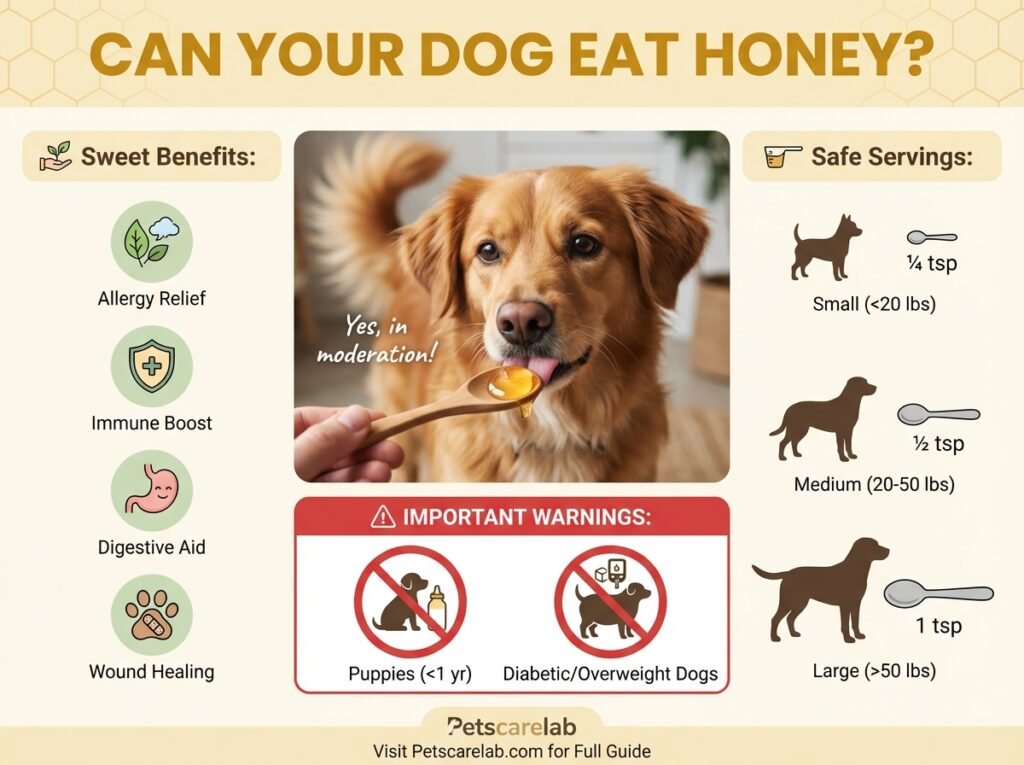
- Small dogs (under 20 pounds): No more than 1/4 teaspoon per day.
- Medium dogs (20-50 pounds): No more than 1/2 teaspoon per day.
- Large dogs (over 50 pounds): No more than 1 teaspoon per day.
Think of these as occasional treats, not a daily meal staple.
How to Give Your Dog Honey
It’s easy to treat your dog to honey:
- Offer it off a spoon: Most dogs adore the taste and will happily lick it up.
- Mix it with food: Stir a tiny bit into their regular kibble or wet food.
- Whip up homemade treats: Add it to dog biscuit recipes for a touch of sweetness.
- Dilute it in water: This can make it easier for hesitant dogs to consume.
Always introduce new foods slowly and in small amounts. That way, you can watch for any unexpected reactions.
When Is Honey Bad for Dogs?
While usually safe, there are some situations where honey is off-limits for your pup.
Puppies
Keep honey away from puppies under one year old. Honey can contain tiny spores that are harmless to adult dogs with mature digestive systems but can cause serious illness (botulism) in puppies with their developing immune systems and tummies.
Diabetic or Overweight Dogs
Due to its high sugar content, honey is absolutely off-limits for dogs with diabetes or those who are overweight. The extra sugar can cause dangerous blood sugar spikes or contribute to further weight gain, making these health issues much worse.
Dogs with Compromised Immune Systems
If your dog has a weakened immune system (like those getting chemotherapy, taking certain medications, or dealing with specific illnesses), it’s best to skip honey, especially raw honey. Those tiny spores can be a real risk.
Allergies to Bees or Pollen
Though not common, some dogs can be allergic to honey itself, bee pollen, or other ingredients in it. If you notice any signs of an allergic reaction—like itching, swelling, difficulty breathing, vomiting, or diarrhea—stop giving them honey and call your vet right away.
Can Dogs Eat Raw Honey?
Yes, your dog can absolutely enjoy raw honey, and many pet parents believe it’s even better than pasteurized options. That’s because raw honey keeps all its natural enzymes, antioxidants, and pollen intact, which are sometimes reduced during processing.
Just remember the important rules: no raw honey for puppies or dogs with a weakened immune system because of those tiny botulism spores.
Types of Honey to Give Dogs
When picking honey for your dog, here are the best options:
- Local Raw Honey: Many people love it for allergy relief, thanks to those local pollens it contains. It also keeps all its natural beneficial compounds.
- Manuka Honey: This honey, mainly from New Zealand, is famous for its incredible antibacterial and anti-inflammatory power, making it a superstar for healing wounds. It’s safe for your dog to eat, too.
- Regular Pasteurized Honey: Sure, it might have fewer enzymes and pollens, but it still packs some antioxidant punch and makes a fine treat or general health booster. Plus, it’s much less likely to carry botulism spores, though that risk is already super low for adult dogs with raw honey.
Always pick pure honey. Steer clear of any with added sugars, artificial sweeteners, or other junk. Double-check that label for 100% honey!
Potential Side Effects of Honey for Dogs
While honey is generally safe, keep an eye out for these potential side effects:
- Upset stomach: Too much honey can lead to diarrhea or vomiting because of its high sugar content.
- Weight gain: Overdoing it can quickly lead to obesity.
- Dental problems: Honey’s sticky, sugary nature can contribute to tooth decay if you’re not diligent about dental hygiene.
- Allergic reactions: Though rare, some dogs might show signs of an allergic reaction.
- Botulism (in puppies): A serious risk for puppies under one year of age.
When to Talk to Your Vet
If you’re ever on the fence about whether honey is a good fit for your dog, or if your furry friend has any existing health issues, always have a chat with your vet first. They can give you tailored advice, perfect for your dog’s unique health and diet needs.