
Dog Cancer: Understanding the Signs, Types, and Treatments
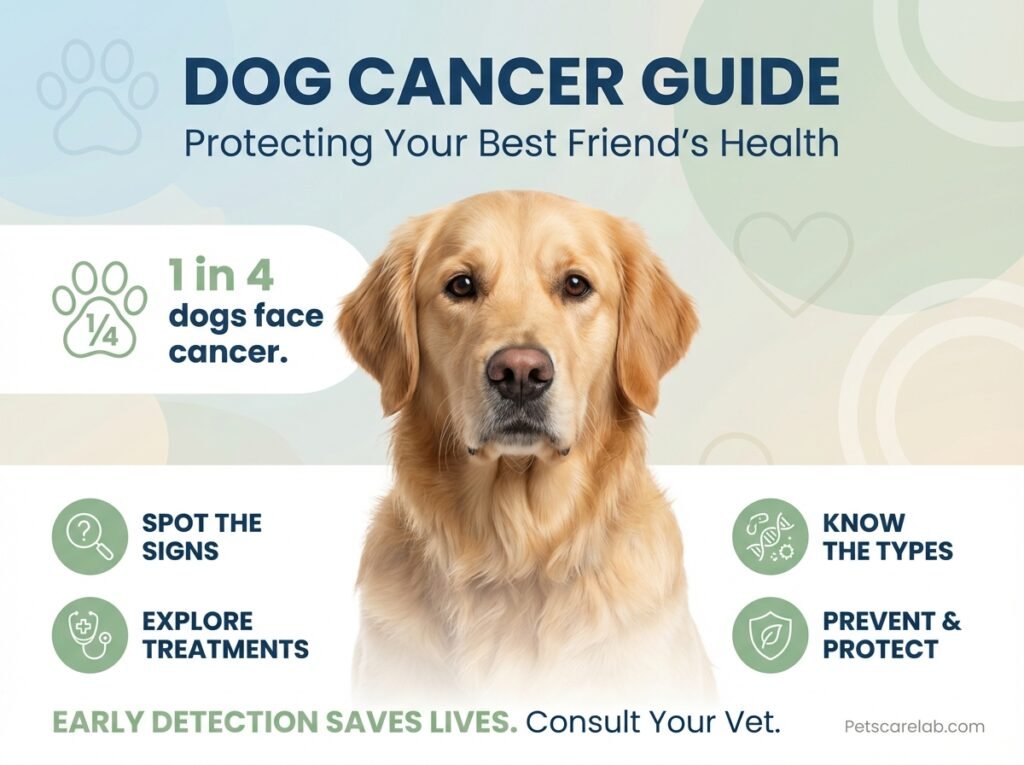
Hearing the word dog cancer can be terrifying for any pet parent. It’s a disease that strikes when abnormal cells grow out of control, forming tumors that can invade surrounding tissues and even spread throughout your dog’s body. Sadly, cancer doesn’t discriminate; it can affect any dog, regardless of breed, age, or sex, though we see it more often in older pups and certain breeds.
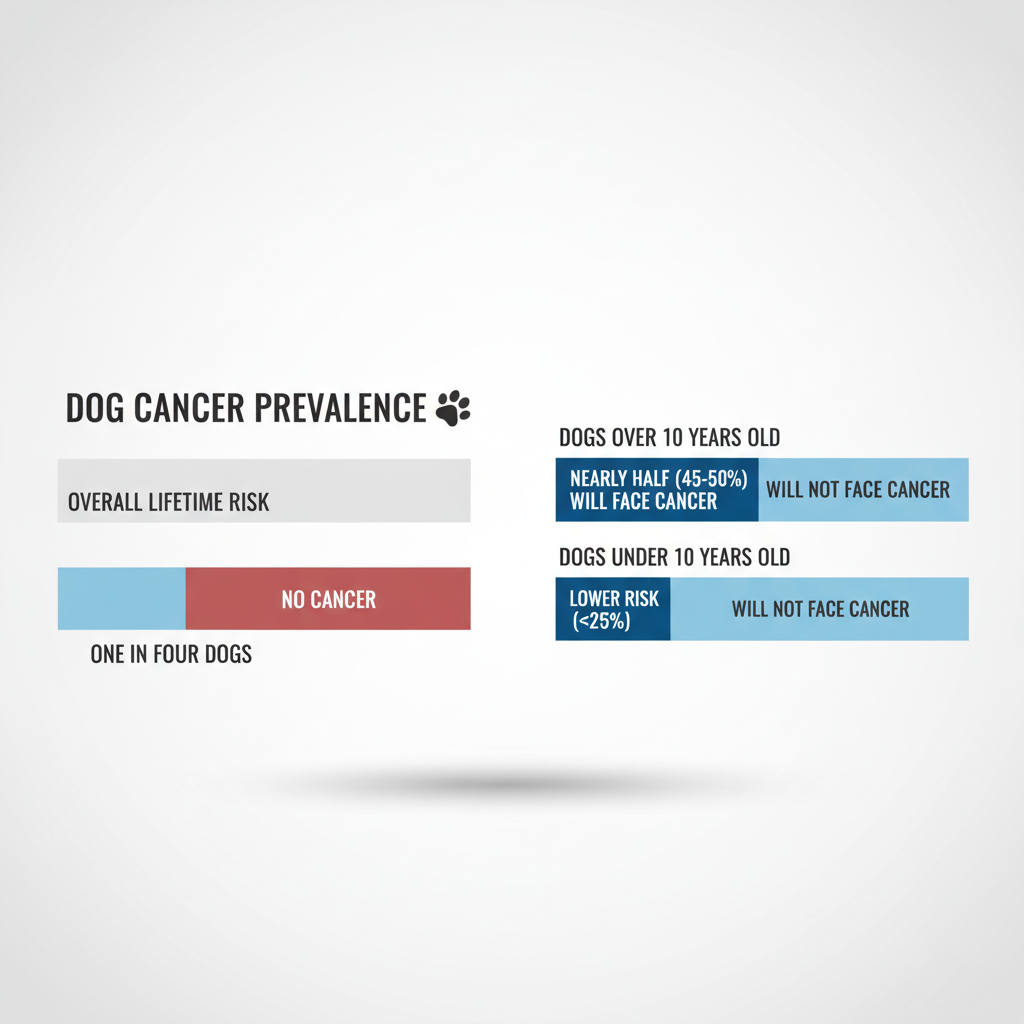
This serious illness is a leading cause of death for our beloved companions. Roughly one in four dogs will face a cancer diagnosis in their lifetime, and nearly half of dogs over the age of 10 will succumb to it. The good news? Catching it early and starting treatment quickly can make a huge difference in your dog’s outcome.
How Do Dogs Get Cancer?
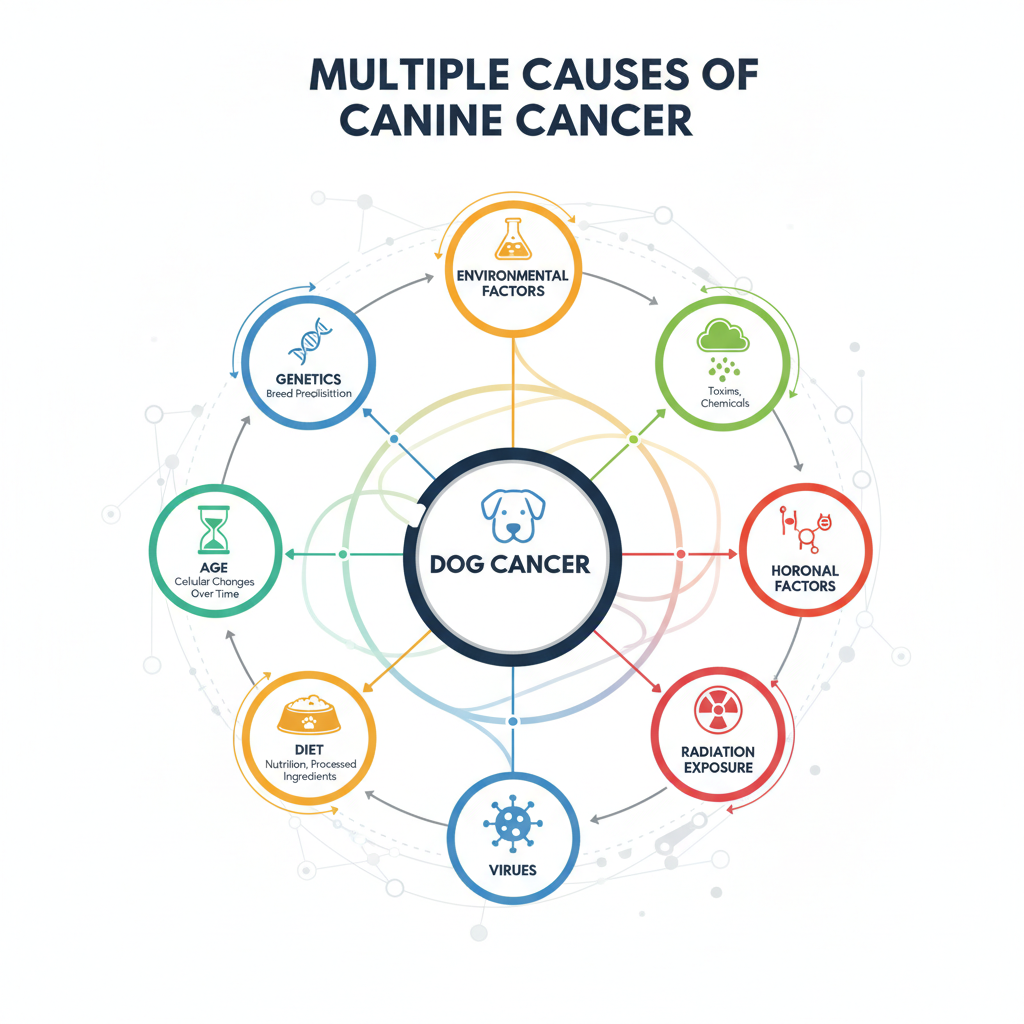
The exact reasons a dog develops cancer aren’t always clear. It’s usually a complex mix of different factors playing a role. Here’s what our team at Petscarelab knows about the main contributors:
- Genetics and Breed: Some breeds are simply more prone to certain types of cancer because of their genes. For instance, Golden Retrievers often battle lymphoma and hemangiosarcoma, while Boxers tend to get mast cell tumors. It’s often in their DNA.
- Environmental Factors: Things in your dog’s world, like exposure to certain toxins, chemicals, or cancer-causing agents, can raise their risk.
- Age: Just like people, a dog’s risk of cancer goes up as they get older. Their cells accumulate tiny changes over time, which can lead to problems.
- Viruses: While not as common as in humans, some viruses have been linked to certain cancers in dogs.
- Diet: A diet that lacks good nutrition or has too many processed ingredients might contribute to inflammation and a weaker immune system, potentially increasing cancer risk.
- Radiation Exposure: Too much radiation, similar to humans, can be a factor.
- Hormonal Factors: Hormones can influence specific cancers, such as mammary tumors in female dogs who haven’t been spayed.
Symptoms of Dog Cancer You Should Watch For
The signs of cancer in your dog can be tricky to spot because they depend so much on the type of cancer, where it is, and how far along it is. Still, there are common symptoms every pet parent should be aware of:
- Lumps, Bumps, or Swellings: A new lump or a strange bump on or under your dog’s skin always warrants a vet visit. While not all lumps are cancerous, it’s always best to be sure.
- Changes in Weight or Appetite: Is your dog losing weight without explanation, even if they’re eating normally? Or have they suddenly lost interest in food or have trouble eating? These can be red flags.
- Lethargy or Weakness: If your normally active pup suddenly seems unusually tired, weak, or just doesn’t want to play or exercise, it could signal an underlying health issue, including dog cancer.
- Lameness or Stiffness: Persistent limping, stiffness, or signs of pain in their joints or bones might point to bone cancer or other tumors affecting their skeletal system.
- Difficulty Breathing, Urinating, or Defecating: Tumors in your dog’s chest, belly, or urinary tract can mess with their normal bodily functions.
- Vomiting or Diarrhea: Ongoing tummy troubles, especially with other symptoms, can sometimes be a sign of cancer.
- Bleeding or Discharge: Any unusual bleeding from the nose, mouth, rectum, or vagina, or any abnormal discharge, needs to be checked out immediately.
- Sores That Don’t Heal: A wound or sore that just won’t get better could be a sign of skin cancer.
- Changes in Behavior: Some dogs might act differently, becoming more aggressive, irritable, or withdrawn because of pain or discomfort from cancer.
If you notice any of these signs in your furry friend, please don’t wait. See your veterinarian as quickly as you can. Early detection truly makes a world of difference.
Common Types of Dog Cancer
Dogs can get many different kinds of cancer, affecting all sorts of organs and tissues. Here are some of the most common types:
- Lymphoma: This cancer attacks the lymphatic system, a key part of the immune system. You might find it in lymph nodes, the spleen, liver, or bone marrow. Lymphoma is one of the most frequently diagnosed dog cancer types.
- Hemangiosarcoma: An aggressive cancer that grows from the lining of blood vessels, often found in the spleen, heart, or skin. It can spread quickly and often shows up with sudden internal bleeding.
- Mast Cell Tumors: These skin tumors vary wildly in how aggressive they are. They’re common and can pop up anywhere on or under the skin.
- Osteosarcoma: This is the most common primary bone cancer in dogs, mostly affecting large and giant breeds. It’s very aggressive and often requires amputation and chemotherapy.
- Mammary (Breast) Cancer: Common in female dogs who haven’t been spayed, these tumors can be benign or malignant. Getting your dog spayed early dramatically cuts down this risk.
- Melanoma: This can affect the skin, mouth, or nail beds. Oral melanoma is especially aggressive.
- Soft Tissue Sarcomas: This group of cancers develops from connective tissues like muscle, fat, and fibrous tissue. You can find them anywhere in the body.
- Transitional Cell Carcinoma (TCC): A cancer of the bladder and urinary tract, often causing trouble urinating or blood in the urine.
- Prostate Cancer: A rare but aggressive cancer in male dogs.
- Histiocytic Sarcoma: An aggressive cancer of immune cells, often seen in specific breeds like Bernese Mountain Dogs.
- Brain Tumors: These can lead to seizures, behavioral changes, or problems with your dog’s nervous system.
Diagnosing Dog Cancer
Figuring out if your dog has cancer usually involves a combination of examinations and tests. It’s like putting together a puzzle to get the full picture:
- Physical Examination: Your vet will give your dog a thorough once-over, feeling for any lumps, swollen lymph nodes, and checking their general health.
- Blood Work and Urinalysis: These tests help check organ function, look for anemia, and spot other abnormalities that could point to cancer or its effects on the body.
- Imaging (X-rays, Ultrasound, CT Scans, MRI): These tools let us “see” inside your dog’s body. They help find tumors, figure out their size and location, and check if the cancer has spread to other organs.
- The Definitive Answer: Biopsy and Histopathology: This is often the most accurate way to diagnose cancer. A small piece of the suspected tumor is surgically removed or taken with a needle (called a fine-needle aspirate), then examined under a microscope by a veterinary pathologist. This tells us if it’s cancer, what type it is, and how aggressive it might be.
- Cytology: Similar to a fine-needle aspirate, but the cells go directly onto a slide for examination. It’s less invasive than a biopsy but might not always give a definitive diagnosis.
- Endoscopy/Colonoscopy: If we suspect tumors in the digestive tract or airways, these procedures allow for a direct look and a biopsy.
- Bone Marrow Aspiration: This might be done if blood cancers like lymphoma or leukemia are a possibility.
Treatment for Dog Cancer
When your dog is diagnosed with cancer, treatment options depend on the type, stage, and location of the cancer, as well as your dog’s overall health and what feels right for your family. Here are common approaches:
- Surgery: Often the first step for solid tumors. The goal is to remove the entire tumor, plus a bit of healthy tissue around it, to stop it from coming back. Sometimes, for bone tumors, amputation might be necessary.
- Chemotherapy: This uses drugs to target and kill cancer cells throughout the body. It can be given orally or by injection. Chemotherapy is frequently used for widespread cancers like lymphoma or to prevent spread after surgery. Dogs usually handle chemotherapy much better than humans, with fewer side effects.
- Radiation Therapy: This uses high-energy radiation to zap and destroy cancer cells in a specific area. It’s often for tumors that are hard to remove surgically or to improve local control after surgery. It requires multiple treatments and anesthesia.
- Immunotherapy: A newer method that aims to rally your dog’s own immune system to recognize and attack cancer cells. This might involve cancer vaccines or other immune-boosting drugs.
- Targeted Therapy: These drugs specifically zero in on molecular pathways involved in cancer growth, often with fewer side effects than traditional chemotherapy.
- Cryosurgery/Cryotherapy: This involves freezing small tumors to destroy them, often used for skin tumors.
- Electrochemotherapy: A localized treatment that combines a low dose of chemotherapy with electrical pulses to help cancer cells absorb the drug better.
- Palliative Care: For advanced cancers where a cure isn’t possible, this care focuses on managing pain, boosting quality of life, and keeping your dog comfortable. This includes pain medication, nutritional support, and other supportive therapies.
Many dogs benefit from a combination of these treatments (called multimodal therapy) for the best possible outcome. Your veterinarian, often working with a veterinary oncologist (a cancer specialist), will help you decide on the right treatment plan for your dog.
The Cost of Dog Cancer Treatment
The financial reality of treating dog cancer can vary greatly. What you’ll spend depends on several factors:
- Type and Stage of Cancer: More aggressive or advanced cancers generally require more intensive, and thus more costly, treatments.
- Treatment Choices:
- Surgery: Costs can range from hundreds to several thousands of dollars, depending on how complex the surgery is, where the tumor is located, and if a specialist surgeon is needed.
- Chemotherapy: A single course can be anywhere from a few hundred to several thousand dollars, especially with multiple sessions over weeks or months.
- Radiation Therapy: This is often the most expensive option, potentially costing several thousands of dollars for a complete course due to specialized equipment and multiple anesthesia events.
- Diagnostics: Initial tests like blood work, X-rays, ultrasound, and biopsies can add up to hundreds or even over a thousand dollars.
- Location and Clinic: Prices can differ between general vet practices, specialized veterinary oncology centers, and different parts of the country.
- Treatment Duration: Long-term management or several rounds of treatment will naturally increase the overall cost.
- Supportive Care: Medications for side effects, pain relief, special diets, and follow-up visits also contribute to the expense.
Generally, you can expect dog cancer treatment to cost anywhere from a few thousand dollars for simpler cases to upwards of $10,000 or even $20,000+ for complex, multi-treatment plans.
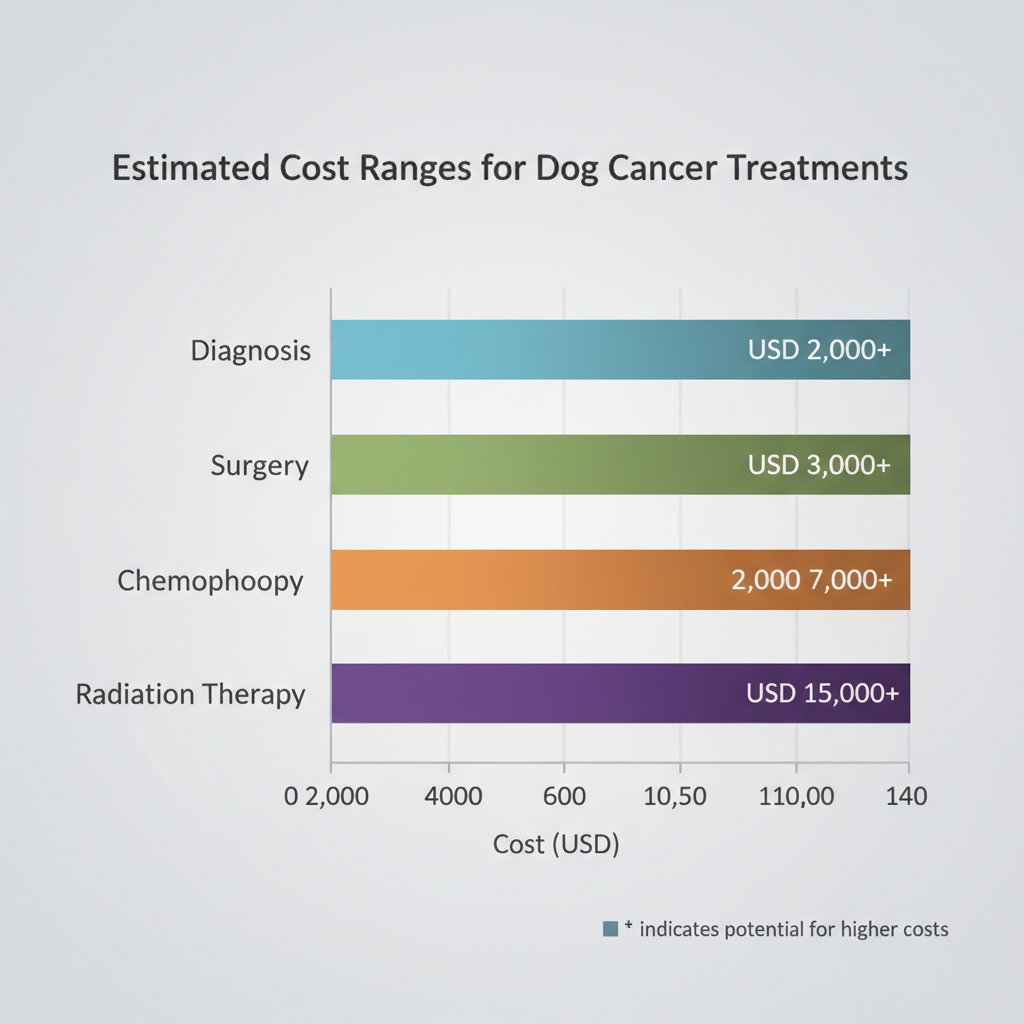
- What you might expect to pay (estimates):
- Diagnosis: $500 – $2,000+
- Surgery (basic): $500 – $3,000+
- Chemotherapy (full course): $2,000 – $7,000+
- Radiation Therapy: $5,000 – $15,000+
It’s important to have an open conversation with your vet about the estimated costs for your dog’s specific treatment plan. Many pet insurance plans offer coverage for cancer treatment, and some organizations provide financial help for pet owners.
Recovery and Living with Dog Cancer
Helping your dog through their cancer journey involves several key steps to ensure their comfort and well-being:
- Post-Treatment Care:
- Pain Management: This is vital after surgery or if the cancer is causing discomfort. Your vet will prescribe the right pain medications.
- Wound Care: If your dog had surgery, keeping the site clean and watching for infection is a must.
- Monitoring Side Effects: Especially with chemotherapy and radiation, carefully watch for reactions like nausea, decreased appetite, fatigue, or skin irritation. Report any concerns to your vet.
- Nutritional Support: A balanced, appropriate diet is critical. Some dogs might need special diets or appetite stimulants to keep them eating.
- Follow-Up Appointments: Regular check-ups with your vet or veterinary oncologist are essential. These visits help monitor your dog’s progress, catch any recurrence, and manage long-term side effects. They often include physical exams, blood tests, and imaging.
- Lifestyle Adjustments:
- Rest: Provide a calm, cozy spot for your dog to rest and recover.
- Exercise: Adjust their exercise levels to match their energy and comfort. Gentle walks are often beneficial.
- Stress Reduction: Stick to a consistent routine and give your dog plenty of love and reassurance.
- Emotional Support: A cancer diagnosis and treatment are incredibly tough on pet parents. Don’t hesitate to seek support from your vet, online communities, or pet loss support groups if you need it.
- What to Expect About Their Future: The prognosis varies wildly depending on the type, stage, and grade of dog cancer, as well as how your dog responds to treatment. Your veterinary oncologist will give you the most accurate prediction for your unique situation. Even if a cure isn’t possible, many treatments can extend a dog’s life and significantly improve their quality of life for months or even years.
Working closely with your veterinary team is the best way to ensure your dog gets the best possible care throughout their cancer journey.
Preventing Dog Cancer
While we can’t completely prevent dog cancer, there are several proactive steps you can take to lower your pup’s risk and boost their overall health:
- Get Them Spayed or Neutered: Spaying female dogs, especially before their first heat cycle, significantly lowers their risk of mammary cancer. Neutering male dogs eliminates the risk of testicular cancer and can reduce certain prostate issues.
- Feed a Healthy Diet: Give your dog a high-quality, balanced diet that fits their age, breed, and activity level. Skip the highly processed foods and too many treats.
- Maintain a Healthy Weight: Obesity is linked to a higher risk of several cancers. Make sure your dog gets regular exercise and doesn’t overeat.
- Regular Vet Check-ups: Annual or twice-a-year wellness exams are vital for catching problems early. Your vet can spot subtle changes and suggest screening tests if needed.
- Keep Harmful Stuff Away:
- Smoke: Never expose your dog to secondhand smoke.
- Pesticides and Herbicides: Be mindful of chemicals used in your yard or local parks. Consider pet-safe alternatives.
- Sun Exposure: For dogs with thin coats or light-colored skin, too much sun can increase the risk of skin cancer.
- Check for Lumps and Bumps: Regularly feel your dog’s body for any new or changing lumps, bumps, or skin lesions. Early detection is a lifesaver for many cancers.
- Good Dental Hygiene: Keeping their teeth clean prevents inflammation and can positively impact their overall health.
- Provide Clean Water: Always make sure your dog has access to fresh, clean drinking water.
While these measures can reduce risk, they don’t eliminate it entirely. Staying vigilant and talking to your veterinarian about any concerns are your strongest defenses against dog cancer.