
CBD Oil for Dogs: Everything Pet Parents Need to Know
If you’re a dog owner, chances are you’ve already seen CBD oil for dogs popping up everywhere—from tasty treats and soothing oils to topical balms. Many pet parents are now turning to natural remedies like CBD to help their pups with common issues such as anxiety, pain, and inflammation. But what exactly is CBD, how does it work, and is it truly safe for your furry best friend? Let’s dive in.
What Is CBD Oil?
CBD, short for cannabidiol, comes from the Cannabis sativa plant. Now, don’t confuse it with THC (tetrahydrocannabinol), the compound known for making people “high.” CBD is different; it’s non-psychoactive, so it won’t give your dog any mind-altering effects.
Most CBD oil for dogs comes from hemp plants, which are Cannabis sativa plants specially bred to have very low THC content—0.3% or less by dry weight. This tiny amount of THC makes hemp-derived CBD a safe choice for pets.
Types of CBD Oil:
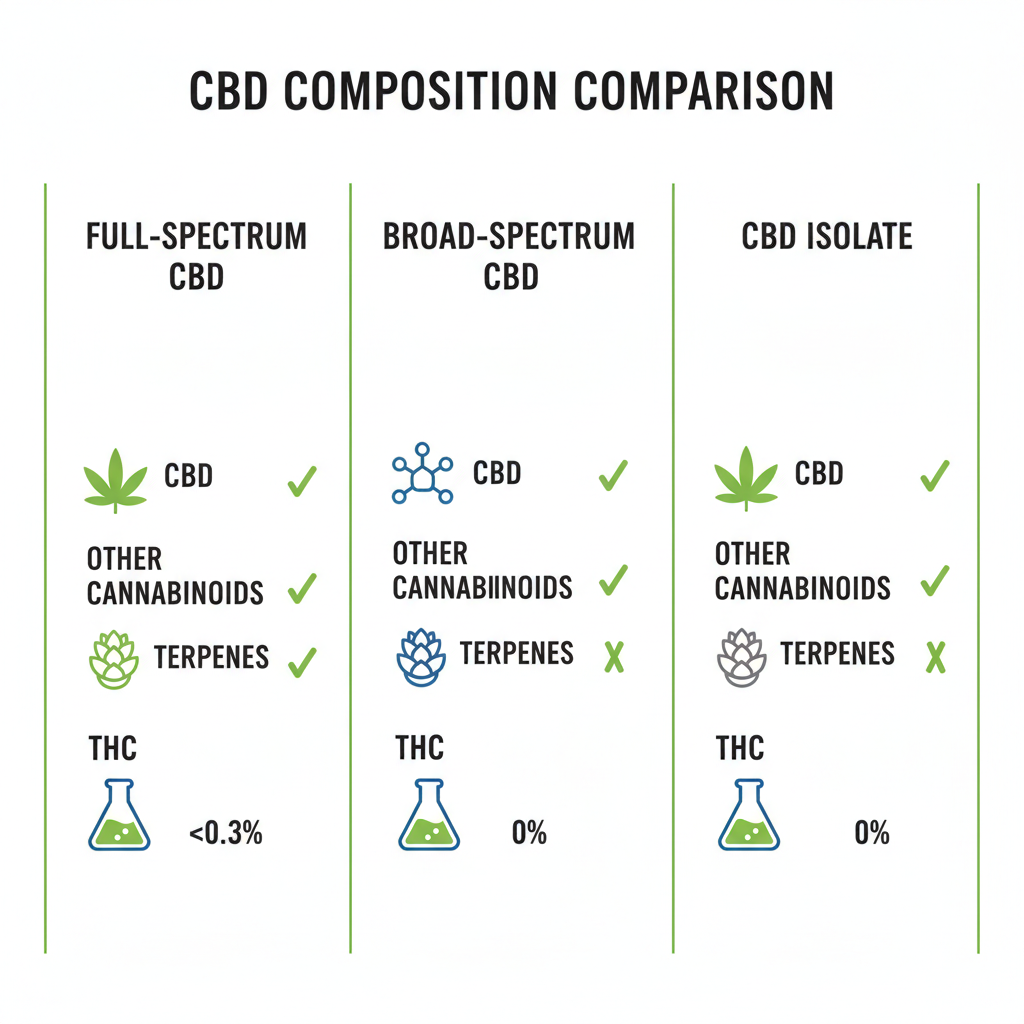
- Full-spectrum CBD gives you the full plant power. It contains all the natural compounds found in cannabis, including other cannabinoids, terpenes, flavonoids, and those trace amounts of THC.
- Broad-spectrum CBD is similar, but it goes through an extra step to remove all the THC, while keeping the other beneficial compounds.
- CBD isolate is pure CBD. All other compounds from the plant are stripped away, leaving only cannabidiol.
How Does CBD Oil Work in Dogs?
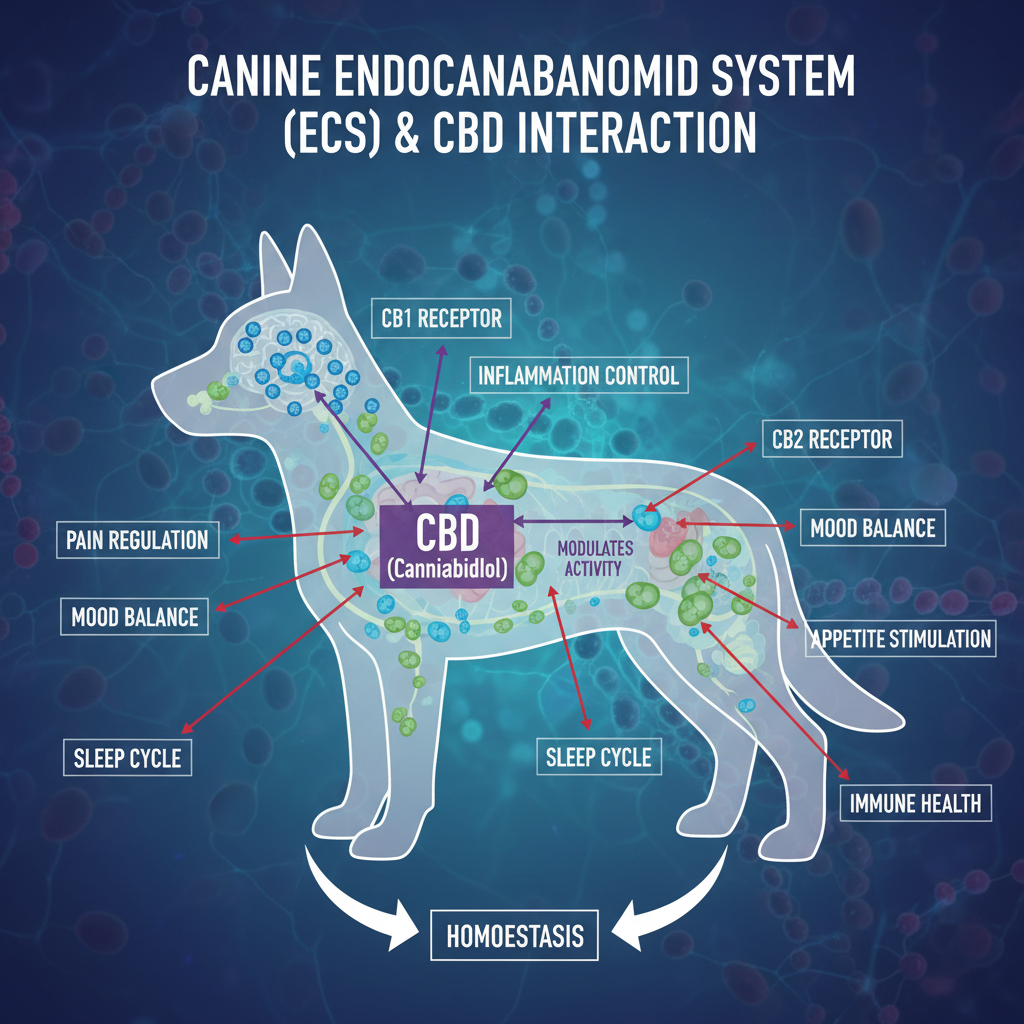
Just like us, dogs have an endocannabinoid system (ECS). Think of the ECS as your dog’s internal “master regulator.” It’s a sophisticated system that helps keep various bodily functions in balance, like:
- Pain signals
- Inflammation responses
- Mood and emotions
- Sleep cycles
- Appetite
- Immune health
CBD interacts with this system by gently influencing its receptors. This interaction is how CBD can offer its amazing therapeutic effects, helping to bring your dog’s body back into harmony.
Potential Benefits of CBD Oil for Dogs
While our research on CBD oil for dogs is still growing, early studies and stories from grateful pet owners point to several exciting benefits:
- Soothes Aches and Pains: CBD has natural anti-inflammatory properties. This can be a game-changer for older pups dealing with arthritis, or dogs recovering from injuries, helping them move more comfortably.
- Calms Nerves: If your dog gets anxious during thunderstorms, separation, or car rides, CBD might help take the edge off. It can bring a sense of calm, making stressful situations much easier for them.
- Fights Inflammation: Beyond just pain, CBD’s anti-inflammatory power can support dogs with chronic conditions like inflammatory bowel disease or allergies, easing their discomfort.
- Manages Seizures: Some veterinary specialists have seen CBD reduce the frequency and intensity of seizures in epileptic dogs. It’s a promising area, and we’re always learning more.
- Boosts Appetite & Settles Tummies: For dogs feeling queasy or struggling to eat due to illness or medication side effects, CBD can help stimulate their appetite and calm an upset stomach.

Is CBD Oil Safe for Dogs?
Naturally, you want to know if CBD oil for dogs is safe. Generally, yes, it is. But as with any supplement, there are a few important things to keep in mind:
- Side Effects: Most dogs tolerate CBD very well. If side effects do pop up, they’re usually mild, like a bit of drowsiness, increased thirst (dry mouth), or a slight dip in blood pressure. These typically pass quickly.
- Drug Interactions: CBD can sometimes interact with other medications, especially those your dog’s liver processes. So, if your pup is on any other meds, always chat with your vet before starting CBD.
- Quality and Purity: The CBD market isn’t always regulated as strictly as it should be. That’s why you need to be a detective! Always look for products with a Certificate of Analysis (COA) from a third-party lab. This report confirms the CBD content and makes sure there are no nasty contaminants like pesticides, heavy metals, or harmful solvents.
- Dosage: Getting the dose right is key. Too much CBD can increase the chances of side effects. It’s always best to start with a very low dose and slowly increase it, watching how your dog responds.
Choosing a High-Quality CBD Product for Your Dog
When you’re ready to buy CBD oil for dogs, here’s what our team at Petscarelab recommends looking for:
- Third-Party Testing: This is non-negotiable! The product absolutely must have a COA from an independent lab. It’s your guarantee of what’s actually in the bottle and that it’s clean.
- THC Content: Stick to products with less than 0.3% THC. This keeps your dog safe from any psychoactive effects.
- Organic and Non-GMO: Choose CBD made from organically grown hemp. This helps avoid exposing your dog to pesticides and herbicides.
- Extraction Method: The CO2 extraction method is generally the gold standard. It’s a clean process that doesn’t leave behind harmful chemical residues.
- Product Type: Oils (tinctures) allow for precise dosing, which is great for finding that sweet spot. Treats are super convenient for a quick dose. And topical balms are perfect for targeting localized pain or skin issues.
- Reputable Brand: Do your homework! Read reviews, check their website, and make sure the brand is transparent about their sourcing and testing.
How to Give Your Dog CBD Oil
Giving your dog CBD can be simple, and you’ve got a few options:
- Directly in the Mouth: Use the dropper to place the oil right into your dog’s mouth. This is the most accurate way to ensure they get the full dose.
- Mixed with Food: If your dog isn’t a fan of the direct approach, just add the oil to their favorite meal. It’s often easier for picky eaters.
- CBD Treats: These pre-dosed treats are super convenient and taste great, making it a happy experience for your pup.
- Topical Application: For muscle soreness or skin irritation, gently rub CBD balms or creams directly onto the affected area.
You’ll notice the effects kicking in at different times. When ingested with food, it might take 30-60 minutes. Topical applications could take a bit longer to show their magic.
What the Research Says About CBD Oil for Dogs
While we hear incredible stories from pet parents every day, scientific research into CBD oil for dogs is still in its exciting early chapters. Here’s a glimpse at what our research and other veterinary specialists are uncovering:
- Osteoarthritis: Some studies, including those reviewed by our team, show that CBD can significantly ease pain and help dogs with osteoarthritis move around more freely and comfortably.
- Epilepsy: Initial findings suggest CBD may help reduce how often and how severely seizures happen in some dogs with epilepsy. We need more large-scale studies, but the results are promising.
- Anxiety: While we’re still gathering specific data on dogs, the way CBD works in the body suggests it has real potential to help calm anxious pups, just like it helps humans.
We’re eager for more comprehensive, larger studies to truly understand the long-term effects, perfect dosages, and full effectiveness of CBD for all sorts of dog conditions.
Legal Status of CBD for Dogs
Navigating the legal world of CBD can feel a bit like a maze. Federally, in the U.S., hemp-derived CBD products (with less than 0.3% THC) became legal with the 2018 Farm Bill.
However, state laws can still vary, and the FDA hasn’t given its official stamp of approval for CBD use in animals. This means veterinarians often tread carefully. They can’t always officially recommend or prescribe CBD because there aren’t clear federal guidelines or specific animal-use approvals yet.
Talking to Your Veterinarian About CBD Oil for Dogs
Before you introduce any CBD product to your dog’s routine, a chat with your veterinarian is your very first step. They’re your best resource and can guide you on:
- The Right Dose: Based on your dog’s weight, the specific condition you’re addressing, and their overall health.
- Drug Interactions: Crucially, if your dog is taking other medications, your vet can identify any potential interactions.
- Underlying Health Issues: They can ensure CBD is appropriate and won’t hide a more serious problem that needs different treatment.
- Product Pointers: While they might not be able to “prescribe,” your vet can offer invaluable insights into what to look for in a quality product.
Your vet can also help you keep an eye on your dog’s progress with CBD and adjust the plan as needed to get the best results.
The Bottom Line
CBD oil for dogs truly shines as a natural option for tackling various issues like pain, anxiety, and inflammation. It’s generally considered safe, but remember: choosing top-notch products, giving the correct doses, and always consulting your veterinarian are essential. As our understanding grows through ongoing research, we’ll continue to unlock even more of CBD’s incredible potential for keeping our dogs healthy and happy.