When Do Pups Stop Growing? Here’s What to Expect
Every pet parent wonders: When do dogs stop growing? While it feels like our furry friends sprout up overnight, their growth isn’t a one-size-fits-all journey. Most pups are considered adults around their first birthday, but the actual timeline for when a dog stops growing really hinges on their breed and how big they’re meant to get.
You’ll generally see smaller dogs reach their full size much sooner than their larger counterparts. Still, for most pups, you can expect them to finish growing somewhere between 6 to 18 months old.
When Your Dog Stops Growing: A Breed-by-Breed Look
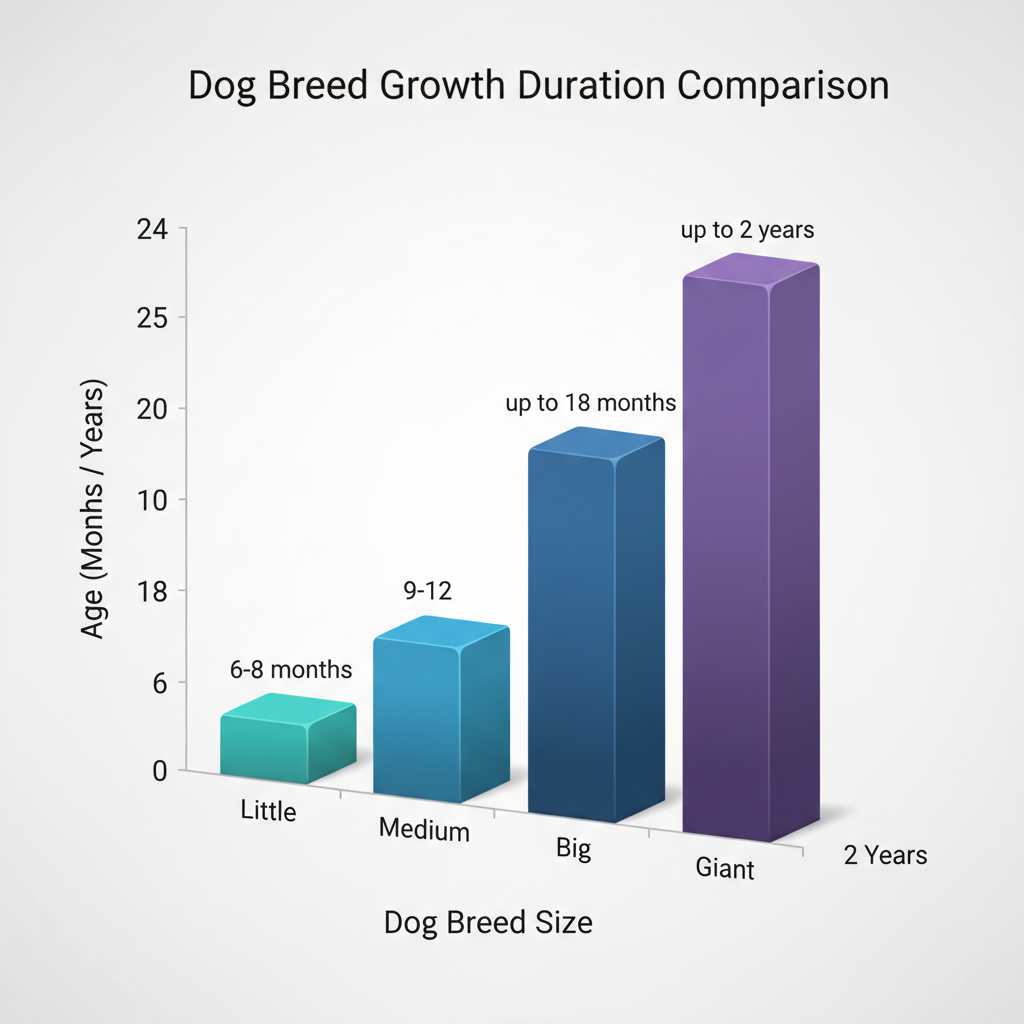
Most dogs wrap up their growth around a year old, but those big breeds can take a bit longer. Here’s a general guide to help you figure out when your dog will hit their full adult size based on their breed:
Little Dog Breeds
Small breeds, like Chihuahuas, Pomeranians, Shih Tzus, and Miniature Poodles, typically stop growing between 6 and 8 months old. They hit their adult weight much faster than other dogs. Because these little guys grow so quickly, their puppy food usually has less fat and more protein than what big breed puppies eat.
Medium Dog Breeds
Medium breeds, such as Beagles, Basset Hounds, Cocker Spaniels, and Bulldogs, usually reach their adult size and weight between 9 and 12 months. Since they have a longer growth period than small breeds, their puppy food often contains more fat to ensure they get all the calories they need.
Big Dog Breeds
Big breeds, including German Shepherds, Labrador Retrievers, Golden Retrievers, and Rottweilers, might take up to 18 months to reach their full adult size. Puppy foods for large breeds are specially designed with a specific calcium-to-phosphorus ratio. This helps support healthy bone growth, as these pups are more prone to bone and joint issues if they grow too quickly.
Giant Dog Breeds
Giant breeds like Great Danes, Mastiffs, Saint Bernards, and Newfoundlands take the longest to fill out, sometimes not stopping until they’re 2 years old! Their unique growth schedule means their puppy foods are made to specifically support strong bones and healthy development.
What Factors Influence When Your Dog Stops Growing?
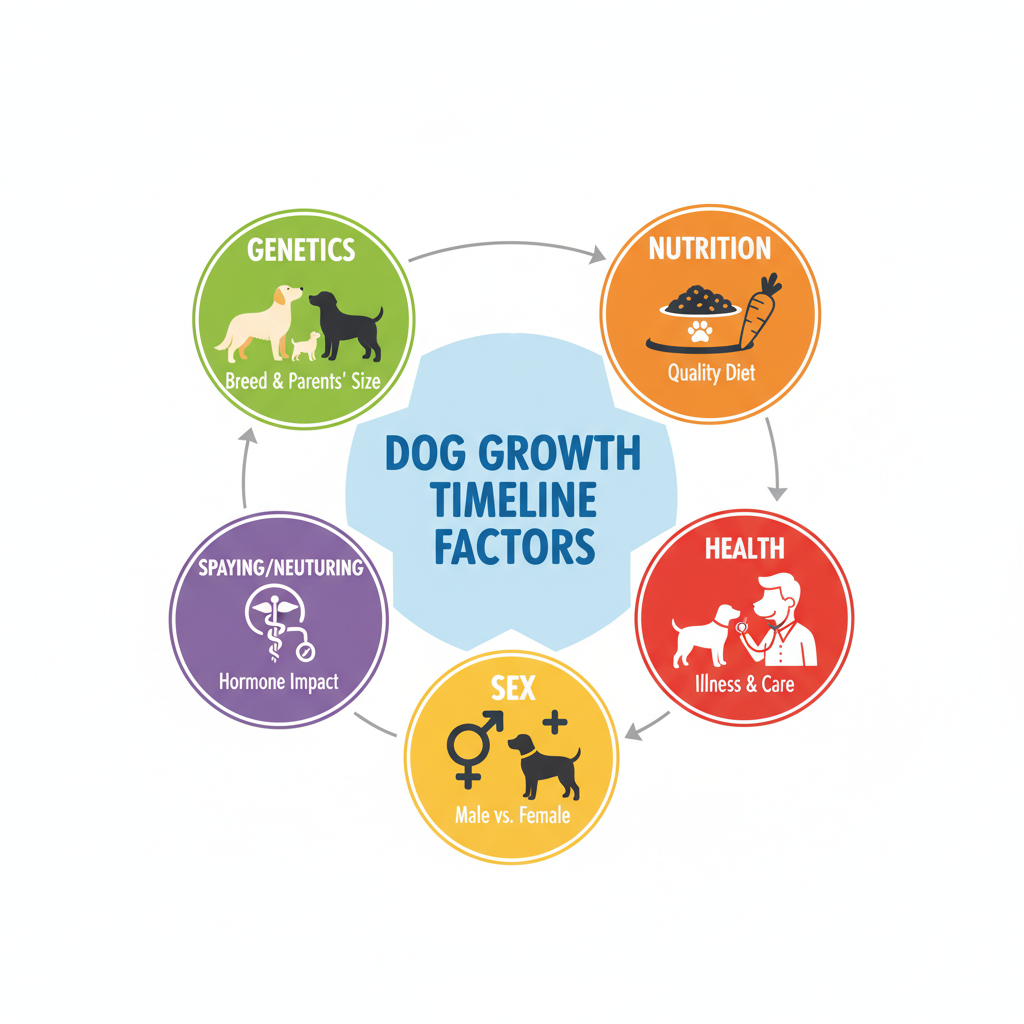
While your dog’s breed size is the biggest clue for when they’ll stop growing, several other things can play a role in their development:
- Genetics: Your puppy’s eventual size is largely written in their genes, inherited from their parents. If both parents were big dogs, chances are their puppy will be too.
- Nutrition: A balanced diet is crucial for proper growth and development. Puppies who don’t get enough good food might not grow to their full potential. Always offer your puppy high-quality food that’s right for their breed size and age.
- Spaying/Neutering: Spaying or neutering a dog too early could slightly affect their growth plates, making them a tiny bit taller. However, our team at Petscarelab finds this effect is usually minimal and the health and behavior benefits of spaying/neutering far outweigh it.
- Health: Illnesses, parasites, or injuries during puppyhood can slow down a dog’s growth. Regular vet check-ups are key to making sure your puppy is growing well and to quickly address any health worries.
- Sex: Male dogs often end up slightly larger and might take a little longer to reach their full size compared to female dogs of the same breed.
When Do Dogs Stop Gaining Weight?
Most dogs hit their adult weight around the same time their height and length growth levels off. But remember, pups can keep packing on pounds if they eat too much or don’t get enough exercise.
Keep an eye on your dog’s weight throughout their life to prevent obesity, which can lead to various health problems. Chat with your vet for advice on your dog’s ideal weight and how to help them stay fit.
Puppy Growth Estimators
Many puppy growth charts are available online. They can help you guess your puppy’s adult weight and size. These charts typically rely on breed information and give you a range for expected growth.
Just remember, these charts are only estimates, and every puppy grows at their own pace. Your vet is truly the best person to track your puppy’s growth and make sure they’re developing right.
How Can You Tell if Your Puppy Is Still Growing?
You can spot a few signs that your puppy still has some growing left to do:
- Loose Skin: Puppies often have extra skin they’ll eventually grow into. If your pup still has loose skin around their neck and shoulders, they probably haven’t finished growing yet.
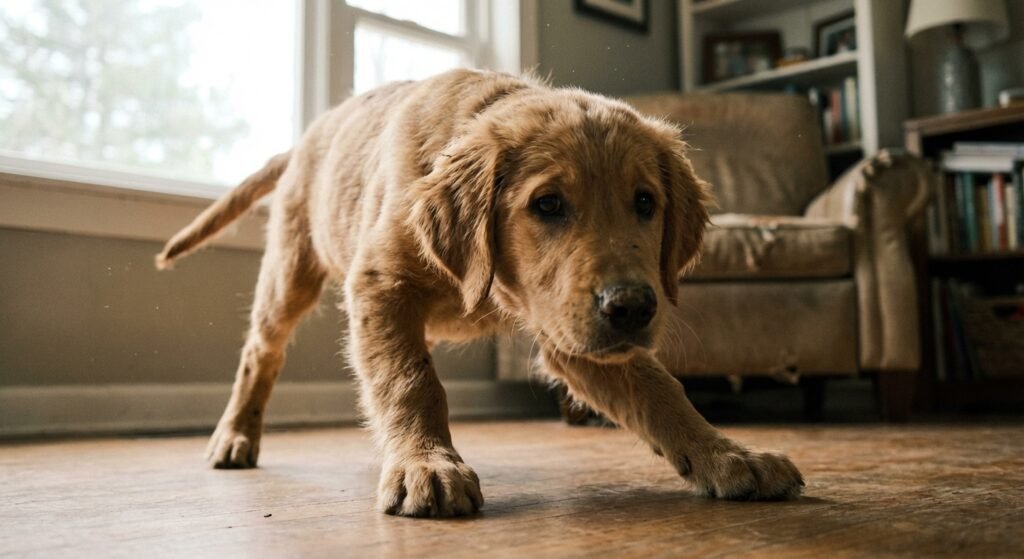
- Big Paws: If your puppy’s paws look super big compared to their body, they might still be growing. This often means they have more growing to do to “catch up” to those big feet!
- Visible Growth Plates: In younger puppies, your vet might see their growth plates on X-rays. These are areas of cartilage at the ends of long bones where growth happens. Once these plates close, your puppy has finished growing taller.
Key Takeaways for Your Growing Pup
- Most dogs finish growing between 6 and 18 months, with smaller breeds maturing quicker than larger ones.
- Giant breeds can take a full two years to reach their adult size.
- Genetics, nutrition, spaying/neutering, overall health, and sex all play a part in a dog’s growth.
- Keep monitoring your dog’s weight even after they stop growing to prevent obesity.
- Look for clues like loose skin and noticeably large paws to see if your puppy is still growing.
- Always talk to your vet for personalized advice on your puppy’s growth and development.
If you have any worries about how your puppy is growing, always reach out to your vet. They can offer tailored advice and ensure your furry friend is developing in the healthiest way possible.