Home Remedies for Dogs: Natural Support for Your Pup’s Minor Ailments
Just like us, our furry friends can have little aches, itches, or tummy troubles that make us wonder: are there safe home remedies for dogs? We all want the best for our pups, and sometimes a simple, natural solution can make a big difference. But knowing *what* to use and *when* is key. Let’s dive into common remedies, their perks, and what you absolutely need to know before trying them with your dog.

When to Use Home Remedies for Your Dog
Think of home remedies for your dog as helpers for those minor, everyday annoyances – like a dry patch of skin or a slightly upset stomach. They’re never a replacement for a trip to the vet! If your dog seems off, is in pain, acting super tired, or showing any symptoms that truly concern you, don’t wait. Get them to the vet. And always, *always* chat with your veterinarian before starting any new remedy, just to make sure it’s safe for your unique pup.
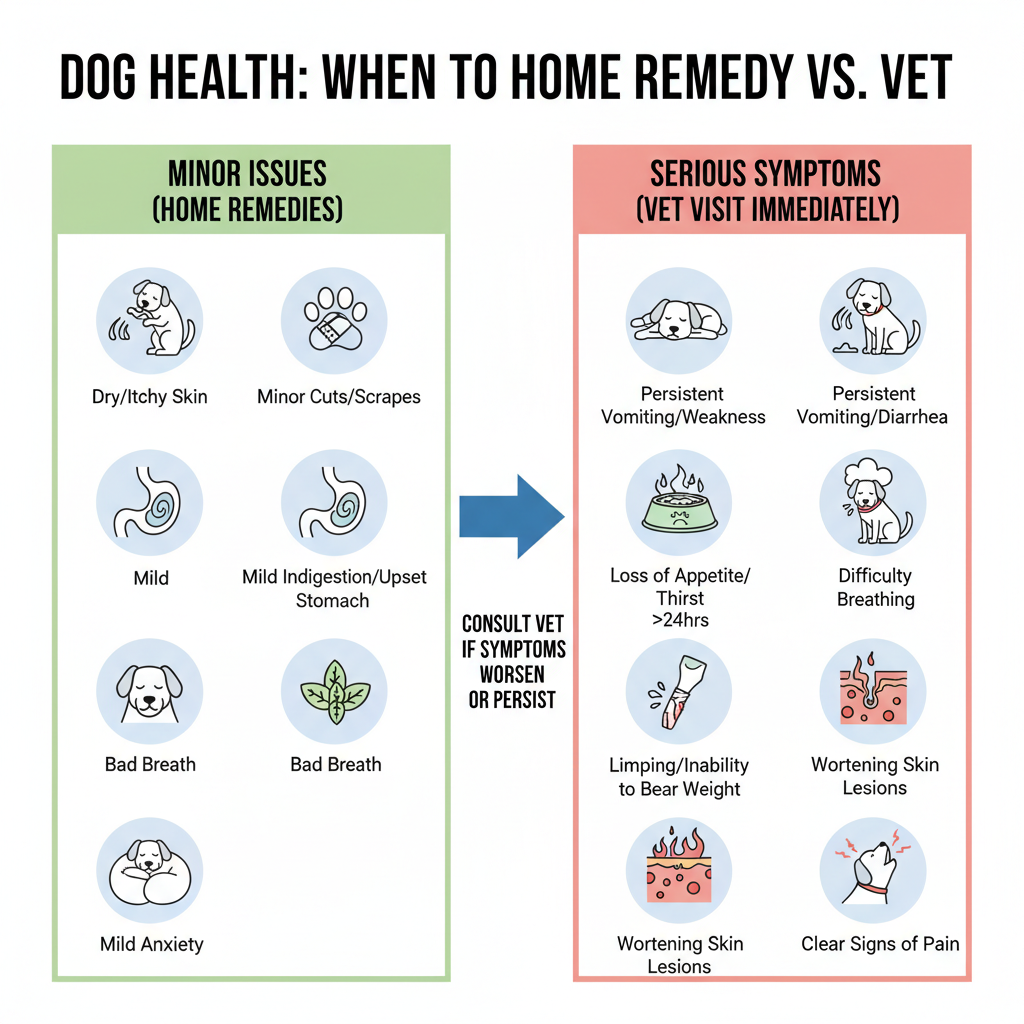
With that in mind, some common issues that can often benefit from a little extra care at home include:
- Dry or itchy skin: That incessant scratching can be relieved with the right touch.
- Minor cuts or scrapes: Small boo-boos that just need a bit of soothing.
- Indigestion/upset stomach: For those times their tummy feels a little off.
- Bad breath: When their kisses aren’t quite as sweet.
- Anxiety: For mild jitters or stressful moments.
1. Apple Cider Vinegar (ACV)
Apple cider vinegar, or ACV, is a surprisingly versatile liquid that can help your dog with a few different issues.
Benefits:
- Skin soother: ACV can bring relief to dry, itchy spots and hot spots, thanks to its ability to fight off unwanted germs and fungi.
- Ear cleanser: A diluted ACV solution works wonderfully for cleaning your dog’s ears, helping to keep yeast and bacterial infections at bay.
- Flea and tick repellent: Some pet parents swear by diluted ACV as a natural way to deter those pesky fleas and ticks when spritzed on their dog’s coat.
How to use:
- Topically: Mix ACV with an equal amount of water. For skin issues, dab it on with a cotton ball or mist it over the affected area with a spray bottle. To clean ears, put a tiny bit on a cotton ball and gently wipe the parts you can see.
- Orally: You can add a very small dash (like 1 teaspoon for a medium-sized dog) to their water or food, but always check with your vet first for the right amount.
What to keep in mind:
- Always dilute ACV before you put it on their skin or offer it to drink.
- Never use it on open wounds or already irritated skin; it will sting!
- Some dogs just won’t like the strong smell or taste, especially if it’s in their water bowl.
2. Coconut Oil
Coconut oil isn’t just a hit with people; dogs can benefit from it too! Many pet owners use it to boost skin and coat health, and some find it helps with digestion.
Benefits:
- Glowing skin and coat: When you rub it into their fur, coconut oil deeply moisturizes parched skin, soothes hot spots, and makes their coat gleam.
- Happy tummy: Some folks find it helps their dog’s digestion and nutrient absorption when they eat it.
- Minor wound care: Its natural germ-fighting properties can help tiny cuts and scrapes heal faster.
- Dental booster: A little coconut oil on a toothbrush can help freshen breath and tackle plaque.
How to use:
- Topically: Gently rub a small amount into dry patches, hot spots, or throughout your dog’s coat.
- Orally: Start with just a tiny amount (like 1/4 teaspoon for a little dog, up to 1 teaspoon for a big dog) mixed into their food each day. Talk to your vet first to figure out the perfect dose.
- Dental: Put a pea-sized amount on a dog-specific toothbrush and gently brush their teeth.
What to keep in mind:
- Calorie-dense: Coconut oil packs a lot of fat, so too much can lead to weight gain or an upset tummy.
- Pancreatitis alert: For some sensitive dogs, large amounts of fat might trigger pancreatitis, a serious condition.
- Not for serious issues: If your dog has severe skin problems or ongoing digestive woes, a vet visit is essential.
3. Chamomile
Chamomile is famous for its calming powers, and it can bring some peace to dogs dealing with mild anxiety or a slightly upset stomach.
Benefits:
- Peaceful pup: It helps dogs who get a bit anxious about you leaving, or those who get car sick.
- Tummy troubles: Can ease mild stomach upset, gas, or nausea.
- Skin soother: A weak chamomile tea can be gently applied to irritated skin.
How to use:
- Orally: Brew a weak chamomile tea, let it cool *completely*, then offer a small amount (a few tablespoons for a medium dog) mixed with their food or water. Always ask your vet for dosage advice first.
- Topically: Brew weak tea, let it cool down, and use a cotton ball to dab it on irritated skin.
What to keep in mind:
- Allergies: Some dogs might not get along with chamomile. Start with a tiny amount to check for any bad reactions.
- Pure tea: Make sure you use plain chamomile tea bags, without any added herbs or sweeteners.
- Not for severe issues: If anxiety is overwhelming or tummy troubles are persistent, your vet needs to step in.
4. Oatmeal
Oatmeal isn’t just a healthy breakfast; it’s a fantastic skin soother for dogs, too!
Benefits:
- Itchy skin relief: Colloidal oatmeal (oats ground into a super-fine powder) is packed with anti-inflammatory and soothing properties that can calm dry, itchy, or irritated skin.
- Hot spot help: It can help dry out and calm down those annoying hot spots.
How to use:
- Oatmeal bath: Whirl plain, unflavored oats in your blender until they’re a super-fine powder (that’s colloidal oatmeal!). Add 1/2 to 1 cup of this powder to a warm bath and let your dog soak for 10-15 minutes. Rinse them *really* well afterward.
- Topical paste: Mix that colloidal oatmeal with just a little water to create a paste and apply it directly to specific itchy patches.
What to keep in mind:
- Stick to plain: Only use plain, unsweetened, and unflavored oats. Instant oatmeal often hides additives that aren’t good for pups.
- Rinse thoroughly: Any leftover oatmeal on their fur can get sticky or irritate their skin if it’s not rinsed off completely.
- No infection cure: While soothing, oatmeal won’t fix underlying skin infections. If you suspect an infection, a vet visit is needed.
5. Ginger
Ginger is well-known for calming nausea and indigestion in people, and it can offer similar benefits for our dogs.
Benefits:
- Motion sickness: Helps calm that queasy feeling and vomiting that can come with car rides.
- Upset stomach: Can ease mild indigestion, gas, or general stomach upset.
- Natural anti-inflammatory: Ginger offers some natural anti-inflammatory power.
How to use:
- Orally: Offer a tiny bit of fresh ginger root (peeled and finely minced) mixed with their food, or a small piece of a plain ginger snap cookie. For a medium-sized dog, a pinch of fresh ginger or half a small ginger snap is a good starting point. Always ask your vet for exact dosage and safety tips.
What to keep in mind:
- Dosage is critical: Too much ginger can actually upset their stomach.
- Avoid sugary treats: Steer clear of candied ginger or ginger ale, which are full of sugar and other things your dog doesn’t need.
- Not for chronic issues: If your dog has ongoing vomiting or stomach problems, see a vet right away.
6. Turmeric
Turmeric, a popular spice, is packed with goodness. Its secret weapon is curcumin, a compound famous for fighting inflammation and acting as a powerful antioxidant.
Benefits:
- Fights inflammation: Helps reduce swelling and pain, especially helpful for dogs with arthritis or joint stiffness.
- Antioxidant boost: Supports overall health and strengthens their immune system.
How to use:
- Orally: You can mix a very small amount of turmeric powder with their food. Many pet parents combine it with a tiny bit of healthy fat (like coconut oil) and a pinch of black pepper (which helps their body absorb it better) to create a “golden paste.” Talk to your vet for the right amount. A common starting point might be 1/8 to 1/4 teaspoon per 10 pounds of body weight per day, but veterinary guidance is truly essential.
What to keep in mind:
- Stomach upset: Too much turmeric can cause tummy troubles.
- Blood thinning: Turmeric can thin the blood slightly, so be extra cautious if your dog is on blood thinners or heading into surgery.
- Staining: Beware! Turmeric will stain *everything* yellow – skin, fur, countertops.
- Better absorption: Curcumin isn’t easily absorbed on its own. Mixing it with fat and black pepper (which contains piperine) can help your dog get the most out of it.
7. Aloe Vera
Aloe vera is widely recognized for its soothing properties, especially for skin irritations.
Benefits:
- Skin soother: The clear gel from inside the aloe vera plant can bring relief to minor burns, insect bites, and skin irritations.
- Anti-inflammatory: Helps calm inflammation on the skin.
How to use:
- Topically: Apply a small amount of the clear inner gel (either directly from a fresh plant leaf or a pure, pet-safe aloe vera gel product) to the irritated skin. Just make sure your dog doesn’t lick it excessively.
What to keep in mind:
- Toxic if eaten: The outer leaf (latex) of the aloe plant has a substance called aloin, which acts as a laxative and can be poisonous to dogs, causing vomiting and diarrhea. *Only* use the clear inner gel.
- Watch them closely: Monitor your dog to keep them from licking off the applied gel.
- Not for open wounds: Skip using it on deep or open wounds.
When to See a Vet
While these natural aids can be wonderful for minor woes, let’s be crystal clear: home remedies for dogs are never a stand-in for professional veterinary care. If you see *any* of these signs, it’s time to pick up the phone and call your vet right away:
- Persistent vomiting or diarrhea: More than a day of this means trouble.
- Lethargy or severe weakness: If your pup is just completely drained and unresponsive.
- Loss of appetite or thirst for more than 24 hours: They need food and water!
- Difficulty breathing: This is an emergency.
- Limping or inability to bear weight: They might have a sprain or a broken bone.
- Excessive itching, hair loss, or skin lesions that worsen or don’t improve: Could be an infection or allergy needing professional diagnosis.
- Signs of pain: Whining, guarding a body part, or sudden aggression.
- Any symptom that seems severe, worsens rapidly, or lasts longer than a day or two. Trust your gut.

Think of your vet as your ultimate partner in your dog’s health journey. *Always* have a chat with them before you start any new home remedy, supplement, or make big changes to their food. They’re the pros who can guide you on the right amounts, warn you about any possible medicine interactions, and confirm if a remedy is truly safe and perfect for your unique furry family member.