Understanding and Addressing Dry, Flaky Skin in Dogs: Causes, Symptoms, and Compassionate Care
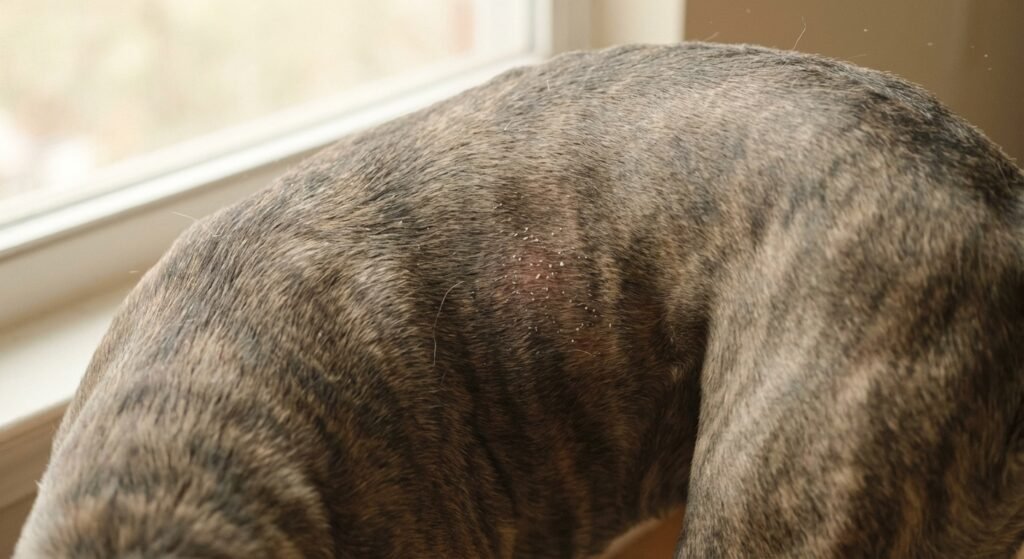
Discovering dry, flaky skin in dogs can be a worrying sign for any devoted pet owner. Far from being a mere cosmetic concern, this common dermatological issue can range from a transient, minor irritation to a significant indicator of a deeper underlying health condition. Often accompanied by persistent itching (pruritus), noticeable redness, and even distressing hair loss, it can cause your beloved canine companion considerable discomfort. At Petscarelab, we understand your concern, and emphasize that accurately identifying the root cause is the critical first step toward effective and compassionate treatment, restoring your dog’s comfort and skin health.
What Causes Dry, Flaky Skin in Dogs?
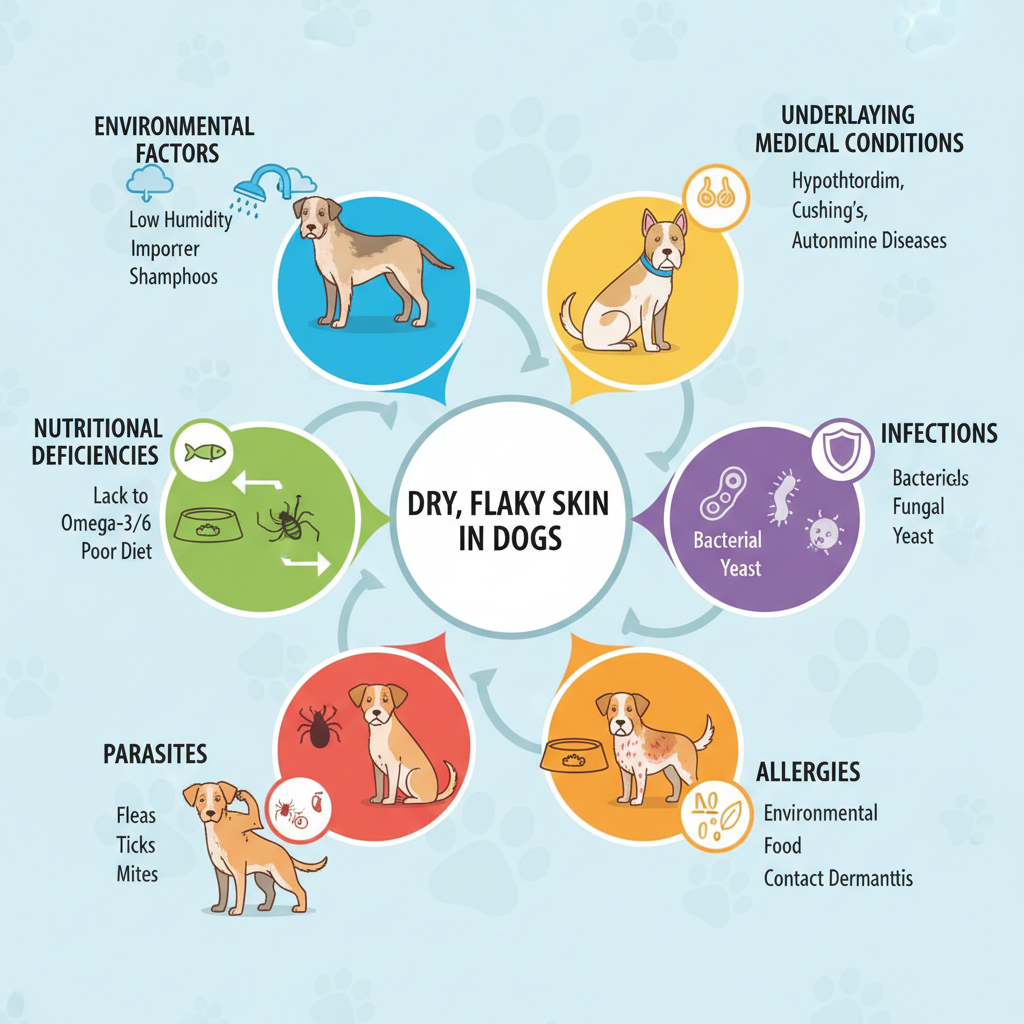
The presence of dry, flaky skin can stem from a surprisingly diverse array of factors. These can broadly be categorized into environmental influences, nutritional gaps, parasitic infestations, various allergies, and more complex systemic diseases. Understanding these potential culprits is key to addressing your dog’s discomfort.
Environmental Factors
- Arid Conditions: Much like humans, dogs can suffer from dry skin when exposed to low humidity, which is particularly prevalent during the colder winter months or in naturally dry climates.
- Inappropriate Shampoos: Using bathing products not specifically formulated for canine skin, or over-bathing, can aggressively strip away the vital natural oils that protect your dog’s skin barrier.
- Excessive Bathing: Even with specialized dog shampoos, bathing too frequently can disrupt the skin’s delicate balance, leading to dryness and flakiness.
Nutritional Deficiencies
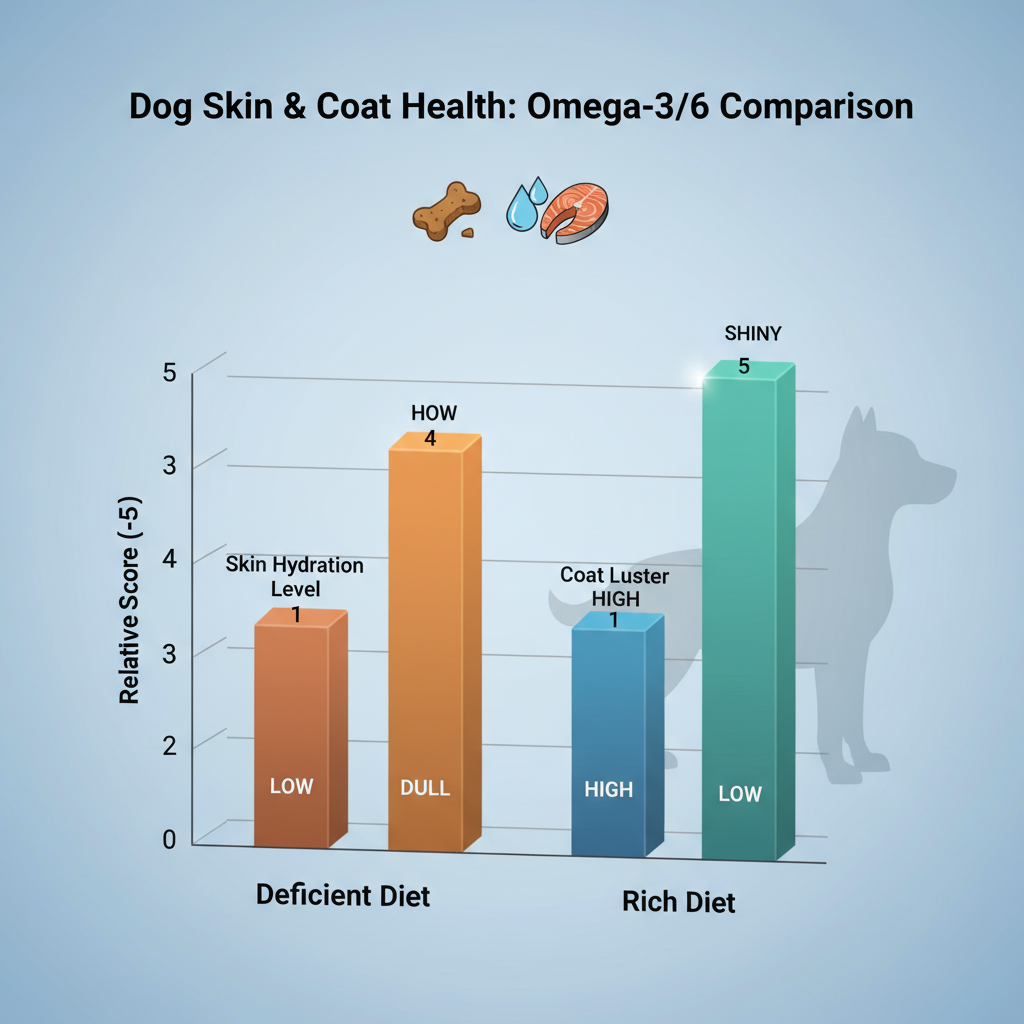
- Lack of Essential Fatty Acids (EFAs): Omega-3 and Omega-6 fatty acids are cornerstones of vibrant skin and a healthy, lustrous coat. A deficiency in these crucial nutrients can manifest as dry, dull, and noticeably flaky skin.
- Subpar Diet Quality: A diet that lacks the optimal balance of nutrients, essential vitamins, and vital minerals can often reveal itself through visible skin and coat issues.
Parasites
- Fleas and Ticks: The bites from these pervasive parasites can trigger intense itching, leading to irritated, dry, and flaky skin as your dog attempts to relieve the discomfort.
- Mites (Mange): Conditions like Sarcoptic mange (often called scabies) and Demodectic mange are notorious for causing severe itching, significant hair loss, redness, and prominent flaky skin.
Allergies
- Environmental Allergies (Atopy): Dogs can develop sensitivities to common environmental allergens such as pollen, microscopic dust mites, or mold spores, resulting in persistent itching, dryness, and inflamed skin.
- Food Allergies: Certain ingredients commonly found in dog diets—such as specific proteins like beef or chicken, dairy products, or wheat—can unfortunately trigger allergic reactions that directly impact skin health.
- Contact Dermatitis: This occurs when your dog’s skin reacts adversely to direct contact with specific substances, which might include certain fabric types, household cleaning agents, or various plants.
Infections
- Bacterial Infections (Pyoderma): Often arising as secondary complications to allergies or other skin irritations, bacterial infections can lead to flaky, crusted, and inflamed skin, requiring prompt attention.
- Fungal Infections (Ringworm): This common fungal culprit typically presents as distinctive circular patches of hair loss, accompanied by redness and flaky skin.
- Yeast Infections (Malassezia Dermatitis): Frequently found in skin folds or within the ears, yeast infections can cause greasy, flaky, itchy, and sometimes an unmistakably unpleasant-smelling skin.
Underlying Medical Conditions
- Hypothyroidism: An underactive thyroid gland can subtly impact a dog’s overall health, leading to a dull coat, unexplained hair loss, and noticeably dry, flaky skin.
- Cushing’s Disease (Hyperadrenocorticism): The overproduction of cortisol due to this condition can result in thinning skin, hair loss, and a heightened susceptibility to secondary skin infections.
- Seborrhea: This often genetic condition affects the skin’s crucial ability to produce sebum, manifesting as either excessively dry (seborrhea sicca) or oily (seborrhea oleosa) flaky skin.
- Autoimmune Diseases: Though rare, certain autoimmune conditions involve the immune system mistakenly attacking the body’s own tissues, which can unfortunately extend to affecting the skin.
Key Symptoms of Dry, Flaky Skin in Dogs
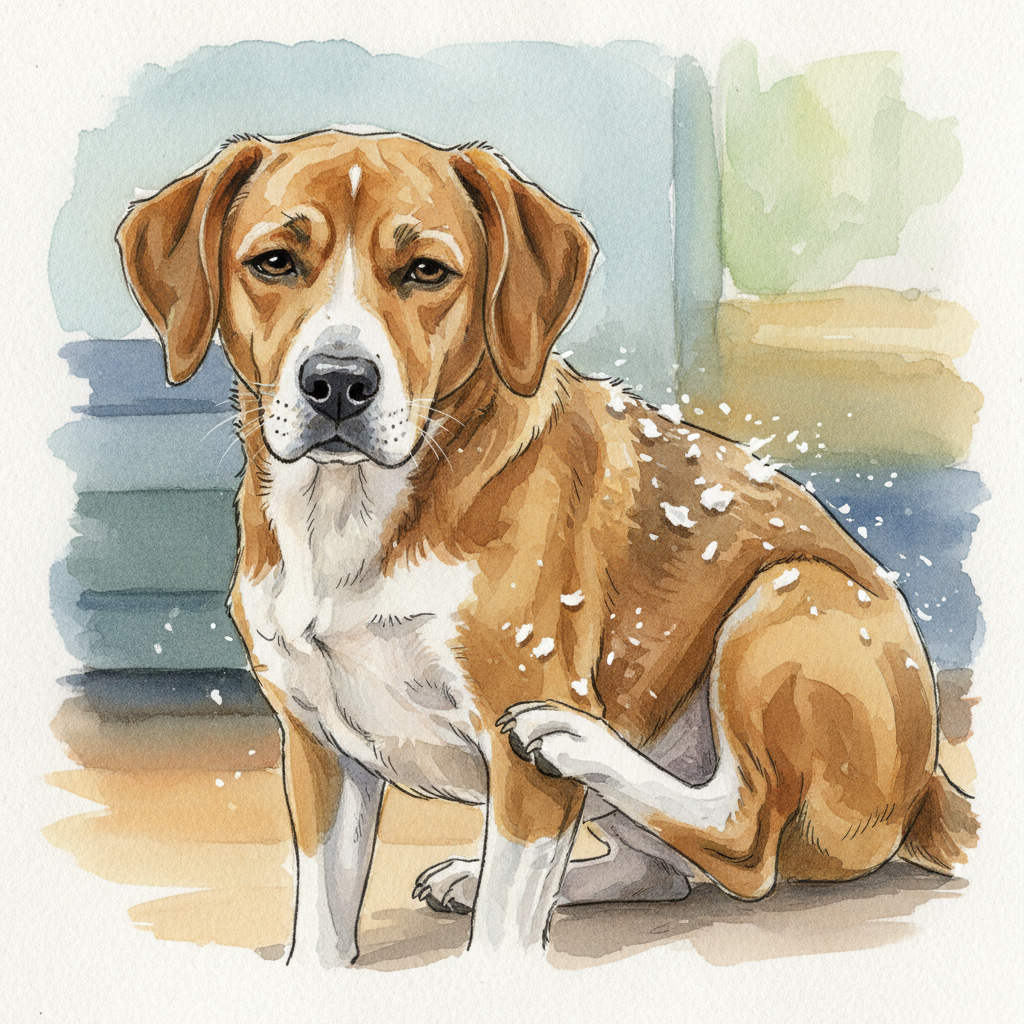
Beyond the evident dry and flaky texture, dry, flaky skin in dogs is often accompanied by a range of other distressing symptoms that signal discomfort and require your attention:
- Persistent Itching (Pruritus): This can vary from mild, intermittent scratching to severe, relentless itching, driving your dog to scratch, lick, and chew at their skin constantly.
- Redness or Inflammation: Irritated skin frequently appears visibly red and inflamed, indicating underlying irritation.
- Hair Loss: This can manifest as patchy areas or more generalized thinning of the coat, often exacerbated by constant scratching or as a direct symptom of the primary condition.
- Dull Coat: The lack of essential natural oils can strip the coat of its natural luster, making it appear lackluster and unhealthy.
- Unpleasant Odor: The presence of bacterial or yeast infections can often emit a distinct, unpleasant smell from the skin.
- Sores, Scabs, or Crusting: These lesions are frequently the result of incessant scratching or the development of secondary infections.
- Thickened Skin (Lichenification): Prolonged irritation can cause the skin to become noticeably thick and leathery, sometimes resembling an elephant’s hide.
Diagnosis for Dry, Flaky Skin Conditions
When your dog presents with skin issues, our veterinary professionals at Petscarelab will conduct a thorough physical examination. This includes a detailed discussion of your dog’s health history, dietary regimen, home environment, and specific symptoms. To pinpoint the exact cause of dry, flaky skin in dogs, a range of diagnostic tests may be recommended:
- Skin Scrapes: A quick and simple procedure to collect skin cells for microscopic examination, primarily to detect the presence of mites.
- Fungal Cultures: Samples are taken and cultured in a lab to definitively diagnose fungal infections like ringworm.
- Cytology: Skin cells are examined under a microscope to identify bacterial or yeast overgrowth.
- Allergy Testing: This can involve specialized blood tests or intradermal skin tests to pinpoint environmental allergens, or a carefully managed food elimination trial to identify food sensitivities.
- Blood Work: Comprehensive blood panels can help screen for systemic diseases such as hypothyroidism or Cushing’s disease, which often have skin manifestations.
- Skin Biopsy: In more complex or unusual cases, a small tissue sample may be taken for histopathological examination, providing a detailed cellular analysis.
Effective Treatment for Dry, Flaky Skin in Dogs
The most effective treatment plan for dry, flaky skin in dogs is entirely dependent on accurately identifying the underlying cause. Our team at Petscarelab is dedicated to tailoring a compassionate and effective approach:
- Dietary Adjustments: This may involve supplementing with vital omega-3 and omega-6 fatty acids, or transitioning to a high-quality, balanced dog food, potentially a hypoallergenic formula specifically designed for sensitivities.
- Medicated Shampoos and Conditioners: Your veterinarian might prescribe specialized antifungal, antibacterial, or deeply moisturizing shampoos. It is crucial to follow all usage directions meticulously.
- Topical Treatments: These can include soothing sprays, mousses, or ointments containing corticosteroids to reduce inflammation, antibiotics for bacterial issues, or antifungals for yeast and fungal infections.
- Parasite Control: Consistent, year-round use of effective flea, tick, and mite prevention products is essential. Specific medications will be prescribed for existing mange infestations.
- Antibiotics or Antifungals: Depending on the type of infection, oral or topical medications will be prescribed to combat bacterial or yeast overgrowth.
- Antihistamines or Steroids: These medications are often used in allergy management to significantly reduce itching and inflammation, providing much-needed relief.
- Immunosuppressants: For severe allergic reactions or certain autoimmune conditions, specific immunosuppressant medications may be necessary.
- Hormone Therapy: Conditions like hypothyroidism are effectively managed with targeted hormone replacement therapy.
- Environmental Changes: Implementing practical adjustments such as using a humidifier, avoiding harsh household cleaning products, or minimizing exposure to known allergens can make a significant difference.
Prevention
While not every cause of dry, flaky skin in dogs is entirely preventable, you can proactively minimize the risk and promote your dog’s skin health through dedicated care:
- Prioritize a High-Quality Diet: Ensure your dog’s food is nutritionally complete and rich in essential fatty acids to support skin barrier integrity.
- Consistent Parasite Prevention: Maintain your dog on a year-round, veterinarian-recommended flea, tick, and mite control program.
- Appropriate Grooming Practices: Always use dog-specific, moisturizing shampoos and avoid the temptation to over-bathe, preserving the skin’s natural oils.
- Maintain Optimal Indoor Humidity: Especially crucial in dry climates or during the winter, a humidifier can significantly benefit your dog’s skin.
- Regular Veterinary Check-ups: Consistent visits to your veterinarian at Petscarelab allow for early detection of potential underlying health issues before they escalate into severe skin problems.
- Identify and Avoid Allergens: Once specific environmental or food allergens are identified, take proactive steps to minimize your dog’s exposure to them.
When to See a Vet
It is always advisable to consult with your trusted veterinarian at Petscarelab if your dog experiences persistent dry, flaky skin in dogs, particularly if these symptoms are accompanied by any of the following concerning signs:
- Intense itching or obvious discomfort
- Noticeable redness, inflammation, or any skin lesions
- Unexplained or worsening hair loss
- A foul or unusual odor emanating from the skin
- Any changes in your dog’s appetite or energy levels
Early intervention is paramount. Prompt veterinary attention can effectively prevent secondary infections, alleviate discomfort, and ensure your cherished dog’s overall well-being and happiness.
Can I use human lotion on my dog’s dry skin?
No, it is generally not recommended by our veterinary professionals. Human lotions often contain fragrances, chemicals, or ingredients that can be highly irritating or even toxic to dogs if ingested through licking. Always prioritize products specifically formulated and safety-tested for canine use.
How often should I bathe a dog with dry skin?
The ideal bathing frequency truly depends on the underlying cause of the dry skin. If a medical condition necessitates it, your veterinarian might prescribe more frequent baths with specific medicated shampoos. Otherwise, bathing less frequently (e.g., once every 3-4 weeks) with a gentle, moisturizing dog shampoo can be beneficial. For personalized advice tailored to your dog’s unique needs, always consult your vet.
What home remedies can help dry skin?
While certain home remedies can offer supportive care, they should never replace professional veterinary treatment. Supplements like high-quality fish oil (rich in omega-3 fatty acids) can significantly improve skin health. However, always discuss any supplements with your veterinarian at Petscarelab first to ensure proper dosage and suitability. Using a humidifier can also be a helpful tool in combating environmental dryness.
Is dry skin contagious to other pets or humans?
The contagiousness of dry, flaky skin in dogs hinges entirely on its cause. Certain conditions, such as ringworm or specific mites (e.g., sarcoptic mange), are contagious and can spread to other animals and potentially to humans. However, non-infectious causes like allergies or nutritional deficiencies pose no risk of transmission. Your veterinarian can accurately determine if a contagious agent is involved and advise on necessary precautions.